

APIPod
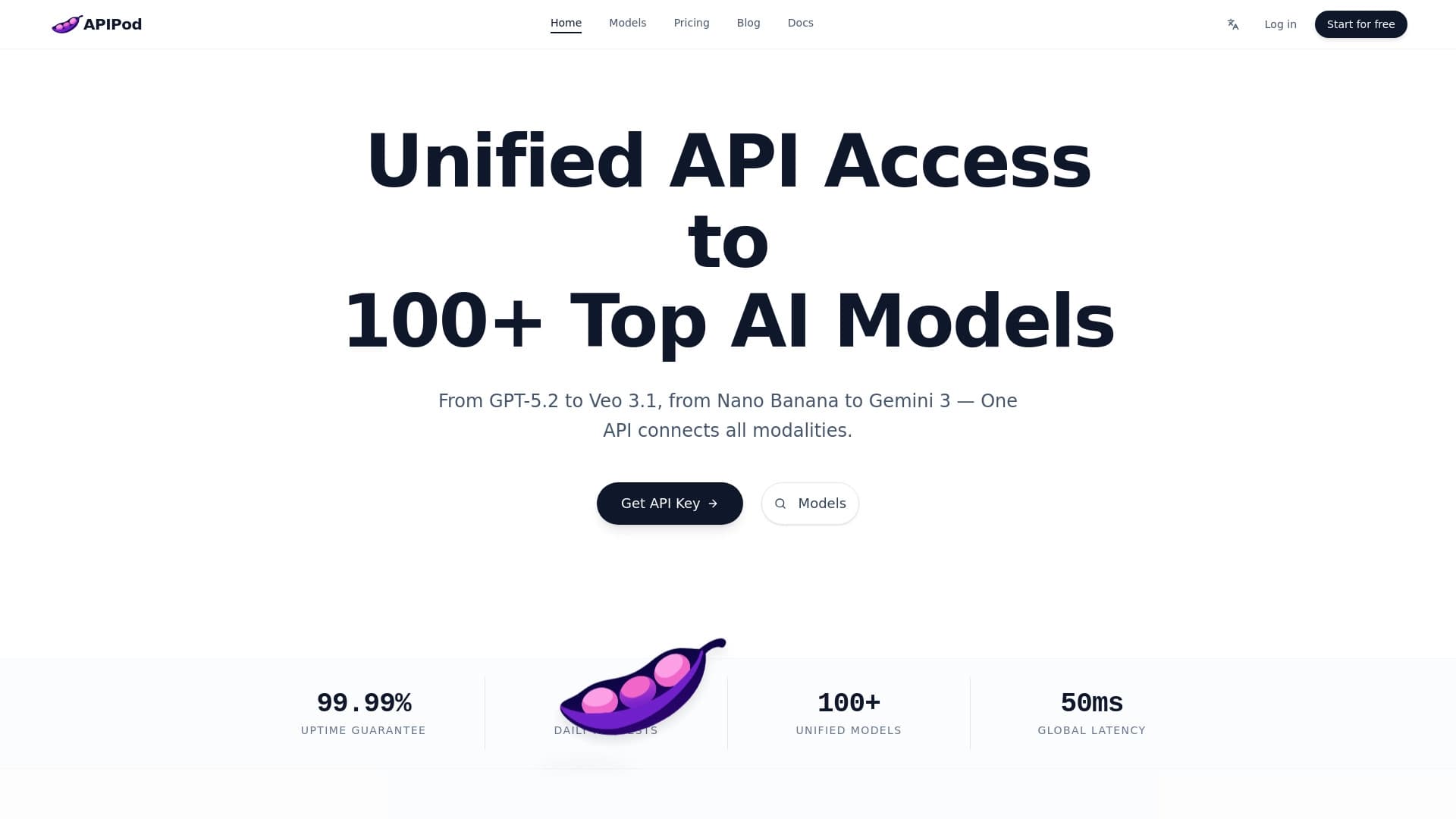
A unified API for accessing over 100 multimodal AI models.
Overview
APIPod AI Description
APIPod is an intermediary platform that provides developers with a single unified API for accessing over 100 popular multimodal artificial intelligence models. Instead of integrating each service separately, subscribing to different terms, documentation, and request formats, developers connect once to APIPod and work with all available models—from text to graphics—through a single interface.
The Problem the Service Solves
Typically, when building AI features, developers have to deal with disparate SDKs and APIs: each model has its own authentication parameters, data formats, and limits. This slows down development and complicates code maintenance. APIPod handles the aggregation: you work with one key and one set of rules, while all the "routine" of request adaptation is hidden inside the platform.
Multimodality as a Foundation
APIPod's key feature is support for multimodal models. This means that through the same interface, you can send requests for text generation, image creation, and other content types. For developers, this means the ability to build flexible applications that use different AI models without rewriting code when switching from one model to another.
APIPod Characteristics
| Characteristic | Value |
|---|---|
| Product Type | Unified API gateway (AI model aggregator) |
| Number of Models | Over 100 |
| Supported Content Types | Text, graphics, multimodal |
| Target Audience | Developers, integrators |
| Authentication Method | Single API key for all models (standard practice for such services) |
| Interface Language | International market focus (available in Japanese) |
| Distribution Model | Not specified (unknown) |
Who Is APIPod Suitable For?
For Business Application Developers
If you're building internal tools or client-facing products that need an AI module, APIPod lets you quickly implement features "out of the box." There's no need to maintain a team of specialists familiar with the specifics of each model.
For Startups and Small Teams
Young projects need to shorten time-to-market. APIPod makes it possible to prototype in a day, trying out different models for your tasks (e.g., text tone or image style) without rewriting integration code.
For Companies Migrating Between Models
If a business wants to move from one proprietary model to another or use multiple models simultaneously, APIPod reduces vendor dependency. You change the model in one place in the configuration—the request logic remains the same.
How to Use APIPod?
Step 1: Getting Access
You need to register on the APIPod platform and obtain a single API key. This key replaces the individual keys for each model, which usually require separate setup.
Step 2: Choosing a Model and Sending a Request
The developer specifies in the request which model from the catalog (over 100 options) should process their data. The request format is uniform across all models: you use the same data structures and methods, changing only the model identifier.
Step 3: Integration and Switching
Once requests are sent, you can easily swap models at any time. For example, if a new model version performs better, you simply change one parameter—no changes to the application code are required.
APIPod Core Features
Single Entry Point
The core function is a gateway that receives requests from the client, routes them to the appropriate model, and returns the result in a standardized format. This significantly simplifies application logic.
Multimodal Data Management
APIPod works with text, graphics, and other data types. You can use one infrastructure for text generation tasks (summarization, chatbots) and image creation (illustration generation, photo processing).
Model Catalog
The service provides access to over 100 models (including the most popular ones on the market). The catalog is constantly updated, and developers don't need to track new releases—they appear in the shared list.
APIPod Advantages
Reduced Integration Complexity
Instead of dozens of different SDKs—one API. This reduces code volume, simplifies testing, and cuts down the time spent learning documentation from different vendors.
Faster Development
Developers create prototypes faster because they don't spend time on connection setup. You can immediately experiment with different models for the same task, choosing the best result.
Flexibility When Switching Models
The "lock-in" risk on a single model is reduced. If client requirements change or a model becomes outdated, switching to another doesn't require code refactoring.
APIPod Disadvantages
Dependence on an Intermediary
Using a gateway adds an extra layer between your code and the model provider. This introduces a potential point of failure and requires trust in APIPod's stability and policies.
Hidden Performance Risks
Since requests pass through an intermediate server, there may be a slight increase in latency compared to direct API calls to the model. Specific latency figures are not provided in the available data.
Cost Uncertainty
The service's distribution model is marked as unknown. The lack of publicly stated pricing at the official description level can create uncertainty when planning project budgets.
What Tasks Does APIPod Solve?
APIPod addresses the need for unified access to AI models. The main task categories include:
- Prototyping AI features: quickly testing hypotheses like "will this model's text or that model's image work" without lengthy setup.
- Supporting legacy systems: adding new AI models to existing applications without changing their architecture.
- Optimizing model selection: comparing results from different models with minimal effort to choose the one that performs best on your data.
APIPod Pricing
APIPod's official pricing policy is not disclosed in the available source data. The distribution model is listed as unknown. For up-to-date information on rates, the availability of a free tier, and payment methods, it is recommended to request a commercial proposal on the platform's official website or check the pricing page if available in your region.
APIPod Terms of Use
Since information on legal aspects (license agreements, data processing terms, jurisdiction) is absent from the source data, it's impossible to provide an accurate description of the terms. As a rule, standard cloud service requirements apply to such aggregators: registration, acceptance of the user agreement, and compliance with usage restrictions. We recommend carefully reviewing the service's documents before getting started.
APIPod Availability
The service is positioned as international, given the Japanese-language description. APIPod is available for developers from different countries to connect, but the specific list of supported regions, the presence of local servers, and interface languages are not specified in the source data. Accurate information about geographic availability should be confirmed during registration.
How APIPod Differs from Alternatives
Focus on Multimodality
Unlike services that specialize only in text models (e.g., simple proxies for ChatGPT), APIPod supports graphics and other multimodal models from the start. This allows you to use the same tool for generating different types of content.
Catalog Breadth
Over 100 models is a significant number for an aggregator. Many competitors are limited to 10–20 models or provide access only to models from a single vendor (e.g., only OpenAI or only Anthropic). APIPod is focused on multi-vendor support, bringing models together under one roof.
Simplified Migration
A competitive advantage is the relatively easy transition between models. With many aggregators, switching models requires contacting support or changing configuration at the infrastructure level, whereas APIPod lets you change the model at the request level. This is convenient for developers who like to experiment.
Conclusion
APIPod is a practical solution for teams that want to integrate artificial intelligence into their products without the hassle of working with many different APIs. A single interface for over 100 multimodal models is a significant step toward simplifying development, reducing dependence on individual vendors, and enabling rapid prototyping. However, before choosing APIPod, you should consider potential latency issues, the need to trust an intermediary, and the unclear pricing policy. For those who prioritize speed to launch and flexibility, this service could be a good choice.
Frequently asked questions
See also
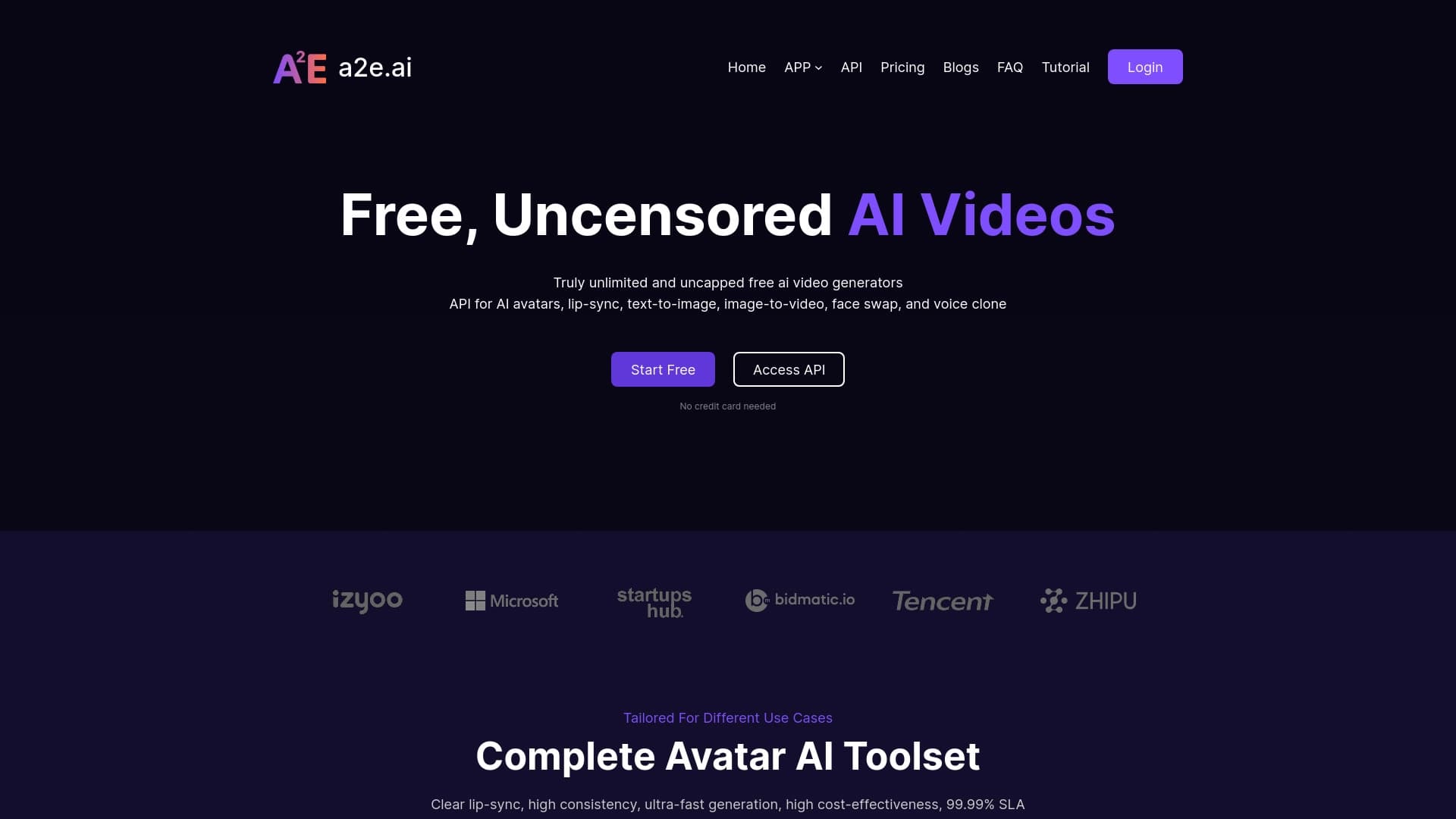

AI toolkit for video generation and editing, including avatars, lip-sync, and voice cloning.
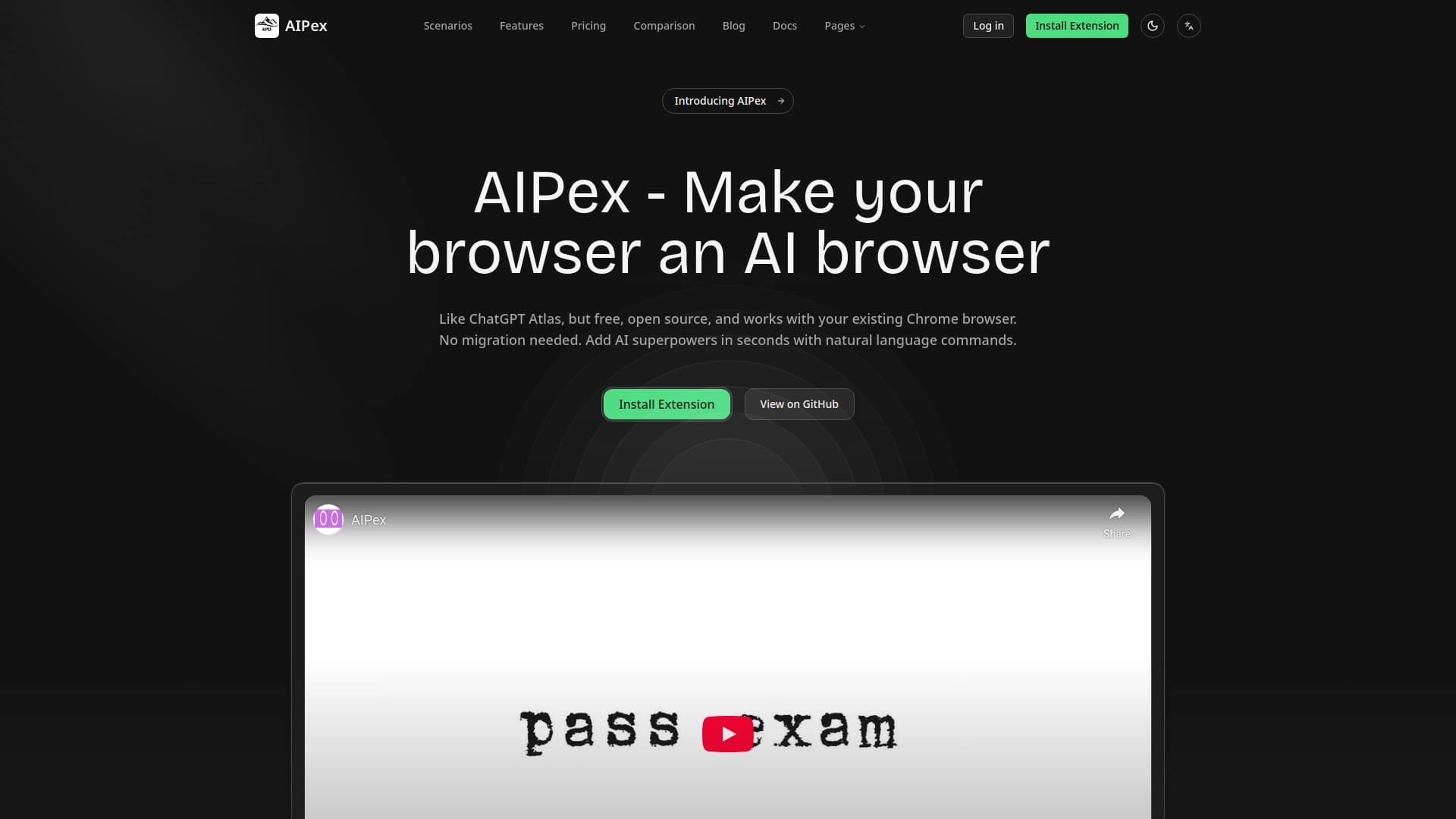

Chrome extension that helps manage tabs, history, and bookmarks with an AI assistant.
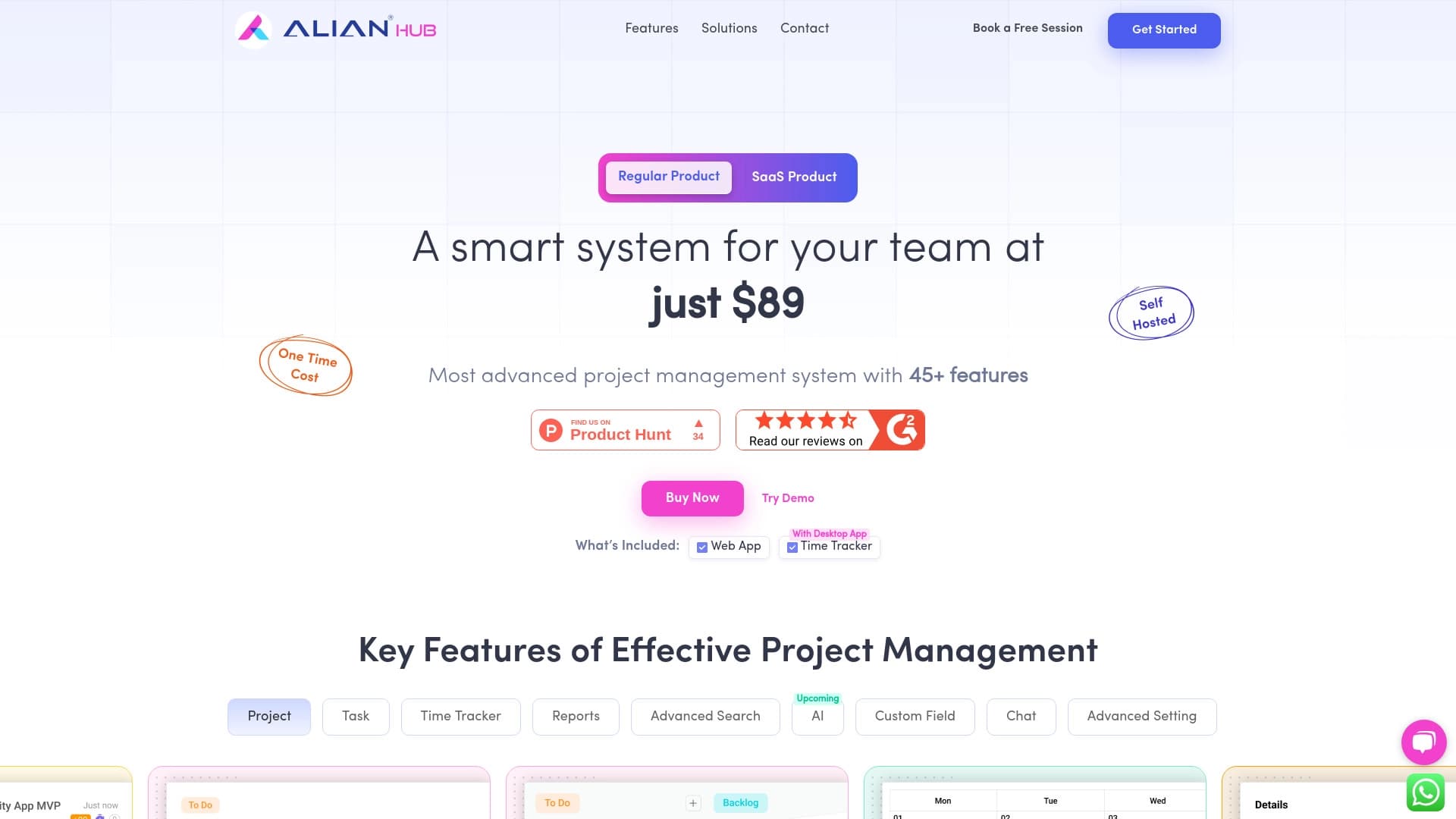

Project management platform with task assignment, time tracking, and employee workload monitoring features.
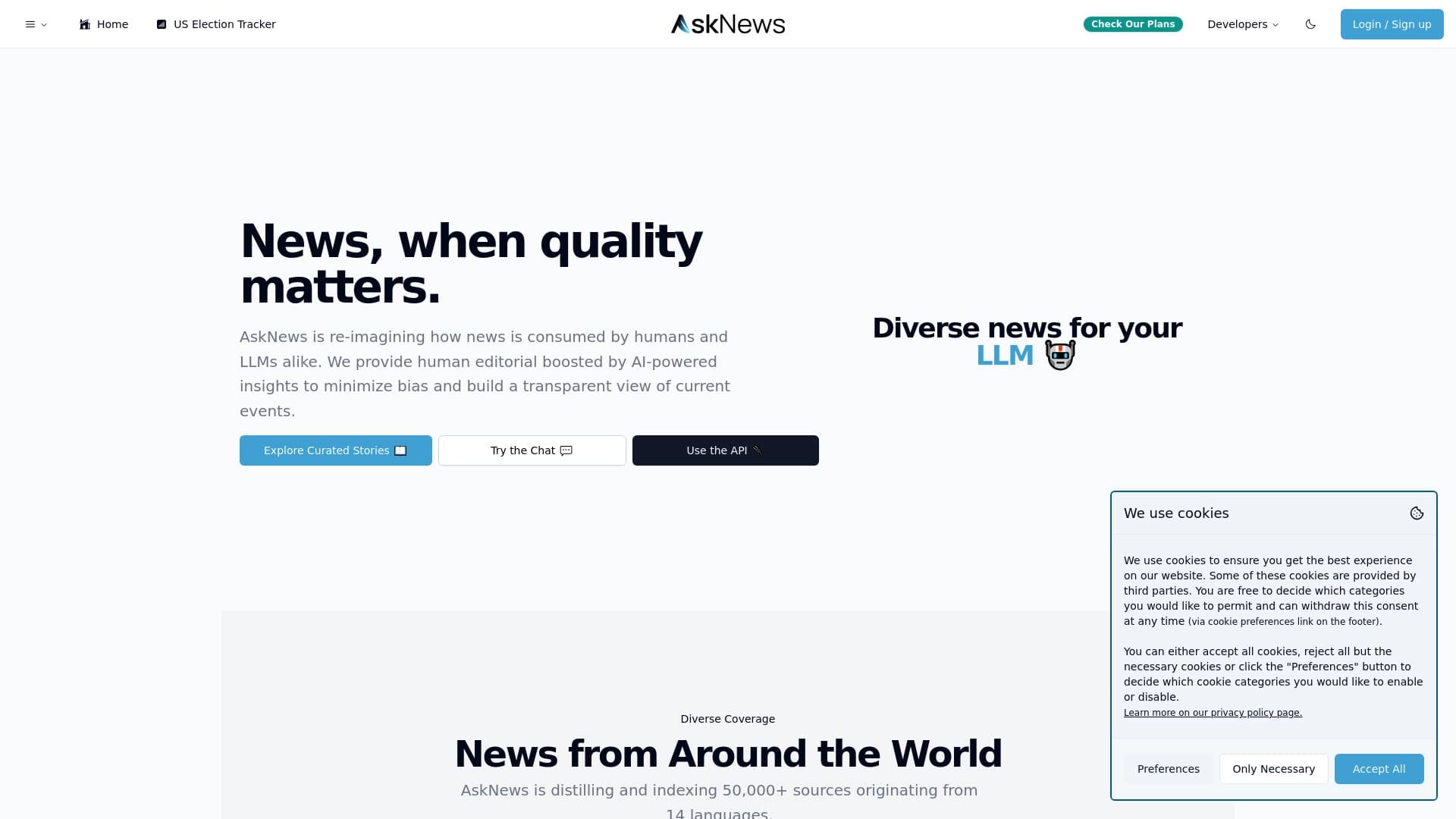
A platform for aggregating world news using AI to analyze and reduce bias.
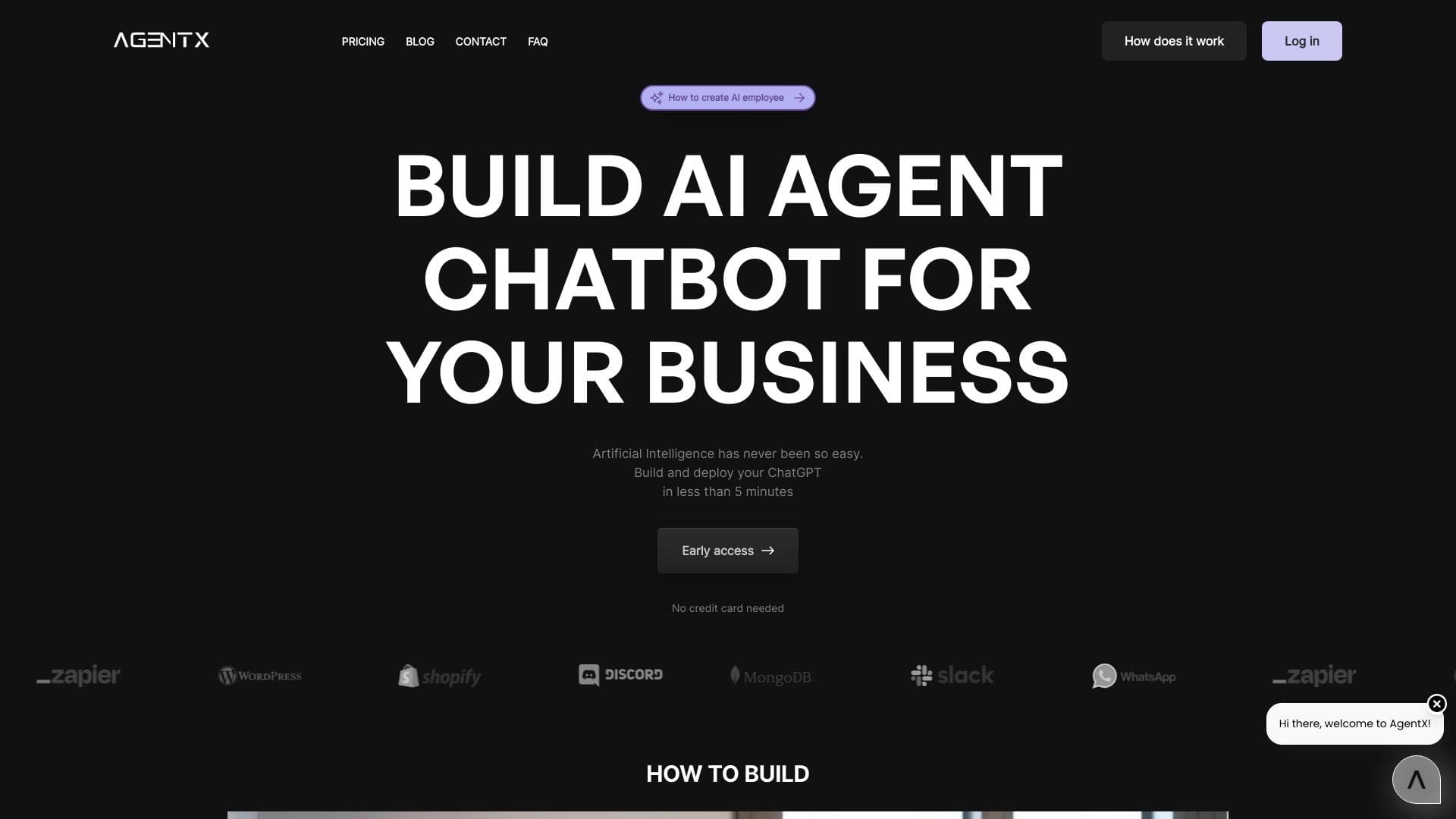

Platform for creating multi-agent AI systems and chatbots to automate customer support and lead generation.
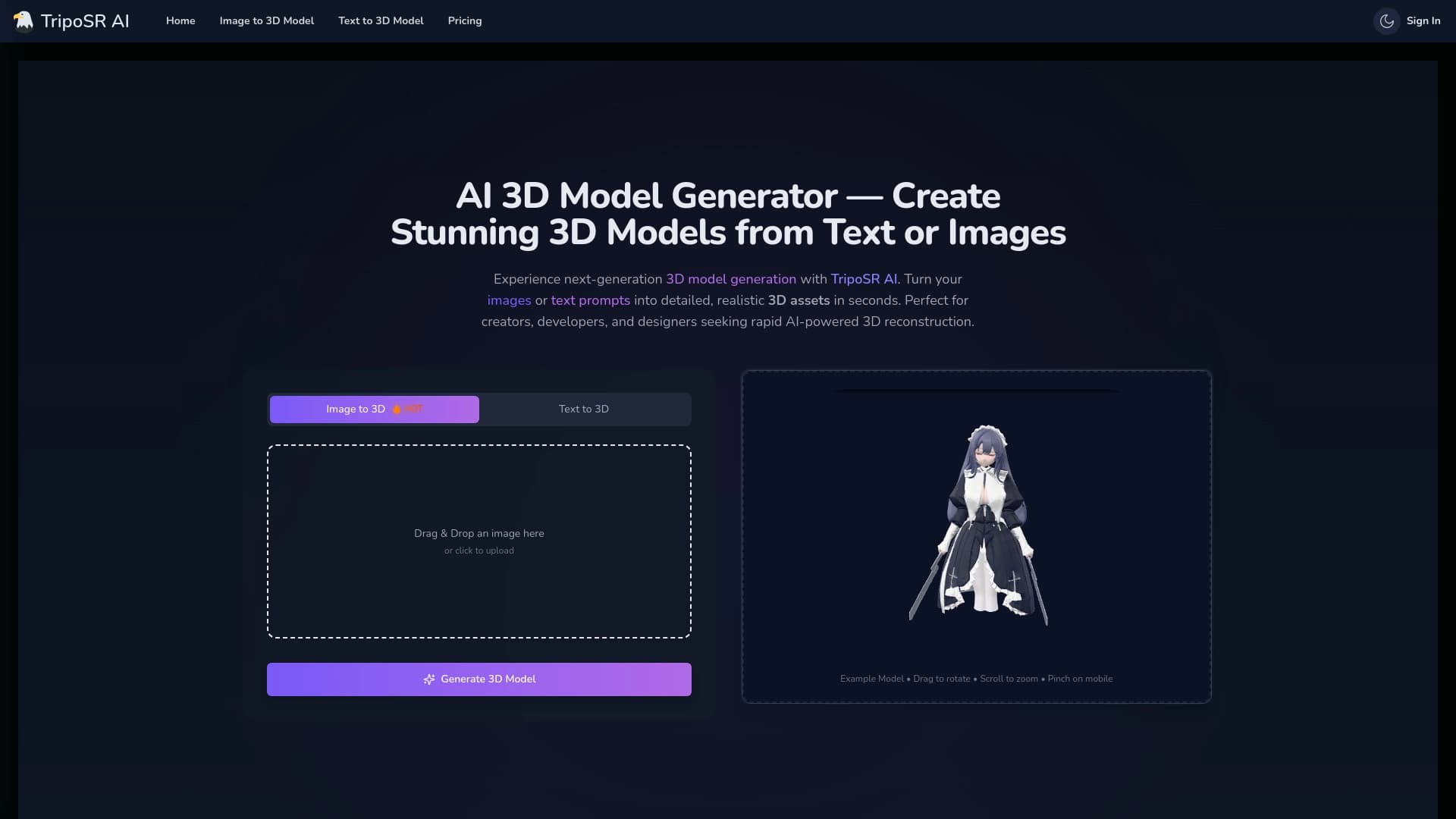

Open-source tool for quickly converting a single image into a 3D model.
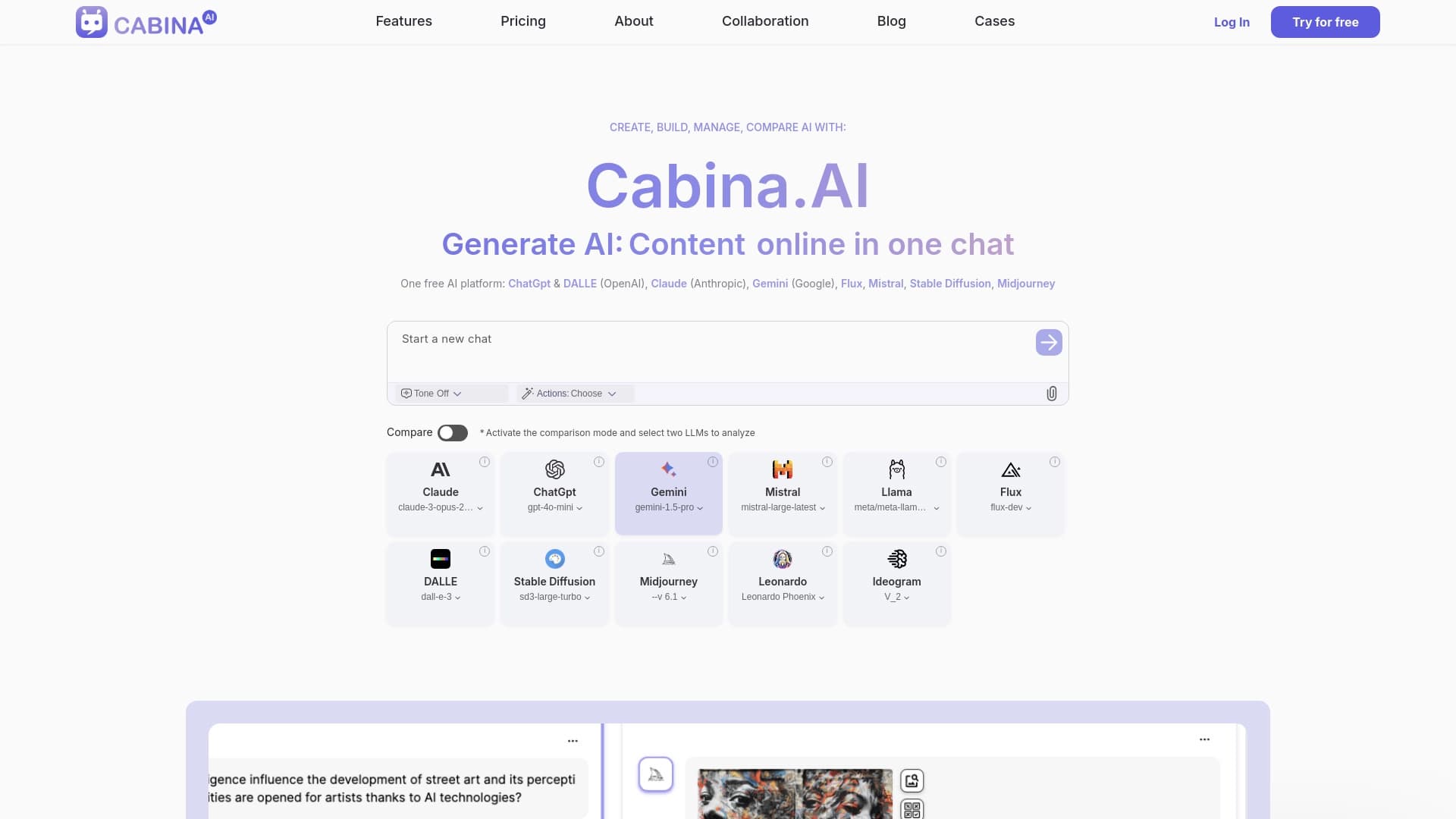
Cabina AI is a unified platform for working with various generative neural networks, enabling you to create texts, images, and videos.
AllChat is a universal platform that combines several popular language models in a single interface for communication, image generation, file analysis, and code execution.