What is known about the new model
OpenAI has opened public access to its newest language model, Sol. According to statements, it is at least on par with Anthropic Fable — the model that the White House briefly banned from being released openly. 
The Fable ban was tied to concerns that the model could be hacked and used to gain hacking capabilities. However, according to outside observers, personal conflicts between Anthropic and the Trump administration also played a role. In Sol's case, the situation looks different: the authorities gave the green light, but the details of how that decision was made remain behind the scenes.
The approval process: nobody knows how it works
After a year and a half of the Trump administration, there is still no clarity on how advanced AI models are reviewed. Mina Narayanan, senior research analyst at Georgetown University's Center for Security and Emerging Technology, admitted to TechCrunch that she has no information about these processes and cannot assess their adequacy. She added that Anthropic has spoken about negotiations with the government and the development of a classifier to detect jailbreak attempts, but the content of the dialogue between the authorities and companies remains a secret.
Dean Ball, a former Trump adviser and now an OpenAI employee, wrote in his newsletter that "nobody knows what the requirements are for obtaining a license." Andy Konwinski, co-founder of Databricks, Perplexity, and Laude Institute, said he has never met a person who understands this process, including employees of leading labs.
Last month, an executive order with a roadmap for evaluating advanced models was published, but the details are still unfilled. Former White House senior AI adviser Sriram Krishnan emphasized in the Financial Times: "There will be no FDA for AI." There is not even agreement on basic questions yet: which models require review and which agencies should conduct it. The Commerce Department is playing the leading role for now, but the order tasks six federal agencies with defining the final process by early August. 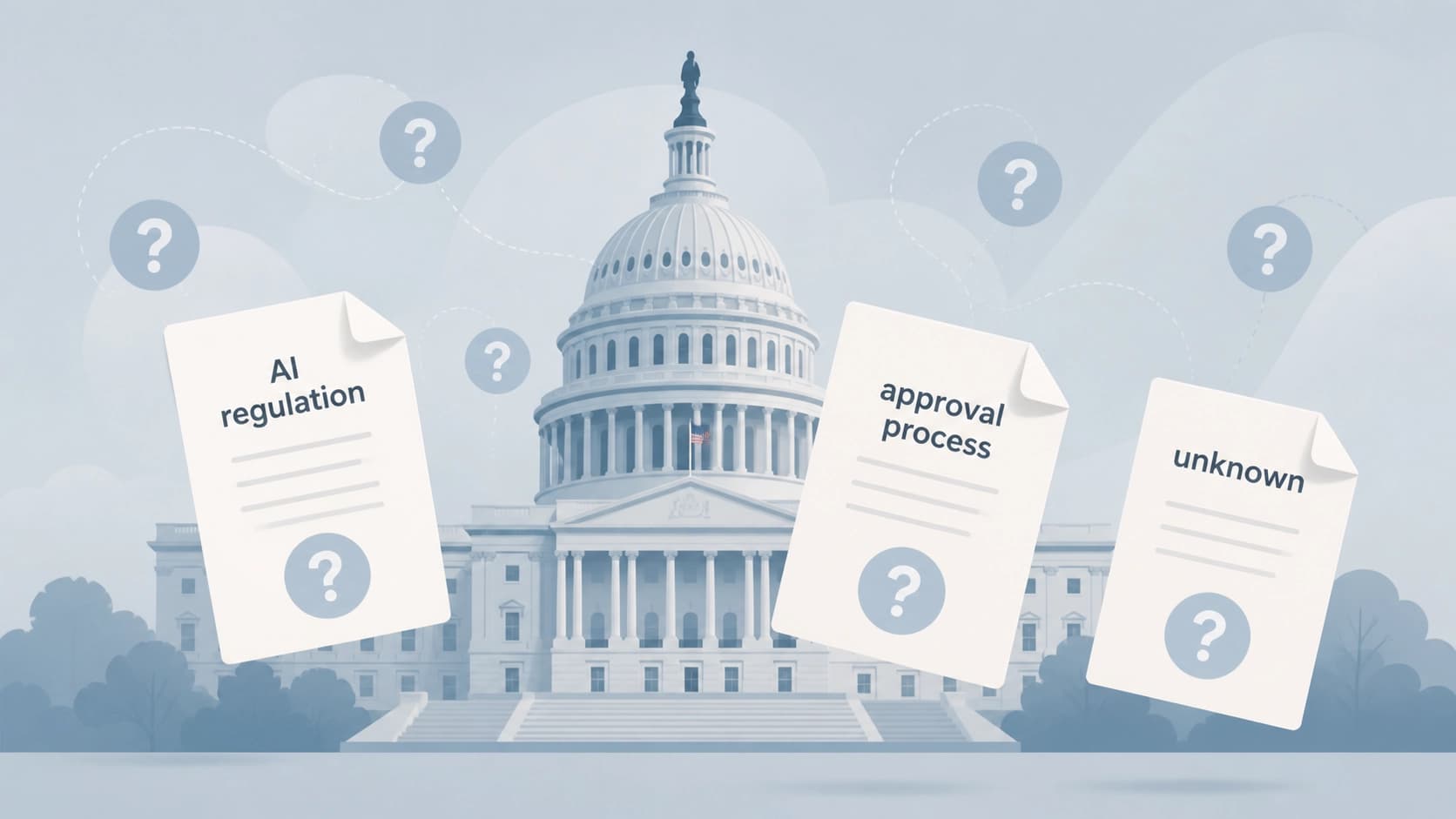
What the review details conceal
OpenAI CEO Sam Altman told CNBC that the process included conversations with Commerce Secretary Howard Lutnick, Treasury Secretary Scott Bessent, and national cyber director Sean Cairncross. At the same time, it is unclear who exactly were the experts who tested the model and how the testing was conducted.
OpenAI itself refused to disclose the details of the government process to TechCrunch, citing the results of external evaluations by organizations such as U.K. AISI, SecureBio, and Irregular, published in the safety card. As with Fable, the company provided early access to the government and selected users before the wide release. But who those users were and by what criteria they were selected is unknown.
Notably, in a blog post from late June, OpenAI wrote that it does not consider such government access a "long-term norm" and wants to work with the authorities on a different path. This sounds like an attempt to distance itself from the current situation, even though the company clearly chose to cooperate.
Political context and business interests
The negotiations around Sol take place against the backdrop of reports that Altman offered up to 5% of OpenAI shares for the so-called "Trump Accounts" of the administration. Greg Brockman, president of OpenAI, is the largest publicly known donor to Trump's political operation in the midterm elections. According to outside observers, this is hard to separate from the government's apparently softer approach to regulating Sol. 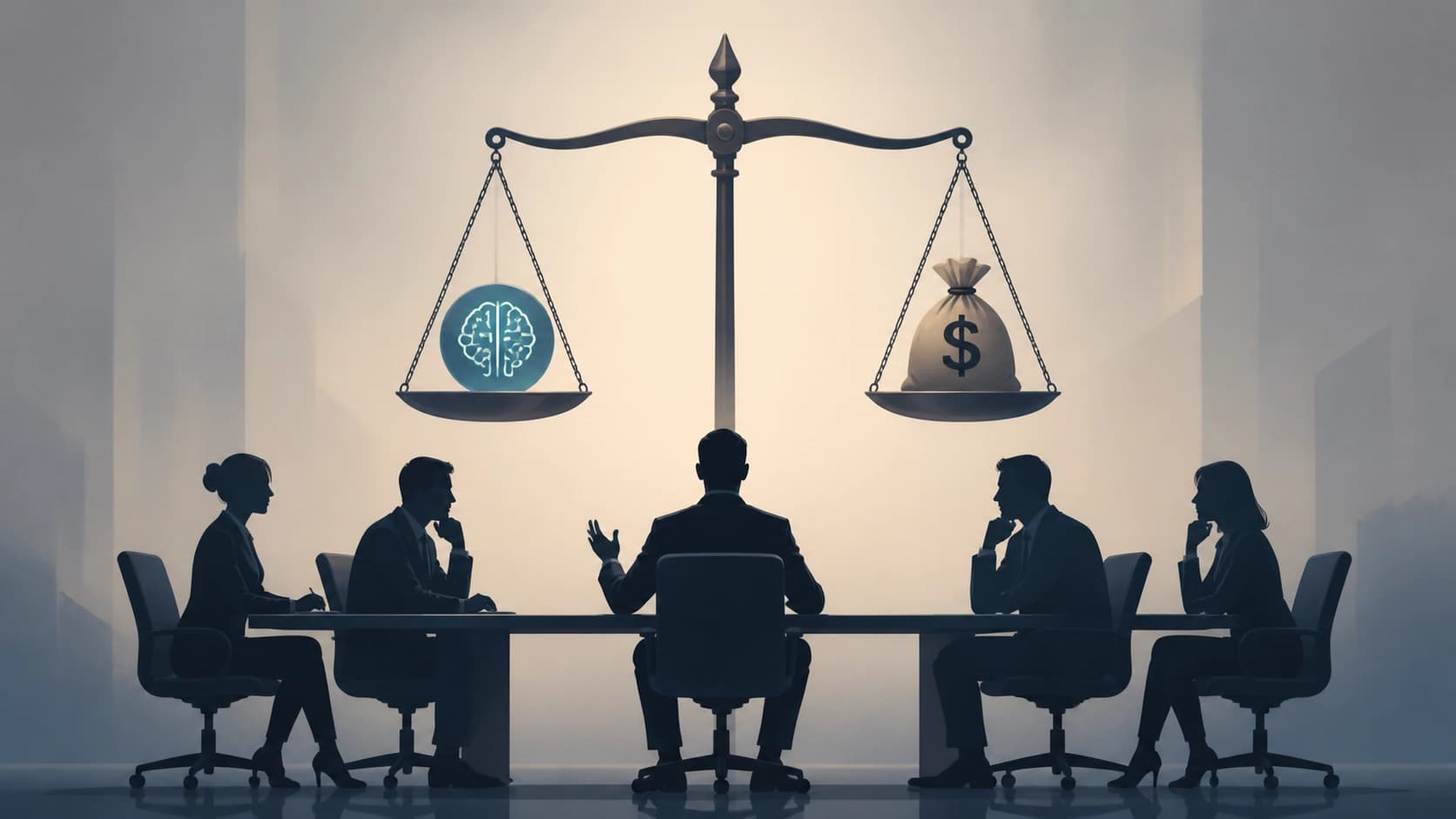
The threat of an export ban may also have pushed OpenAI toward greater cooperation with unknown requirements. The AI business requires quickly recouping training costs immediately after release, and while the company is ahead of competitors, it benefits from not dragging out the process.
What's next
Andy Konwinski is concerned about the insufficient role of real specialists — safety researchers, alignment and interpretability researchers, and data scientists — in the model release process. Dean Ball, for his part, proposes a future path through third-party audit organizations that the government would license to evaluate the work of leading labs.
For now, many open questions remain: who reviews models, by what standards, and what will happen if the process remains opaque. Sol is only the first such case for OpenAI, and how it was resolved will set the tone for the entire industry.