What happened
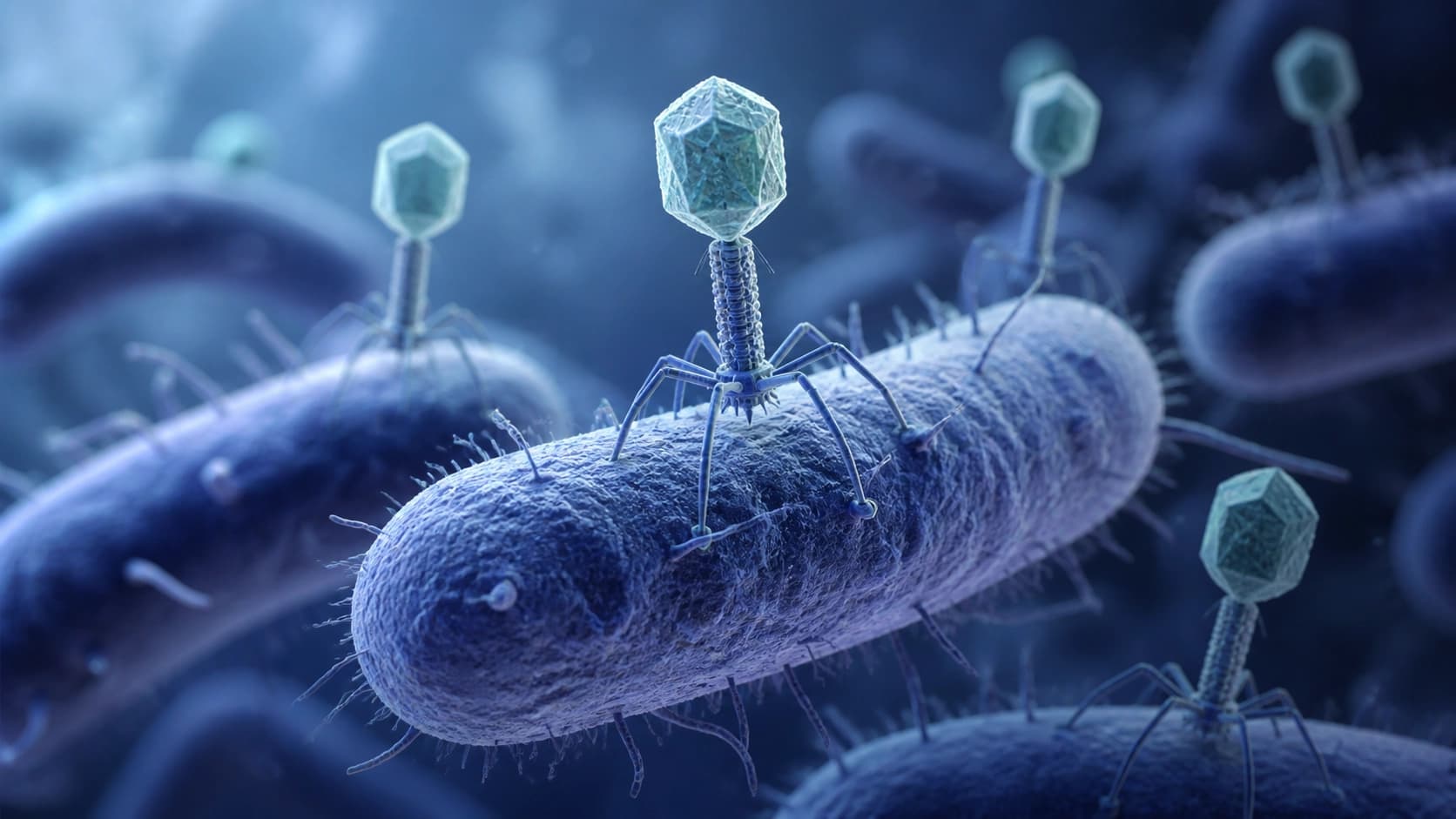
At Stanford, nearly 300 bacteriophages were created using the generative model Evo 2, and then 16 of them were selected that actively kill E. coli. The work was built around the phage ΦX174 (pronounced "phi-ex-one-seven-four"), which served as the basis for generating new DNA sequences. The project's authors are Brian Hie, assistant professor of chemical engineering and creator of the model, and graduate student Samuel King, who was responsible for the experiments.
How the model creates genomes
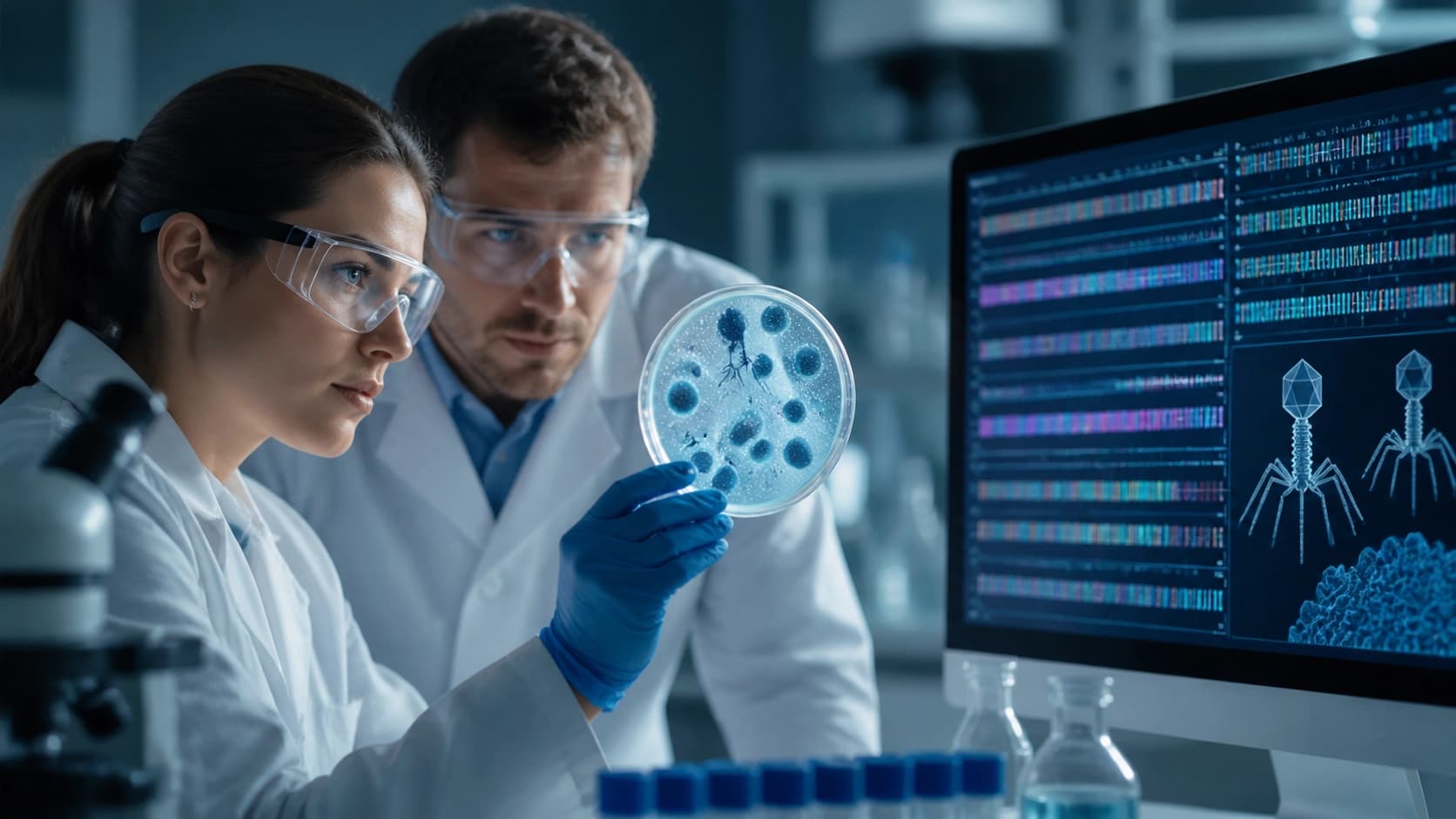
The Evo 2 model can extend DNA starting from a short fragment. The scientists asked it to generate the complete ΦX174 genome in a single pass — from left to right. This produced thousands of variants, from which sequences were then selected for synthesis and testing. The phage genome is small — fewer than 6,000 base pairs, compared to roughly three billion in humans. This makes it a convenient testing ground to see whether the model can create an entire viable virus, rather than merely propose local edits to existing DNA. Some of the generated phages even showed higher fitness in laboratory conditions than the original ΦX174.
Candidate selection
To avoid synthesizing every variant, Samuel King developed a computational pipeline that pre-screens genomes. First, the Evo 2 model generates a large number of candidates; then they are evaluated against characteristics taken from ΦX174 and related phages, and only the best ones are sent for chemical synthesis. The final stage is laboratory testing. According to Hie, this pipeline saved resources by focusing on the most promising variants.
Why a phage cocktail is needed
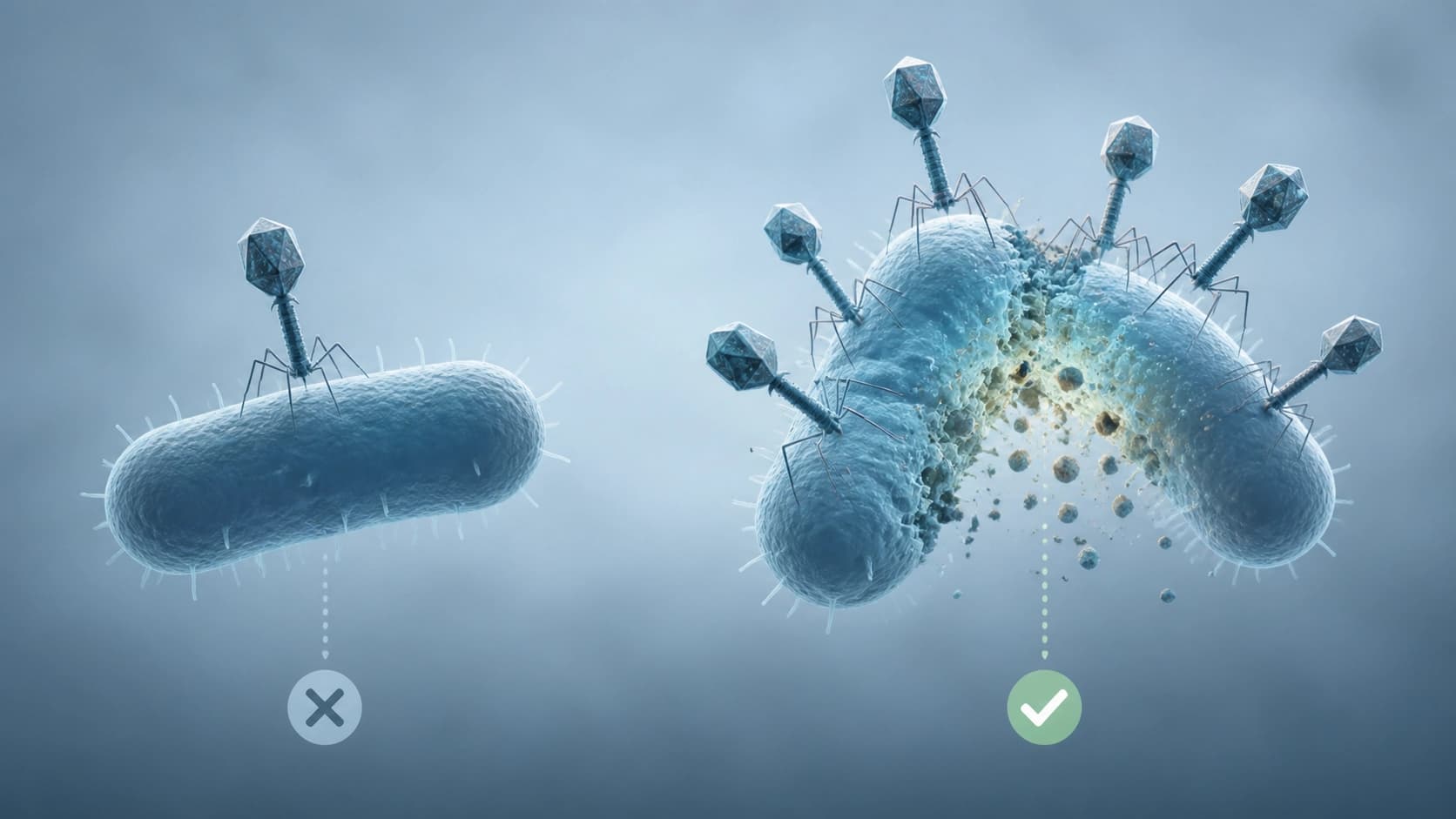
Bacteria gradually become accustomed to a single virus and stop responding to it. That is why the researchers immediately selected several different phages — a so-called cocktail. Tests confirmed that a mixture of 16 viruses quickly suppresses the growth of E. coli, including strains resistant to the original ΦX174.
What's next
The developers plan to adapt the approach to combat other dangerous bacteria, such as methicillin-resistant Staphylococcus aureus (MRSA) and Pseudomonas aeruginosa, which often causes hospital-acquired infections. Evo 2 is available as open-source software. Hie acknowledges that the model could be used for harm, but notes that obtaining natural pathogens is still easier than synthesizing new ones. In addition, AI systems can help respond quickly to natural pandemics and create defenses against biological threats.
In future versions, the model is expected to be trained to work with longer and more complex DNA sequences. Goals include small bacterial genomes that could serve as the basis for microorganisms producing chemicals, drugs, or fuel. The main open questions are how to increase genetic novelty and strengthen control over the generation output.