

Portkey
A platform for managing, monitoring, and deploying applications based on large language models.
Overview
Portkey
Description of the Portkey AI
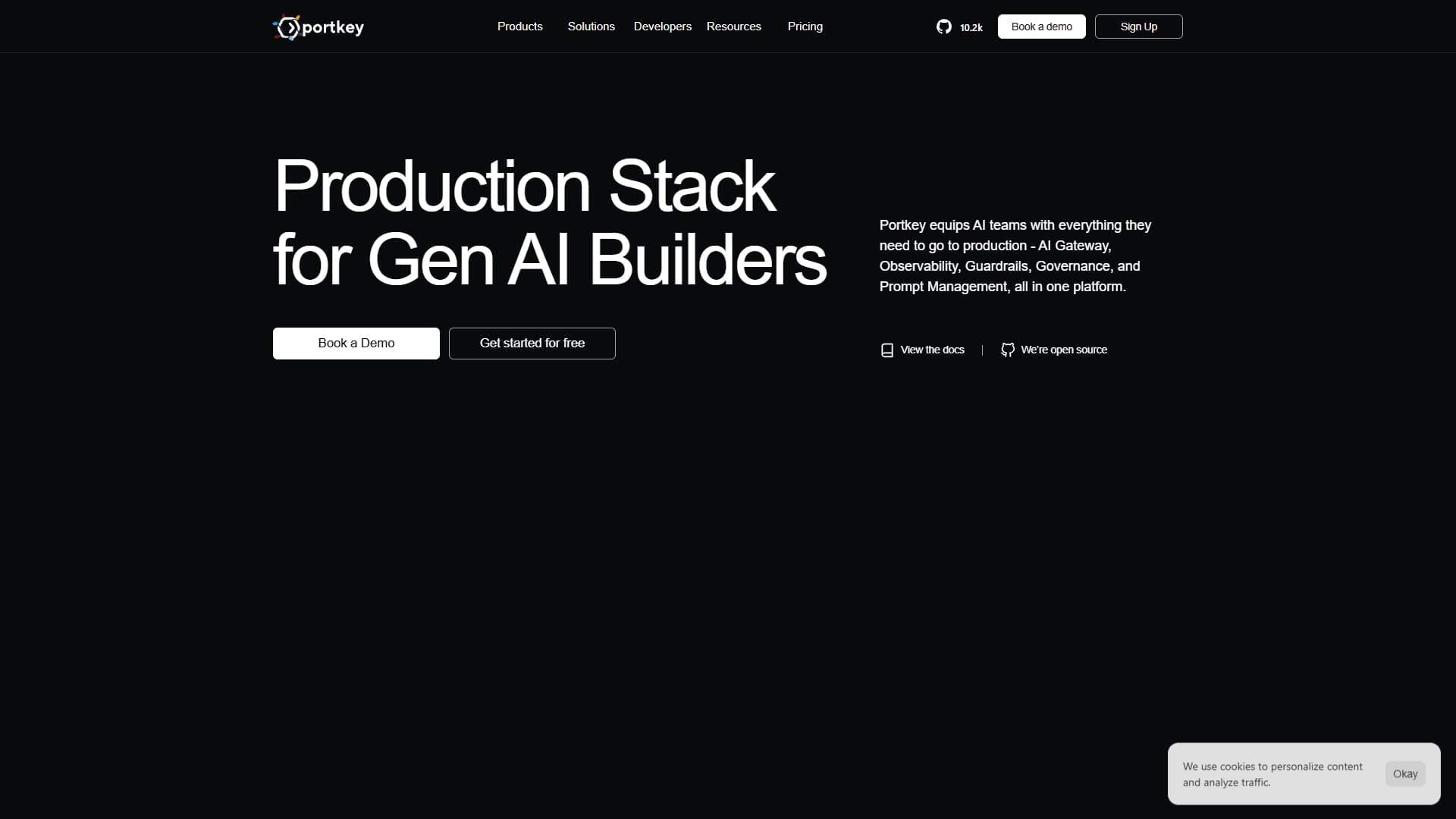
Portkey is a full-featured open-source LLMOps platform designed for developing, deploying, and monitoring generative AI applications. It combines a unified AI gateway, observability tools, guardrails, prompt management, and security controls—everything teams need for industrial-scale operation of solutions based on large language models. The platform integrates with more than 1,600 language models through a single API, allowing developers to avoid vendor lock-in and flexibly route requests.
Portkey features
| Feature | Value |
|---|---|
| Type | Platform for AI Gateway, monitoring, and guardrails |
| Categories | Logs and monitoring, API and integrations, For developers |
| Pricing model | Freemium |
| Free tier | Yes (Developer — free forever) |
| Platform | Web |
| Date added to catalogs | May 2024 |
| Developer | Portkey.ai |
| Website | portkey.ai |
Who is Portkey AI for?
AI solution developers
Portkey is primarily aimed at developers who build and maintain generative AI applications. The platform provides tools for rapid integration with various LLMs, prompt debugging, and performance monitoring directly from code.
Data scientists and ML engineers
Data specialists can use Portkey to experiment with different models, compare results, and collect metrics. Prompt versioning and an analytics dashboard help find the best configurations faster.
Product managers and technical leaders
For those responsible for bringing an AI product to production, Portkey offers a centralized dashboard for collecting user feedback, managing access, and controlling LLM usage costs.
Enterprise IT teams and startups
Large companies and startups can rely on enterprise-grade security (role-based access, PII redaction, private cloud) and platform scalability that handles millions of requests.
How to use Portkey AI?
Registration and setup
The first step is to register on the Portkey.ai website. The free plan does not require a credit card. After registration, you get access to the key management and model configuration interface.
Configuring AI models
Through the platform interface or API, you can set up connections to various LLM providers, define request routing rules, and configure caching and token limits. Portkey acts as a single gateway between your application and external models.
Deployment and monitoring
After configuration, the application is deployed through the platform. Real-time performance analytics, request logs, user feedback collection, and access management are then available. The collected data can be used to iteratively improve the application.
Key features of Portkey
AI Gateway
A unified gateway that simplifies integration with different LLM providers, centralizes request routing, and tracks token usage. Models for chat, text, audio, images, and vision are supported.
Real-time monitoring and observability
The platform tracks performance metrics, request logs, anomalies, and costs. This helps teams quickly find issues and optimize LLM usage.
Guardrails and AI governance
Built-in tools for implementing security policies, content filters, and compliance controls. Includes role-based access control (RBAC) and PII redaction.
Prompt management
Versioning, testing, and improving prompts without cluttering the codebase. A playground for experiments, templates, and variables let teams collaborate on prompts.
Feedback collection
A built-in feature for gathering user feedback, helping to evaluate model response quality and refine applications based on real data.
Portkey advantages
Comprehensive production stack
Portkey combines AI Gateway, observability, guardrails, governance, and prompt management in one place. Teams don't need to assemble a solution from disparate tools—everything is available on a single platform.
Access to 1600+ LLMs via a single API
Developers can connect and switch between hundreds of models without changing application code. This reduces dependence on a single provider and makes it possible to choose the best price-to-performance ratio.
Enterprise-grade monitoring and security
Real-time anomaly tracking, fast issue detection, and LLM cost optimization. Role-based access and PII redaction ensure data protection.
Open source and community
Portkey is an open-source project with an active community. The platform is used by more than 16,000 developers. It simplifies building and managing AI agents with a built-in MCP client.
Portkey disadvantages
No mobile app
At the time of writing, there is no information about a mobile app. All functionality is available only through the web interface.
Technical expertise required
Fully using all platform capabilities requires knowledge of development and working with APIs. Beginners may need time to learn the tools.
Limited community support channels
No official links to Discord or Telegram communities or Chrome extensions were found, although community support is available on the free tier.
What tasks does Portkey solve?
Simplified integration with different LLMs
Portkey eliminates the need to write separate integrations for each provider. A single API and request routing save developers time.
Monitoring and cost optimization
The platform lets you track token usage in real time, detect anomalies, and optimize LLM operating costs.
Security and quality control
Guardrails, content filters, and role-based access help implement security and compliance policies when using AI.
Organized prompt management
Versioning, templates, and prompt testing allow teams to work on prompts systematically without cluttering the codebase.
Deployment and support of AI applications
Portkey accelerates bringing AI products to production and ensures reliability through monitoring, feedback collection, and automated configuration management.
Portkey pricing
Portkey operates on a freemium model with three plans:
- Developer (free) — 10,000 recorded logs per month, AI Gateway, Universal API and key management, prompt management, routing, community support.
- Production ($49/month) — 100,000 recorded logs, access to Observability, Guardrails, advanced prompt management (unlimited templates, playground, versioning, variables), security (RBAC, service account API keys), Production support, simple and semantic caching. Additional $9 for every 100,000 requests above the limit.
- Enterprise (custom pricing) — from 10 million logs per month, customizable retention periods, custom Guardrails, advanced management (RBAC, SSO), private cloud deployment, VPC hosting, dedicated support.
Current pricing is available at portkey.ai/pricing.
Portkey terms of use
To get started, simply register on the website. The free plan does not require a credit card. The platform is available globally, as indicated by traffic geography (India, the US, Russia, the UK, Korea). Fully using the platform requires a certain level of technical knowledge of APIs and AI application development.
Portkey availability
Portkey is available as a web platform and does not require additional software installation. The service works globally; no VPN is required. Interface language and availability in specific regions are not specified, but analytics data show that the platform is used from India, the US, Russia, the UK, and Korea.
How Portkey differs from alternatives
Portkey positions itself as a comprehensive production stack combining functions usually found in separate tools. Unlike solutions such as Weights & Biases, MLflow, Pachyderm, Comet, and Seldon Deploy, Portkey offers not only monitoring and experiments but also a full-featured AI Gateway, guardrails, and prompt management in a single ecosystem. This makes the platform convenient for teams that want to minimize the number of third-party integrations and get everything needed for secure and scalable GenAI deployment.
Conclusion
Portkey is a production stack for teams developing GenAI solutions, combining key functions: a unified AI gateway, observability, guardrails, prompt management, and security controls. The platform supports more than 1,600 language models, offers a generous free tier, and provides enterprise-grade data protection. It suits both small startups and large organizations that need to bring AI applications to production securely, scalably, and efficiently.
Pricing
Frequently asked questions

See also
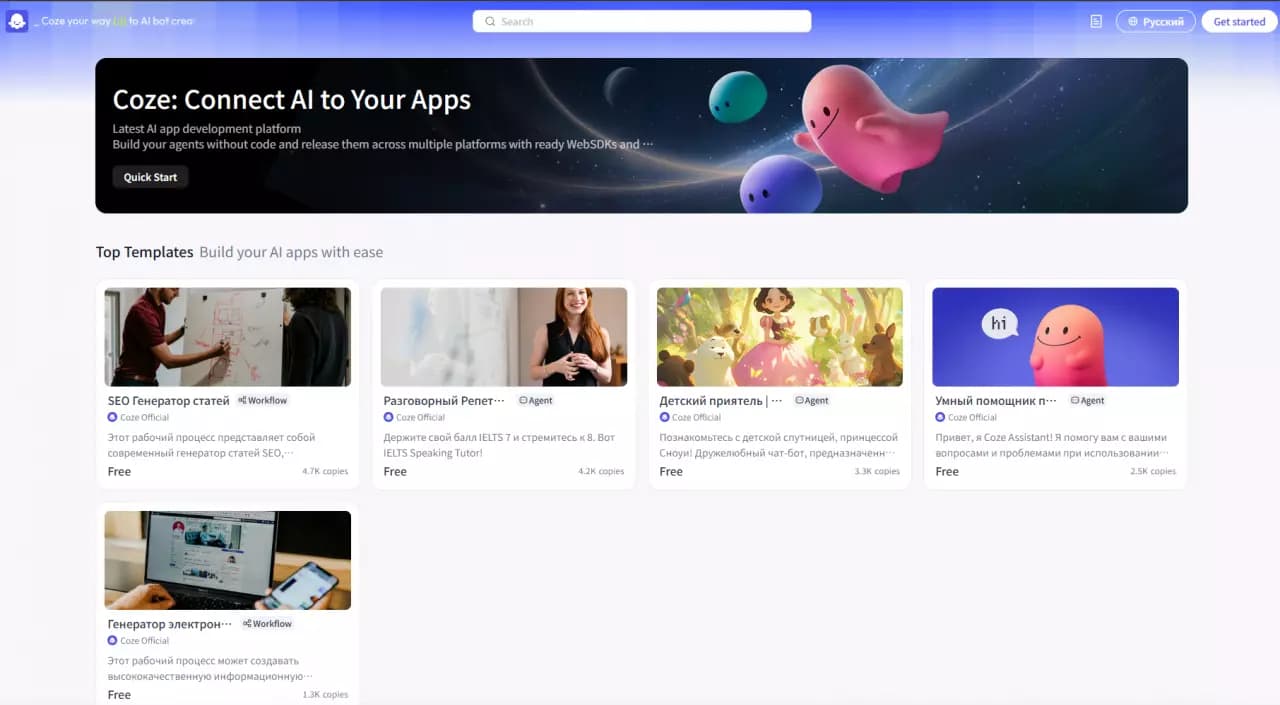

Platform for building AI chatbots with a visual builder that requires no coding skills.
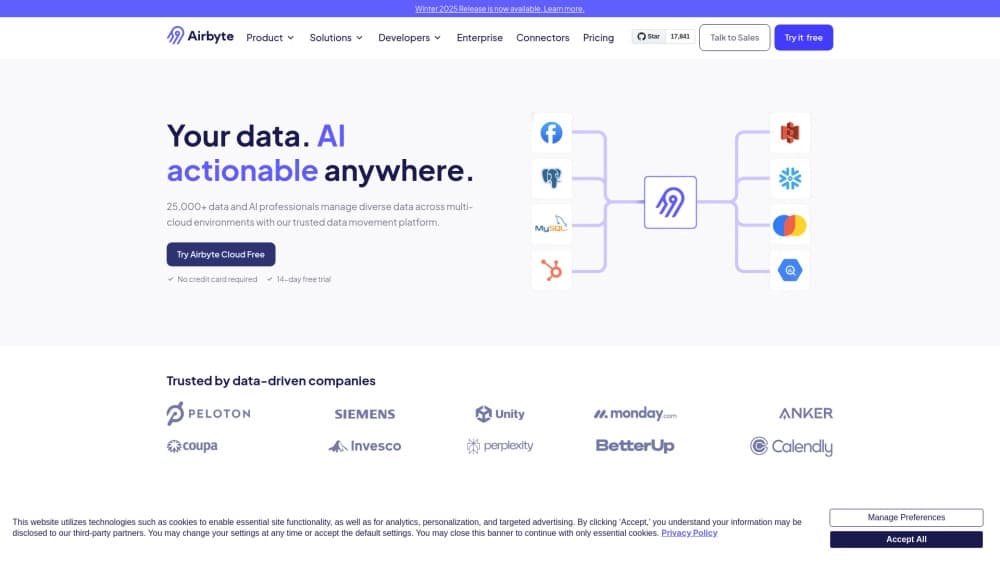
Open-source platform for integrating data from various sources into data warehouses and analytics systems.
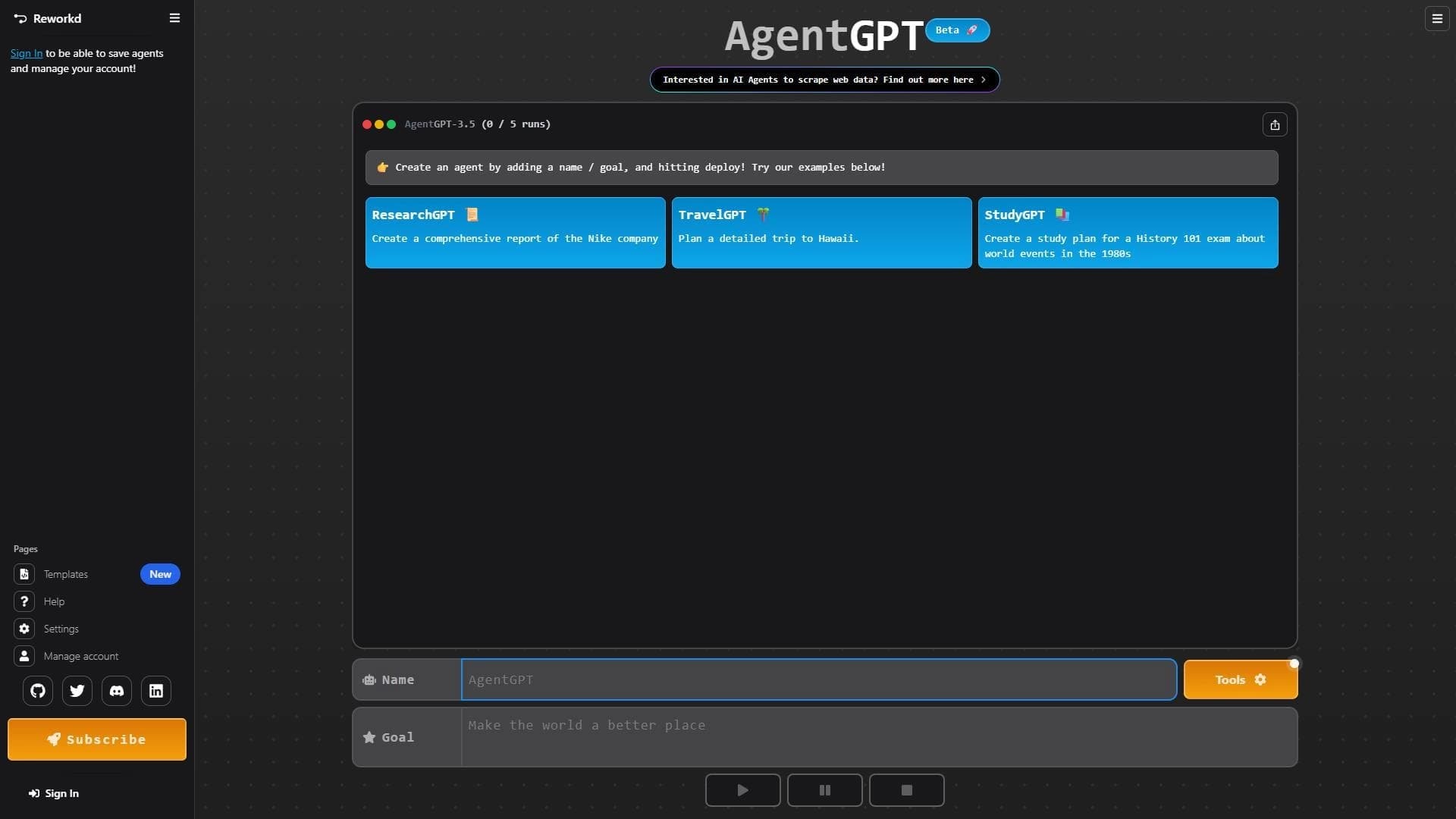

Platform for creating and launching autonomous AI agents that independently complete tasks on the internet.

Web interface for testing and prototyping based on Google's artificial intelligence models.
Enterprise language model platform focused on privacy and on-premise deployment.
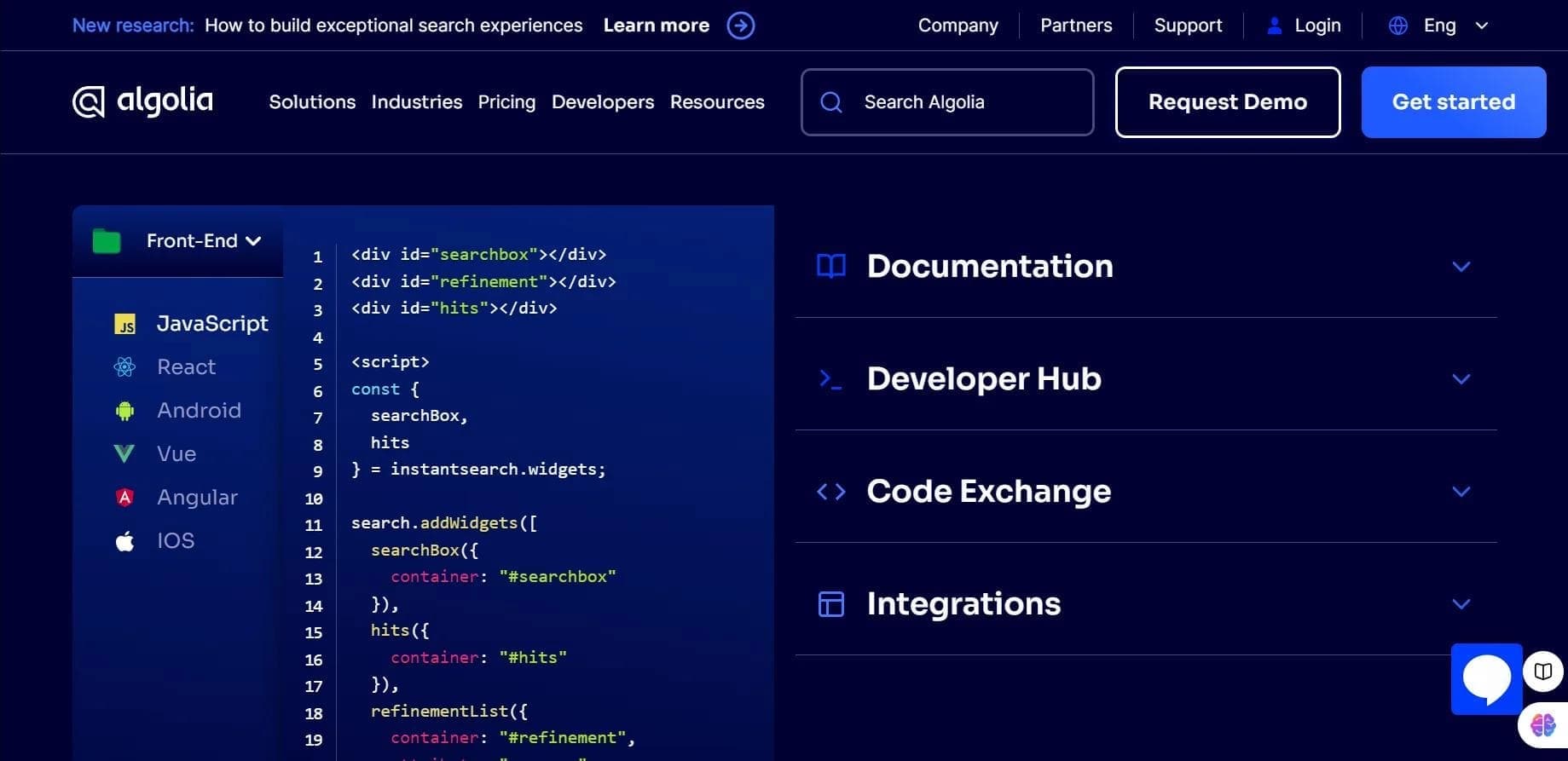

Algolia is a cloud search platform that helps add fast, relevant search with autocomplete and personalization to websites and apps.
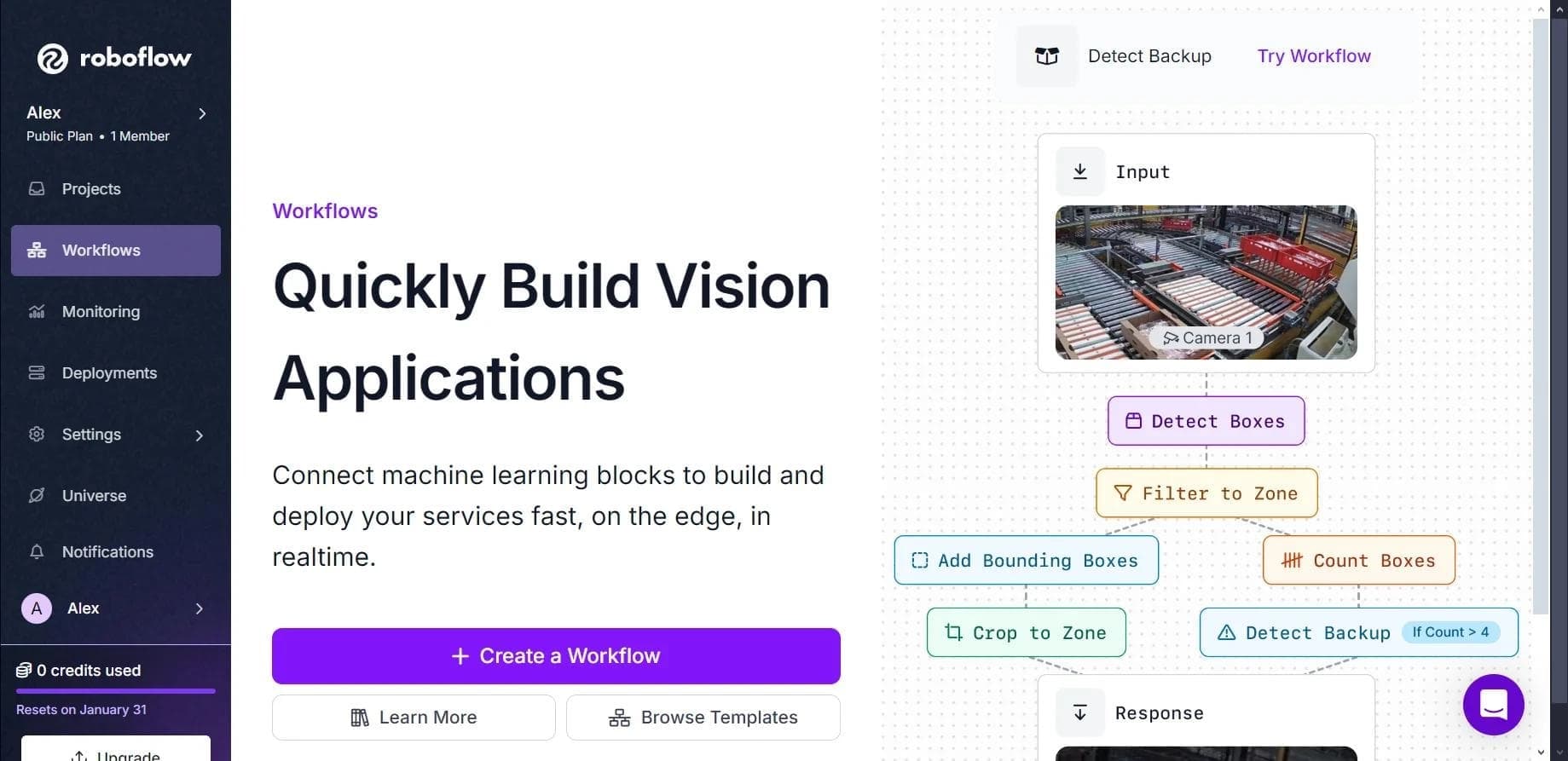

Platform for creating, training, and deploying computer vision models.

A workflow automation platform that connects thousands of apps without requiring coding.