
Gemini 2.5 Pro
Google's flagship multimodal model for complex reasoning tasks, code analysis, and working with large volumes of data.
Overview
Gemini 2.5 Pro
Description of Gemini 2.5 Pro
Gemini 2.5 Pro is Google’s flagship multimodal model designed to solve complex tasks that require deep reasoning, code analysis, and processing of heterogeneous data. The model can work simultaneously with text, images, video, and audio, and supports external function calling, structured data generation, and code execution.
A key feature of Gemini 2.5 Pro is its context window of up to 1 million tokens, which allows huge volumes of information to be processed in a single request. This makes the model especially effective for working with long documents, large codebases, and complex analytical tasks. Usage costs $1.25 per million input tokens.
Gemini 2.5 Pro specifications
| Characteristic | Value |
|---|---|
| Type | Multimodal |
| Context window | 1M tokens |
| Max input tokens | 1.0M |
| Max output tokens | 65.5K |
| Announcement date | May 20, 2025 |
| Last update | July 19, 2025 |
| Knowledge cutoff | January 31, 2025 |
| License | Proprietary |
| Average score | 69.6% |
Who is Gemini 2.5 Pro for?
Developers and engineers
The model is aimed at programmers who need a powerful tool for code analysis, debugging, refactoring, and automating development workflows. Strong results in programming benchmarks (SWE-Bench Verified: 63.2%) confirm its effectiveness in this area.
Researchers and data analysts
Gemini 2.5 Pro suits professionals working with large volumes of unstructured information — scientific papers, legal documents, and financial reports. The 1M token context window lets you load and process entire books or multi-volume documents in a single request.
Multimedia professionals
With support for images, video, and audio, the model is useful for tasks involving visual content analysis, transcription, content description, and information retrieval in media files.
How to use Gemini 2.5 Pro
Through the official Google API
The recommended way to access the model is through the Google API. Detailed documentation, code examples, and integration guides are available at ai.google.dev. The API lets you embed the model into your own applications, automate workflows, and customize generation parameters.
Key features of Gemini 2.5 Pro
Multimodality
The model supports input and processing of text, images, video, and audio. This makes it possible to solve tasks that require simultaneous analysis of information from different sources — for example, describing image content with textual context or finding fragments in a long video.
1M token context window
One of the key features is the ability to pass up to 1 million input tokens in a single request. This enables processing of large documents, codebases, and datasets without splitting them into parts.
Tool capabilities
Gemini 2.5 Pro supports function calling, structured output generation, code execution, web search, batch output, and fine-tuning. These capabilities make the model suitable for building complex agentic systems and automated pipelines.
Advantages of Gemini 2.5 Pro
Benchmark leadership
The model delivers some of the best results in widely recognized benchmarks: GPQA (83.0%) and AIME 2024 (92.0%) — demonstrating its ability to solve complex math and reasoning tasks.
High programming accuracy
On SWE-Bench Verified, the model scored 63.2%, making it one of the best tools for automating software development tasks.
Working with long documents
An MRCR score of 93.0% indicates high accuracy in extracting information from large text corpora — an important quality for analysts and researchers.
Disadvantages of Gemini 2.5 Pro
Weak results on specialized benchmarks
The model shows low results on ARC-AGI v2 (only 4.9%), which evaluates generalization and abstract reasoning. Its score on Humanity's Last Exam (17.8%) also significantly trails the leaders, pointing to limitations in tasks that require deep understanding at the level of human expertise.
High output token cost
Output tokens cost $10.00 per 1M tokens — 8 times more than input tokens. This limits scenarios with intensive generation of large volumes of text, such as writing extensive documents or long responses.
What tasks does Gemini 2.5 Pro solve?
Programming and development
Writing, analyzing, debugging, and refactoring code, as well as automating routine developer tasks. The high SWE-Bench Verified score confirms the model’s practical applicability in this area.
Logical reasoning and analysis
Solving math and logic problems, building chains of reasoning, and analyzing causal relationships. The model delivers excellent results on AIME 2024 and GPQA.
Working with multimedia
Processing and analyzing images, video, and audio files: object recognition, transcription, content description, and media search.
Processing long documents
Extracting and summarizing information from large documents — contracts, scientific articles, technical documentation, logs, and other text corpora.
Gemini 2.5 Pro pricing
Model usage is billed based on the volume of processed tokens:
- Input tokens: $1.25 per 1M tokens
- Output tokens: $10.00 per 1M tokens
The significant price difference between input and output makes the model cost-efficient for tasks that require processing large amounts of input data while generating relatively compact responses.
Terms of use for Gemini 2.5 Pro
The model is distributed under a proprietary license. Commercial use requires payment according to the rates for input and output tokens. Access is provided through the Google API, which implies compliance with Google Cloud terms of service and platform security policies.
Gemini 2.5 Pro availability
Gemini 2.5 Pro is available through the official Google API. Users can connect to the model directly through Google AI services. This makes Gemini 2.5 Pro accessible to a wide range of developers.
How Gemini 2.5 Pro differs from alternatives
1M token context window
Direct alternatives from Google include Gemini 1.5 Pro, Gemini 2.5 Pro Preview, Gemini 2.5 Flash, Gemini 2.0 Flash, Gemini 2.0 Flash-Lite, as well as newer Gemini 3 Pro, Gemini 3 Flash, and Gemini 3.1 Flash-Lite. Gemini 2.5 Pro stands out as the flagship model focused on maximum performance in complex reasoning and analysis tasks, with a context window that surpasses lighter versions (Flash, Flash-Lite).
Performance-cost balance
Compared with lower-tier 2.5 models such as Gemini 2.5 Flash, the Pro version offers higher benchmark results but also higher token costs. Compared with older models (Gemini 1.5 Pro, Gemini 2.0 Flash), Gemini 2.5 Pro features an updated knowledge cutoff (January 2025) and an improved reasoning architecture.
Conclusion
Gemini 2.5 Pro is Google’s most intelligent model at the time of its announcement (May 2025), aimed at agentic scenarios and multimodal tasks. It delivers strong results in programming, math, and reasoning benchmarks and offers a huge 1M token context window, but it has weak results on some specialized benchmarks such as ARC-AGI v2 and Humanity's Last Exam. The model represents a balanced solution for developers and researchers who need a powerful tool for working with large data volumes and complex logical tasks.
Frequently asked questions

See also
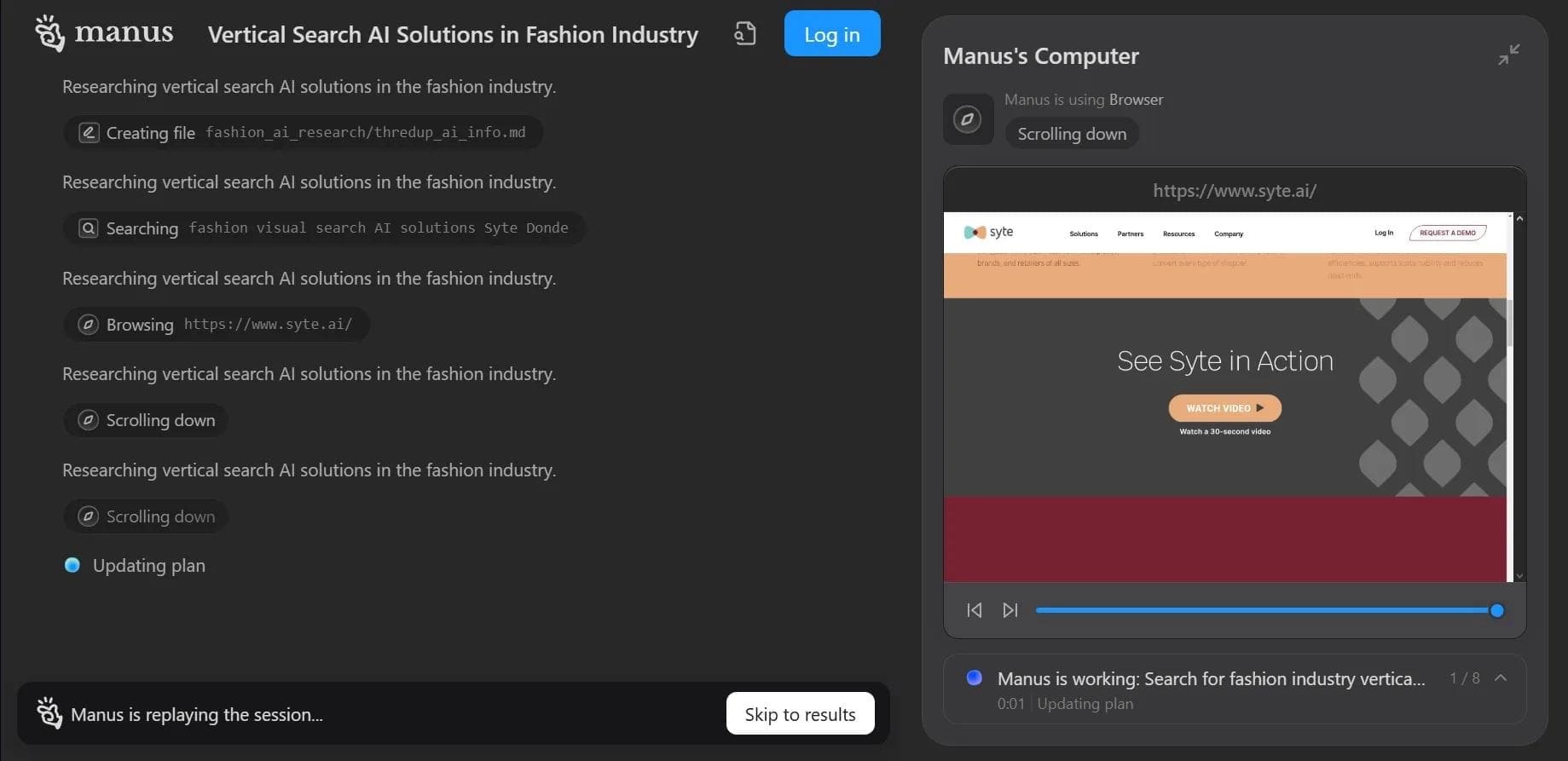

Autonomous cloud-based AI agent that independently plans and executes complex multi-step tasks based on a textual description of the goal.
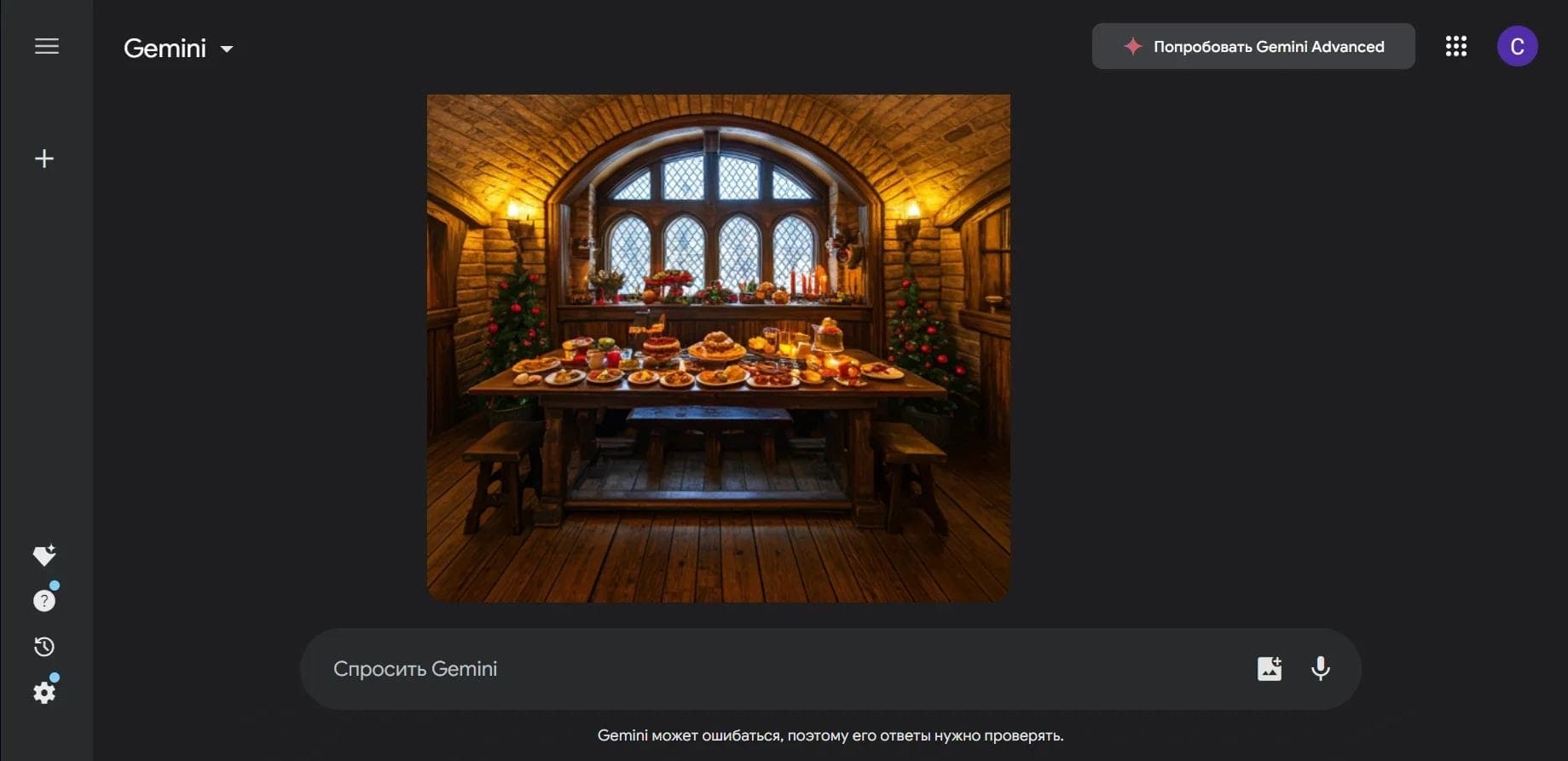

Multimodal neural network from Google that processes text, images, code, and audio in a conversational format.
An open-source desktop AI agent that stores conversation history in a local knowledge base and automatically pulls relevant context into new discussions.

A set of built-in AI features in the Figma editor for automating routine designer tasks.
A service that translates legal documents from professional legal language into plain, easy-to-understand text.
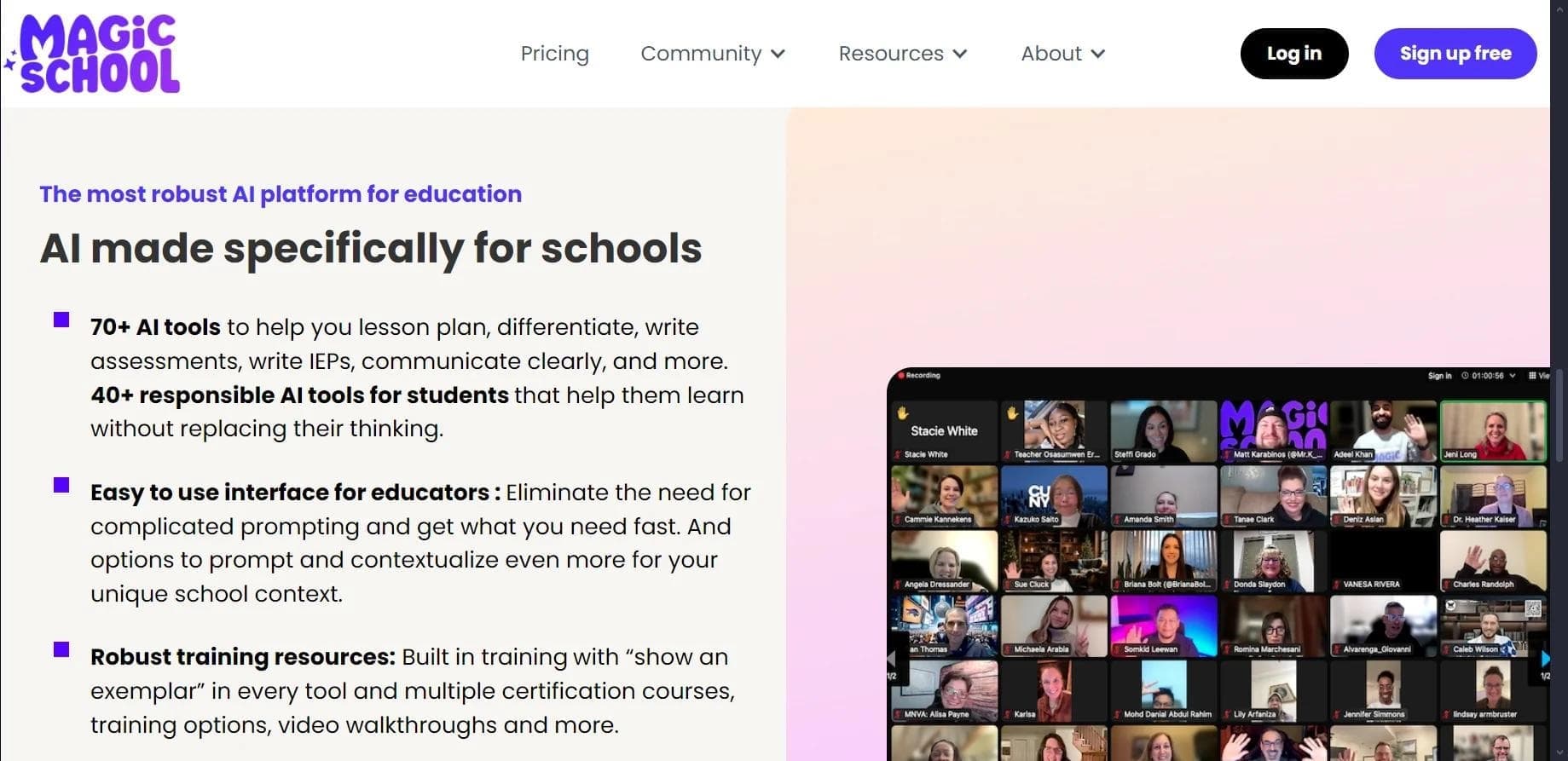

AI platform for automating educational tasks for teachers and students.

A community for daily discovery and discussion of new technology products.
AI tool for rapid data visualization via OpenAI API, transforming heterogeneous datasets into detailed graphical representations.