
Gemini 3 Flash
Google's fast frontier model with Agentic Vision for agentic tasks and multimodal analysis.

Overview
Gemini 3 Flash
Description of the Gemini 3 Flash neural network
Gemini 3 Flash Preview is a fast frontier model from Google, designed for solving agentic tasks and multimodal analysis. The model's main innovation is Agentic Vision technology, which significantly improves understanding of images, screenshots, and spatial relationships between objects. This capability is critical for autonomous applications that must independently interpret visual information and make decisions based on it.
In addition to visual improvements, the model gained enhanced capabilities in programming and multimodal data processing — text, images, audio, and video. Gemini 3 Flash offers a balanced combination of performance, speed, and cost efficiency, making it an attractive option for developers building agentic applications.
Gemini 3 Flash specifications
| Specification | Value |
|---|---|
| Type | Frontier model |
| Category | Multimodal AI model |
| Developer | |
| Name | Gemini 3 Flash Preview |
| Key innovation | Agentic Vision (improved visual and spatial reasoning) |
| Supported data types | Text, images, audio, video |
| API availability | Gemini API, Vertex AI, AI Studio |
| Model identifier | gemini-3-flash-preview |
| Free period | Until January 5, 2026 |
| Billing starts | From January 5, 2026 |
Who is the Gemini 3 Flash neural network suitable for?
Developers of agentic applications
The model is primarily aimed at developers who need a fast and cost-effective model for building agentic systems. It is ideal for projects where AI agents must independently plan actions, execute code, and verify results.
Visual analysis specialists
Developers whose applications work with visual content — screenshots, diagrams, and user interfaces — will benefit the most from Agentic Vision. This technology allows the model to interpret visual scenes and spatial relationships between objects more accurately.
Teams working with multimodal data
Gemini 3 Flash is suitable for those who process not only text but also images, audio, and video within a single solution. The model lets you combine different data types without the need to use multiple specialized tools.
How to use the Gemini 3 Flash neural network?
Access via API
The model is available through Gemini API, Vertex AI, and AI Studio under the identifier gemini-3-flash-preview. Developers can integrate it into their applications directly via API requests using standard Google Cloud authentication methods.
Using aliases
For developers using latest aliases in their projects, Google has updated the gemini-flash-latest alias, which now points to the Gemini 3 Flash Preview model. This simplifies migration from previous versions — you just need to switch to the current alias without changing the rest of your code logic.
Documentation and examples
Detailed documentation, code examples, and integration guides are available on the ai.google.dev portal. There you can find examples of using both the model's basic and agentic capabilities, including working with multimodal data and Computer Use.
Key features of Gemini 3 Flash
Agentic Vision
The model's key feature is Agentic Vision technology, which delivers improved visual and spatial reasoning. The model can analyze images, screenshots, diagrams, and interfaces, understanding not only individual objects but also their relative positions and relationships.
Agentic coding capabilities
Gemini 3 Flash offers agentic coding capabilities at the level of top frontier models. It can autonomously plan tasks, write code, execute it, and verify results, making it an effective tool for automating development.
Multimodal processing
The model supports simultaneous work with text, images, audio, and video. It can generate multimodal responses, handle functions with visual content, and execute code that works with images.
Computer Use
The Computer Use feature (available in preview mode) is designed for full-fledged agentic development. It allows the model to interact with computer interfaces the way a human does — see the screen, understand controls, and perform actions.
Advantages of Gemini 3 Flash
High speed and cost efficiency
The model delivers performance comparable to larger models at significantly lower latency and lower cost. This makes it a good choice for tasks where response time and budget matter.
Improved visual understanding
Agentic Vision gives the model an edge in analyzing visual data — from simple images to complex multi-layer diagrams and user interfaces. The model's spatial reasoning allows it to interpret the arrangement and relationships of objects more accurately.
Reliable agentic capabilities
Gemini 3 Flash demonstrates stable performance in agentic scenarios, including autonomous coding, planning, and execution of multi-step tasks. At the same time, the model maintains low latency compared with the Pro version.
Disadvantages of Gemini 3 Flash
Limited free period
Free access to the model is available only until January 5, 2026. After this date, billing will begin, and usage costs could become a significant factor for long-term projects. Specific pricing after billing starts has not yet been announced.
Limited availability of Computer Use
Computer Use, despite being useful for agentic development, is available only in preview mode. This means it may have limitations in stability and functionality, and it is not recommended for use in critical production environments without additional testing.
What tasks does Gemini 3 Flash solve
Agentic tasks with visual content
The model effectively handles tasks related to analyzing screenshots, diagrams, and user interfaces. It can independently interpret visual information and make decisions based on it within autonomous agentic scenarios.
Autonomous coding
Gemini 3 Flash can handle the full development cycle: from planning architecture and writing code to executing it, testing, and fixing errors. This makes it possible to automate a significant portion of routine programming tasks.
Multimodal analysis
The model handles comprehensive analysis of data of different types — text, images, audio, and video. It can extract information from documents, analyze complex visual scenes, and combine data from various sources in a single request.
Gemini 3 Flash pricing
The model is available for free until January 5, 2026. After this date, billing will begin. Specific pricing after billing starts has not yet been announced. It is recommended to follow updates on Google's official resources for up-to-date pricing information.
Terms of use for Gemini 3 Flash
Using the model requires access to the Gemini API, Vertex AI, or AI Studio. Specific registration and usage terms are not detailed on Google's official pages. Developers are advised to review the user agreement of the selected service before getting started.
Gemini 3 Flash availability
The model is available through Gemini API, Vertex AI, and AI Studio. Google services for working with APIs may require foreign payment cards and the use of a VPN in some regions. For developers in regions with limited access, there are alternative intermediary services that offer access to the model without additional requirements.
How Gemini 3 Flash differs from alternatives
Comparison with Gemini 2.5 Flash
Compared with the previous version, Gemini 3 Flash shows improvements across all key areas: visual understanding is more accurate, agentic capabilities are more reliable, and coding quality is higher. The third version adds full support for multimodal functions and execution of code with image processing, which was not available in previous versions.
Difference from Pro versions
The Flash version of the model offers higher speed and cost efficiency than Gemini 3 Pro. For maximum reasoning quality and complex analytical tasks, Gemini 3 Pro or the Deep Think mode is recommended, while the Flash version is better suited for scenarios where response speed and low cost matter most.
Conclusion
Gemini 3 Flash Preview is a fast and cost-effective frontier model from Google with the flagship innovation Agentic Vision and improved agentic coding capabilities. It is aimed at developers building agentic applications with visual content and offers a balanced combination of speed, quality, and cost when solving multimodal tasks.
Frequently asked questions
Similar AI tools
See also

Platform for organizing live chat and communicating with website visitors, offering a free chat widget for customer support.
A customer support automation platform that analyzes inquiries and helps operators respond faster.


Web service for generating images from text descriptions and communicating with virtual characters.

AI agent for assisting with programming and optimizing the development workflow.
AI business name generator with domain availability checking.
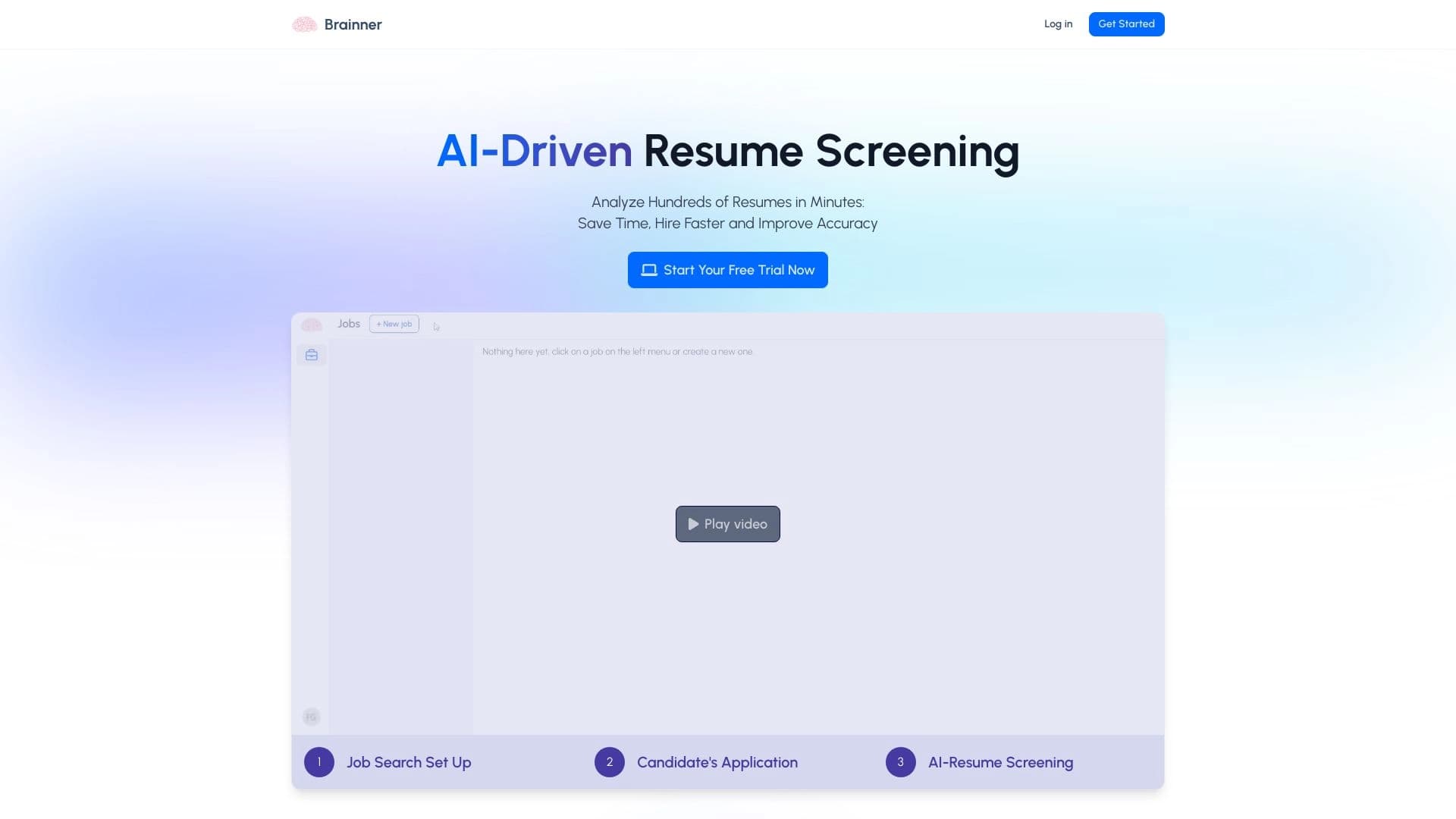
AI platform for fast resume screening that helps recruiters select suitable candidates.

A multifunctional AI assistant for chat, text and image generation, translation, and programming help.
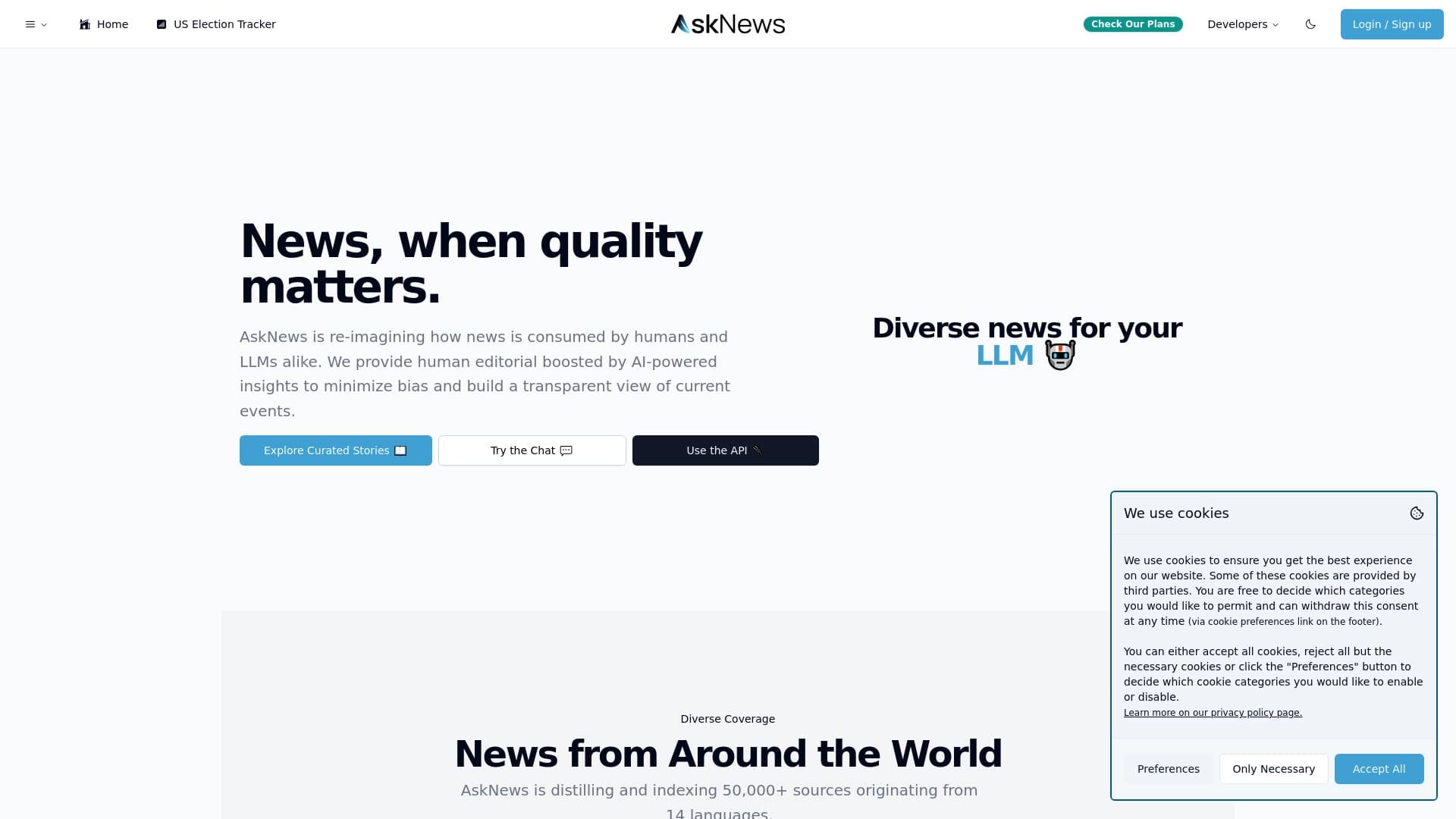
A platform for aggregating world news using AI to analyze and reduce bias.