
DataRobot
A platform for automating machine learning and deploying AI models in business processes.
Overview
DataRobot
Description of the DataRobot AI Platform
DataRobot is a platform for automating machine learning and artificial intelligence, designed for building, deploying, and managing AI models in business processes. The service covers the full data lifecycle: from loading and preprocessing to creating models, putting them into production, and subsequent monitoring. The platform supports both traditional machine learning methods and generative AI and predictive analytics, allowing companies to use artificial intelligence without needing their own team of data scientists.
DataRobot combines tools for quickly assessing data quality, automatic feature generation, building, and optimizing models, and also includes an AI Governance system to ensure transparency and compliance with corporate requirements.
DataRobot Characteristics
| Characteristic | Value |
|---|---|
| Type | Platform for comprehensive generative and predictive AI solutions |
| Categories | Process Automation, Business, AI Development Tools |
| Developer | DataRobot, Inc. |
| Business model | Paid (free tier available) |
| Monthly visits | 2.2M |
| Publication date | 08-06-2025 |
Who Is DataRobot Suitable For?
Companies without their own data science team
DataRobot is primarily aimed at organizations that want to integrate artificial intelligence into their business processes but do not have the resources or the need to maintain a full team of data specialists. The platform handles most of the work involved in data preparation, model building, and optimization.
Businesses across different industries
The platform is suitable for companies in finance, manufacturing, healthcare, energy, and other fields where automated data analysis and forecasting are required. DataRobot makes it possible to solve standard tasks with ready-made solutions and to create custom models for specific business needs.
Individual users and small projects
Thanks to the free basic tier, the platform is accessible to individual users and small projects that are just starting to explore machine learning and want to test automation capabilities.
How to Use DataRobot?
Loading and preparing data
To get started, you need to load data into the platform. DataRobot automatically checks data quality, detects missing values, anomalies, and other issues. The service then suggests generating new features (feature engineering) and connecting them to feature stores—all in a few clicks.
Building and selecting models
After data preparation, users can run generation of different model variants on tables, texts, and images. The platform automatically tests algorithms, selects the optimal strategy, and presents the results for analysis. The user only needs to choose the right model and put it into practice.
Monitoring and management
DataRobot automatically tracks model accuracy and performance in real time. The AI Governance system ensures model transparency and compliance with corporate requirements. Deployments can be made either in the cloud or on local servers.
Key DataRobot Features
Data connection and quality assessment
The platform allows users to connect data from various sources and quickly assess its quality. DataRobot automatically identifies data issues, helping to avoid errors during model building.
Feature generation and model building
DataRobot offers tools for creating new features and connecting to feature stores in just a few clicks. The service automatically builds and optimizes machine learning models, supporting both traditional methods and generative AI.
Deployment and monitoring
The platform supports deploying models into production, integrating them with popular business tools, and continuously monitoring accuracy and performance. DataRobot also provides tools for analyzing the return on investment from AI solutions.
AI Governance
The AI model governance system ensures transparency of model operations and compliance with corporate requirements. This allows businesses to meet regulatory standards and manage risks associated with the use of artificial intelligence.
DataRobot Advantages
Full AI lifecycle automation
The entire process of creating and deploying AI solutions is automated—from data loading to model deployment and performance monitoring. This significantly reduces the time and resources needed to bring artificial intelligence into a business.
High accuracy and online monitoring
Models built with DataRobot deliver high accuracy. Their performance can be monitored in real time, making it possible to quickly detect deviations and take corrective action.
Flexible deployment
Ready-made DataRobot solutions are easy to deploy and integrate for a wide range of tasks—both in cloud infrastructure and on local servers. The platform supports integration with popular business tools, making AI adoption smooth and less time-consuming.
DataRobot Disadvantages
High cost
DataRobot is a paid service, and for small companies its cost can be significant. In addition to the monthly subscription for the professional or enterprise tier, there may be extra expenses for employee training and technical support.
Data quality requirements
The platform requires well-prepared data—raw and unprocessed information leads to poor results. Users need to pay attention to cleaning and structuring data before uploading it.
Limited customization flexibility
DataRobot lacks flexibility for deeply customizing unique or complex models. The platform is focused on automating standard processes, which can be a drawback for specialists who need fine-tuned algorithm configuration.
What Problems Does DataRobot Solve?
Finance and insurance
In the financial sector, DataRobot is used for risk assessment, fraud detection, and cash flow forecasting. The platform helps automate credit application analysis, detect suspicious transactions, and forecast financial metrics.
Industry and manufacturing
In manufacturing, DataRobot is used to optimize production processes, monitor equipment, and prevent breakdowns. Predictive maintenance helps identify failures in advance and reduce repair costs.
Healthcare
In medicine, the platform is used to predict patient risks, automate the analysis of medical images, and forecast treatment outcomes. DataRobot helps process large volumes of medical data and improve diagnostic accuracy.
Energy
In the energy sector, DataRobot addresses tasks such as optimizing resource consumption and forecasting demand. The platform enables analysis of energy consumption data and the creation of forecasts for efficient resource management.
DataRobot Pricing
DataRobot offers several pricing plans. The basic tier is free for individual users and small projects. The Professional plan is available via a paid monthly subscription and includes advanced features for teams and businesses. The Enterprise plan, with maximum capabilities and support for large organizations, is available on request—the exact price is calculated individually.
DataRobot Terms of Use
The platform uses a paid model, but a free basic tier is available to get started. Users can upload data, check its quality, create new features, and run model generation without initial investment. Access to advanced features and team capabilities requires upgrading to the Professional or Enterprise plan.
DataRobot Availability
DataRobot is available as a web service with about 2.2 million monthly visits. The platform supports cloud infrastructure and can also be deployed on local servers. DataRobot integrates with popular business tools, allowing developed models to be embedded into existing company workflows.
How DataRobot Differs from Alternatives
A comprehensive approach to automation
Unlike many tools that focus on individual stages of data work or code generation, DataRobot covers the full AI model lifecycle: from data loading and preprocessing to production deployment and continuous monitoring. The platform combines capabilities that are often spread across different services in alternative solutions.
No need for a data science team
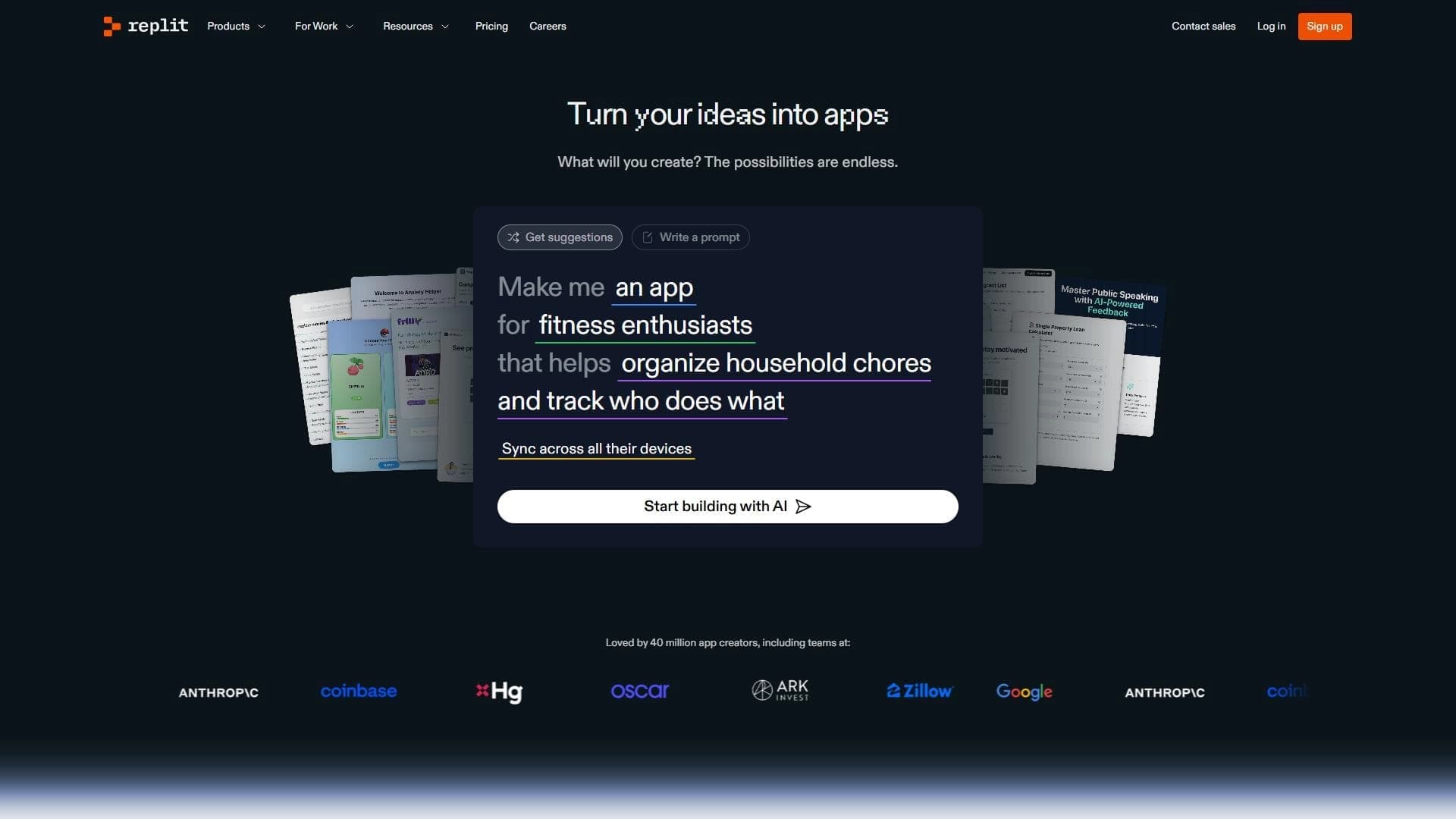
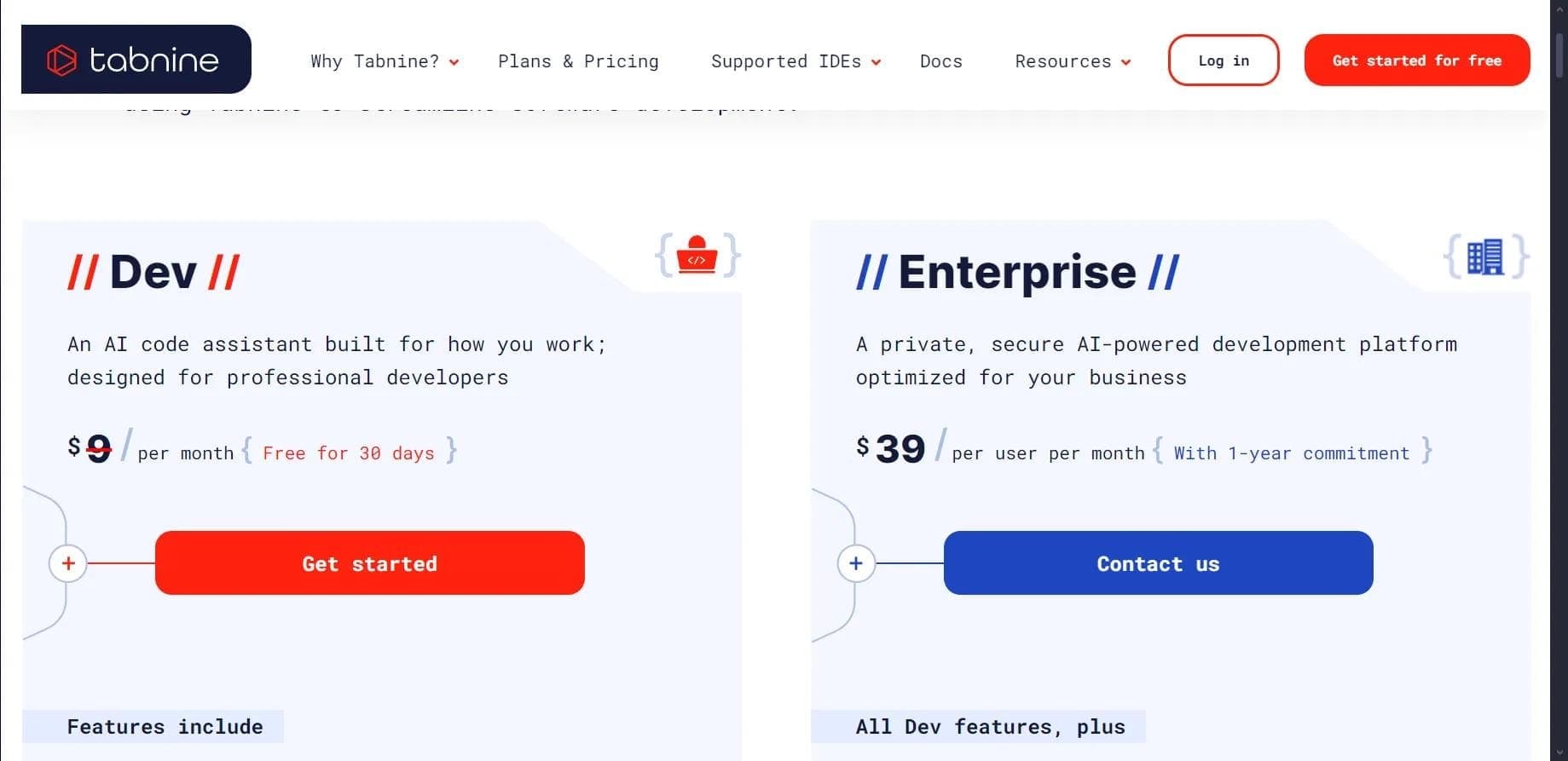
DataRobot is designed for business users who do not have deep data science expertise. Alternatives such as GitHub Copilot, Tabnine, or Cursor AI are primarily intended for developers and help with writing code, whereas DataRobot automates machine learning and data analysis processes themselves.
AI Governance and transparency control
DataRobot includes a built-in AI Governance system that ensures model transparency and compliance with corporate requirements. This feature sets the platform apart from more narrowly focused tools that do not provide regulatory compliance monitoring.
Conclusion
DataRobot is a paid platform for automating machine learning that covers the full data lifecycle: from loading and preprocessing to building, deploying, and monitoring models. The service is aimed at companies that want to implement AI without their own data science team and is used in finance, manufacturing, healthcare, and energy. Despite its high cost and data quality requirements, DataRobot offers a comprehensive solution for automating machine learning processes, with the ability to start for free on the basic tier.
Pricing
Frequently asked questions
Similar AI tools








See also
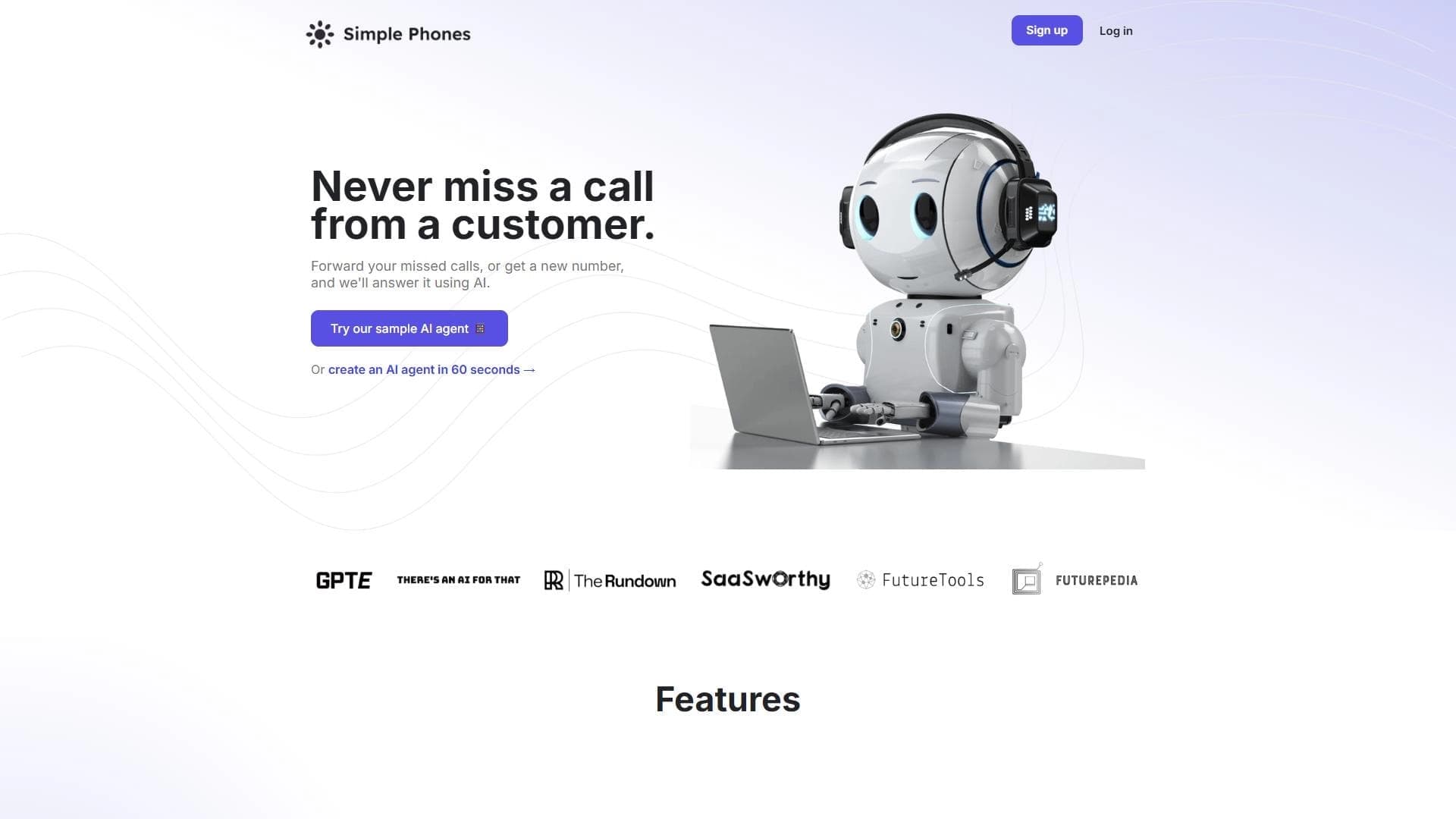
Platform for automating phone call processing with an AI agent.
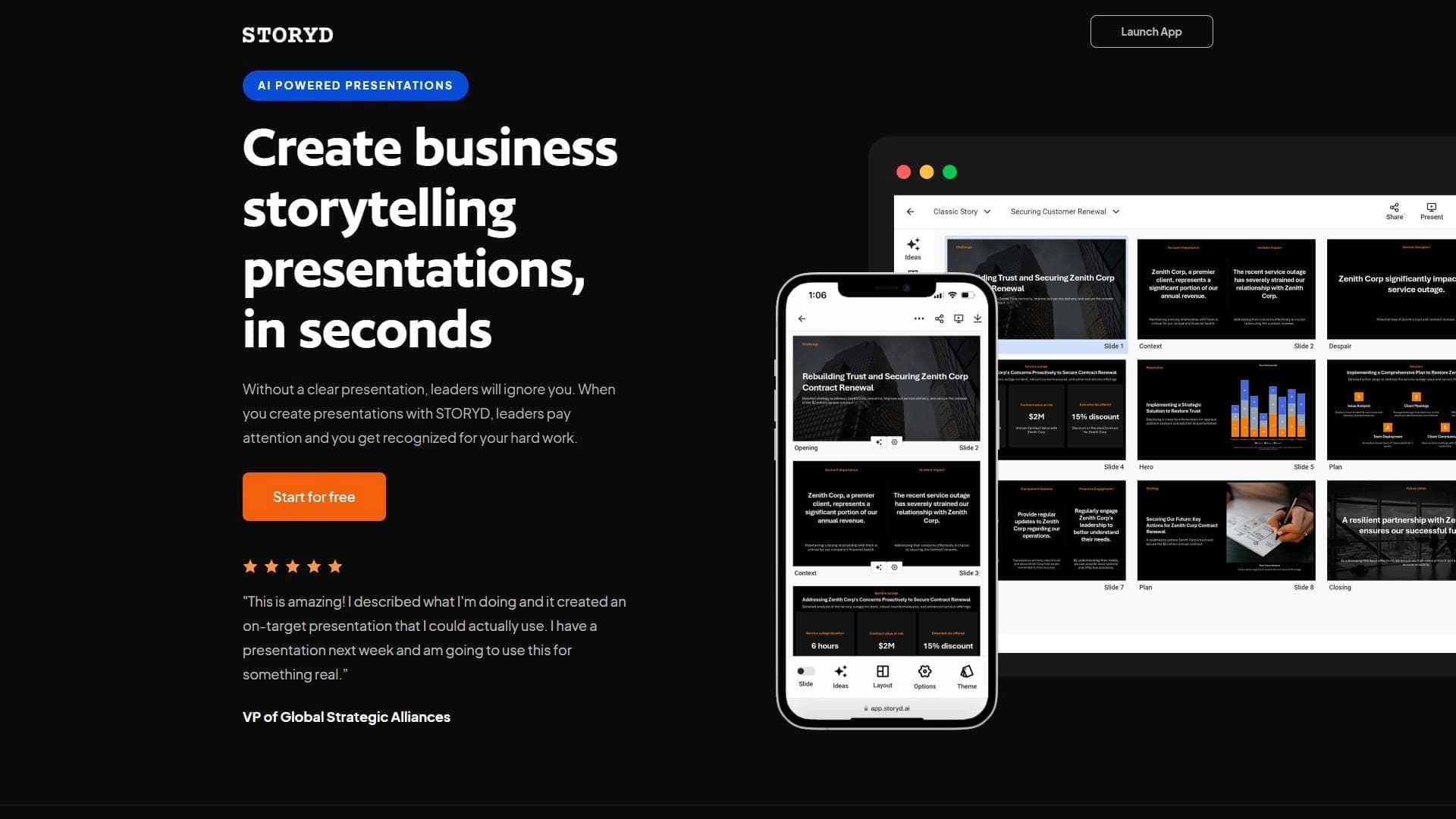

An AI-powered service that turns a brief topic description or bullet points into a structured business presentation in seconds.

Financial platform with an AI assistant for managing accounting, taxes, and budgets.

AI platform for fast website creation and small business process management.

Client communication platform combining chat, email, chatbot, and CRM in a single interface.
A service for automatic meeting scheduling that syncs with your calendar and lets the other person pick a free time slot on their own.
A project management platform with a built-in AI assistant for task automation and content creation.

A workflow automation platform that connects thousands of apps without requiring coding.