

Azure AI Foundry
Microsoft cloud platform for developing, training, and deploying AI models, including image generation, speech, and speech recognition.
Overview
Azure AI Foundry
Azure AI Foundry Overview
Azure AI Foundry is a cloud platform from Microsoft designed for developing, training, and deploying machine learning and artificial intelligence models. The platform brings together a wide range of AI capabilities, from image generation to speech recognition and synthesis. Azure AI Foundry provides tools for automating workflows, integrating data, and managing the full lifecycle of AI solutions—from prototyping to industrial deployment.
The platform is built on Microsoft Azure's scalable cloud infrastructure and is tightly integrated with the Microsoft ecosystem, including Copilot, Bing, and PowerPoint. Users can work with Microsoft's pre-trained models, such as MAI-Voice-1 (speech generation) and speech recognition models that support 25 languages, including Russian, as well as image generation models with resolutions up to 1024×1024 pixels and support for prompts of up to 32,000 tokens.
Key Platform Components
Azure AI Foundry includes several key areas: image generation based on Microsoft models, speech generation with voice cloning capabilities, speech recognition supporting dozens of languages, and tools for building and automatically training custom machine learning models.
Target Users
The platform is designed for a broad audience—from professional data scientists and developers to business analysts. Azure AI Foundry makes it possible to build and deploy models without deep programming knowledge, using visual tools and ready-made templates.
Azure AI Foundry Features
| Feature | Value |
|---|---|
| Type | Cloud platform for developing, training, and deploying AI models |
| Developer | Microsoft / Microsoft Azure |
| Date added to catalog | May 9, 2025 |
| Platforms | Web, Linux, Windows |
| Pricing model | Free trial (up to 30 days, no credit card required) + paid subscriptions from USD |
| Free period | 30 days |
| AI model availability | Image generation (up to 1024×1024, prompt up to 32K tokens), speech generation (MAI-Voice-1), speech recognition (25 languages, including Russian) |
| Speech generation speed | 60 seconds of audio per 1 second (60x real time) |
| Voice cloning | From a 10-second sample via Azure Personal Voice |
| Speech generation price | $22 per 1 million characters (pay-per-use) |
| Integration | Copilot, Azure / Foundry API, Azure Speech SDK, Bing, PowerPoint |
| Playground | Available |
| Russian language support | Yes (speech recognition) |
| Open source | No |
Who Is Azure AI Foundry For?
Data Scientists
Data professionals can use Azure AI Foundry to build, train, and validate custom machine learning models. The platform provides automated machine learning (AutoML) tools that speed up the process of selecting optimal algorithms and hyperparameters.
Developers
Developers working with Microsoft Foundry or Azure Speech SDK, as well as Copilot users, can integrate AI features directly into their applications. The platform supports REST APIs and SDKs for popular programming languages, making it possible to embed image generation, speech synthesis, and speech recognition into products of any complexity.
Business Analysts
Business analysts gain access to predictive analytics, customer segmentation, and fraud detection tools without requiring deep programming knowledge. The platform offers ready-made templates and visual interfaces for building models.
How to Use Azure AI Foundry
Getting Started
To use Azure AI Foundry, you need to register an Azure account. A free trial of up to 30 days is available with no credit card required. After registration, navigate to Azure AI Foundry from the Azure portal.
Model Building Process
Users connect data sources, choose a model template or start from scratch, then train, test, and validate the model. Once these steps are complete, the model can be deployed for use in applications.
Working with Voice Features
Azure Speech SDK or Foundry API is used for speech generation and voice cloning. For voice cloning via Azure Personal Voice, the speaker's consent must be confirmed. A REST API is available for integration into applications. The MAI-Voice-1 model is also integrated into Copilot for creating podcasts.
Key Features of Azure AI Foundry
Image Generation
The platform includes image generation models capable of creating images up to 1024×1024 pixels and supporting prompts of up to 32,000 tokens. The models rank in the top 3 of the Arena.ai leaderboard and run twice as fast as the previous generation, MAI-Image-1, at comparable quality.
Speech Generation and Voice Cloning
The MAI-Voice-1 model, released in April 2026, provides natural expressive speech generation at a speed of 60 seconds of audio per 1 second (60x real time). Voice cloning from a 10-second sample is supported while preserving the speaker's emotional range.
Speech Recognition
Microsoft's speech recognition model supports 25 languages, including Russian. It runs 2.5 times faster than Azure Fast and achieves the best WER (Word Error Rate) on the FLEURS benchmark, outperforming Whisper, GPT-Transcribe, and Gemini Flash-Lite. Audio files up to 200 MB are supported.
Building and Deploying Custom Models
Users can create their own machine learning models using automated machine learning, connect various data sources, and deploy ready-made solutions both in the Azure cloud and within integrated Microsoft applications.
Azure AI Foundry Advantages
Comprehensive AI Service Suite
The platform combines image generation, speech synthesis and recognition, machine learning, and computer vision in a single ecosystem, eliminating the need to use disparate tools.
Scalable Cloud Infrastructure
Azure AI Foundry runs on Microsoft Azure, ensuring computing resources can scale as demand grows—from prototypes to industrial solutions handling millions of requests.
Microsoft Ecosystem Integration
The platform is deeply integrated with Copilot, Bing, PowerPoint, and other Microsoft products. This allows AI features to be deployed directly into interfaces users are already familiar with.
High Speech Generation Speed
The MAI-Voice-1 model generates 60 seconds of audio per 1 second, significantly faster than most alternatives (typically up to 20x real time).
Azure AI Foundry Limitations
Closed Source Code
The platform is not open source, which limits customization options and independent model auditing. Users fully depend on Microsoft's decisions regarding functionality and pricing.
Regional Restrictions
Some capabilities, such as the voice model Playground, may not be available in all regions. Users in certain areas could encounter limitations when testing and debugging voice features.
Complex Pricing Model
Azure's pricing structure can be confusing for new users. Costs consist of many components: compute resource consumption, data volumes, and the number of API requests, requiring careful calculation before getting started.
Dependence on Cloud Connectivity
Full platform functionality requires a stable internet connection and access to the Azure cloud infrastructure. This can be a limitation for scenarios that need offline operation or isolated networks.
What Problems Does Azure AI Foundry Solve?
Predictive Maintenance
The platform enables models that predict equipment failures based on sensor data and historical logs, reducing downtime and repair costs.
Customer Segmentation
Azure AI Foundry's machine learning tools help analyze customer behavior, identify homogeneous groups for personalized marketing campaigns, and improve sales effectiveness.
Fraud Detection
The platform supports building models for detecting anomalous transactions and suspicious activity in real time, which is critical for the financial sector and e-commerce.
Audio Content and Podcast Creation
Speech generation with voice cloning makes it possible to create audio content for podcasts, text narration, and personalized voice applications. The model is integrated with Copilot to streamline the workflow.
Azure AI Foundry Pricing
Free Trial
Azure AI Foundry offers a free trial of up to 30 days. No credit card is required to activate the trial period. This allows users to evaluate the platform's capabilities without financial commitment.
Pay-Per-Use Model
After the trial period ends, paid plans with usage-based billing are available. The cost is calculated individually based on the resources consumed: computing power, data storage volumes, and the number of API requests.
Voice Feature Pricing
For the MAI-Voice-1 speech generation model, a fixed rate of $22 per 1 million characters (pay-per-use) applies. This price includes voice generation, cloning, and access to the Foundry API. For current prices on other platform services, please refer to the official Microsoft Azure pricing page at https://azure.microsoft.com/en-us/pricing/.
Azure AI Foundry Terms of Use
Registration and Trial Access
Using Azure AI Foundry requires registering an Azure account. The free trial period lasts up to 30 days, and no credit card is needed. After the trial period, users must switch to a paid plan.
Voice Cloning
Voice cloning via Azure Personal Voice requires mandatory confirmation of the speaker's consent. This requirement is designed to prevent unauthorized use of voice data and ensure ethical compliance.
Licensing and Paid Plans
The platform does not offer perpetual (lifetime) licenses. All paid subscriptions are recurring, with payments from USD. Specific licensing terms are defined by the agreement with Microsoft Azure.
Azure AI Foundry Availability
Platforms
Azure AI Foundry is available through the web interface (Azure portal) as well as on Linux and Windows operating systems. The platform's versatility allows users to work with the service from any modern device with internet access.
Regional Availability
The Playground for the MAI-Voice-1 model may have regional limitations. Users in some countries could encounter restrictions when interactively testing voice features, while API access through Foundry may work globally.
Geographic Usage
According to analytics, most Azure AI Foundry traffic comes from the United States, India, Germany, Spain, and Japan. The platform targets a global audience; however, the full list of supported languages for the MAI-Voice-1 voice model has not been officially disclosed.
How Azure AI Foundry Compares to Alternatives
Comparison with ElevenLabs Eleven v3
Compared to ElevenLabs Eleven v3, Azure AI Foundry (MAI-Voice-1) offers a narrower selection of voices and supported languages, but proves cheaper for large volumes of audio content. The 60x real-time generation speed is significantly higher than ElevenLabs'.
Comparison with OpenAI TTS
The speech generation model in Azure AI Foundry costs more than OpenAI TTS ($22 vs. $15 per 1 million characters), but offers voice cloning, a feature absent in OpenAI TTS. This makes the platform more preferable for scenarios that require preserving voice identity.
Speed Comparison with Competitors
MAI-Voice-1 outperforms most competitors in generation speed—60 seconds of audio per 1 second (60x), whereas comparable models typically operate at around 20x real time.
Comparison with IBM Watson, Amazon SageMaker, and Google AI Platform
As a full-fledged cloud AI platform, Azure AI Foundry competes with IBM Watson, Amazon SageMaker, and Google AI Platform. Its key differentiator is deep integration with Microsoft products (Copilot, Bing, PowerPoint, Office), which benefits users already working within the Microsoft ecosystem.
Conclusion
Azure AI Foundry is a comprehensive cloud platform from Microsoft that combines tools for developing, training, and deploying AI models. The platform covers a wide range of tasks: from image generation (up to 1024×1024) and speech recognition in 25 languages to voice cloning from a 10-second sample and high-speed speech synthesis (60x real time). Azure AI Foundry targets data scientists, developers, and business analysts, enabling model building without deep programming knowledge. Key strengths include integration with the Microsoft ecosystem, scalable infrastructure, and an accessible 30-day trial with no credit card required. Among the limitations are closed source code, regional availability constraints, and a complex pricing model. The platform represents a balanced solution for organizations already using Microsoft Azure or those interested in creating AI products with deep integration into the Microsoft ecosystem.
Pricing
Frequently asked questions

See also

Platform for speech synthesis and creating voiceovers using neural networks.

A platform for voice cloning, speech synthesis, and audio editing with deepfake protection.

A platform for editing videos and podcasts, where changes are made through a text transcript of the audio track.
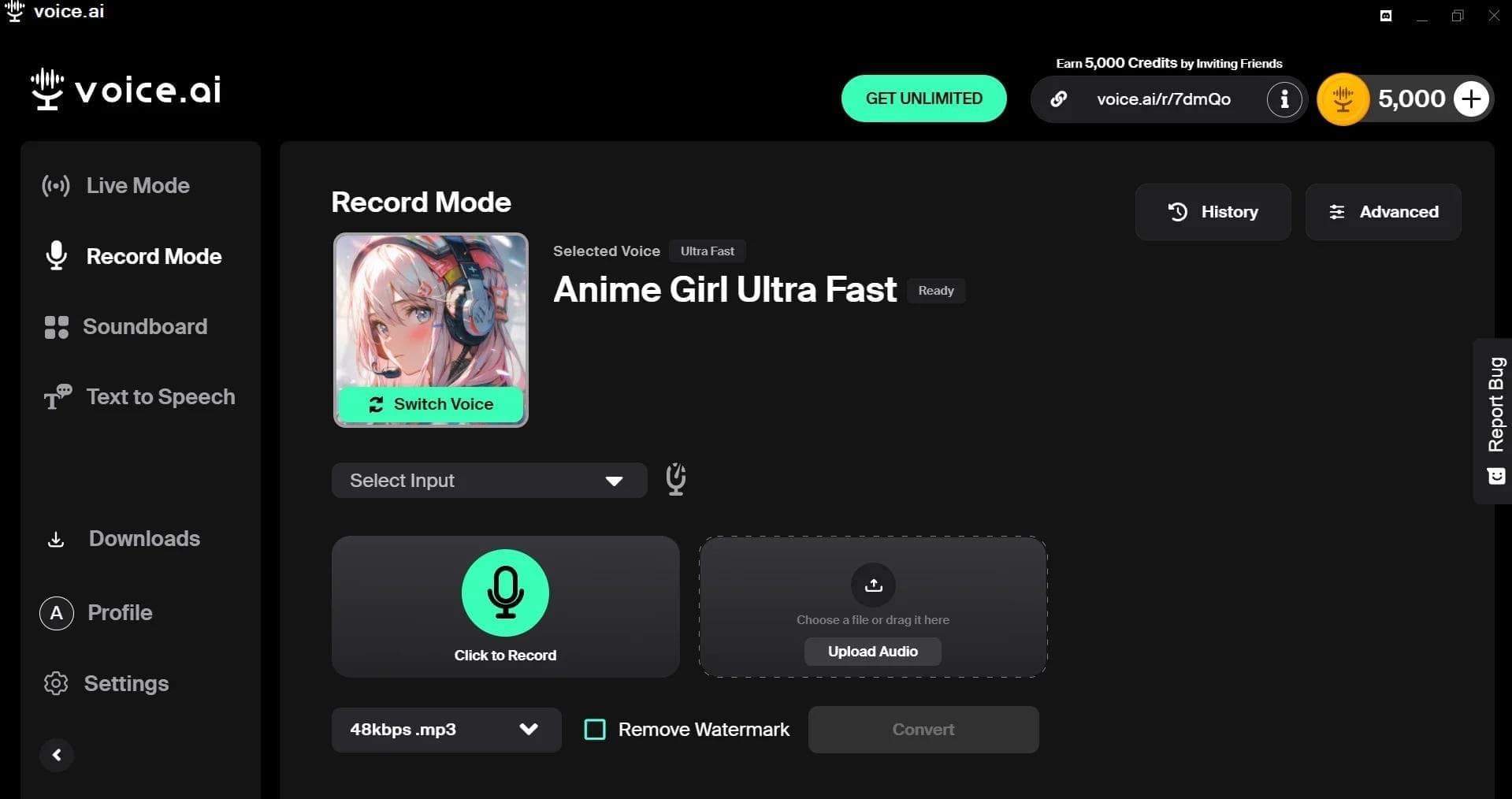

AI-powered platform for real-time voice changing and cloning.

AI-powered platform for speech synthesis and virtual avatar creation.
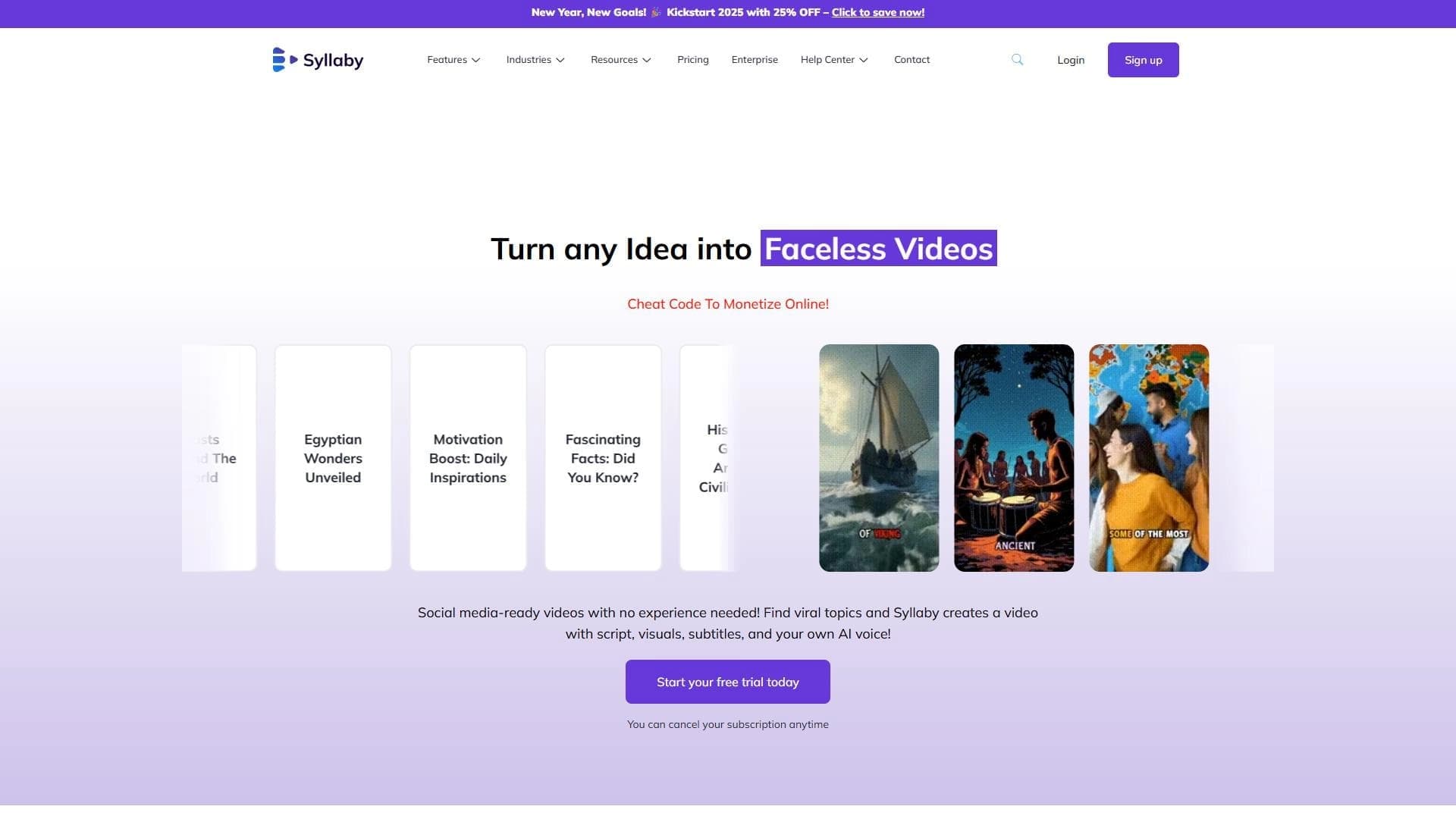

AI tool for creating and planning video content for social media.
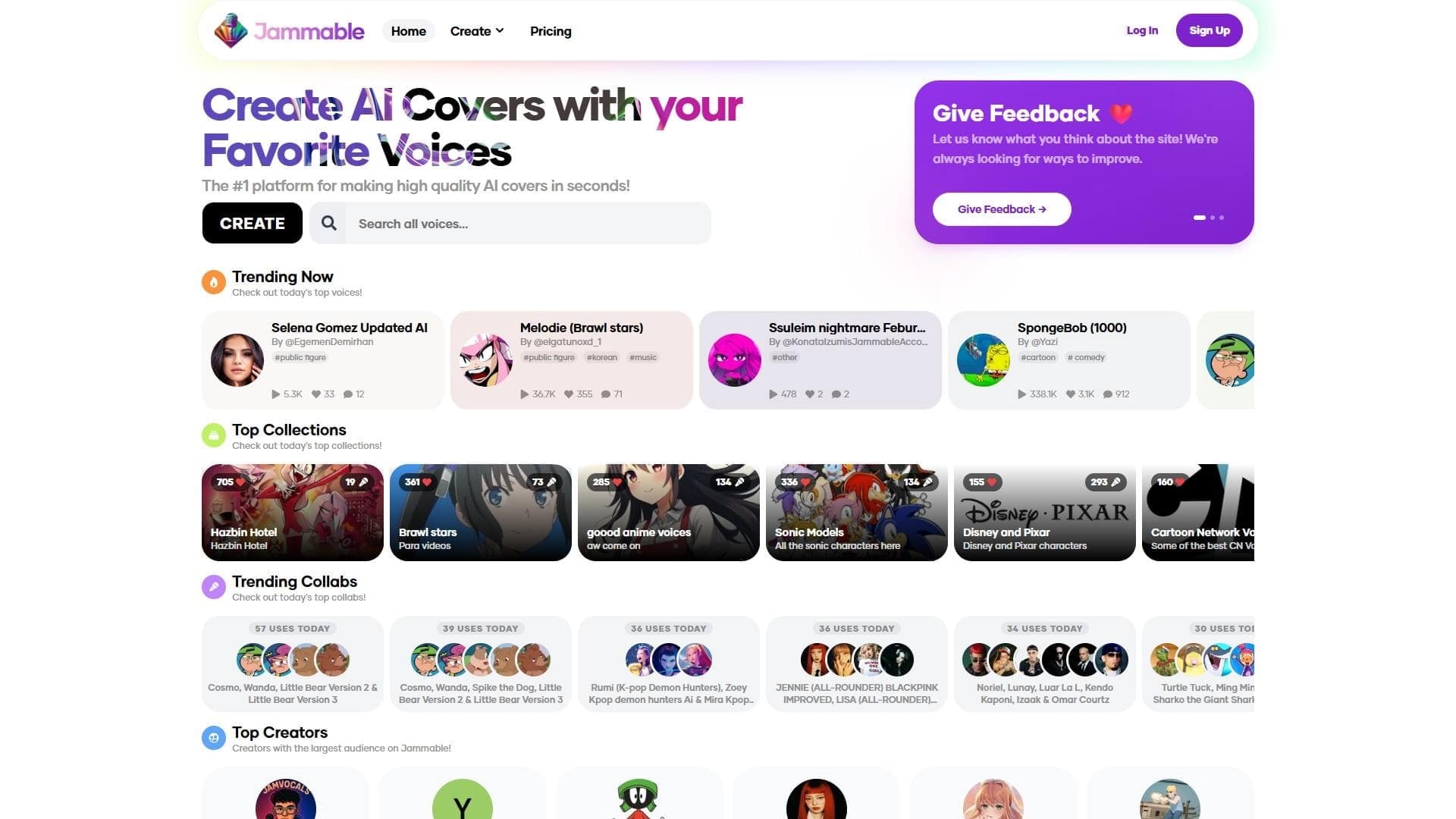

A web platform for creating AI covers, allowing you to overlay celebrity and character voices onto any songs.
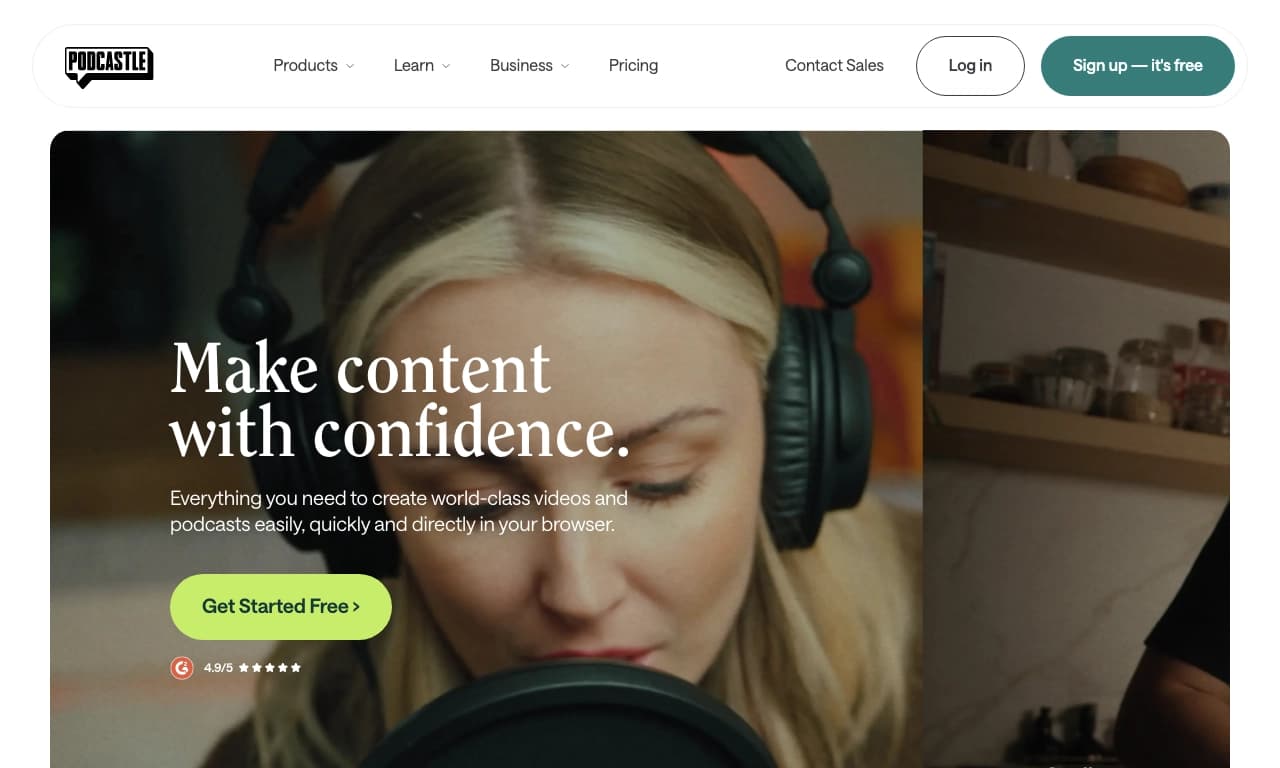

Platform for recording, editing, and publishing podcasts and video content with built-in AI tools.