

Typecast AI
Платформа для синтеза речи и создания виртуальных аватаров на основе искусственного интеллекта.
Место в рейтингах
Обзор
Typecast AI
Описание нейросети Typecast AI
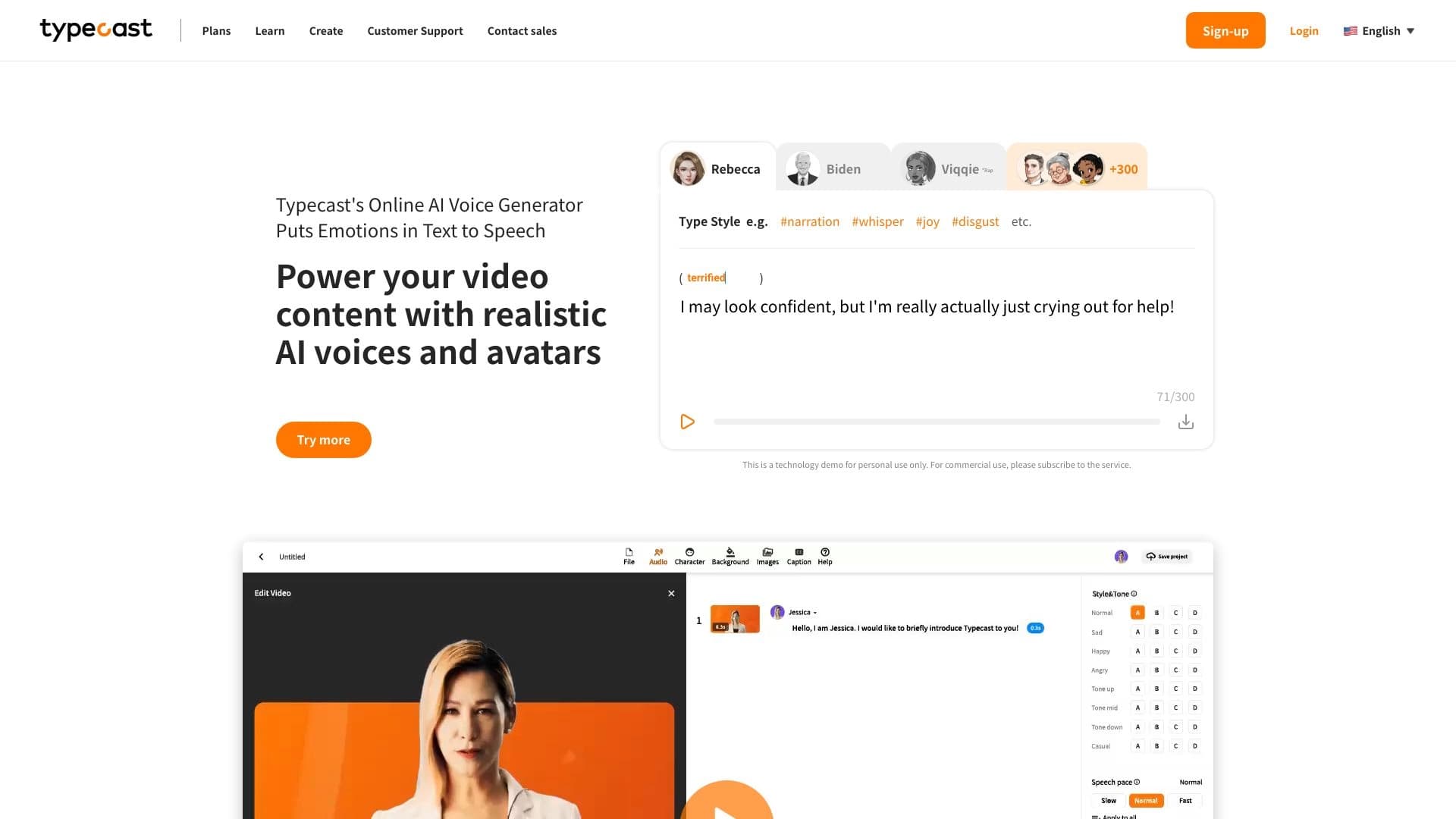
Typecast AI — это платформа для синтеза речи и создания виртуальных аватаров на основе искусственного интеллекта. Инструмент позволяет преобразовывать текст в реалистичную речь с возможностью тонкой настройки эмоций, темпа и высоты тона. Помимо генерации голоса, платформа поддерживает клонирование голоса и создание виртуальных аватаров, что делает её универсальным решением для озвучивания видео, подкастов и обучающих материалов.
Модель распространения Typecast AI — freemium, что даёт пользователям возможность опробовать базовые возможности перед приобретением расширенного функционала.
Ключевые возможности
Платформа ориентирована на профессиональное создание голосового контента: от простого преобразования текста в речь до сложных проектов с участием виртуальных персонажей. Голоса, сгенерированные нейросетью, звучат естественно и поддерживают эмоциональные оттенки, что особенно важно для маркетинговых и образовательных материалов.
Технологическая основа
В основе Typecast AI лежат современные модели глубокого обучения, которые анализируют текстовые данные и воспроизводят их с интонациями, паузами и акцентами, характерными для живой человеческой речи. Поддержка API позволяет интегрировать возможности платформы в сторонние приложения и сервисы.
Характеристики Typecast AI
| Характеристика | Значение |
|---|---|
| Платформа | Web |
| Категории | AI Voice Cloning, TikTok AI Voice Generator, AI Voice Changer, AI Celebrity Voice Generator |
| Ценообразование | Не указано (бесплатного плана нет, пожизненного плана нет) |
| Бесплатный план | Нет |
| Требуется кредитная карта | Нет |
| Пожизненный план | Нет |
| Дата добавления в каталог | 12 мая 2024 |
| API | Доступен |
| Мобильные приложения | Отсутствуют (iOS / Android) |
| Регионы с наибольшим трафиком | Южная Корея (73.75%), США (5.6%), Вьетнам, Филиппины, Пакистан |
Для кого подходит нейросеть Typecast AI?
Typecast AI рассчитан на широкий круг специалистов, работающих с аудиовизуальным контентом. Платформа будет полезна как индивидуальным создателям, так и целым отделам в компаниях.
Создатели контента и видеопродюсеры
Для тех, кто регулярно выпускает видео на YouTube, в TikTok или других платформах, Typecast AI позволяет быстро получать качественные голосовые дорожки без необходимости нанимать диктора или арендовать студию звукозаписи.
Маркетологи и специалисты по рекламе
Возможность настройки эмоций и темпа речи делает инструмент удобным для создания рекламных роликов, промо-материалов и голосовых объявлений, где важна правильная интонация.
Педагоги и разработчики e-learning
Преподаватели и авторы онлайн-курсов могут озвучивать лекции, инструкции и тесты, делая учебные материалы более доступными и engaging.
Разработчики игр и подкастеры
Для игровой индустрии Typecast AI предлагает генерацию голосов персонажей, а подкастеры могут использовать клонирование голоса и виртуальных аватаров для создания уникального контента.
Как использовать нейросеть Typecast AI?
Работа с платформой построена по интуитивно понятному принципу и не требует специальной технической подготовки.
Регистрация и создание проекта
Прежде всего необходимо зарегистрироваться в Typecast и войти в учётную запись. После входа можно создать новый проект, выбрав готовый шаблон или начав с чистого листа.
Настройка и генерация
Введите текст, который хотите преобразовать в речь. Выберите подходящий AI-голос из доступной библиотеки, а затем настройте высоту тона, эмоциональную окраску и скорость воспроизведения. После завершения настроек запустите генерацию голосовой дорожки.
Экспорт и интеграция
Прослушайте полученный результат. Если необходимо, внесите корректировки и сгенерируйте новый вариант. Когда всё готово, экспортируйте голосовую дорожку или интегрируйте её напрямую в ваш контент.
Основные функции Typecast AI
Платформа предлагает набор инструментов, покрывающих потребности в создании голосового контента разного уровня сложности.
Генерация голоса и преобразование текста в речь
Базовая и самая востребованная функция — конвертация письменного текста в естественно звучащую речь. Доступна библиотека разнообразных голосов с поддержкой разных языков и акцентов.
Клонирование голоса и виртуальные аватары
Typecast AI позволяет создавать цифровую копию существующего голоса (клонирование), а также генерировать виртуальных аватаров, которые могут «озвучивать» текст в видеоформате.
Тонкая настройка параметров речи
Пользователи могут управлять эмоциональной окраской голоса, регулировать высоту тона и скорость речи. Это даёт возможность адаптировать звучание под конкретный сценарий или настроение контента.
API для интеграции
Наличие API позволяет разработчикам встраивать функции Typecast AI в собственные приложения, веб-сервисы или рабочие процессы, автоматизируя создание голосового контента.
Преимущества Typecast AI
Высокое качество синтезированной речи
Голоса, создаваемые платформой, звучат естественно и передают эмоциональные нюансы, что выгодно отличает Typecast AI от многих конкурентов с «роботизированным» звучанием.
Широкий выбор голосов и клонирование
Пользователям доступна разнообразная библиотека предустановленных голосов. Дополнительно поддерживается кастомное клонирование голоса, что позволяет создавать уникальные персонажи или сохранять голосовую идентичность бренда.
Простота использования и совместная работа
Платформа предлагает удобный интерфейс с управлением скриптами, а также функции для коллаборации. Это упрощает работу в команде над крупными проектами.
Универсальность применения
Typecast AI подходит для широкого спектра задач: от подкастов и видеороликов до интерактивных обучающих курсов и голосовых систем обслуживания клиентов.
Недостатки Typecast AI
Отсутствие бесплатного тарифа и мобильных приложений
Информация о наличии бесплатного плана на момент описания отсутствует. Кроме того, у платформы нет мобильных версий для iOS или Android, что ограничивает работу на смартфонах и планшетах.
Ограниченные интеграции
Прямые интеграции с популярными коммуникационными платформами (мессенджерами, CRM-системами) не найдены, что может потребовать от пользователей дополнительных усилий для встраивания инструмента в существующие рабочие процессы.
Отсутствие информации об open-source
Данных о том, является ли платформа открытым исходным кодом, нет. Это может быть важно для компаний, предпочитающих решения с открытой лицензией.
Какие задачи решает Typecast AI
Инструмент охватывает широкий спектр сценариев, связанных с созданием голосового контента.
Озвучивание видео
Создание голосовых дорожек для YouTube-роликов, рекламных видео, презентаций и промо-материалов. Typecast AI позволяет быстро получить качественный голос без привлечения дикторов.
Разработка интерактивных обучающих материалов
Озвучивание электронных курсов, тренажёров и инструкций, что делает обучение более наглядным и удобным для восприятия.
Производство подкастов и игровых персонажей
Генерация голосов для подкастов и видеоигр, а также создание виртуальных аватаров для интерактивного контента и стримов.
Обновление и репакпинг старого контента
«Оживление» текстовых материалов прошлых лет — перевод статей, блогов и книг в аудиоформат с помощью качественной озвучки.
Цены Typecast AI
Актуальная информация о стоимости Typecast AI на момент описания отсутствует. Бесплатный план и пожизненная лицензия не предусмотрены. Для начала использования регистрация обязательна, однако кредитная карта не требуется. Детальные данные о ценах рекомендуется уточнять непосредственно на официальном сайте платформы.
Условия использования Typecast AI
Для работы с платформой необходима регистрация и вход в учётную запись. Каких-либо особых требований, выходящих за рамки стандартных условий использования веб-сервисов, не заявлено. Пользователи должны соблюдать установленные платформой правила, касающиеся создаваемого контента и объёмов использования.
Доступность Typecast AI
Платформа доступна исключительно через веб-интерфейс. Мобильные приложения для iOS и Android не выпускались, что означает необходимость использования ПК или планшета с браузером для полноценной работы.
Наибольшая доля трафика приходится на Южную Корею (73.75%), что указывает на высокую популярность сервиса в этом регионе. На втором месте — США (5.6%), также заметная аудитория наблюдается во Вьетнаме, на Филиппинах и в Пакистане.
Чем отличается Typecast AI от аналогов
Эмоциональный синтез и клонирование голоса
Главное отличие Typecast AI — акцент на передаче эмоциональной окраски речи. В то время как многие конкуренты (например, Murf.ai, Lovo.ai, Play.ht) также предлагают TTS-функции, Typecast дополнительно поддерживает создание виртуальных аватаров, что расширяет сферу применения инструмента.
Отсутствие бесплатного плана
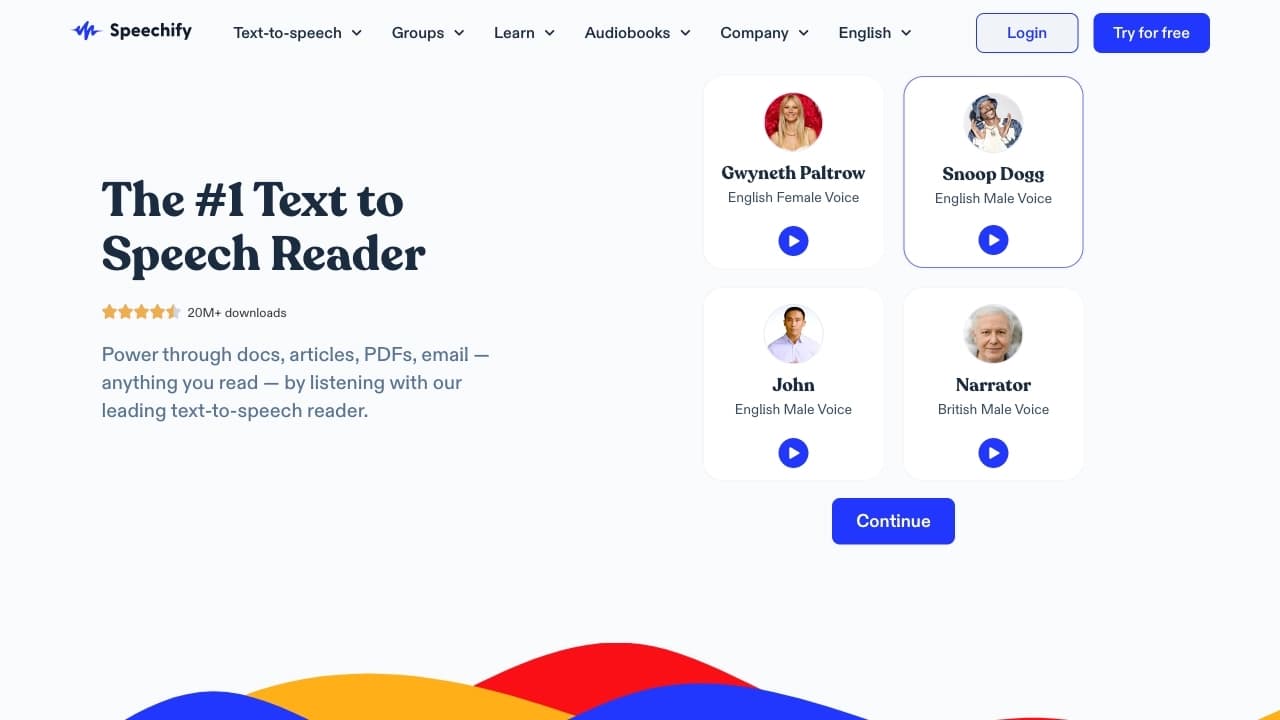
В отличие от ряда аналогов, которые предоставляют бесплатные тарифы с ограничениями (например, Speechify), Typecast AI не имеет бесплатного плана. Это может быть как минусом для новых пользователей, так и показателем ориентации на профессиональную аудиторию.
Географическая специфика
Typecast AI особенно популярен в Южной Корее — это выделяет его на фоне других сервисов, у которых основная аудитория чаще сосредоточена в США и Европе. Такая региональная ориентация может означать лучшую поддержку корейского языка и местных форматов контента (например, для TikTok).
Интеграция через API
Наличие API ставит Typecast AI в один ряд с конкурентами вроде Play.ht и Murf.ai, позволяя разработчикам встраивать голосовую генерацию в собственные проекты. Однако информация об интеграциях с популярными платформами (Slack, Zoom и др.) пока не представлена.
Заключение
Typecast AI — это функциональная платформа для синтеза речи и создания виртуальных аватаров, ориентированная на создателей контента, маркетологов, педагогов и разработчиков. Инструмент предлагает качественную генерацию голосов с поддержкой эмоций, клонирование голоса и API для интеграции, однако не имеет бесплатного тарифа, мобильных приложений и некоторых популярных интеграций. Наибольшей популярностью сервис пользуется в Южной Корее. Typecast AI подойдёт тем, кому нужен профессиональный инструмент для озвучивания контента с акцентом на эмоциональную выразительность, но стоит заранее оценить доступные альтернативы с учётом своих задач и бюджета.
Часто задаваемые вопросы
Смотрите также
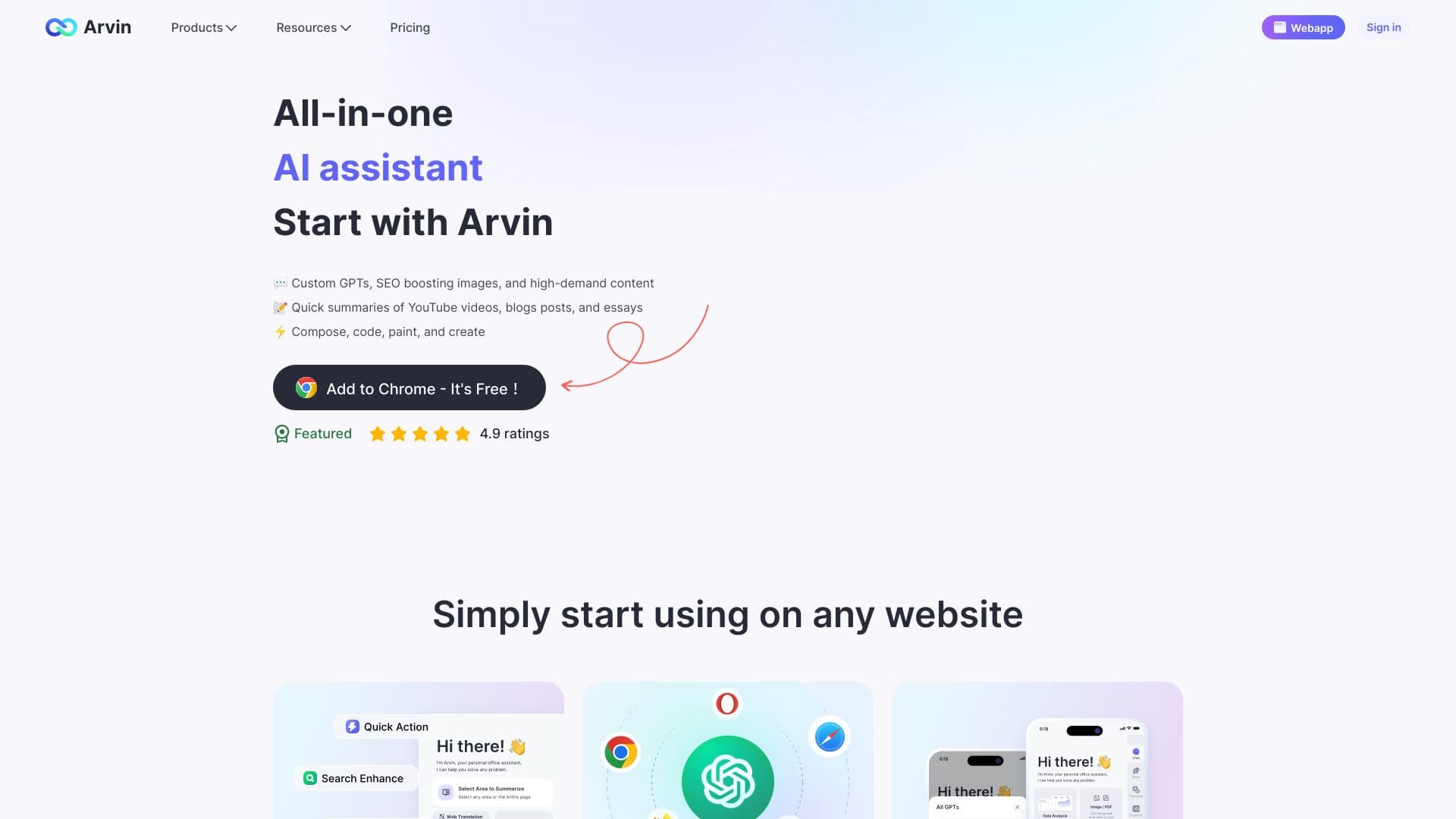
Браузерное расширение и веб-сервис с функциями ИИ-ассистента: ответы на запросы, суммаризация видео и документов, перевод текста.
Интеллектуальный помощник от Microsoft, встроенный в поисковую систему Bing и браузер Edge на базе GPT-4.
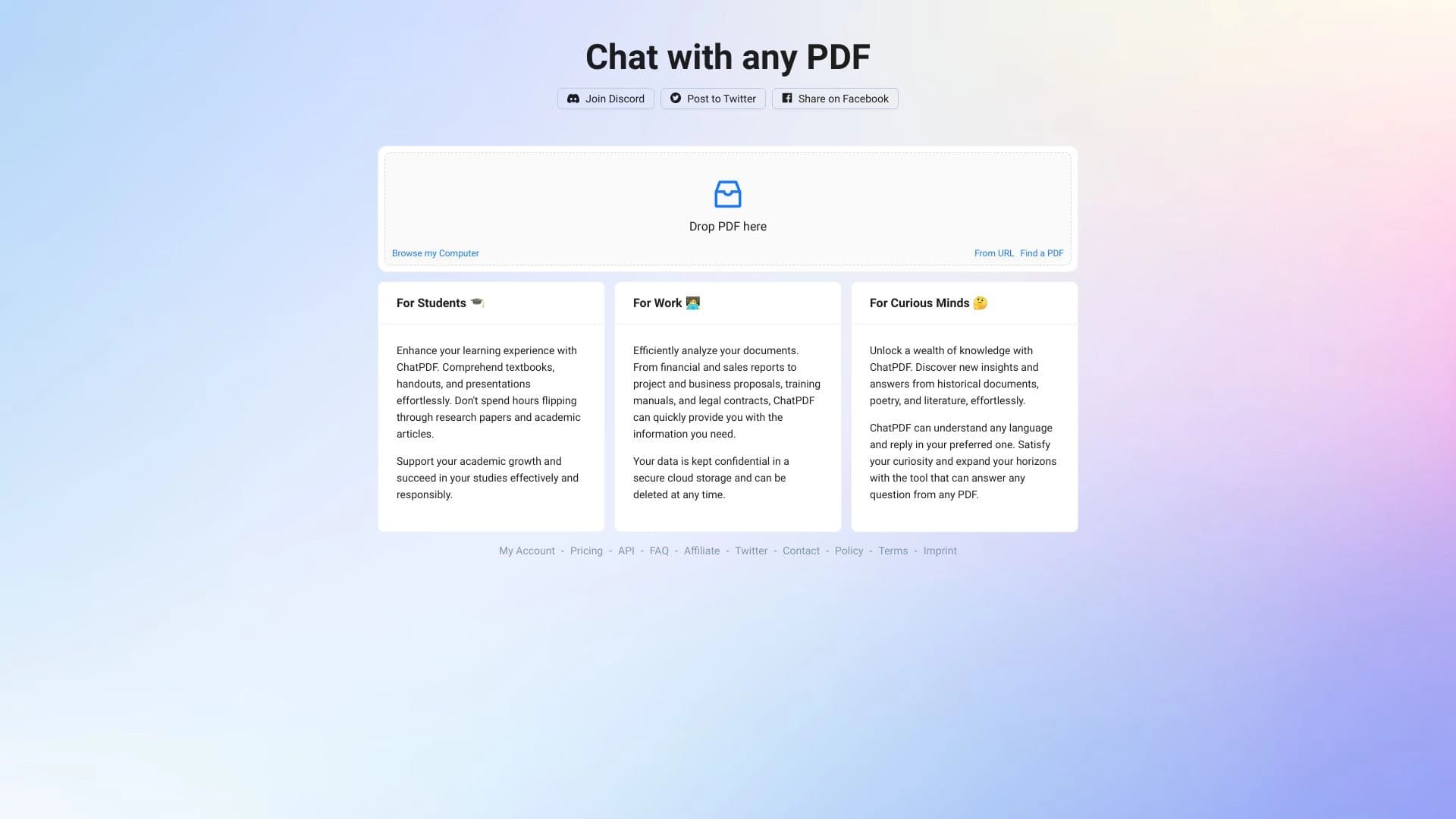
Онлайн-сервис, который позволяет общаться с PDF-документами в чате: задавать вопросы и получать краткие ответы с указанием источника.
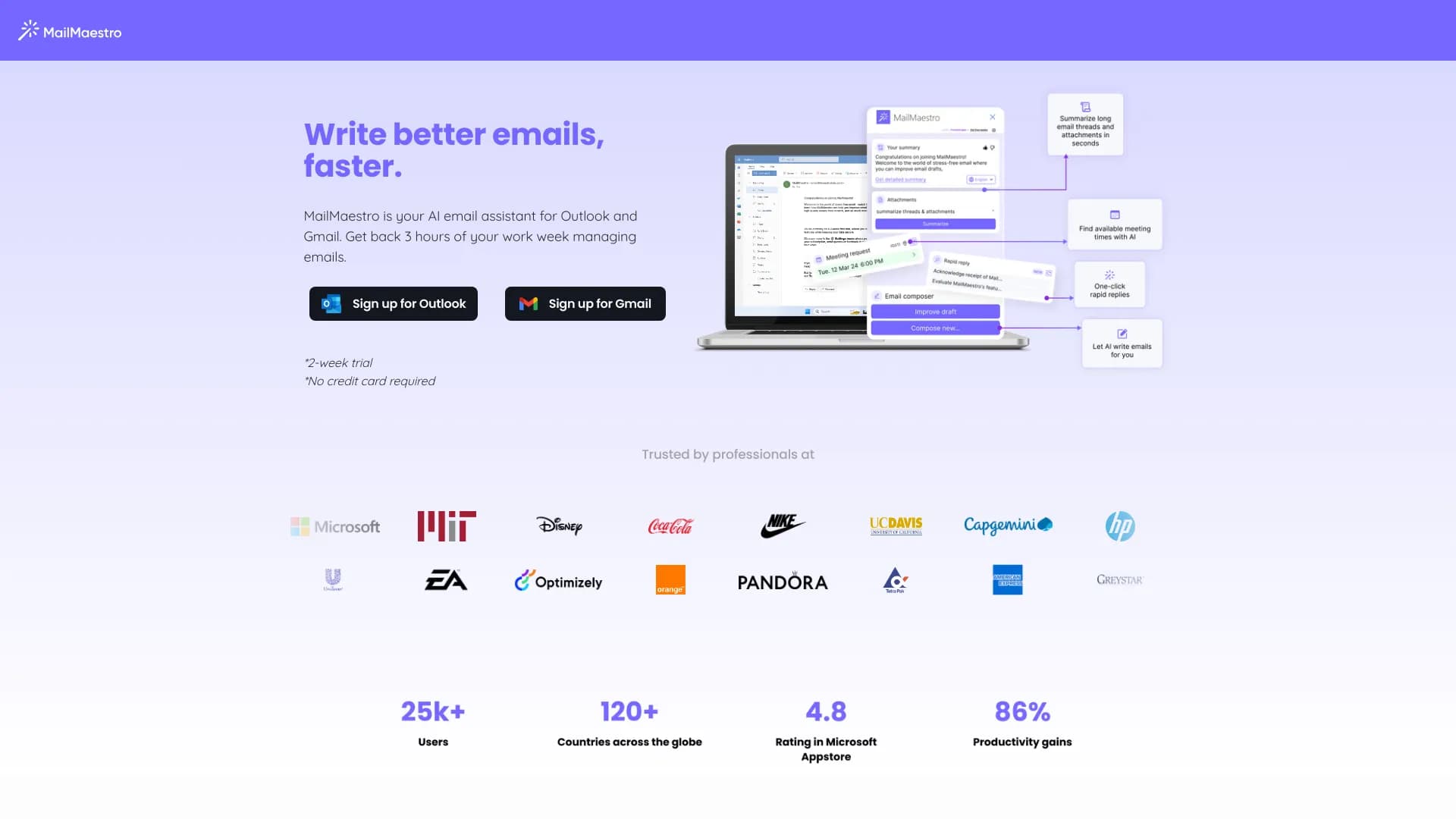

ИИ-помощник для работы с электронной почтой, интегрирующийся с Gmail и Outlook.
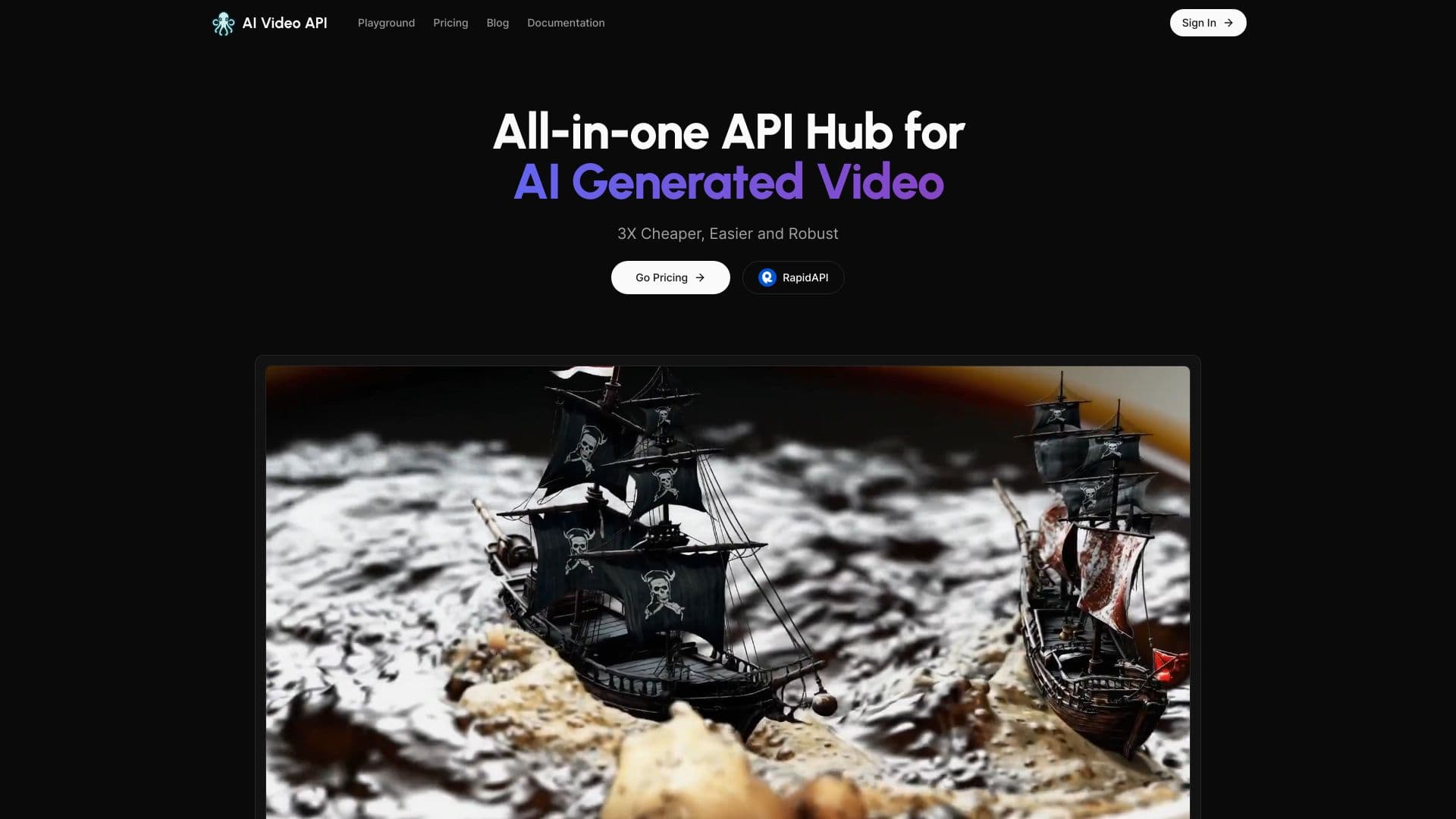

Сервис для генерации коротких вертикальных видео с помощью нейросети через API или мобильное приложение.
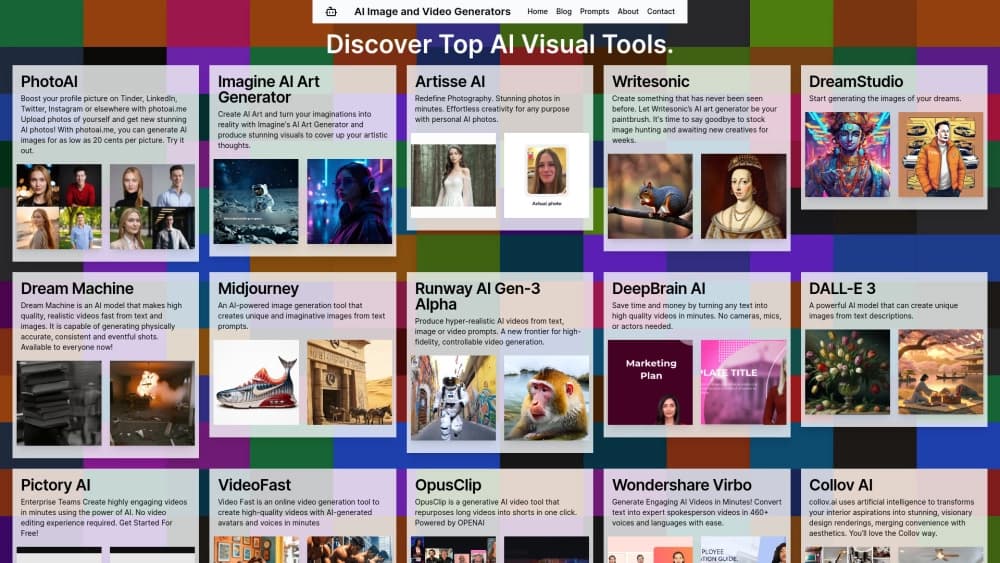
Каталог нейросетей и онлайн-инструментов для генерации изображений, анимаций и видео.
Веб-сервис для генерации изображений по текстовым запросам и преобразования фото и видео в художественные арты.


Платформа на основе ИИ для создания и редактирования изображений и видео товаров для продавцов в электронной коммерции.