
The Vocci Ring Offers a New Way to Record Meetings—with Caveats About Price and Privacy
Testing the device shows that it handles transcribing long conversations, but is less convenient for short notes; the app also has its drawbacks. The article explores privacy concerns and why a ring might suit some people better than other wearable recording devices.
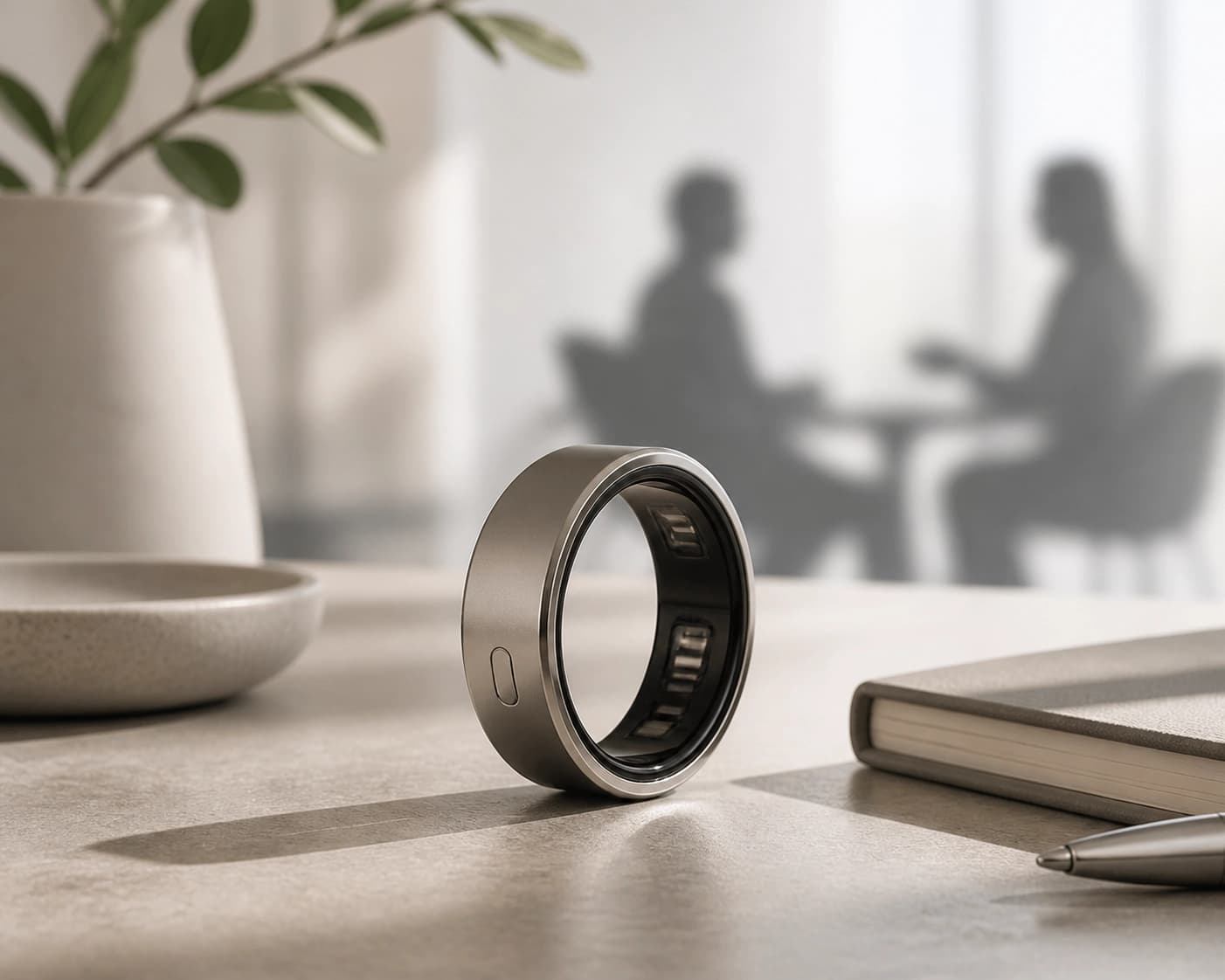
How recording works
Vocci starts and stops recording with a double press of the button. Holding the button lets you ask Vocci AI questions, but the app must be open.
- During recording, the ring signals with an indicator light and vibration motor.
- The device weighs less than six grams.
- The inner and outer surfaces are made of titanium; this likely refers to a coating.
- The company claims up to eight hours of recording on a single charge. The plastic case can recharge the ring up to three times.
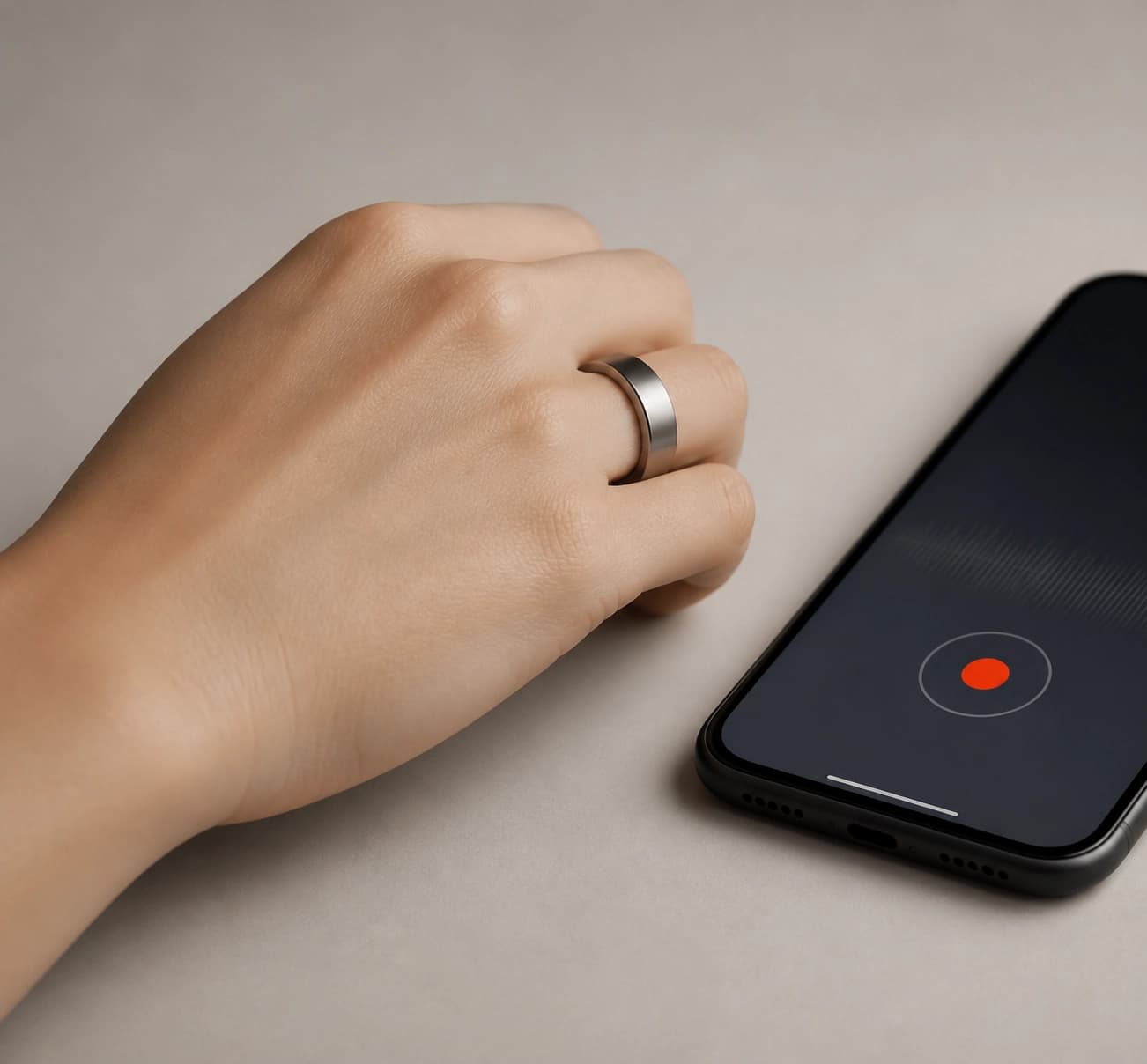
Physical controls are limited to pressing and holding the button. Before using it, bear in mind that AI questions are available only when the app is open.
What the app does with recordings
Each recording has three sections:
- Chat — the main transcript.
- Highlights — excerpts you can save by pressing the button during a conversation.
- Notes — a summary and takeaways from the conversation.
The author tested the ring in noisy cafés during conversations lasting more than an hour. The device turned most of the conversation into accurate transcripts. The author does not recommend this method for short notes.
The author described the app as confusing and the Base section as redundant. It stores transcripts, recordings, and materials created from them. The author also couldn’t find a way to start a chat with AI directly from session transcripts.
For short recordings, AI-generated takeaways were longer than the notes themselves. So the practical question is whether you need summaries and transcripts of long conversations, rather than just quick notes.
Price and best use case
The ring is expensive compared with note-taking devices from Plaud and Pocket, and the author attributes its price to its lightweight form factor.
The ring is designed for people who don’t want to attach a device to the back of their phone or wear a bracelet or pendant. The choice depends on how important the ring form factor is: price alone says nothing about transcription quality.
Recording and privacy
The ring looks like ordinary jewelry unless someone notices the button. The recording indicator faces the wearer.
The author emphasizes that people you’re speaking with should be told about the recording. In some countries and regions, this is required by law. The company also says it encourages users to disclose when they’re recording.
The practical consideration here is whether you can notify participants in advance. The device’s discreet appearance doesn’t remove the need to comply with local requirements.
Other form factors
Note-taking devices are available as pendants, badges, and credit-card-sized devices. Pebble’s new Index 01 Ring lets you hold down a button to make a note or reminder.
Sandbar’s Stream Ring works in a similar way, but uses a touch panel on top. These options differ in how they’re controlled and in their shape, not just in appearance.
The author expects more form factors for taking notes at meetings to appear in the coming years. The criterion for choosing one is which format is most convenient to wear and activate in everyday work.
Frequently asked questions
Related materials
All materials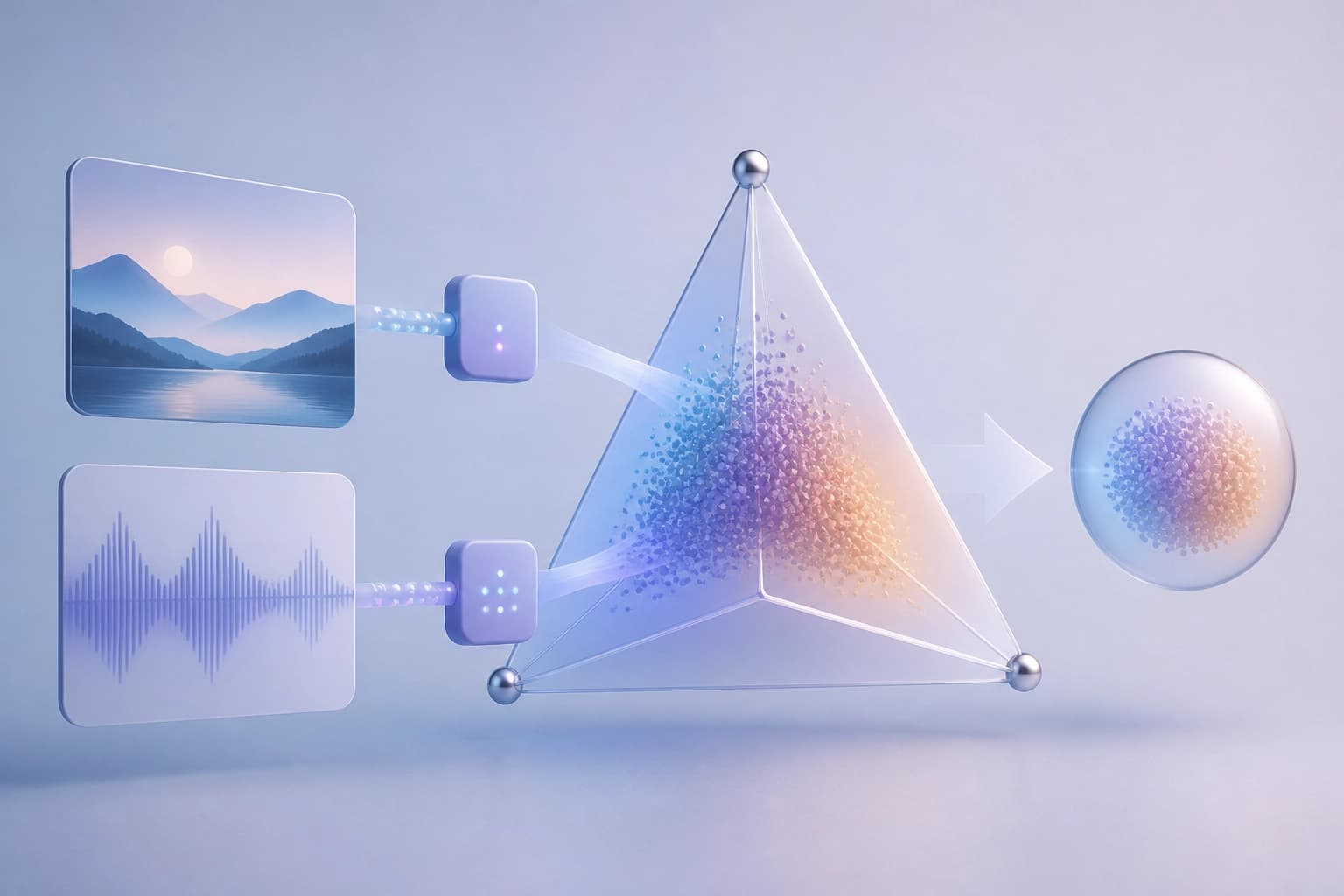
Moving to the Probability Simplex Reduces the Modality Gap in Contrastive Multimodal Models
The paper arXiv:2610.32890 proposes replacing spherical embeddings with a probabilistic simplex, adding lightweight softmax adapters and Total Variation similarity. Across five retrieval benchmarks, the cross-modal centroid ℓ2 distance decreases by 97–99% while retrieval quality is maintained or improved.
3 November 2026
How ActionRAG Reconsiders Evidence During Diffusion Across the Memory Graph of LLM Agents
A graph-memory architecture is proposed that carefully reconciles entities during indexing and reevaluates relationships at query time based on local structure. On MemoryAgentBench, the method achieved an average accuracy of 55.1, outperforming the strongest retrieval baseline by 5.4 percentage points while keeping synthesis costs low per query.
3 November 2026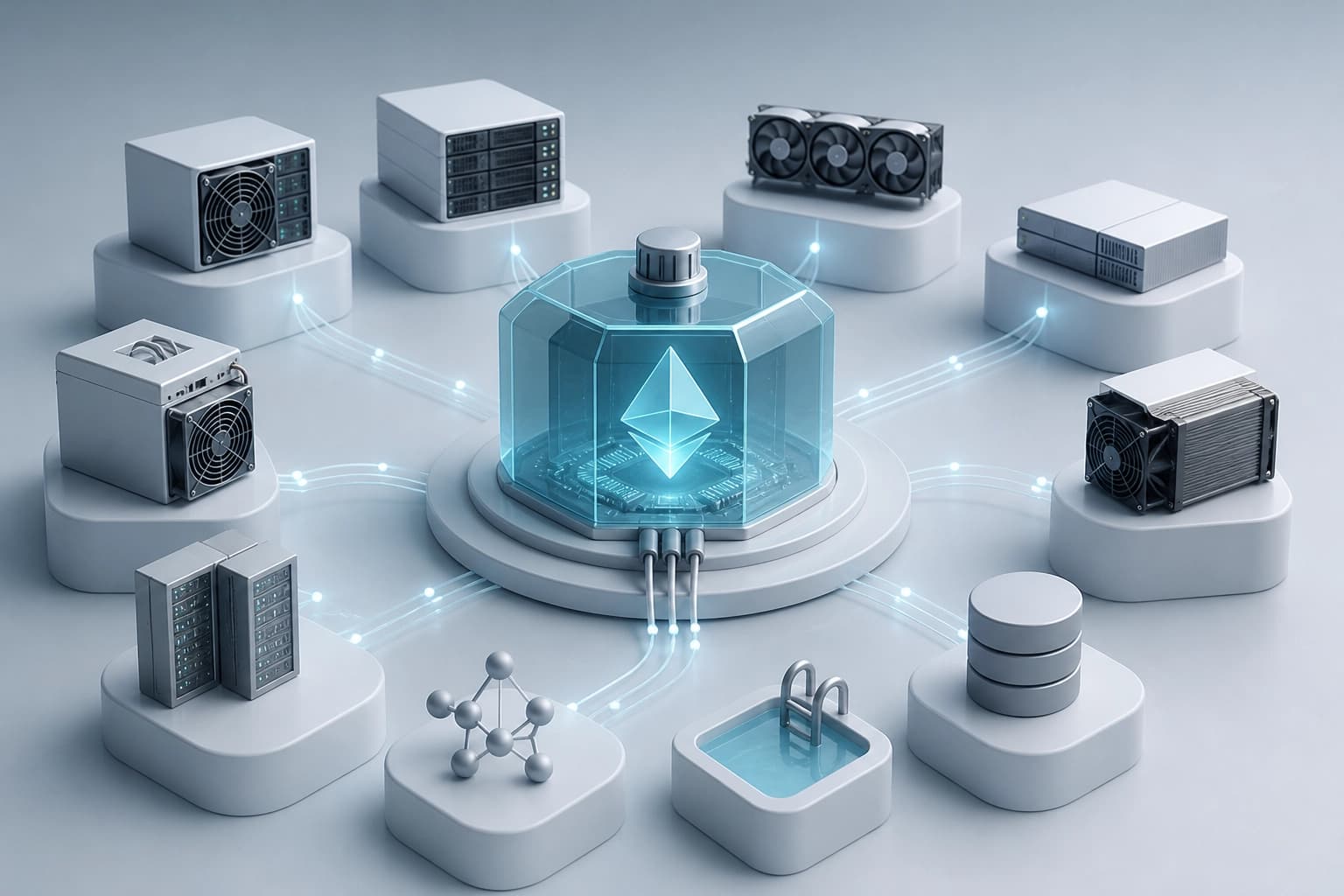
Fifteen companies backed MDK Tether for mining automation
Equipment manufacturers, mining pools, and operators have taken on the development of integrations with Tether’s open suite to standardize equipment monitoring and management; the QVAC AI agent is already built on this foundation. Independent confirmation of reduced electricity costs or increased efficiency has not yet been published.
2 November 2026