The legal profession has traditionally been regarded as one of the most conservative fields, yet today even it faces the need to adapt to digital realities. Large language models such as ChatGPT open new horizons for lawyers and attorneys in automating routine tasks, speeding up document analysis, and expanding analytical capabilities. At the same time, working with neural networks in a legal environment requires particular caution and an understanding of both the possibilities and limitations of the technology.
Why lawyers should pay attention to large language models
Legal work is 70–80% text operations: reviewing regulations, preparing statements of claim, analyzing contracts, and corresponding with clients and counterparties. It is precisely this type of task that ChatGPT performs most effectively. The model can generate coherent text, summarize lengthy documents, and identify logical inconsistencies in wording.
From a practical standpoint, using neural networks in a legal context solves several specific problems. First, it saves time on drafting documents. Second, it helps structure a legal position on a case. Third, it enables rapid generation of alternative wording for contested contract clauses.
However, it is important to understand: ChatGPT is not a substitute for a lawyer’s professional judgment, but a tool that requires oversight by a qualified specialist. The model can make mistakes on facts, cite nonexistent regulations, or suggest outdated case law. The lawyer’s task is to use machine intelligence as a supporting resource, building around it a system of data verification.
 Setting up ChatGPT for legal tasks: basic principles
Before you start using ChatGPT in your professional practice, you need to configure your working environment properly. Start by choosing the model version — for legal tasks, it is usually preferable to use a paid subscription, which provides access to newer model versions with a larger context window. This is fundamentally important because working with large volumes of contract documentation requires processing long texts in full.
The second important aspect is creating individual instructions for the model. If you use ChatGPT on a regular basis, configure it so that the neural network knows by default: you are a lawyer, you work within a particular legal system, you prefer formal business language, and you require references to legal sources in responses. This is set in the system prompt and significantly improves the relevance of the output.
Finally, you should establish your own rules for using the tool. Decide which tasks you are willing to delegate to the neural network and which you will do only manually. As practice shows, a reasonable line runs like this: drafts, plans, summaries, and initial versions of documents can be entrusted to the model; final versions requiring legal review belong exclusively to a human.
Practical use cases for ChatGPT in legal practice
Preparing statements of claim and procedural documents
The most obvious use of ChatGPT is drafting routine procedural documents. The model can produce a structured draft statement of claim if you provide all the necessary input: the facts of the case, the claims, and the list of attachments.
The workflow looks like this: you tell the model what document needs to be prepared, set out the factual circumstances of the case, and state the legal grounds for the claim. In response, ChatGPT generates text that follows procedural form. It is important to use detailed prompts — the more relevant information you provide, the better the result.
A significant advantage of this approach is the ability to quickly obtain several versions of the prayer for relief or different styles of presenting the circumstances of the case. You can ask the model to rephrase arguments in a more concise or, conversely, more detailed way.
Analyzing and reviewing contracts
ChatGPT does a decent job as a “second lawyer” when reviewing contracts. Upload the text of the agreement and ask the model to identify potentially contentious provisions: clauses on unilateral price changes, unclear liability language, or missing necessary warranties.
Dialogue-based workflows are particularly valuable. You can methodically “interrogate” the model about each section of the document, asking for plain-language explanations, which is especially useful when working with corporate clients. Ask ChatGPT to rewrite a complex legal condition so that a person without a legal education can understand it.
The tool is also effective for comparing two versions of a contract. After uploading both texts, you get a list of changes and an assessment of their legal consequences.
Checking case law and doctrinal sources
Extreme caution is required here. Large language models tend to “hallucinate” — they may confidently cite nonexistent case numbers or distort the names of laws. Therefore, ChatGPT should be used to search for legal positions only in conjunction with verification through official legal research systems.
At the same time, the neural network can be used effectively to prepare summaries of known court decisions that you have already found in reliable sources. Upload the text of a court ruling and ask the model to highlight the key legal conclusions, the parties’ arguments, and the reasoning behind the decision. This allows you to quickly organize case law in your area.
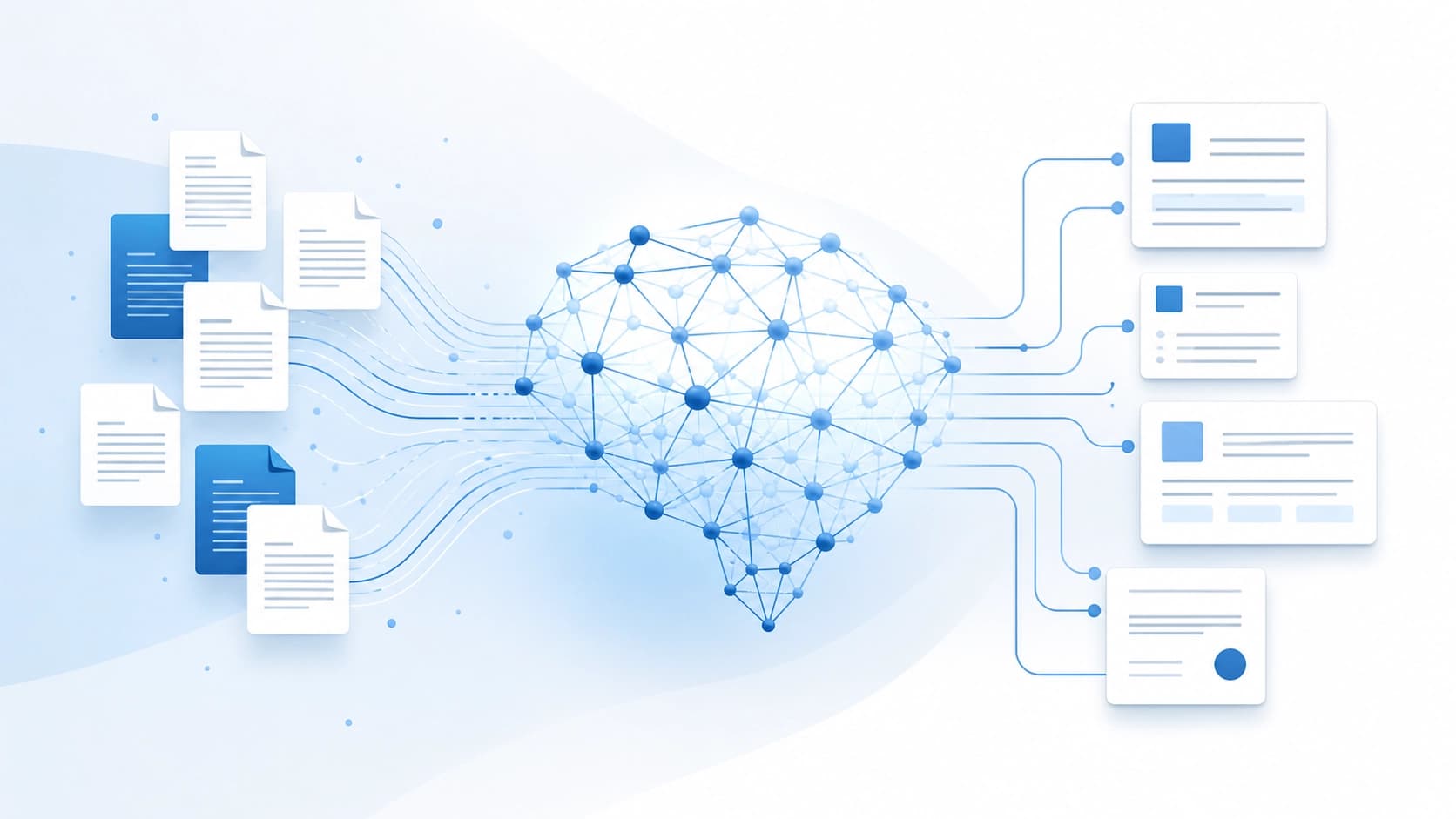 Step-by-step guide: how to organize your work with ChatGPT
For systematic adoption of neural networks in legal practice, we recommend the following course of action:
- Identify your routine tasks. Write down all the activities that take more than 30 minutes each day: preparing standard letters, answering recurring client questions, and initial document processing.
- Create a prompt library. Develop a set of standardized prompts for each common task. Save successful formulations in a separate file and refine them over time. A good prompt produces the desired result on the first attempt and requires minimal correction.
- Set up a knowledge base. If you work with your own clients, upload key document templates into the model’s context so that ChatGPT uses them when generating new texts. Remember confidentiality and do not share data that could compromise attorney-client privilege.
- Implement two-stage quality control. The first stage is fact verification: check all legal references, dates, and organization names generated by the model. The second stage is editing: adapt the style, add specific terminology, and correct the wording.
- Run a pilot test. Take one assignment or case to trial the technology. Record the time spent preparing documents with and without ChatGPT. After two weeks, compare the metrics and decide whether to scale up the practice.
Limitations and risks: what every lawyer needs to consider
However attractive the automation of legal processes may be, there are serious professional and ethical limitations to using large language models. First and foremost is confidentiality. By uploading client personal data or company trade secrets to a cloud-based neural network, you assume risks related to potential data leaks. It is recommended to anonymize data before uploading it to the system.
The second significant aspect is legal responsibility. Under the laws of many countries, lawyers bear full responsibility for documents filed, regardless of who prepared them. If the court finds an error, a reference to an outdated version of a law, or any other defect in a claim written by a neural network, the lawyer and their firm will be held responsible.
Finally, remember the limitations of the model itself. ChatGPT cannot assess the litigation prospects of a case considering the factual nuances known only to you as the lawyer. It does not take into account a judge’s psychological characteristics, regional practice, or the human factor — everything that forms the foundation of a trial lawyer’s professional skill.
 Crafting effective prompts for legal tasks: examples and nuances
The key skill when working with ChatGPT is formulating the right request. A legal prompt should be as specific as possible and include: the role (who you are asking as), the task (what needs to be done), the context (input data), and the format (what the answer should look like).
An example of an effective prompt: “You are an attorney with 10 years of experience in commercial disputes. Draft a motion to appoint an expert examination in a case for damages recovery. The factual circumstances are provided below: [description text]. Justify the need for the examination with references to current procedural law. Use formal business style and maintain a neutral position.”
Avoid vague requests like “help with a claim” — the result will be too general and useless. The more details and input you give the model, the higher the quality of the answer and the closer it will be to real practice.
Conclusion: how to find a balance between automation and professional expertise
Integrating ChatGPT into legal practice is not a trend but a natural stage in the development of the profession. Lawyers who have mastered this tool gain a significant competitive advantage through faster document preparation and the ability to devote more time to strategic aspects of their cases. However, the effectiveness of the technology depends directly on the maturity of the lawyer and their ability to build a system of checks and controls.
Start small — try using the neural network on one standard assignment. Study its “style,” evaluate the quality of the texts it produces, and record time metrics. Gradually, you will develop your own methodology that leverages the model’s strengths and compensates for its weaknesses.
Remember: ChatGPT is not a source of law and not a replacement for legal qualification. It is a tool that makes document preparation faster and more technological. Without a lawyer capable of verifying machine-generated results, it remains only an expensive toy. We wish you productive automation and the preservation of your professional identity in the digital transformation of the legal profession.