
Several cybersecurity researchers participating in OpenAI's closed program unexpectedly lost access to defensive research tools. The company promptly acknowledged that this was due to a technical glitch, not user fault. Nevertheless, affected users will need to go through the verification process again to restore their access.
What happened
Specialists admitted to the Trusted Access for Cyber (TAC) program, which lifts some of the standard AI restrictions for defensive tasks, encountered a block when trying to open the Cyber section in ChatGPT. Instead of a working dashboard, a notification appeared stating that the user's identity could not be confirmed, or that the account "does not meet the requirements at this time."
Complaints began appearing on OpenAI's official support forums and on social network X. According to TechCrunch, the editorial team managed to speak with five affected researchers — all of them reside outside the US and Europe. This is an important detail: it is often these specialists who handle the work of finding vulnerabilities in AI systems used around the world.

OpenAI's response
The company confirmed that the issue is technical in nature. One researcher said they received an email explaining that access to Daybreak Blue was revoked "due to a technical issue affecting a limited number of users." The message's authors emphasized: "This was an issue on our side, not the user experience we want to provide."
OpenAI also referenced a post on X stating that for some users, access to Daybreak Blue was no longer active and they would need to go through verification again. Researchers were asked to submit a new application and re-verify. However, there is still no clarity on when exactly access will be restored or how quickly the re-verification will proceed.
What are Daybreak Blue and TAC
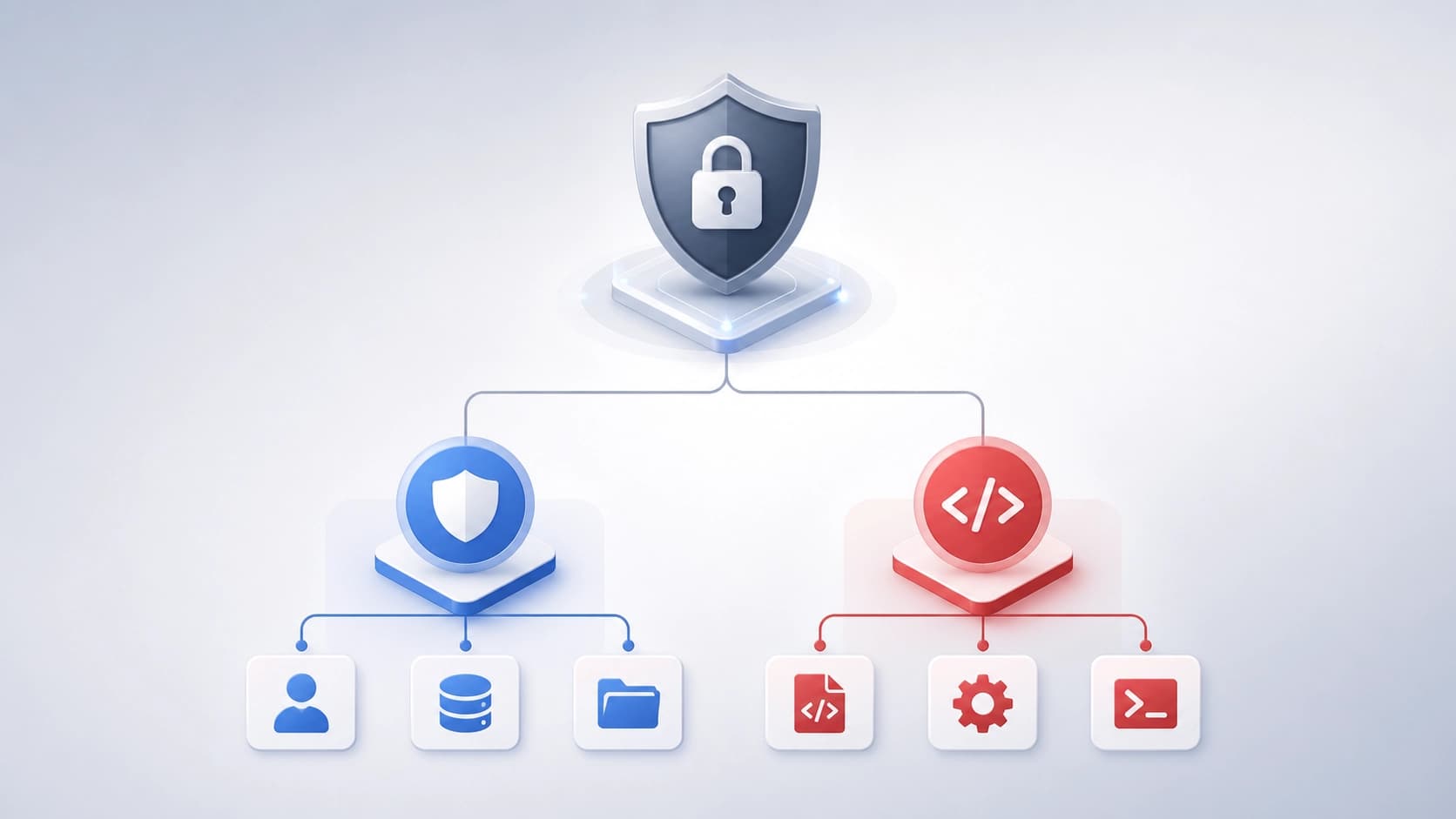
The TAC program was created as a compromise: give security specialists access to powerful models while maintaining necessary safeguards. The Daybreak Blue tier, launched on August 10, is designed for individual researchers and provides access to "advanced general-purpose models, including GPT-5.6 Sol," with restrictions adapted for authorized defensive work.
In addition to Blue, there is a higher tier — Daybreak Red. It is designed for authorized vulnerability research, exploit testing, and security testing. Both tiers are meant to make life easier for specialists who need not just a chatbot with basic answers, but full-fledged tools for analyzing system security.
Why this matters
The case of mass access blocking is not just a local glitch. In recent months, researchers have regularly complained about overly strict restrictions from OpenAI and Anthropic that hinder legitimate work. Even a temporary loss of access to tools like Daybreak Blue can slow down the search for critical vulnerabilities in AI systems.
Re-verification for all affected users means additional time and bureaucracy that distracts from core work. OpenAI has already acknowledged its mistake, but to maintain community trust, it is important not only to apologize but also to make the access restoration process as fast and transparent as possible. Otherwise, researchers will look for alternative platforms where they won't be cut off due to technical hiccups.