Why a separate ChatGPT mode for teenagers was needed
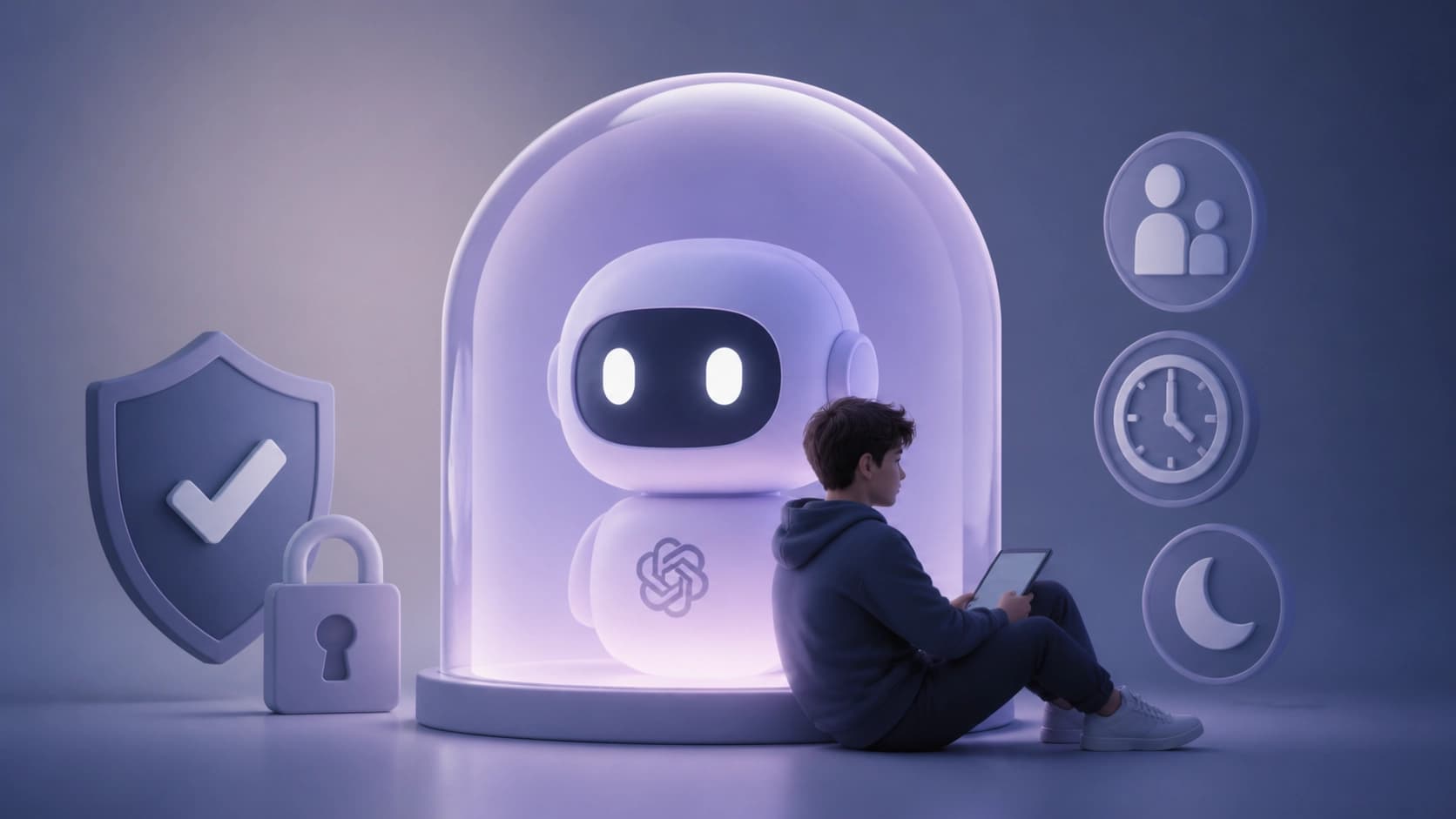
OpenAI has combined scattered mechanisms for protecting young users into a single "teen" profile. Now everyone who states their age as 13 to 17 (as well as those the system considers under 18 based on indirect signals) automatically enters a special mode of ChatGPT. This comes amid growing public pressure: parents and educators are increasingly asking how AI tools affect schoolchildren's thinking and behavior, and want clear safety rules.
In the company's official blog, the new experience is described as a way to help teenagers learn, develop critical thinking, and work with AI more confidently. In practice, it is a set of restrictions, prompts, and settings designed to make interactions with the neural network more mindful.

What exactly changes for users aged 13–17
The main thing is content filters. Topics related to graphic violence, self-harm imagery, as well as sexual and romantic roleplay are banned by default. If a teenager tries to touch on any of these, the model reacts more strictly than it would for adults.
Around certain dangerous topics, such as eating disorders, ChatGPT now shows warnings and reference materials instead of simply giving an answer. This approach is already familiar from other social networks and search engines, but for an AI assistant it is a notable step toward "medical" caution.
Parental controls and "quiet hours"
For parents, several tools have been added that were previously scattered across different settings. You can set "quiet hours" — times when ChatGPT use is discouraged — and receive notifications if the system detects a potentially risky request. This is not total surveillance, but rather a signal: perhaps the teenager has encountered something concerning.
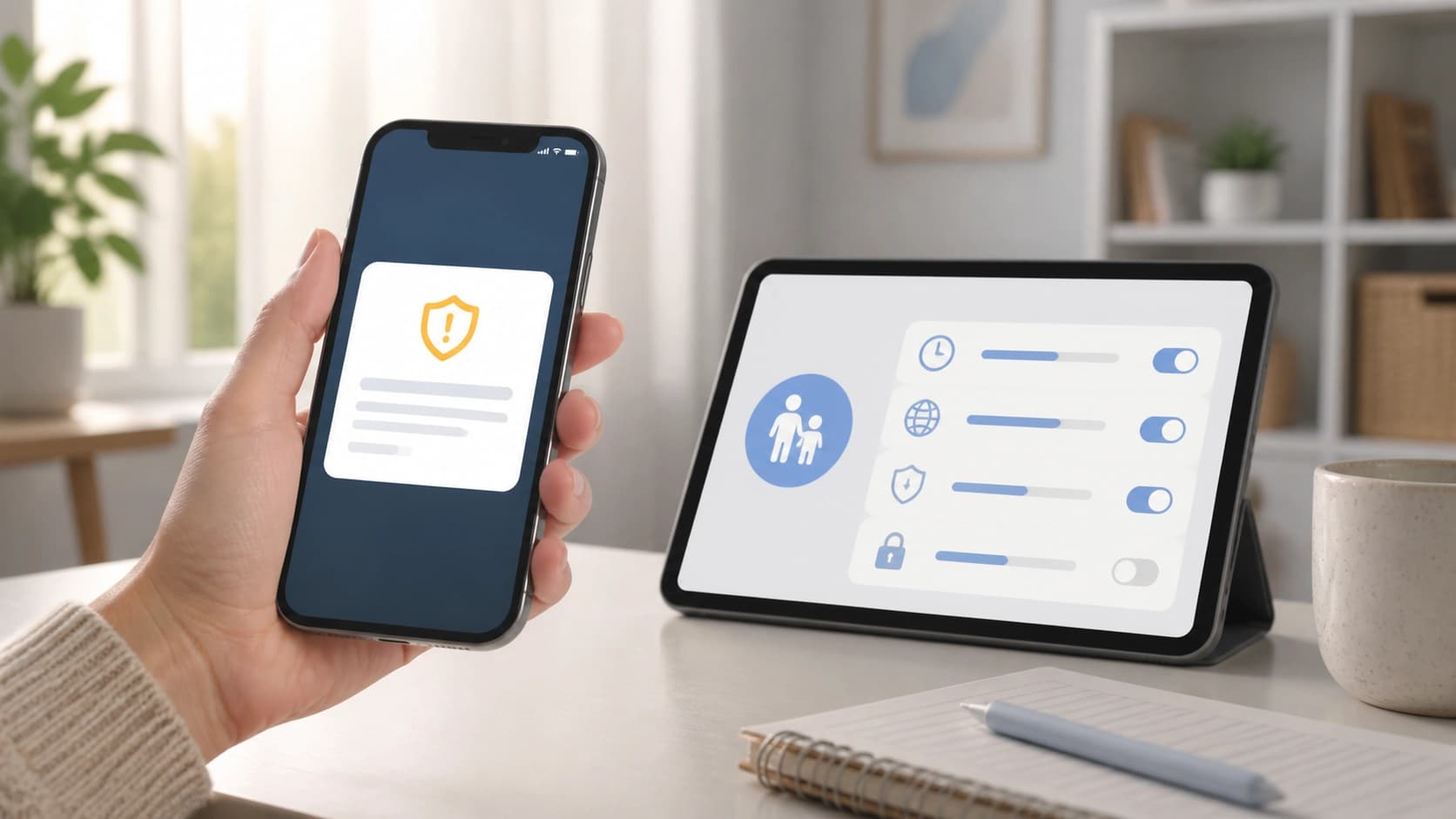
There are also elements designed to make usage more "healthy": reminders before uploading sensitive images, adapted onboarding for first login, and interface settings such as accent colors or voice variations. These small touches make the product friendlier for a younger audience, but carry little semantic weight.
A separate study mode and tackling "cutting corners"
The most interesting new feature is "responsible homework reminders." The model learns to recognize when a teenager is trying to get a ready-made solution, and instead redirects them to a special study mode in ChatGPT. There, the task can be broken down step by step without receiving the final answer. Additionally, you can set "study hours": then the mode will launch automatically, for example, from four to six in the evening.
This feature targets the main criticism of AI in education — that children stop thinking for themselves. OpenAI is trying to turn the assistant from a "solver" into a tutor.
How new this really is
It is worth admitting: most of the described measures already existed in one form or another. The company introduced age estimation at the beginning of the year, parental controls and study mode appeared about a year ago, and since last month teenagers have already been shown break reminders more often. The current launch is more of a consolidation than a revolution. The main novelty is a unified "package" and a few targeted additions like "responsible reminders."
Nevertheless, OpenAI emphasizes that the protective mechanisms are built on ongoing safety research. The company promises to publish more data on young users' behavior and gradually add new tools. So the current mode is not a final point, but a working prototype of a large system for protecting minors in AI services.
In the end, for teenagers and parents, what will change is more the feeling of control and predictability. ChatGPT will remain just as useful an assistant, but with clearer boundaries that can be customized to fit individual needs.