Introduction: Two Approaches to AI Art
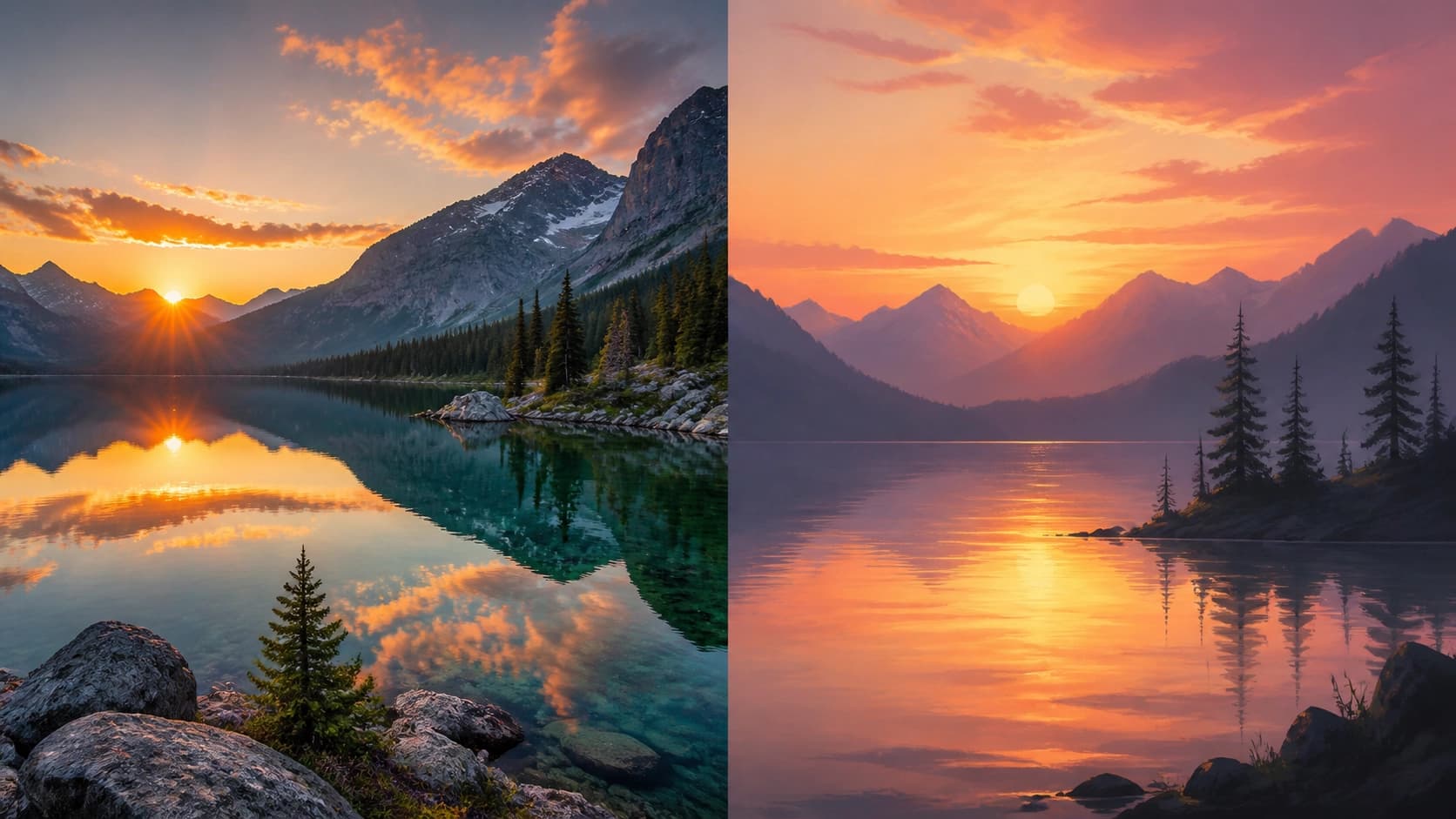
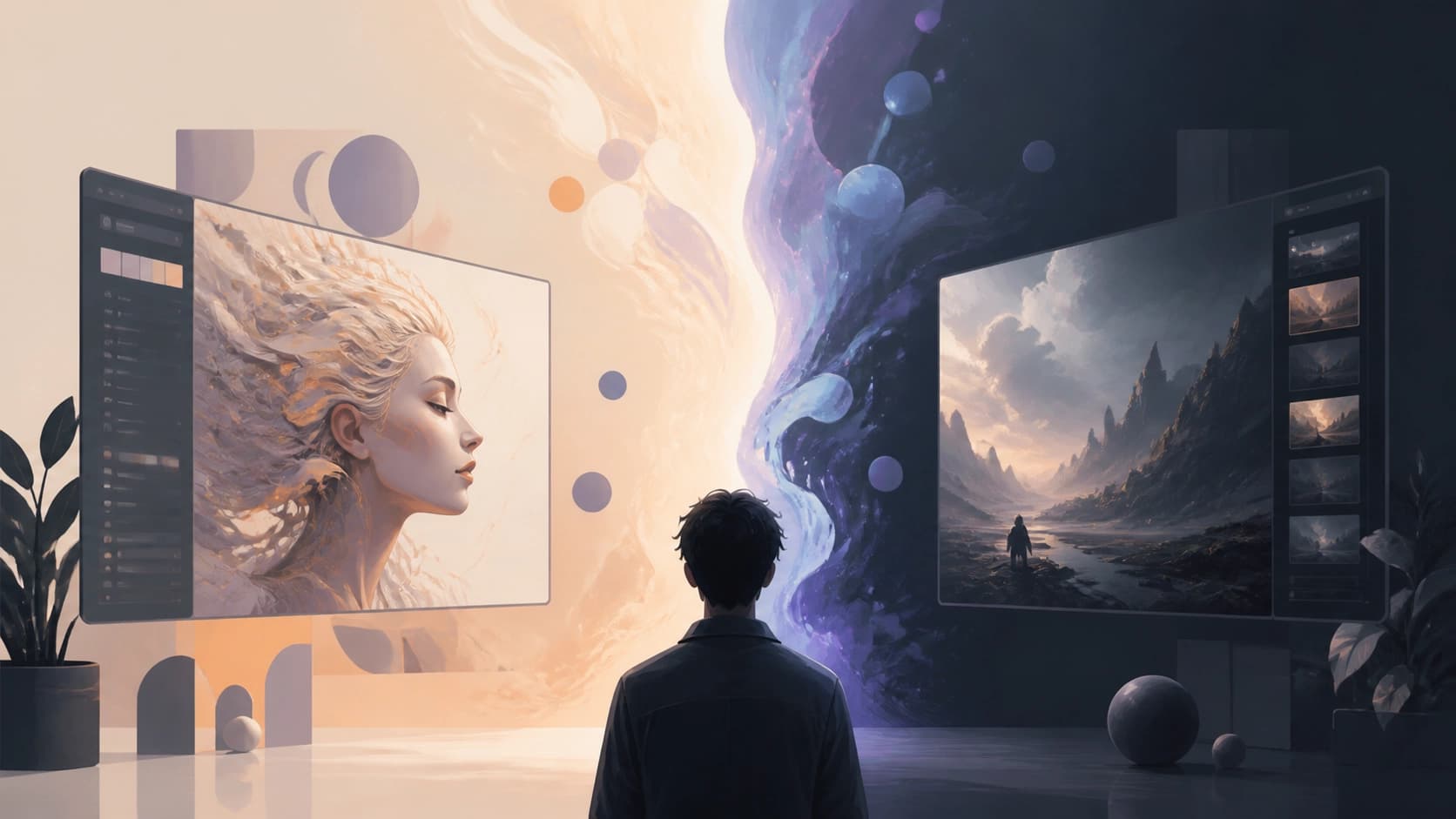
In 2024, generating images from text descriptions has definitively become a mainstream tool. Among the many services, two platforms stand out: they solve the same problem but in completely different ways. Leonardo AI bets on a web interface and control over the process, while Midjourney 6.1 bets on artistic quality and a lively community on Discord. Choosing between them often comes down not to “what’s better” but to “what suits you.” Below, we break them down by key parameters: from ease of entry to generation speed.
Interface and Accessibility
The way you interact with a service is the first thing a user encounters, and the approaches here are fundamentally different. One tool strives to be as friendly as possible from the very first second, while the other immerses you in a separate ecosystem.
Working in the browser
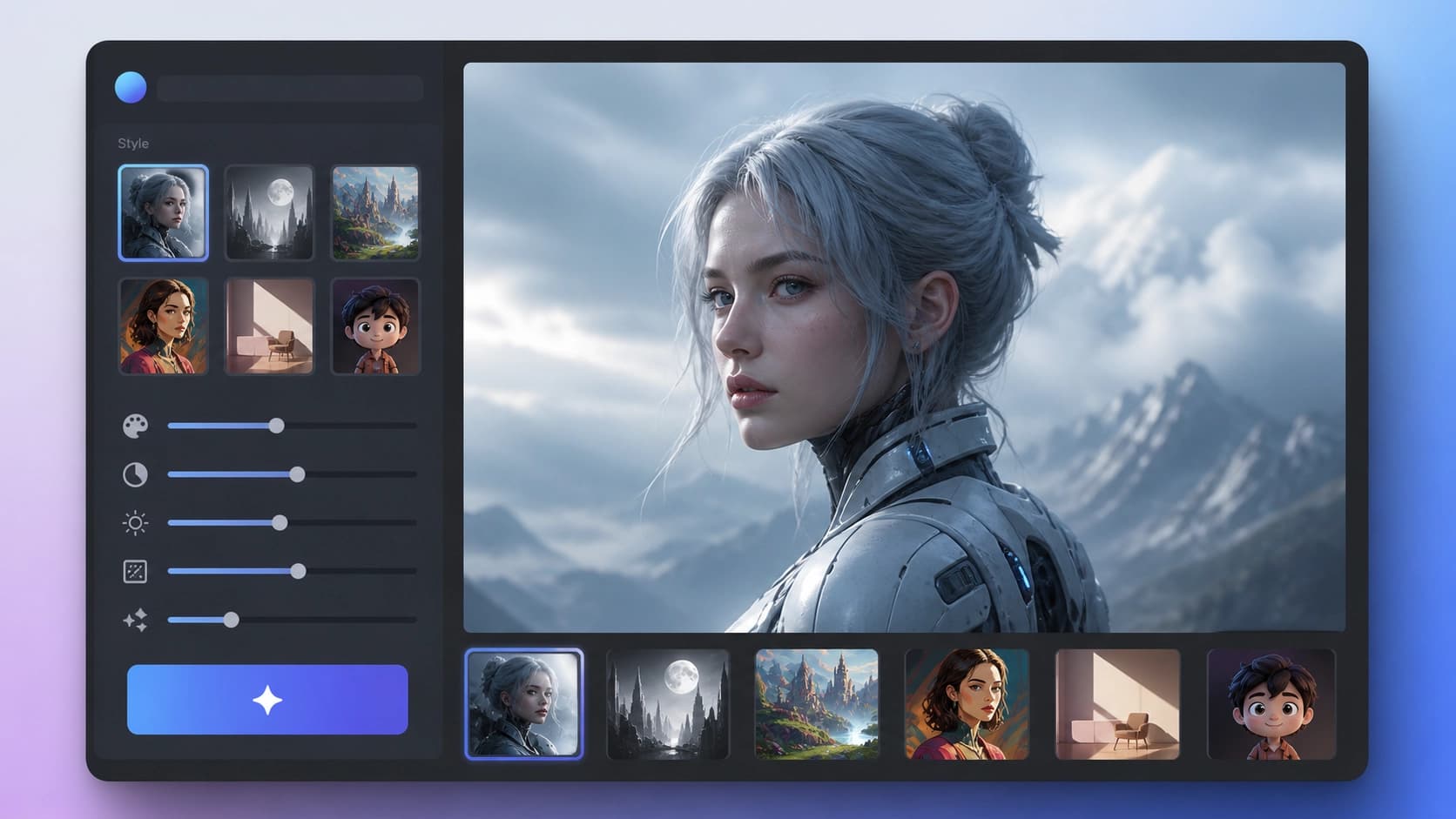
Leonardo AI offers a clean, intuitive web interface, and everything happens right on the site. There’s no need to install additional software or get used to non-obvious commands. You open the page, enter a prompt, and get a result. This is a plus both for beginners trying AI generation for the first time and for experienced artists who don’t want to waste time learning a new platform.
Discord as the primary canvas
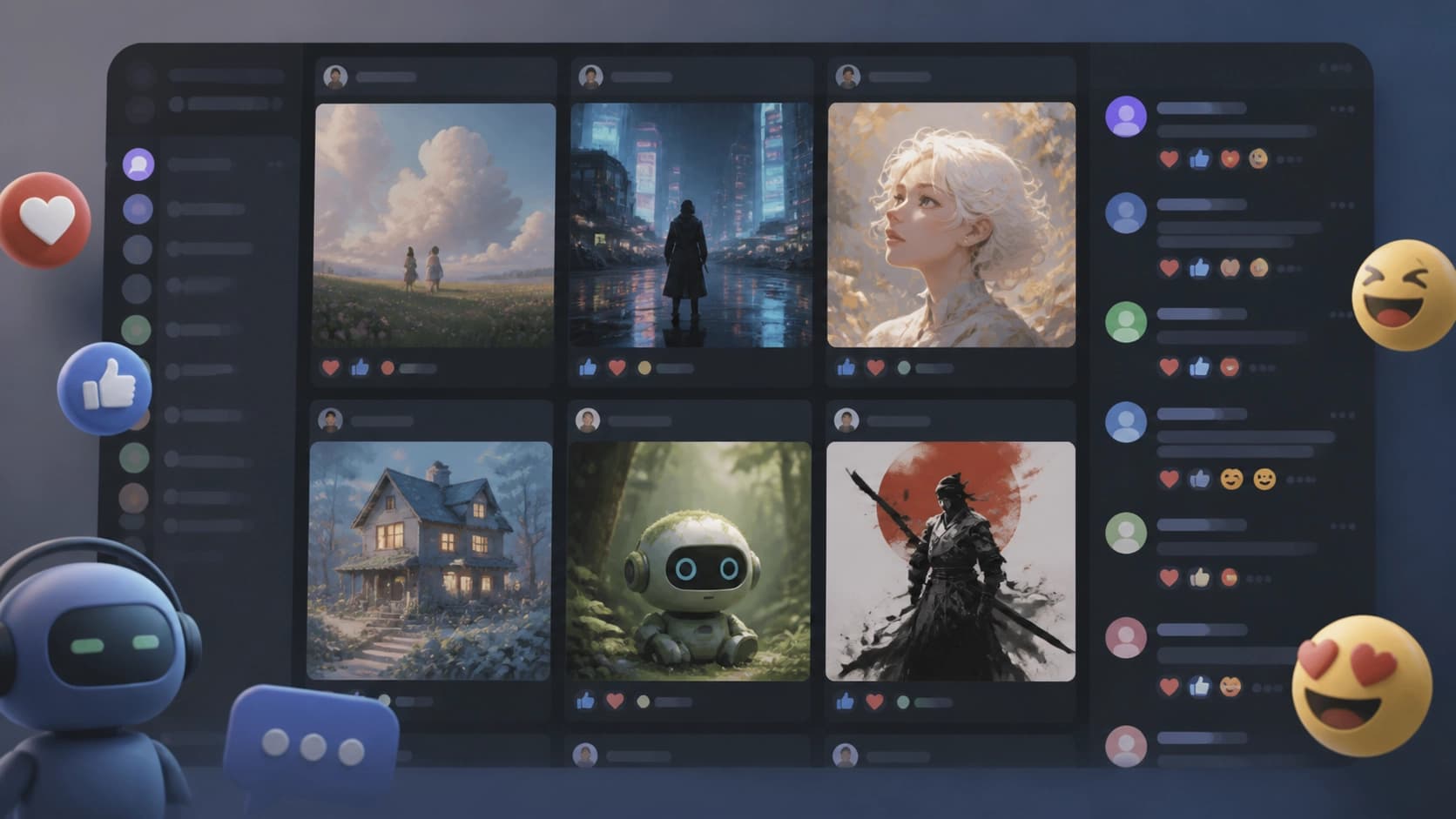
Midjourney 6.1 is the complete opposite in this regard. The service works primarily through Discord, which gives a unique experience of a live community but also means a steeper learning curve. Newcomers will have to figure out the chat interface, channels, and bot commands before they can work properly. At the same time, this setup creates a “shared workshop” effect where other people’s work is always right in front of you.
Image Quality and Style
Both platforms produce impressive images, but their strengths lie in different areas. So the choice largely depends on what result you consider ideal.
Style flexibility
Leonardo AI can work across a wide range of genres, from photorealism to abstraction. Especially worth mentioning is its ability to maintain consistency when creating character and scene designs: if you need a hero to look the same across a series of images, this platform will handle it confidently. Quality remains consistently high even with unusual composite prompts.
Artistry and atmosphere
Midjourney 6.1, released on July 31, 2024, is famed for its almost painterly image quality. The service is especially strong in atmospheric and emotional scenes: light, shadows, texture, mood — everything looks as though it was created by a professional illustrator. Detail and creative interpretation of prompts are top-notch here. The V6.1 update noticeably improved image coherence and understanding of complex multi-part prompts.
Customization and Generation Control
If you’re used to keeping the process under control, the choice of tool becomes especially important. The ability to influence the result differs dramatically between the platforms.
Leonardo AI has this fully covered. The platform offers extensive options: style presets, negative prompts to exclude unwanted elements, and fine-tuning of individual details. Users can shape the process to fit their own needs rather than adapt to the algorithm. This is convenient when a project calls for a predictable, repeatable result.
Midjourney 6.1 also received improved customization mechanisms, but here the result depends more heavily on the precision and thoughtfulness of the prompts themselves. Its arsenal includes remix and vary functions, which let you refine the image iteratively: change a single detail, blend variants, or set off from the result in a new direction. This is more of a dialogue with the model than fine-tuning parameters.
Generation Speed and Volumes
Performance matters when you’re creating lots of images or working under tight deadlines. Here, not only the speed of a single request comes into play, but also the daily limits on your plan.
Leonardo AI generally works faster and offers higher daily limits on paid plans. That makes it a practical choice for anyone who needs many images in a short time — for example, for content projects, game assets, or quick prototypes.
Midjourney 6.1 also got faster in the update, but generation can take longer during peak hours. Different subscriptions give you different volumes, so with heavy usage it’s worth studying the plans carefully. Here the priority is not speed but the quality of the result and the community atmosphere.
Community and Inspiration
For many artists, the source of ideas is just as important as the tool itself. One service is more like a gallery, the other — a bustling workshop.
Leonardo AI has a growing community and a gallery of works where you can browse others’ ideas, but interaction between users is still limited. You’re more of an observer than a participant.
Midjourney 6.1 is a huge active community on Discord. The feed of other users’ works updates constantly; you can get feedback, learn from your peers, and take part in a shared creative life. If the social aspect matters to you, Midjourney wins here by a clear margin.
Conclusion: Which Tool to Choose
There’s no clear winner in this comparison — it all depends on your tasks and habits.
Choose Leonardo AI if you need a clear interface, extensive settings, and fast generation with high limits. It’s a great option for beginners who want a controlled result quickly, and for professionals who value a practical workflow.
Choose Midjourney 6.1 if artistic quality, atmospheric images, and the support of a large community are your priorities. Keep in mind that you’ll have to get used to Discord, and the result will depend more on your skill at crafting prompts.
In an ideal scenario, you could use both services in parallel: for example, Leonardo for drafts and quick concepts, and Midjourney for final impactful pieces. But if you need to choose just one, ask yourself: do you value control over the process or the flight of creative imagination?