What Gemini is and how it came to be
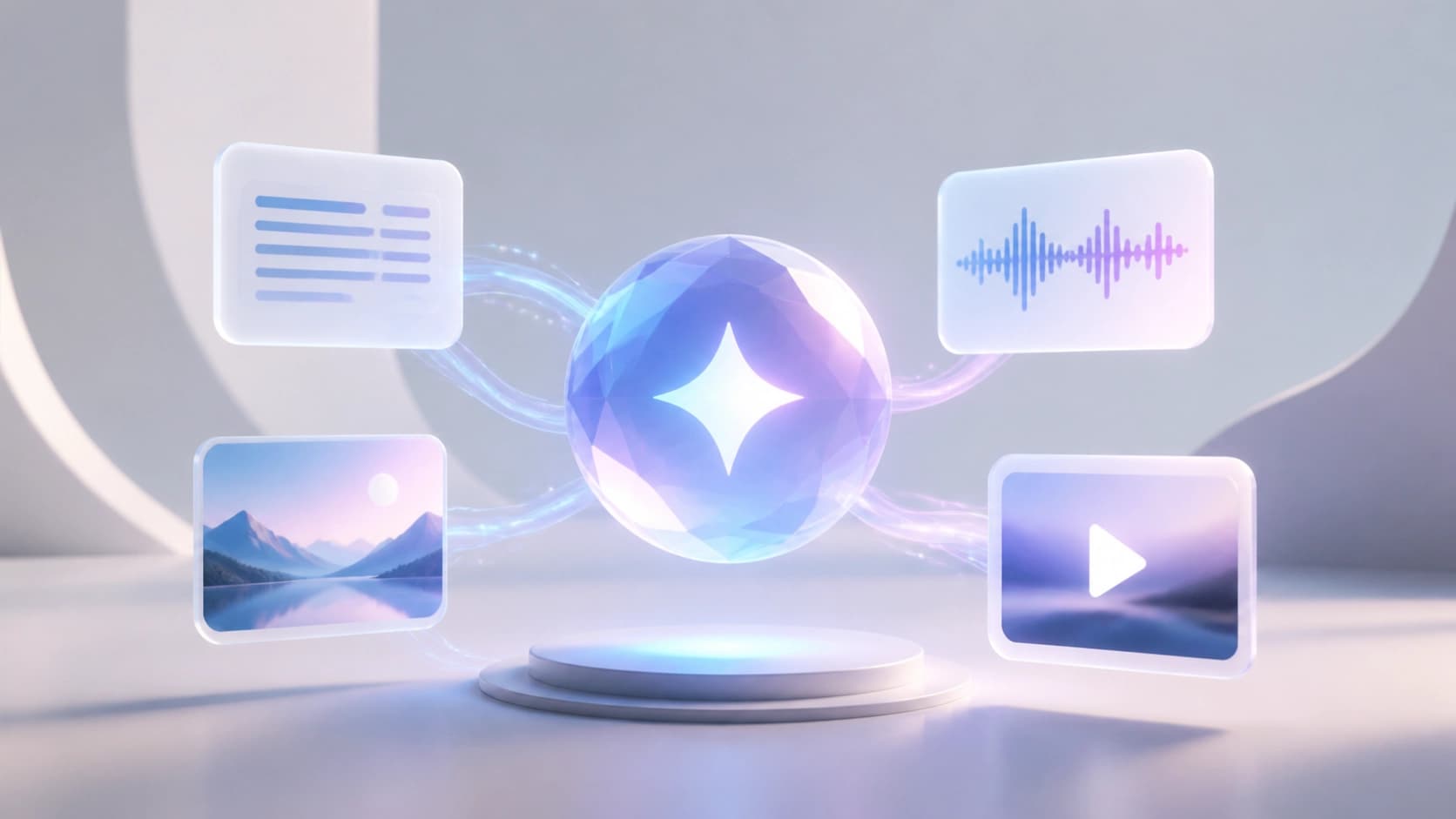
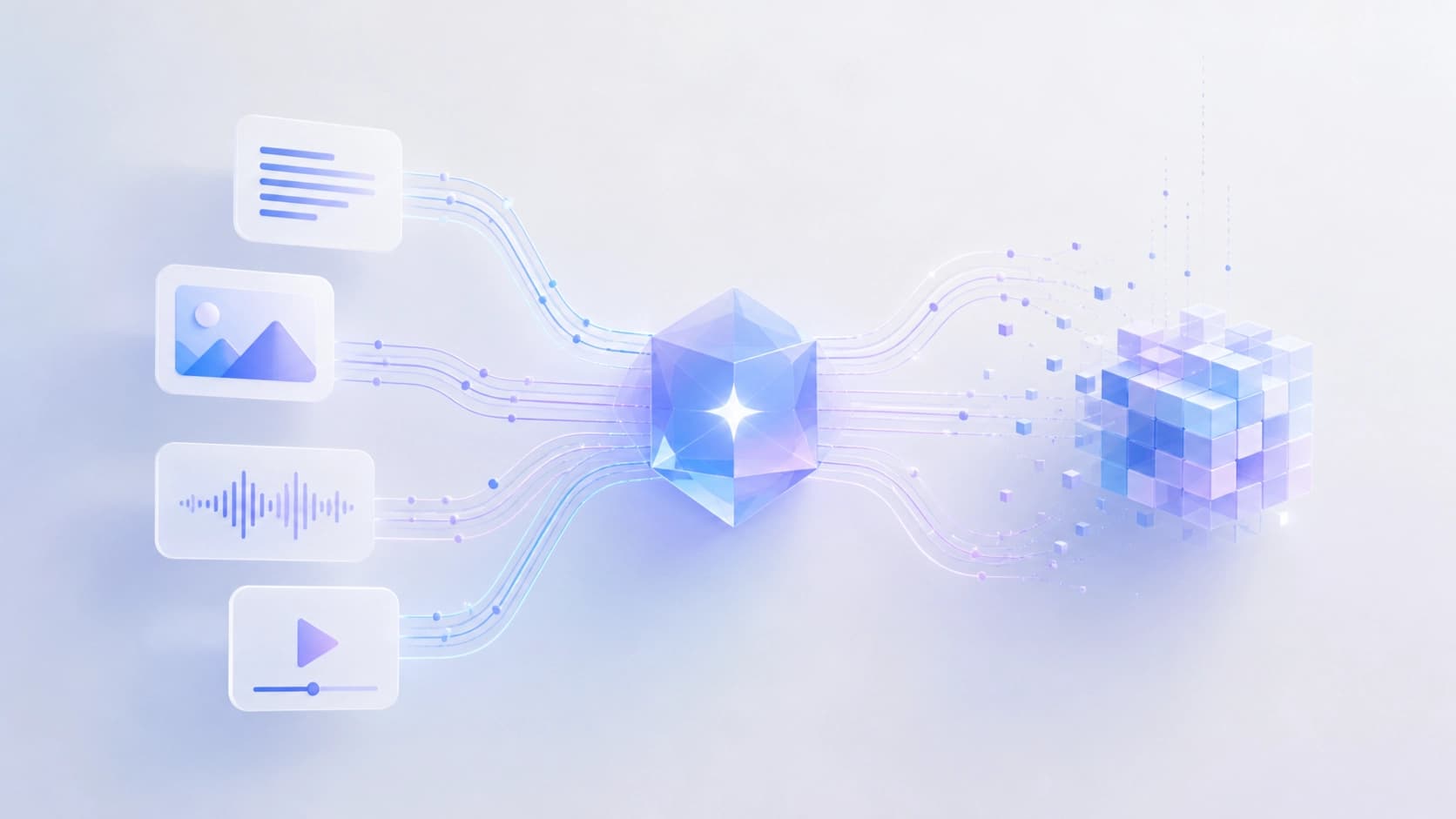
Gemini is a family of large language models created by Google DeepMind. The brand debuted in February 2024, replacing the former assistant Bard. Gemini's key feature is native multimodality: a single architecture processes text, images, audio, and video without separate modules. So you can send a video clip, a screenshot, and a text explanation in a single prompt.
Over more than two years, three generations of models have been released. The first included the Ultra, Pro, and Nano versions; then came Gemini 2.0 Flash and 2.5 Pro; and by spring 2026 the lineup was updated to Gemini 3 Flash, Gemini 3.1 Pro, and a separate image model, Nano Banana Pro. As of April 2026, Gemini 3.1 Pro is considered the current flagship.
Models and plans as of spring 2026
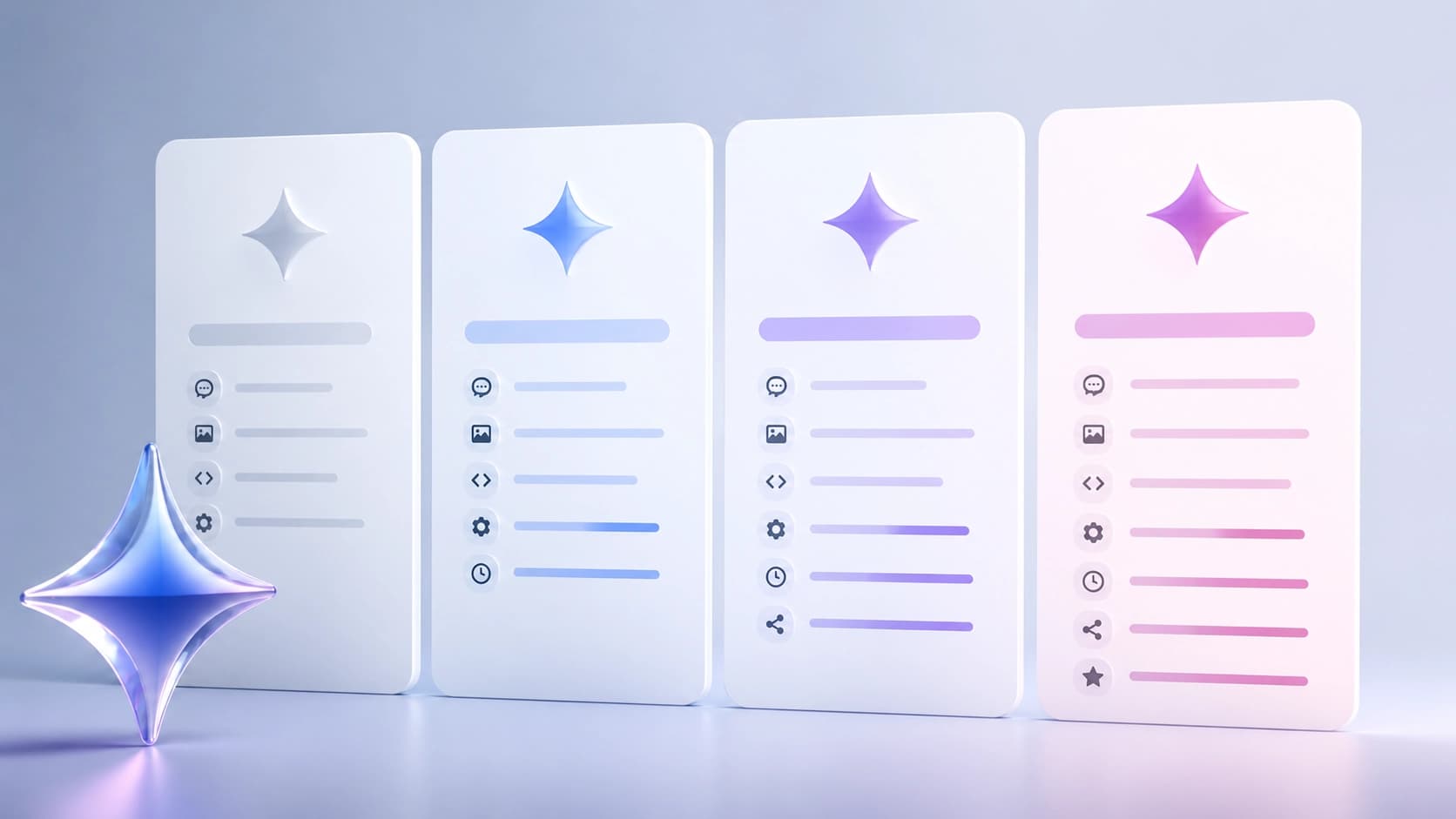
Currently, the lineup looks like this:
- Gemini 3 Flash — a fast model for everyday tasks and simple scenarios. Context window is 1 million tokens; available for free.
- Gemini 2.5 Pro — a tool for in-depth analysis and working with long documents. Also 1 million tokens, but included in the paid AI Pro subscription.
- Gemini 3.1 Pro — the flagship focused on reasoning, code writing, and multimodality. Context window is up to 2 million tokens, which corresponds to roughly 1.4 million words or two hours of video. Available on AI Pro and AI Ultra plans.
- Nano Banana Pro — image generation and editing, available on AI Pro and AI Ultra.
As of April 2026, the pricing looks like this (according to 9to5Google):
- Free — unlimited access to Gemini 3 Flash, limited access to Pro models, up to 20 generated images per day via Nano Banana 2, and up to 20 presentations.
- AI Plus — $7.99/month. Includes limited access to top models, Gmail and Calendar integration, and 200 GB of cloud storage.
- AI Pro — $19.99/month. Offers high limits on Gemini 3.1 Pro, a 1 million token context, Deep Research mode, and 5 TB of storage.
- AI Ultra — the most expensive plan, with priority access to new features and unlimited access to flagship models.
The free version in April 2026 lets you create up to 20 images per day and up to 20 presentations — enough for a light introduction to what the platform can do.
Real-world use cases
Gemini's strengths are especially visible in three areas.
Live web search. The model is connected to Google Search by default and can look up fresh information during a conversation. This is convenient for fact-checking, news, and up-to-date data — the assistant isn't limited only to its own knowledge.
Working with video. Thanks to native multimodality, Gemini handles video content very well. This is especially useful for tasks involving Veo, when you need to understand what's in a video or generate a description.
Deep Research. A multi-step search feature that automatically gathers information from different sources and produces a structured report. The user just sets a topic and gets a ready-made result.
In addition, Gemini is deeply integrated into the Google ecosystem: Docs, Sheets, Drive, Meet, and Gmail. This lets you automate routine tasks — for example, drafting an email or pulling out a summary of a conversation.
That said, there are limitations. Agentic features are still in beta, and the autonomy of actions is limited. Some functions require manual verification, so you can't fully hand off independent work to the assistant yet.
All in all, Gemini remains one of the most interesting multimodal platforms on the market, especially if you need an assistant with real search, deep analysis, and tight integration with Google services. But before choosing, it's worth assessing how critical the lack of official support in your country and payment complications are to you.