
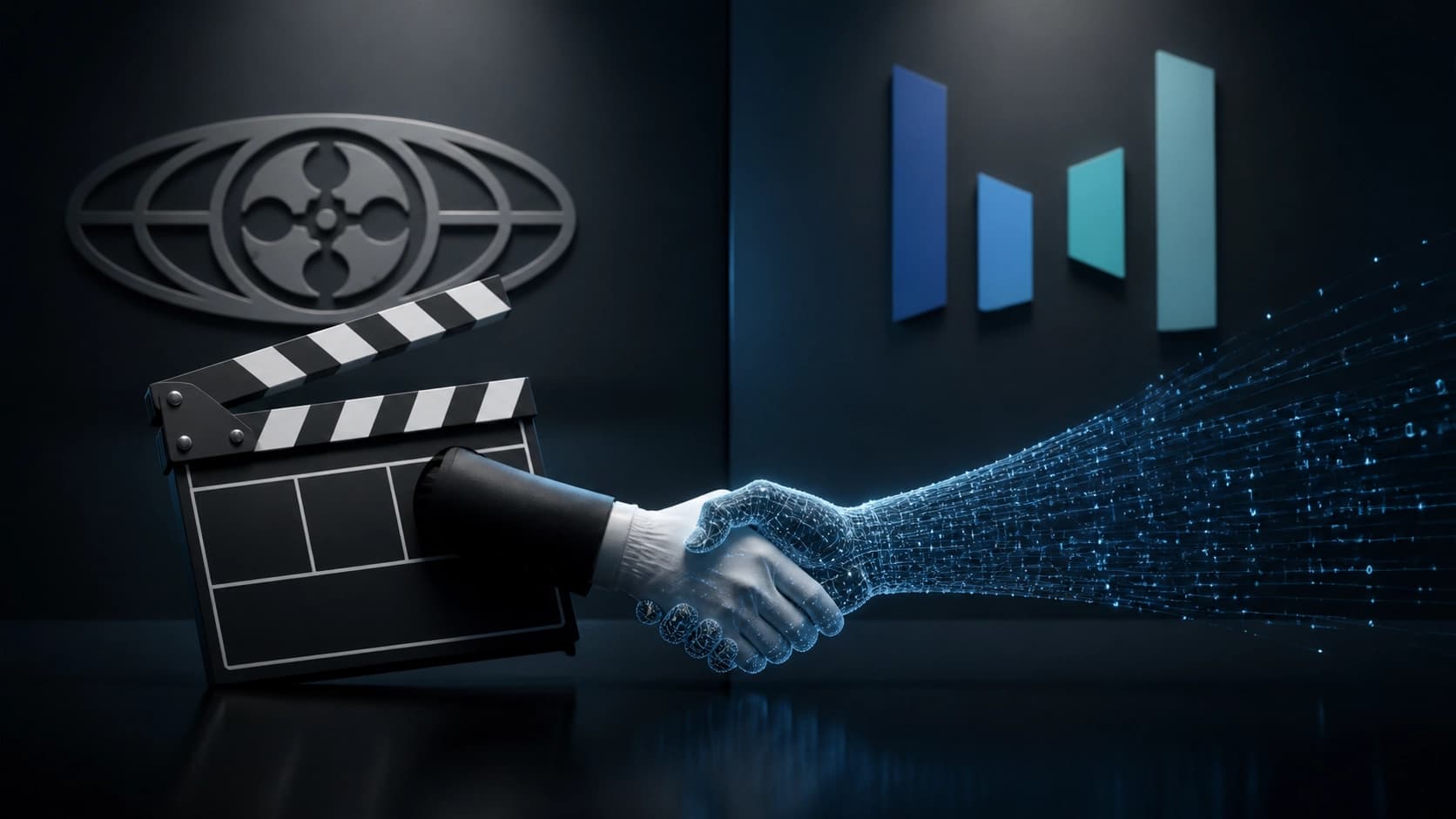
First-ever agreement between Hollywood and an AI company
For the first time in history, the Motion Picture Association — an alliance of the largest film studios — has entered into an official agreement with a developer of generative artificial intelligence. The partner is Chinese company ByteDance. To address copyright holders' claims, the company has tightened copyright protection in its models: the video generator Seedance and the image generator Seedream.
The parties have not yet disclosed technical details: it is unknown what specific restrictions are built into the algorithms and how their effectiveness will be verified. The very fact of negotiations and compromise is already being called historic — previously, the association preferred to act through the courts.
Conflict over a viral video
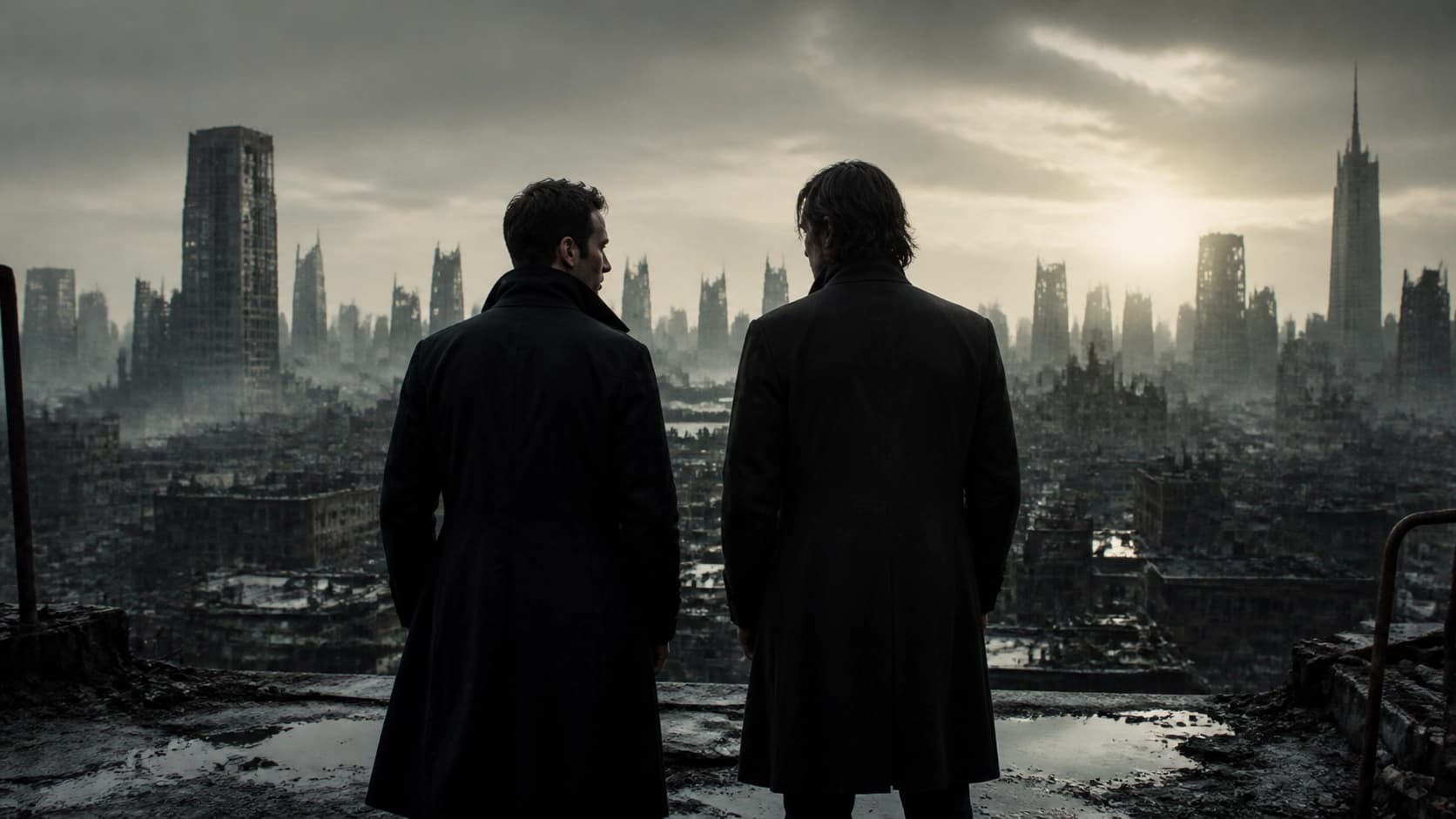
The standoff began in February 2026 after the release of the Seedance 2.0 model. A 15-second clip generated by the neural network went viral on social media: digital versions of Tom Cruise and Brad Pitt strolling through a post-apocalyptic city. Users quickly picked up the trend and began creating characters from "SpongeBob SquarePants," "Stranger Things," and other popular universes.
This very incident showed how far generative AI has come in reproducing recognizable likenesses without permission from copyright holders. For Hollywood, it was the last straw.
Claims from copyright holders and actors
The MPA, representing Disney, Netflix, Sony Pictures, and other studios, demanded that ByteDance stop the violations. Disney, Warner Bros. Discovery, Paramount Skydance, Netflix, and Sony Pictures filed their own claims. This is the first time the association has made an official demand to a major generative AI developer — previously, such disputes were resolved differently.
Actors did not stay on the sidelines either. The SAG-AFTRA union pointed to the use of performers' likenesses and voices without their consent. Deadpool screenwriter Rhett Reese called the situation threatening for people in his profession: if a neural network can replace an actor and a screenwriter at the same time, the future of the industry is called into question.
What ByteDance did
After receiving the claims, ByteDance stated that it respects intellectual property and is ready to strengthen protective mechanisms. Soon, the company released updated versions — Seedance 2.5 and Seedream 5.0 Pro. In a joint statement with the MPA, the parties confirmed that the new releases take into account the need to protect the works and likenesses of copyright holders.
Notably, the company made concessions fairly quickly. This may indicate that ByteDance values maintaining access to the Western market and its reputation as a responsible player over engaging in protracted litigation.
Open questions about the agreement
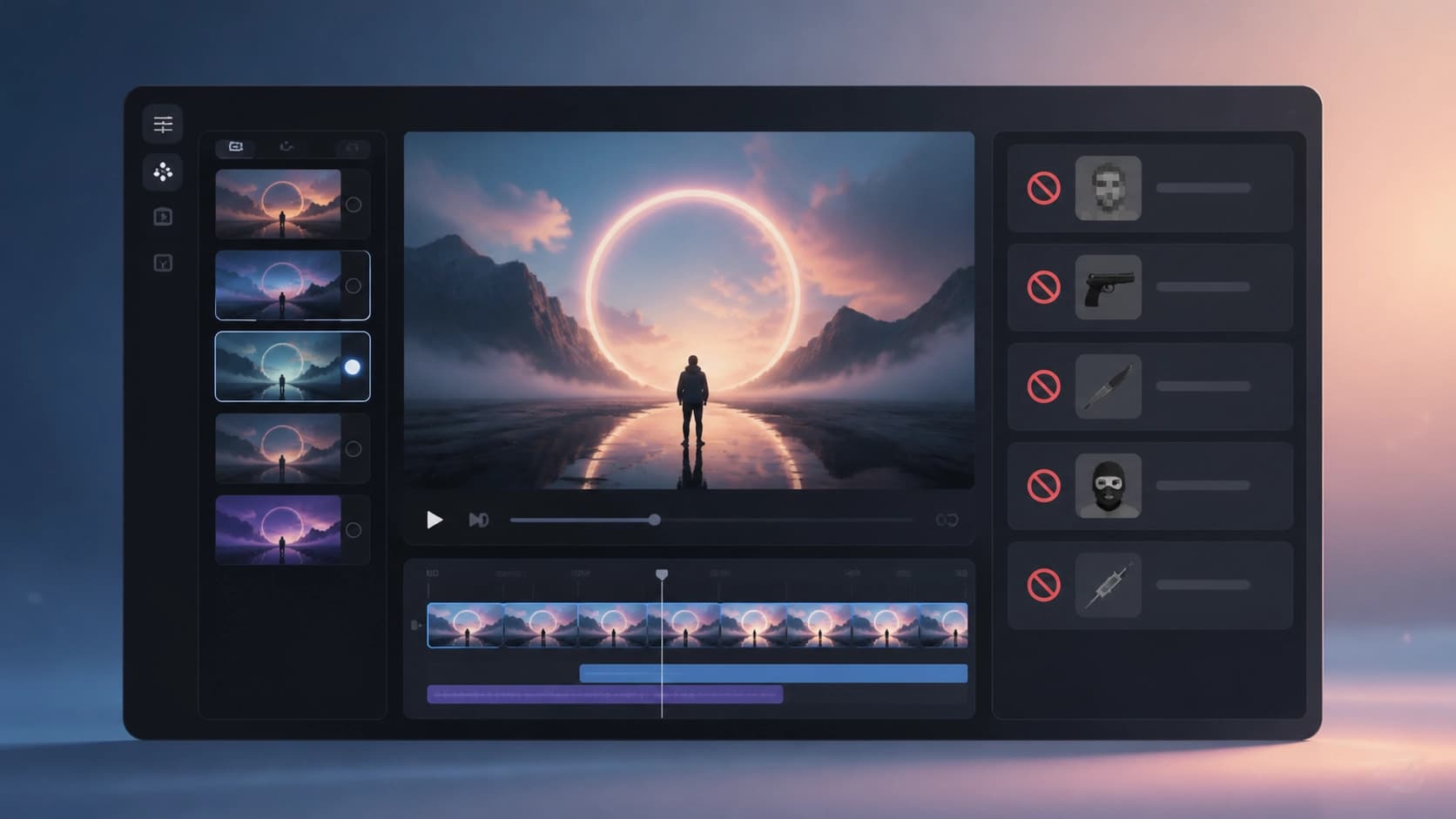
Despite the deal reached, many uncertainties remain. The parties do not disclose whether the models block specific names, characters, and scenes, whether they check uploaded images, whether copyright holders can add materials to a blocklist, and whether the restrictions extend to third-party applications that use ByteDance's API.
Moreover, the agreement does not resolve the main issue — the use of protected works in training data. Hollywood's claims also concerned the possibility that Seedance 2.0 was trained on studio content without permission or compensation. The current agreement only regulates generation outputs, leaving the training topic out of scope.
What's next
This deal changes the very nature of the conflict between copyright holders and AI developers. Instead of immediate litigation, the tech company agreed to reshape its product to meet industry requirements, and Hollywood acknowledged that technical restrictions can be part of a compromise.
For the market, this is an important signal: perhaps in the future, disputes will be resolved not only through lawsuits but also through direct agreements with built-in filters. The question is how effective such measures will prove to be and whether they will become a tool of censorship for neural networks. For now, both sides prefer to keep the details under wraps.