The Flock controversy: what do defenders say?
Debate around Flock has flared up again: Washington Post journalists found 50 cases of misuse of its automatic license plate recognition system, and almost always it involved stalking women. One Wisconsin resident claimed her ex-boyfriend, an officer, searched for her car in the database 179 times. Another said she was harassed by a police chief, and there was simply no one to complain to.
In response, Flock announced updates: the software now flags anomalous searches, and each query requires a case number. But, as the company itself admitted, these numbers are not verified by anyone — an officer can enter any fictitious data. So a formal procedure has been created, but it adds no real oversight.
A systemic problem: it's not about the cameras
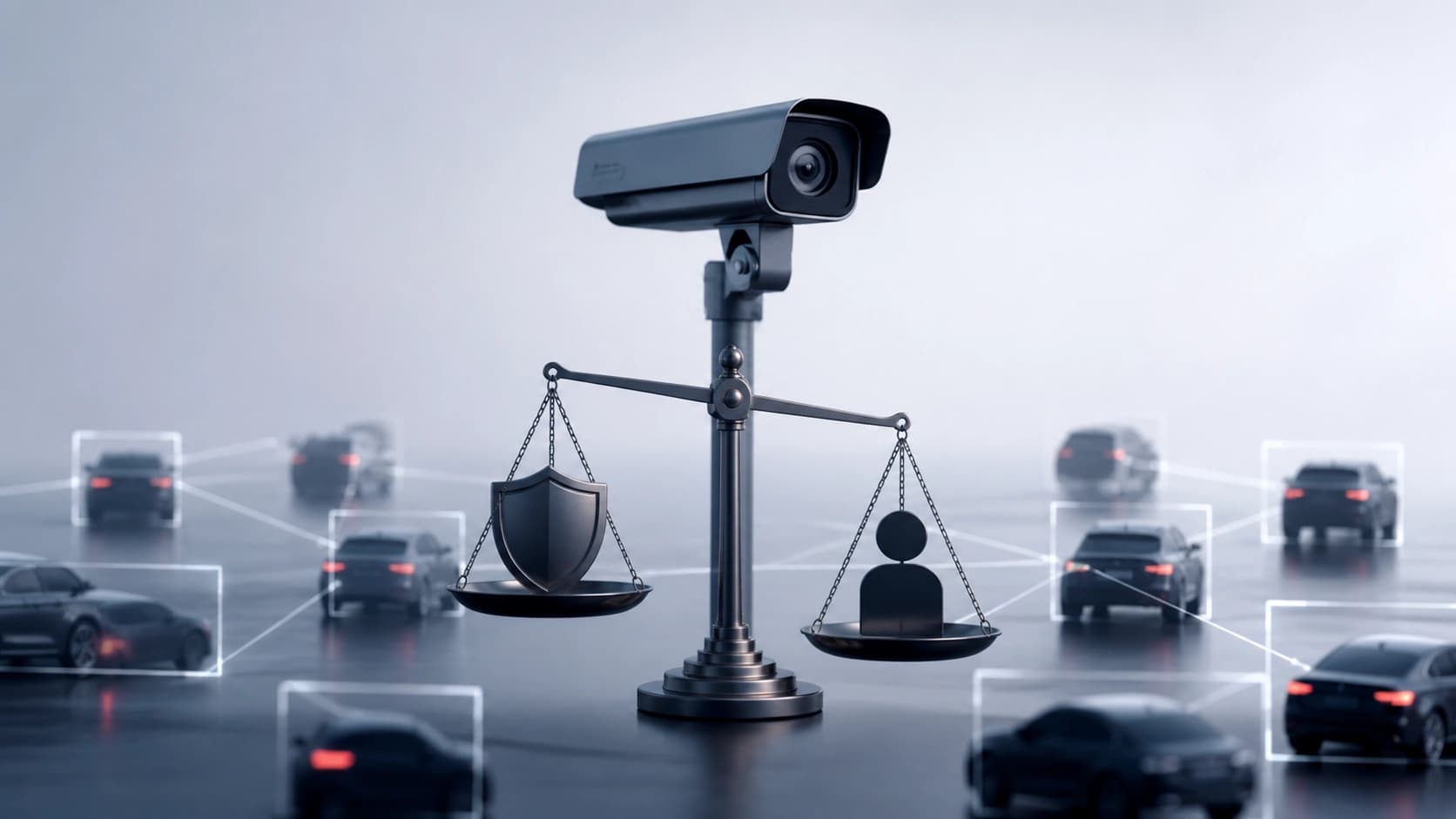
Flock's defenders usually reason simply: if cameras helped solve a crime — the technology is justified, and in other cases they just photograph cars. This logic misses the main point. It's not about individual incidents, but about what kind of crime-fighting system we choose.
Decisions about what data to collect, who is allowed to search it, how long to store it, and how widely to share it — these are not technical details at all. They are what determine the balance between security and civil liberties. Cameras themselves are neutral, but the network built around them sets the rules for everyone involved.
National scale and private decisions
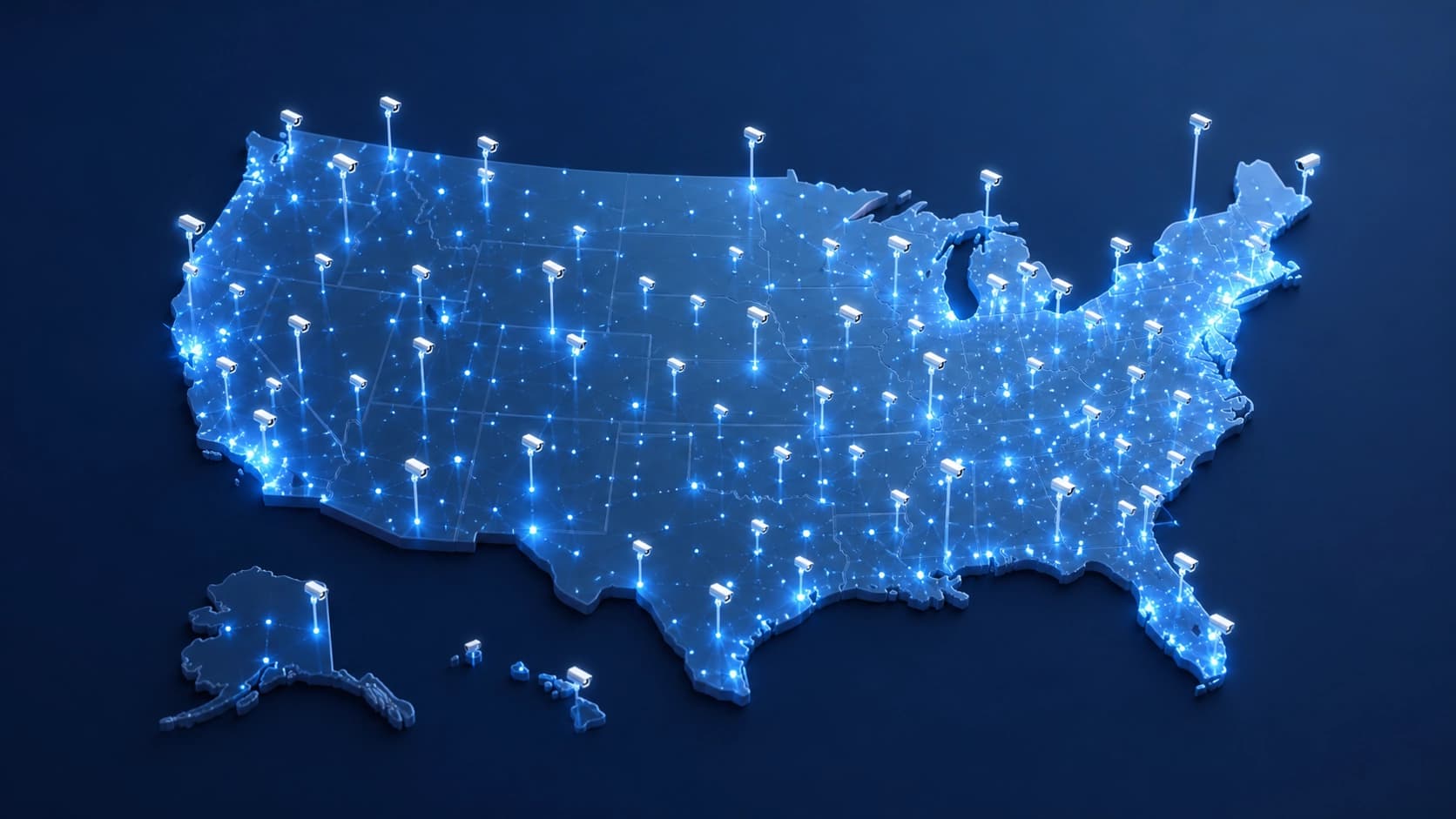
Flock operates not as a local tool, but as a national network: police in one city or state can search data collected in another region, and agencies have the ability to keep records for months and even years. At the same time, the company itself admits: 90% of searches happen within a week of an incident. Flock recently reduced its recommended retention period to seven days, but this is only a recommendation — agencies are free to keep data longer.
It is this scale of access that turns a local security measure into a systemic risk. When movement data on millions of cars is available to a wide range of employees across different agencies, abuse becomes a matter of time. And targeted fixes, like the anomaly detector, don't solve the root problem — they only make misuse slightly harder.
Alternatives and what to do next
What could be done differently? For example, verify case numbers against the police department's own records, rather than relying on officers' word of honor. Or automatically expand data access during an active Amber Alert — when a missing child is being searched for, speed matters more than bureaucratic barriers.
Chad Marlow from the ACLU is convinced that only new laws, not internal company guidelines, can truly limit surveillance. He joked that the most acceptable contract with Flock is the one that is never signed. There's a grain of truth in that irony: Flock's business model, valued at $8 billion, is built on turning cameras into a mass data collection network.
Cities are already starting to cancel contracts with Flock: some are switching to competitors, others prefer to wait until local communities decide how exactly to use such technologies. The main takeaway is simple: defenders' arguments sidestep the systemic question. It's not about whether cameras are useful, but about who gets access to their data and under what conditions. Until this system is reconsidered, any patches will only provide the illusion of control.