
Where To
AI platform that helps select travel destinations and analyze locations based on user preferences.
Overview
Where To
Description of the Where To neural network
Where To is an AI-based platform designed for selecting travel destinations and analyzing geographic information. The main task of the service is to help users find places that best match their interests and preferences.
The tool is built on advanced geographic analytics. The platform collects and processes location data to offer users the most suitable travel options and help them make informed decisions. The tool is aimed at both individual travelers and companies that use location analysis in their operations.
Where To features
| Feature | Value |
|---|---|
| Purpose | Selection of travel destinations and location analysis |
| Technology | Artificial Intelligence |
| Category | Travel planning, Travel, Search engines |
| Target audience | Travelers, companies |
| Key feature | Advanced geographic analytics |
Who is the Where To neural network suitable for?
Travelers
Where To will be useful for those who travel frequently and have difficulty choosing their next destination. The tool takes into account the user's interests and preferences, helping to find places that suit them.
Companies and businesses
The platform is also aimed at organizations that need location analysis for decision-making. The service provides advanced geographic information that can be used in business planning and development.
How to use the Where To neural network?
Defining preferences
To get started, the user needs to formulate their interests and preferences. Based on this data, artificial intelligence selects travel destinations that best match the request.
Getting analytics
After the request is formed, the platform provides advanced geographic information that helps evaluate options and make an informed decision about choosing a destination.
Main functions of Where To
Selection of travel destinations
The main function of the service is to help find places that match the user's interests and preferences. Artificial intelligence analyzes the request and generates relevant suggestions.
Geographic analytics
The platform provides detailed location information. This analytics is used both for selecting travel destinations and for corporate decision-making.
Advantages of Where To
Personal approach
The tool takes into account the user's individual preferences, which makes recommendations more accurate and aligned with expectations.
Decision-making support
Thanks to advanced geographic information, the platform helps make informed decisions both in personal travel and in a business context.
Disadvantages of Where To
Limited public information
There is little public information about the functionality, pricing, and operational details of the service, which can make it difficult to evaluate the tool before using it.
Unknown distribution model
Data on how the service is distributed and provided is unavailable, so it is difficult to assess its availability and terms of use.
What tasks does Where To solve?
Where To solves the problem of choosing a travel destination, helping users find places that match their interests. In addition, the platform solves tasks related to location analysis and providing advanced geographic information. The tool aims to simplify the decision-making process related to choosing a place, both for individuals and for companies.
Where To pricing
There is no official information about the cost of using Where To in available sources. Data on pricing plans, the availability of a free period, or paid subscriptions is absent, so at the moment it is impossible to reliably describe the service's pricing policy.
Terms of use for Where To
Information about the platform's terms of use is not presented in public sources. It is unknown whether the service requires registration, what restrictions exist for users, and under what conditions access to the functionality is provided.
Where To availability
Detailed data on Where To's availability — for example, the presence of a web version, mobile applications, or regional restrictions — is absent from the source materials. Information about the platforms on which the service operates and the geography of its use is unavailable.
How is Where To different from alternatives?
The main difference of Where To is the combination of two areas: selecting travel destinations based on user preferences and providing advanced geographic analytics. The tool is positioned simultaneously as a travel assistant and as a solution for companies that need location analysis. This dual focus sets it apart from services that usually concentrate on only one of these aspects.
Conclusion
Where To is an AI platform that combines travel destination selection and geographic information analysis. The tool is aimed both at travelers who want to find places based on their preferences and at companies that need advanced location analytics. However, due to the limited amount of public data on pricing, terms of use, and service availability, it is difficult to make definitive conclusions about its capabilities at this time.
Frequently asked questions
See also

A platform for creating personal AI agents that learn from company documents and terminology and also perform information search functions.
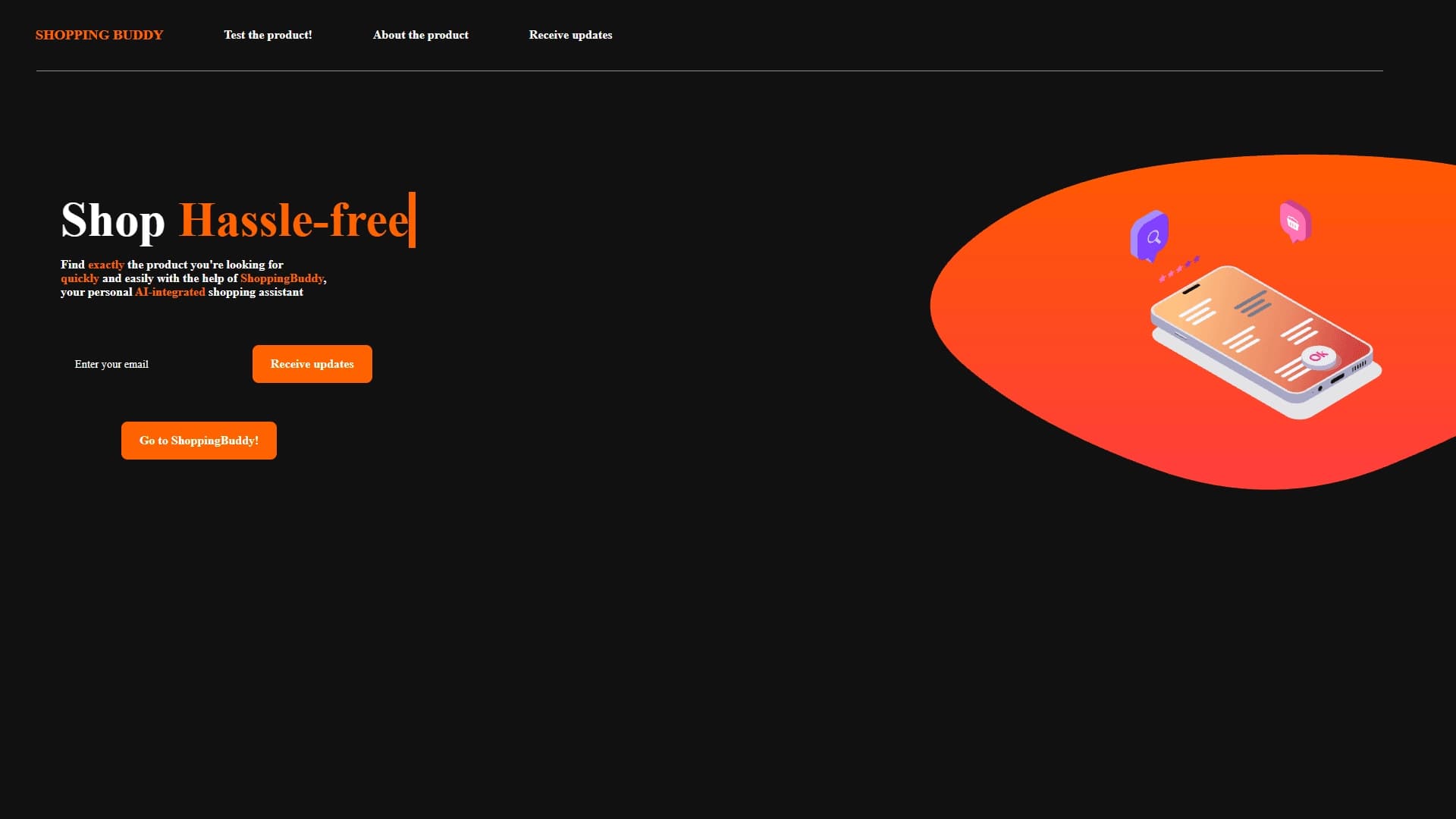

AI assistant for online shopping that matches products based on a description of needs in a conversational mode.
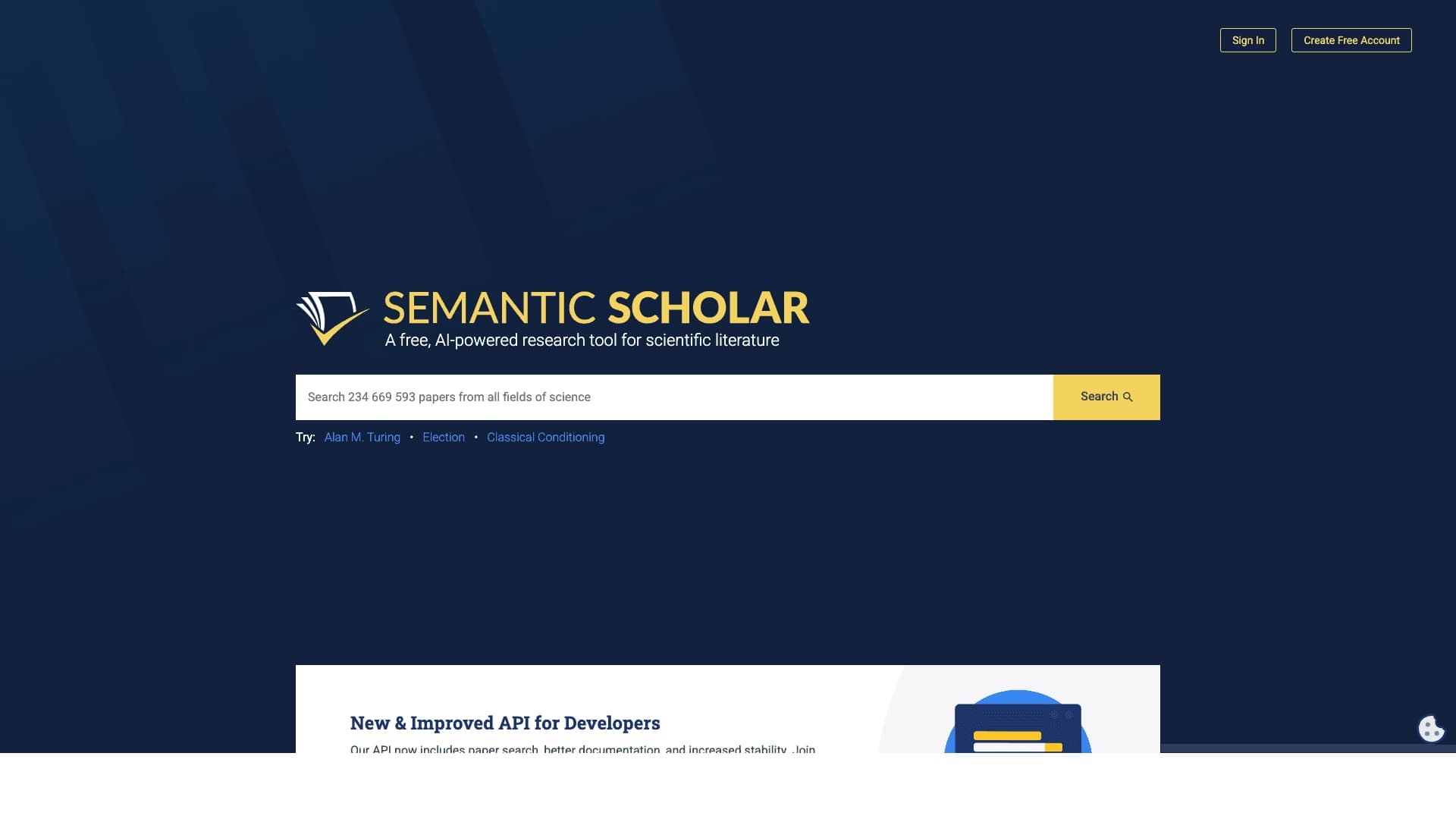
AI-powered scientific search engine for finding and analyzing research papers.
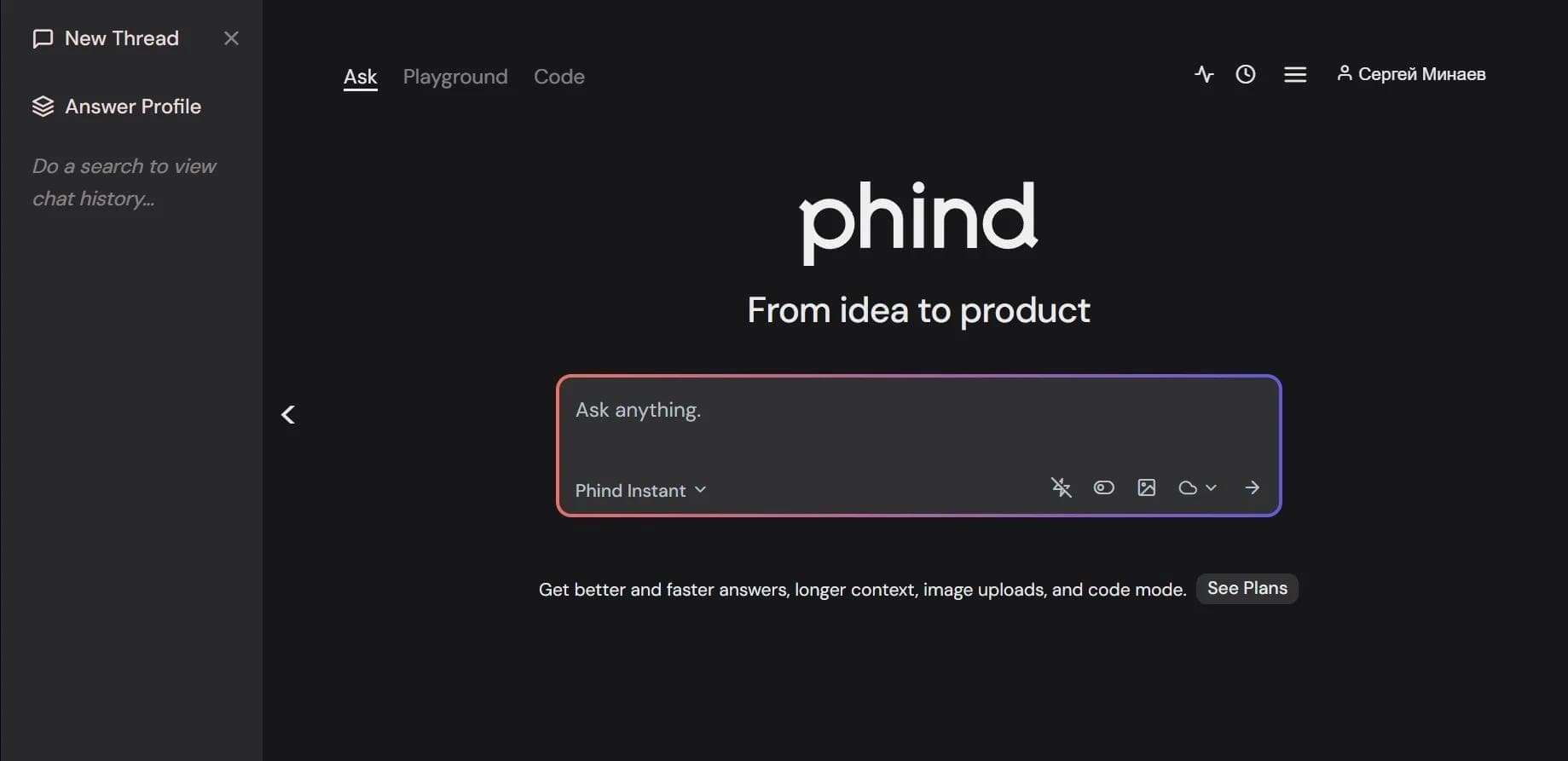

AI search engine for developers that combines generative AI with search algorithms to answer technical queries.

AI platform for finding and vetting suppliers, as well as conducting business research to optimize procurement.
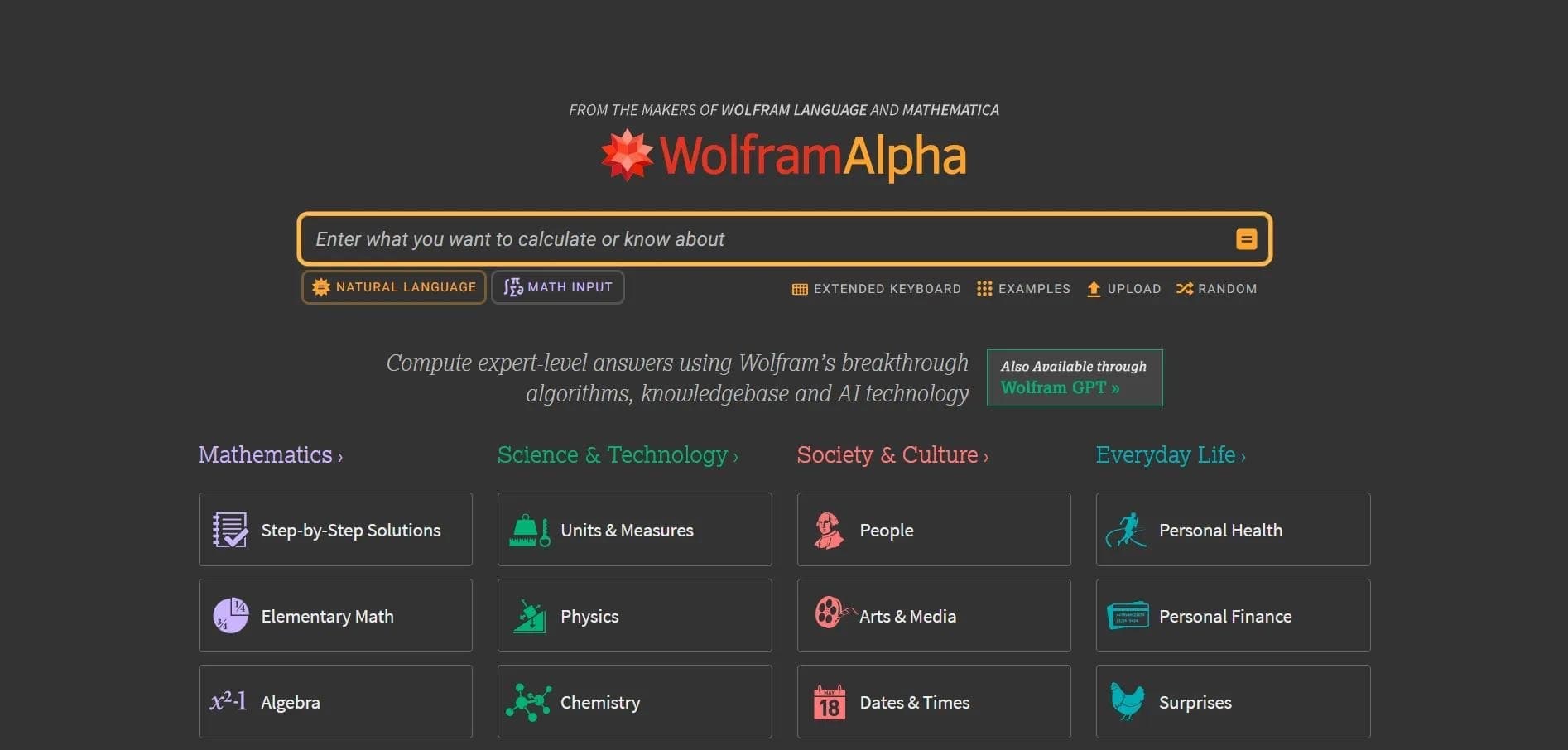

Computational knowledge system that solves problems and analyzes data, providing precise answers instead of links.


Multifunctional AI platform with a search engine, a browser with local AI models, and the autonomous Claw agent for task automation.
AI-powered smart search platform designed for quickly finding data in web and mobile applications.