
Semantic Scholar
AI-powered scientific search engine for finding and analyzing research papers.
Overview
Semantic Scholar
Description of Semantic Scholar AI
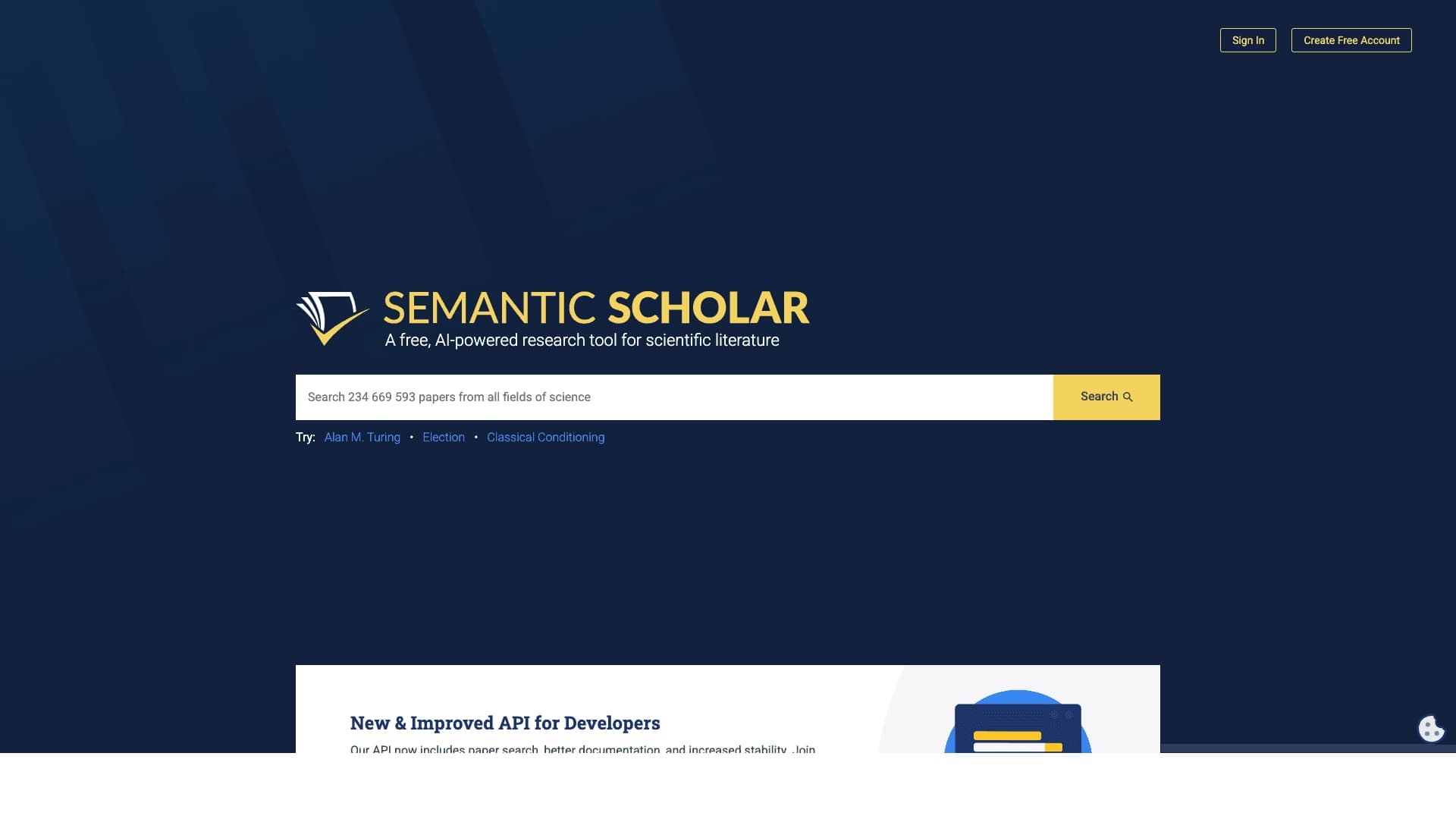
Semantic Scholar is an intelligent academic search engine developed by the Allen Institute for AI. The platform uses natural language processing and machine learning technologies to search and analyze scientific publications. Unlike traditional search engines, Semantic Scholar does not simply return a list of links based on keywords; it provides structured information about each article: abstracts, citation data, authors, and related works. The tool indexes more than 200 million scientific articles, making it a comprehensive resource for researchers across various fields.
Semantic Scholar Features
| Feature | Value |
|---|---|
| Type | Academic search engine |
| Category | Scientific articles and research |
| Developer | Allen Institute for AI |
| Free plan | Yes (free academic search engine) |
| Platforms | Website |
| Availability | www.semanticscholar.org |
Who is Semantic Scholar AI for?
Researchers and scientists
Semantic Scholar is aimed at researchers who need fast and accurate searches for scientific publications on narrow topics. The tool helps track recent research, analyze citations, and find influential works in their field.
Students and authors of scientific papers
University students, master's students, and doctoral candidates can use the platform to select sources for term papers, theses, and dissertations. Authors of scientific articles will find a convenient way to check citations and search for related publications.
Anyone looking for scientific publications
The tool is suitable for any user who needs to find scientific articles by a specific author, title, or topic, as well as obtain information about citations and related research.
How to use Semantic Scholar AI?
Basic search by topic or author
To get started, simply enter a research topic, author's last name, or article title into the search bar. The system processes the query using machine learning algorithms and displays relevant publications.
Working with search results
After a query is submitted, the service displays article cards with abstracts, publication year, author list, citation count, and links to similar works. Users can sort results by date, relevance, or publication influence.
Key Features of Semantic Scholar
Search for scientific publications
The platform allows you to search for articles by topic, author, or exact title. The results show abstracts, publication years, authors, and citation counts on each card.
Citation and work relationship analysis
Semantic Scholar lets you explore citations: which articles cite a selected work and which sources it cites itself. This helps build a network of connections between publications.
Finding similar and related research
Based on machine learning, the system automatically finds and suggests related works, simplifying literature reviews and helping you avoid missing important publications on adjacent topics.
Reading list management
Researchers can save found articles to personal reading lists so they can return to them later and organize materials by project.
Semantic Scholar Advantages
Free access
The tool is completely free — users do not need a subscription or payments to access search and analysis features.
Fast search for relevant sources
Thanks to the use of AI, the platform helps quickly find the right publications at the start of research, saving time on manually sifting through results.
Simplified literature review
Displaying citations and related works directly on the results page makes it easy to assess the research context and identify key publications without reading full texts.
Semantic Scholar Disadvantages
Based on the provided data about Semantic Scholar, no explicit disadvantages of the tool are listed. However, like any academic search engine, it may have limitations in the coverage of certain disciplines or the depth of indexing of non-English publications. For a complete picture of the limitations, it is recommended to refer to the platform's official documentation.
What Problems Does Semantic Scholar Solve?
Selecting sources for scientific works
The tool helps gather relevant publications for a scientific article, term paper, or final thesis, saving time on manual searching.
Finding recent publications
Researchers can track the latest developments in their field using publication date filters and sorting by novelty.
Checking authors and citations
The platform allows you to quickly assess the influence of a particular author or publication through citation and related-work analysis.
Quickly getting familiar with a field
Before reading the full text of an article, users can review the abstract and related works to understand the research context.
Semantic Scholar Pricing
Semantic Scholar is a completely free tool. All search, citation analysis, and reading list management features are available without payment. The platform has no paid plans or subscriptions.
Terms of Use for Semantic Scholar
The tool is distributed free of charge. Registration on the website is not required to access the full functionality — search is available to all users. Creating an account may be needed to use additional features such as saving articles to reading lists. Specific terms of use are governed by the policy of the Allen Institute for AI.
Semantic Scholar Availability
Semantic Scholar is available as a website at www.semanticscholar.org. The tool only requires a browser and an internet connection. The platform has no mobile apps, but the site is optimized for use on various devices.
How Semantic Scholar Differs from Alternatives
Comparison with ResearchRabbit
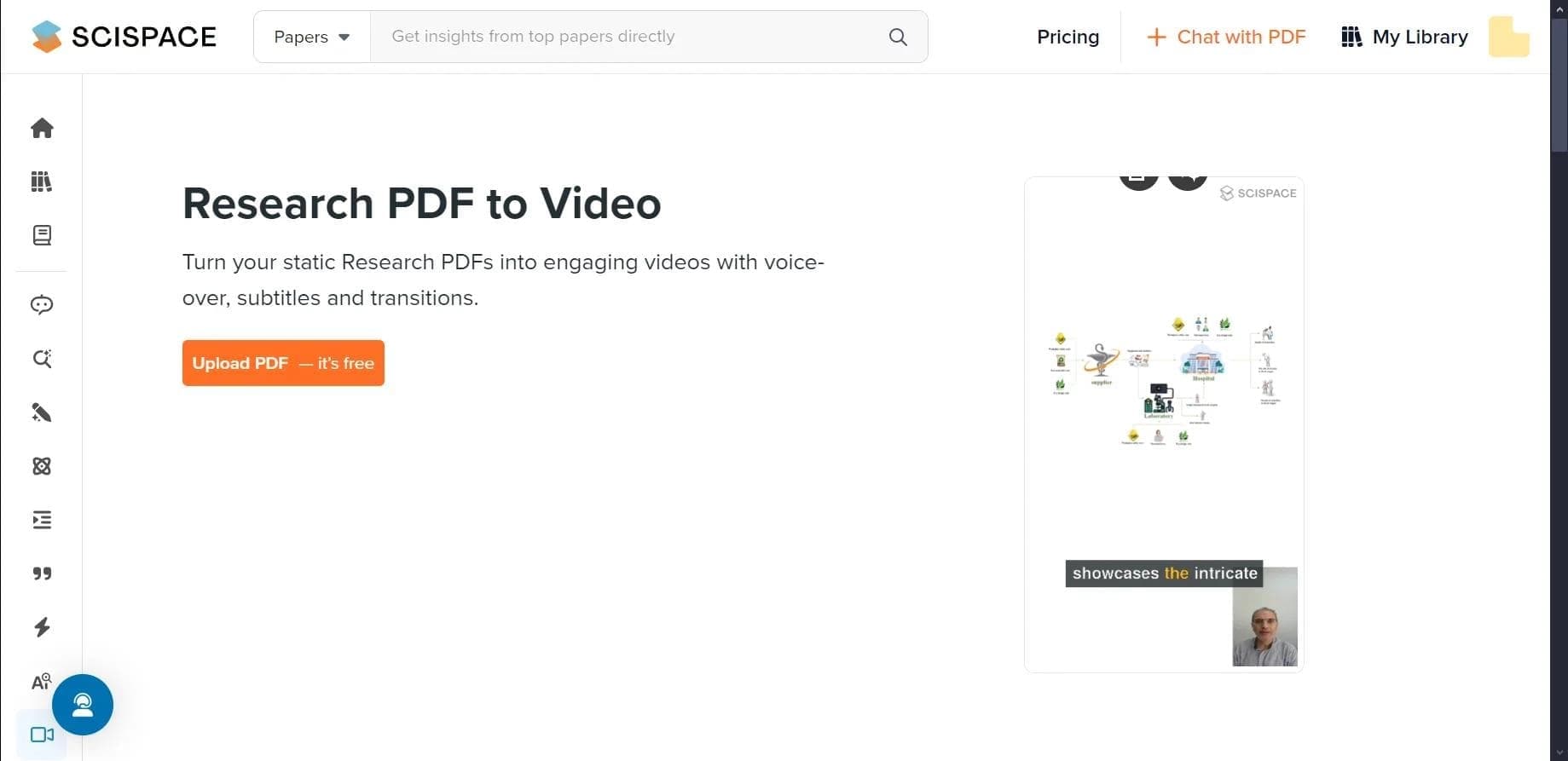
ResearchRabbit, like Semantic Scholar, is an AI tool for searching scientific publications. However, Semantic Scholar was developed by the Allen Institute for AI and indexes more than 200 million articles, making it a more extensive resource. Unlike some alternatives, Semantic Scholar specializes in quickly providing structured information about citations and related works directly on the search results page.
Key distinction
The main difference between Semantic Scholar and traditional search engines is the use of natural language processing and machine learning to analyze article content rather than simply matching keywords. This yields more relevant results and automatically identifies connections between publications.
Conclusion
Semantic Scholar is a free AI search engine from the Allen Institute for AI that helps find scientific publications, analyze citations, authors, and related works, rather than simply returning a list of links based on keywords. The tool is suitable for researchers, students, and anyone working with scientific literature, providing quick access to relevant sources and simplifying literature reviews. Thanks to the indexing of more than 200 million articles and the use of machine learning, Semantic Scholar is an effective assistant at all stages of research work.
Frequently asked questions


See also


A service for detecting texts created by artificial intelligence, with the ability to check for plagiarism and grammar.

Mobile app and citizen science project for identifying plants from photos using machine learning.
Browser extension for Chrome that adds ChatGPT answers to Google, Bing, and DuckDuckGo search results.
Free five-day intensive from Kaggle and Google on building AI agents using the vibe coding technique.
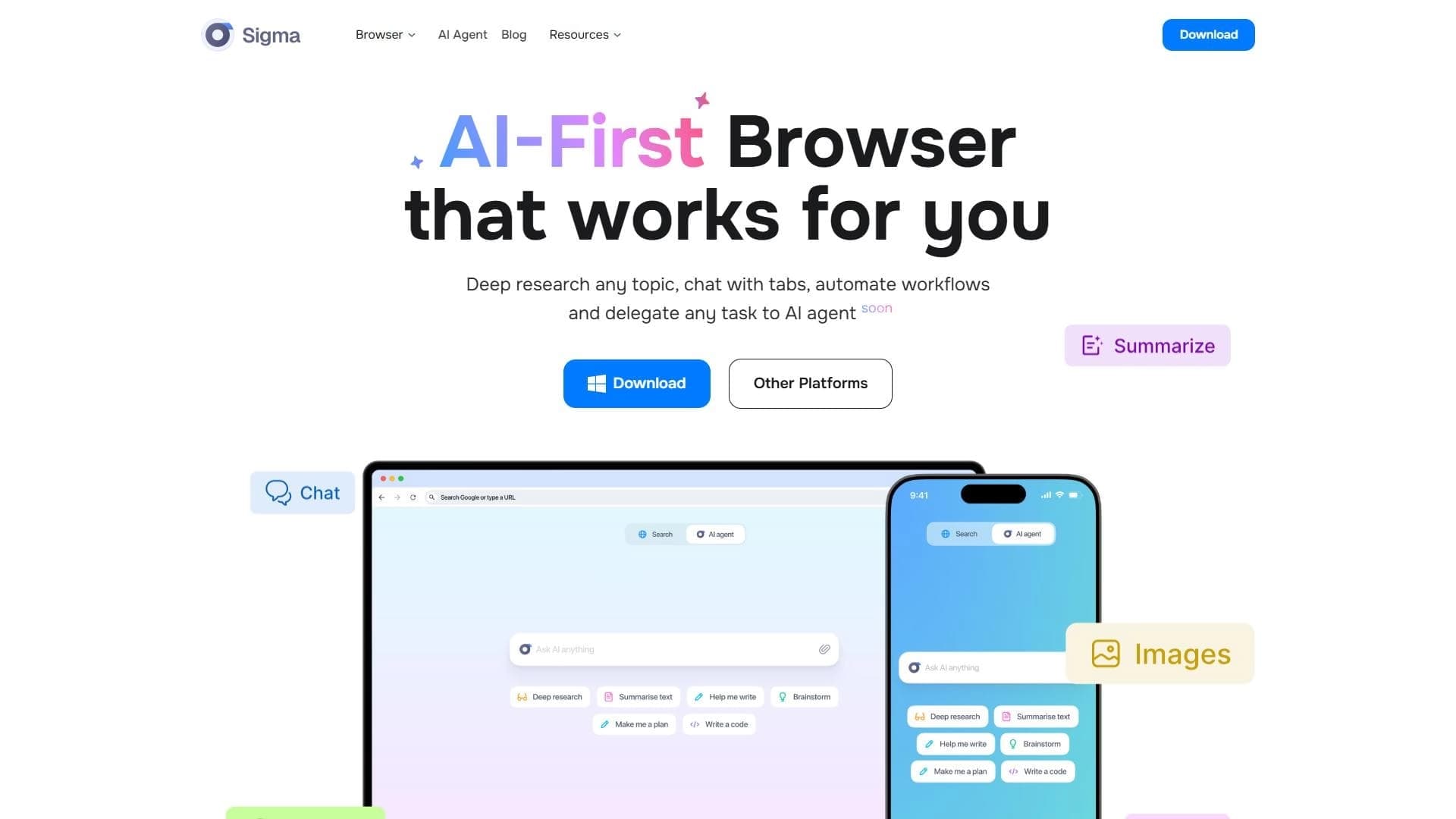

A browser with built-in AI tools for chatting with neural networks, generating texts and images, translating and summarizing pages.
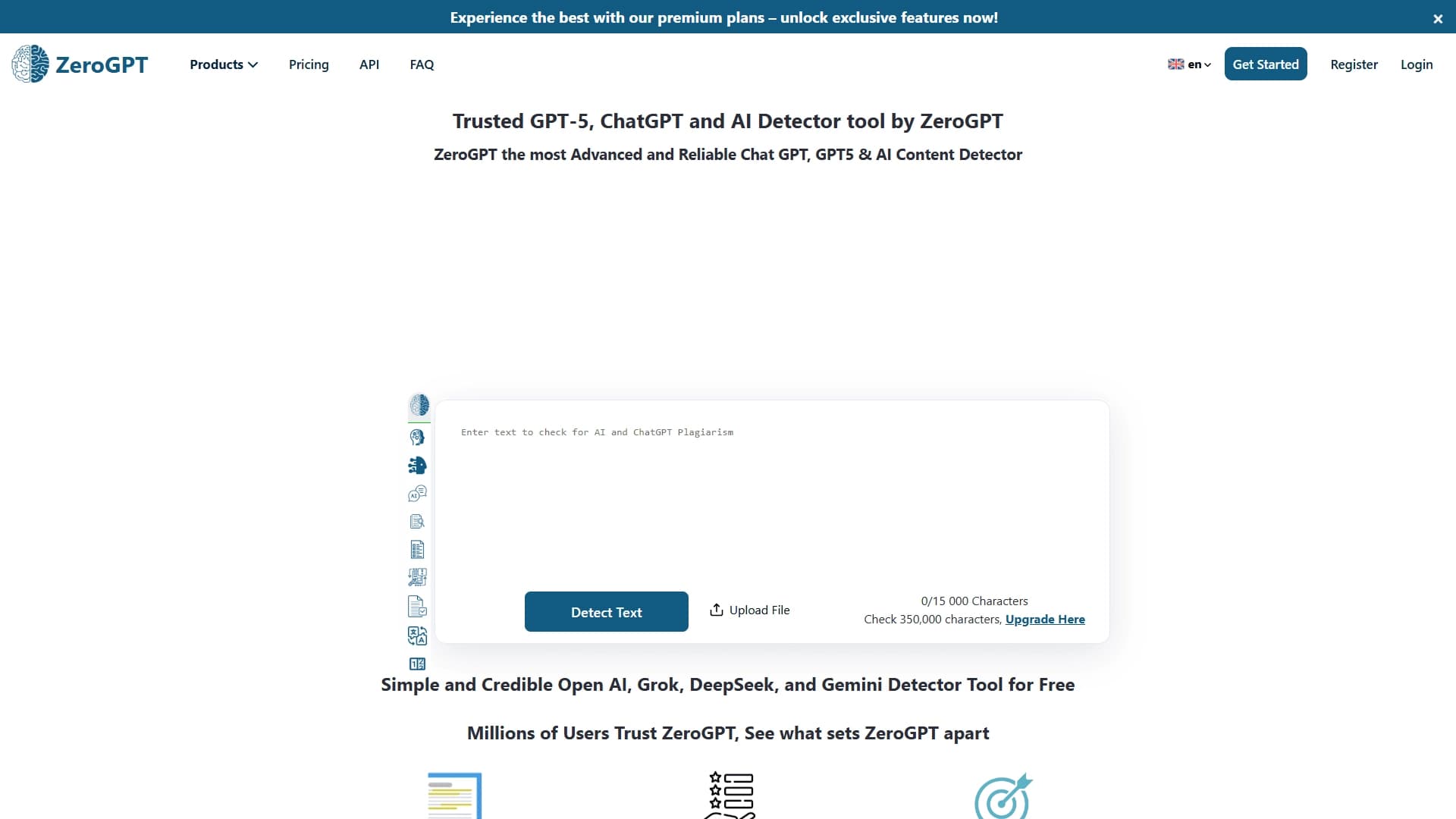

An online detector that determines whether text was created by a human or generated by neural networks.

AI tool for solving problems in mathematics, physics, chemistry, and accounting with step-by-step explanations.

AI career assistant that analyzes your skills and helps with career choice, resume, and job search.