
Komo
A platform for creating personal AI agents that learn from company documents and terminology and also perform information search functions.
Overview
Komo
Description of Komo AI
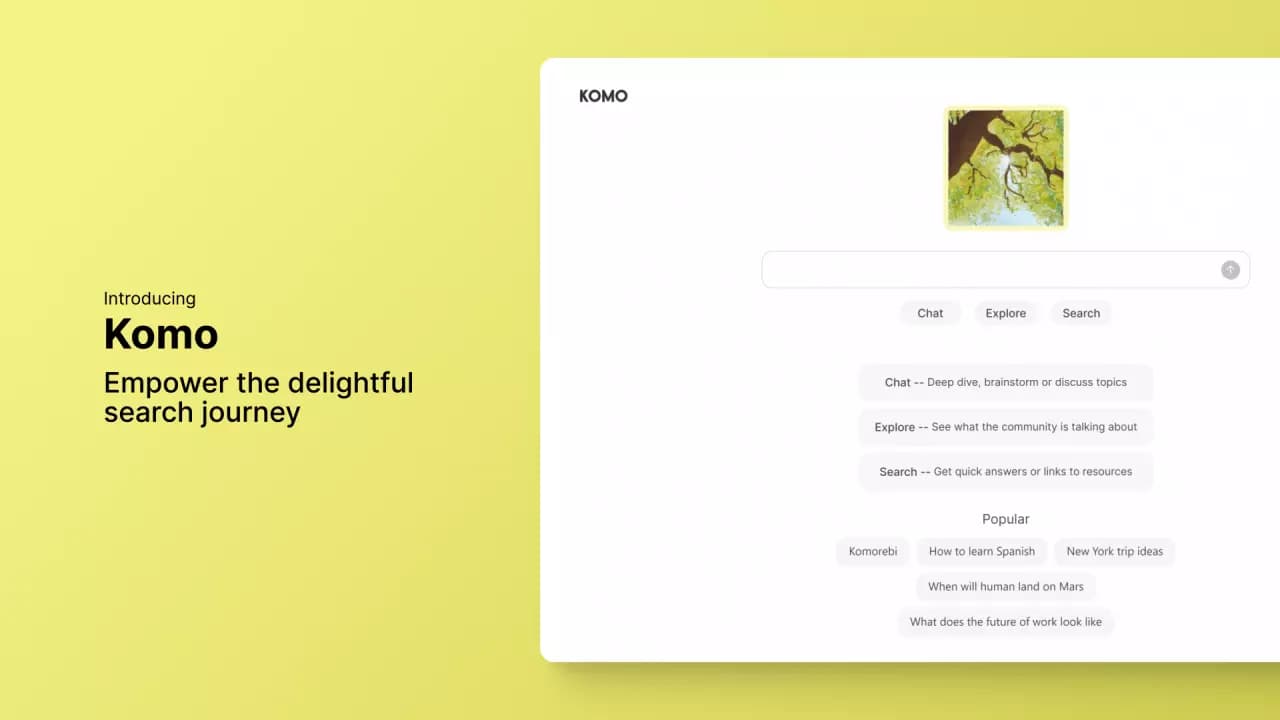
Komo is a platform for creating personal AI agents that learn from a company's specific terminology and corporate documents. The core idea of the service is to offload routine document analysis work to artificial intelligence while maintaining high accuracy and control over information sources.
Users can upload contracts, reports, and other company files, after which the agents structure the information, find anomalies, and compare data across documents. The platform also includes an AI search engine that makes it possible to quickly find relevant information both in uploaded documents and in external verified sources.
An important feature of Komo is workflow recording: the agent remembers the user's decision-making logic and then automatically applies it to new data. The service guarantees confidentiality and does not lock users into a single language model provider — it is possible to switch between different models depending on the task.
Komo characteristics
| Characteristic | Value |
|---|---|
| Type | AI tool for information search and processing |
| Category | Search and search engines; AI assistants; Knowledge management; Business; Personal assistant |
| Business model | Free |
| First publication date | 07-03-2023 |
| Format | Web platform |
| Deployment | Can be installed in your own cloud or data center |
| Model approach | Multi-model — switching between different language models |
Who is Komo AI for?
Professionals working with large volumes of documents
Komo is primarily aimed at specialists whose daily work involves processing large amounts of legal, financial, and analytical materials. This includes M&A consultants, lawyers, and finance professionals who regularly compare contracts, review court cases, and check reports.
Analysts and researchers
The second important group of users consists of analysts and researchers who need accurate work with verified sources. Since the platform works exclusively with verified sources and always provides exact citations, it is suitable for tasks where the reliability of every fact is critical.
Teams that need to automate analytics
The service is also useful for teams that want to automate routine analytical processes. Thanks to workflow recording, a company can set up analytical logic once and then apply it to new data without repeating manual work.
How to use Komo AI?
Uploading documents and creating an agent
To start working with Komo, you need to upload corporate documents — contracts, reports, invoices, and other company files. Based on these, a personal AI agent is created and trained on the specific terminology and structure of the documents.
Setting up workflows
Users can record their own workflows — the sequence of actions and decision-making logic they apply during analysis. The agent then remembers this logic and automatically reproduces it when processing newly received data.
Searching for and analyzing information
Once the agent is configured, it can be used to structure information, find anomalies, and compare data between documents. The platform also provides AI search functionality for quickly finding relevant information in corporate databases and external verified sources.
Komo key features
Personal AI agents
Komo lets you create personal AI agents trained on your industry's terminology. The agents are customized to the company's specifics and work with its document base.
Workflow recording
A unique workflow recording feature: the agent remembers the user's decision-making logic and then automatically applies it to new data. This helps standardize analytics and eliminate repetitive manual operations.
Document work and search
The platform supports uploading contracts, invoices, and court cases for structuring, anomaly detection, and data comparison. The built-in AI search engine quickly finds relevant information, while the system works exclusively with verified sources and provides exact citations for every fact.
Model flexibility and integrations
Komo integrates with company databases and external sources. Users can switch between different language models depending on the task, without being tied to a single AI provider.
Komo advantages
Significant time savings
One of Komo's main advantages is the significant acceleration of document work. According to stated figures, the platform reduces document processing time from several hours to 15 minutes, and M&A advisory teams save up to 15 hours per week.
Accuracy and security
The service provides accurate handling of industry terminology and documents — contracts, financial reports, and legal documents. Enterprise-grade security guarantees that data is not used for model training, and if necessary, deployment is possible in your own cloud or data center.
Flexibility and independence
The lack of lock-in to a single AI provider lets users choose the optimal language model for each task. The multi-model approach gives users control over the quality and cost of information processing.
Komo disadvantages
The available source data does not list any obvious platform drawbacks. We only note that, like any specialized tool, Komo requires initial setup and adaptation to a company's specific documents and workflows, and its effectiveness directly depends on the quality and volume of uploaded data. Full information about technical limitations and possible usage difficulties requires studying the official documentation and reviews from real users.
What problems does Komo solve?
Automating document search and analysis
Komo automates the search and analysis of information in documents — contracts, reports, and court cases. Instead of manually reviewing each document, users delegate initial data processing and classification to the agent.
Data comparison and anomaly detection
The platform allows users to compare and analyze data across different documents, as well as find anomalies and insights in large volumes of text. This is especially important when checking contracts, financial reports, and legal documents for compliance and discrepancies.
Automating routine processes and access to expertise
Thanks to workflow recording, Komo automates routine analytical operations. In addition, the platform provides access to all corporate expertise in one place without losing accuracy — employees get quick answers to questions based on knowledge of the entire company document base.
Komo pricing
Komo is distributed under a free model. The source data lists the business model as Free, meaning the service is available to users at no charge. Some advanced platform capabilities, such as deployment in your own cloud or data center, may require separate discussion of terms; however, specific information about paid plans and their prices is not available in the existing sources.
Komo terms of use
The platform guarantees enterprise-grade security: uploaded data is not used for model training, which is important for companies working with confidential information. If necessary, users can deploy Komo in their own cloud or data center, giving them full control over their data. Detailed terms of use, including legal aspects, data retention periods, and privacy policy, should be checked on the service's official website, as this information is not provided in the source data.
Komo availability
Komo is available as a web platform and runs in the browser, so it does not require additional software installation on workstations. In addition to the cloud version, it can be deployed in a company's own cloud or data center — an option suitable for organizations with heightened security and data control requirements.
How is Komo different from alternatives?
Working only with verified sources
The main difference between Komo and general-purpose chatbots is that it works exclusively with verified sources. The service does not generate arbitrary answers from a language model; it always provides exact citations for every fact, which is critical for professional analytics.
Independence from AI providers
Unlike many alternatives that are tightly bound to a single language model, Komo uses a multi-model approach. Users can switch between different language models depending on the task, choosing the optimal balance of accuracy and performance.
Specialization in corporate documents
Komo was designed from the ground up to work with professional documentation — contracts, financial reports, and legal materials. Together with the workflow recording feature, this sets it apart from universal assistants and similar tools that are not designed for deep industry specialization or reproducing complex user analysis logic.
Conclusion
Komo is a platform for creating specialized AI agents aimed at professionals who need accurate and secure work with corporate documents. The service dramatically speeds up data analysis through process automation, work with verified sources, and the use of optimized language models. Thanks to workflow recording, a multi-model approach, and the ability to deploy in your own cloud, Komo is a flexible solution for lawyers, financiers, analysts, and researchers who want to reduce routine document work without losing accuracy or control over information sources.
Frequently asked questions
See also
A sales automation platform that combines customer prospecting, deal management, and AI-powered forecasting.
AI editor for creating, editing, and publishing content with templates and prompts.

Financial platform with an AI assistant for managing accounting, taxes, and budgets.
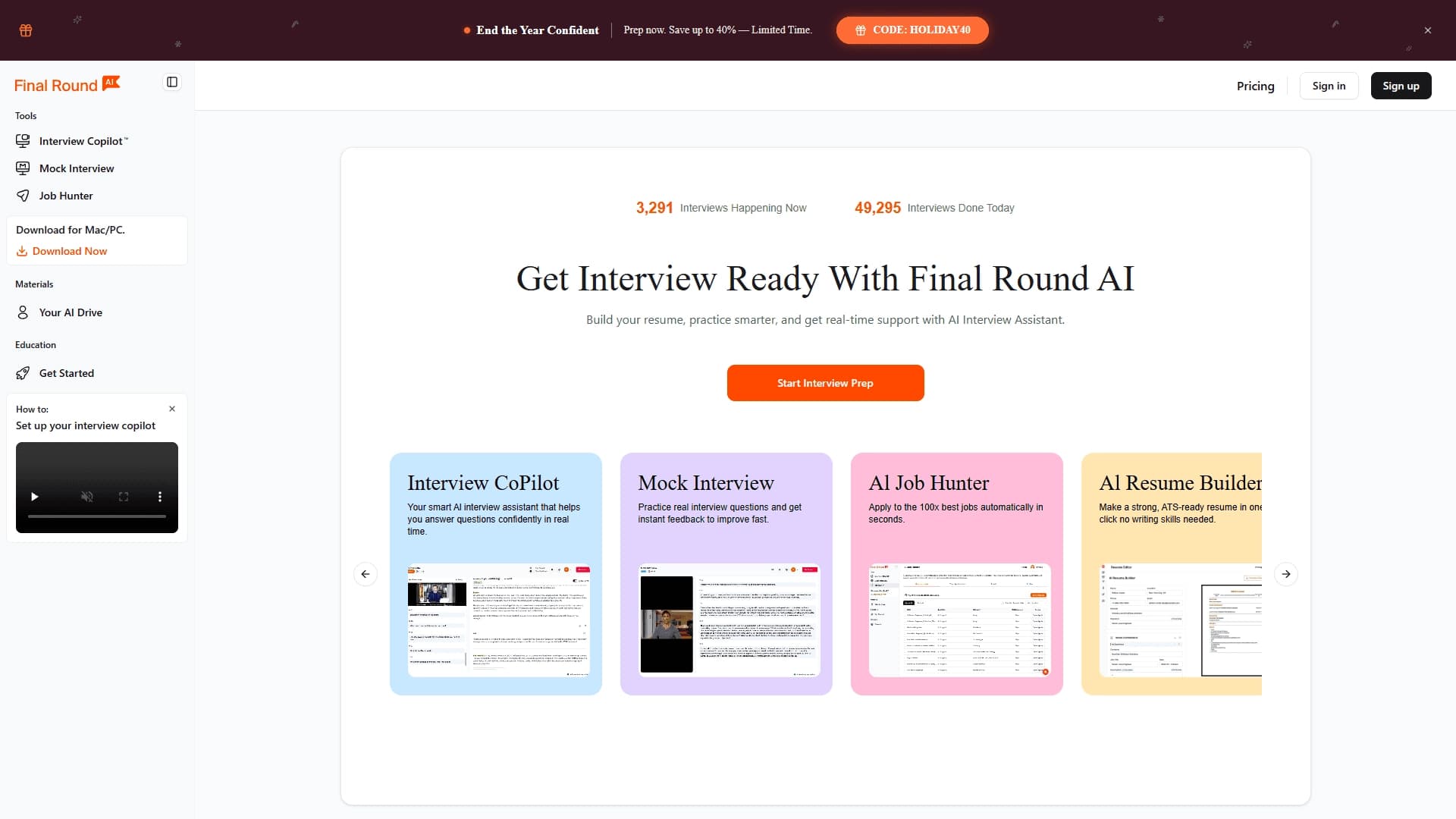
Platform for interview preparation with AI mock interviews and real-time support.
Enterprise language model platform focused on privacy and on-premise deployment.


AI assistant for creating short summaries of videos, PDF documents, and web pages.
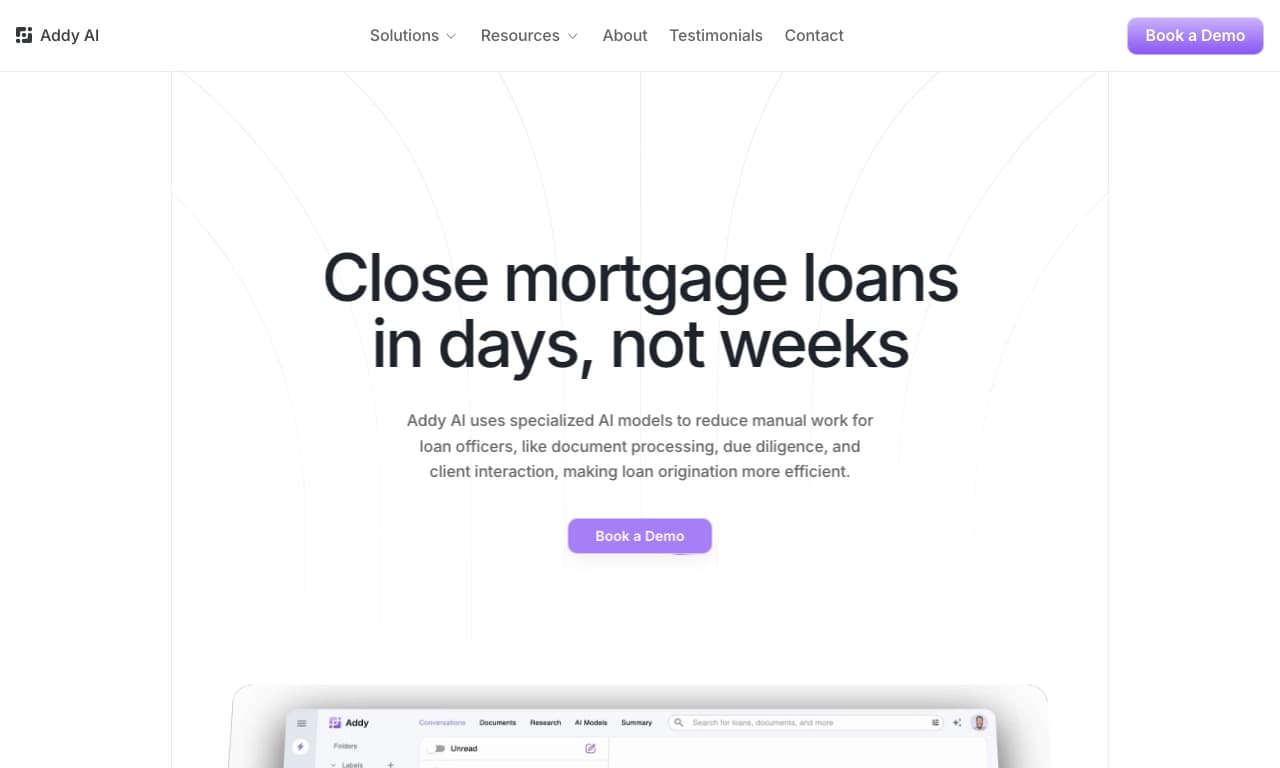

AI email assistant that helps quickly draft messages, adapting to the user's style.

A workflow automation platform that connects thousands of apps without requiring coding.