

Silic
Generative tool for clothing design with digital printing on fabrics.
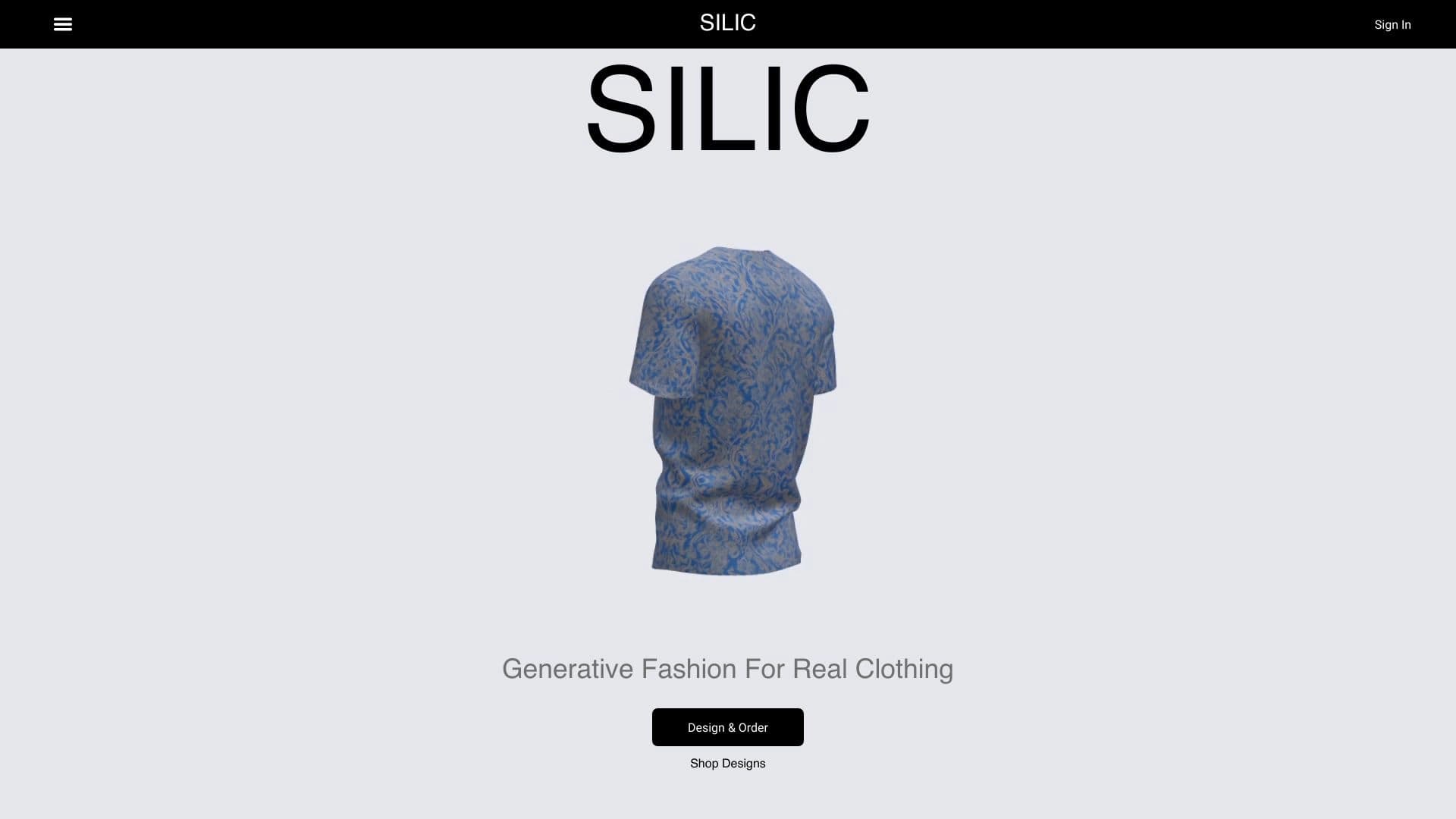
Overview
Silic AI Description
Silic is a web service powered by generative algorithms designed for clothing design. The tool is aimed at professional fashion designers and fashion enthusiasts, allowing users to turn an idea into a ready-made visual concept in seconds. Unlike classic graphic editors, Silic automates the creative process: it not only generates personalized models but also offers ready-made prompts for further refinement.
A key feature of the service is its integration with digital fabric printing technology. The developers emphasize sustainability: the platform supports printing on Tencel Modal fibers, which are produced from wood with a closed-loop water recycling process and are considered a more sustainable alternative to synthetic materials. This makes Silic a practical tool that can be used not only for idea generation but also for preparing limited clothing production runs.
Silic Characteristics
| Characteristic | Value |
|---|---|
| Type | Generative fashion tool |
| Category | Design, Fashion, Universal |
| Platforms | Web |
| Editor's rating | 7.8 out of 10 |
| User rating | 4.8 |
| Target audience | Fashion designers, fashion industry professionals |
Who is Silic AI for?
Professional fashion designers
Silic is primarily aimed at clothing designers who need quick idea visualization. The tool helps reduce the time spent on creating sketches and allows experimentation with shapes, prints, and textures without having to draw each variation by hand.
Fashion enthusiasts and aspiring designers
The service is also suitable for those just starting their journey into fashion design. Thanks to automatic prompts and templates, Silic lowers the entry barrier and helps beginners generate their first concepts, even without academic training in design.
How to use Silic AI?
Working with prompts
The user launches generation, and the service independently suggests several design directions. This allows for quickly iterating through styles and elements without formulating a complex technical brief from scratch. The prompts serve as a starting point that can be adapted to a specific task.
Visualization and print preparation
Once the concept is ready, Silic allows moving it to the digital printing stage. The model can be adapted to fabric, including sustainable materials like Tencel Modal. This makes the process holistic: from idea to a fabric sample with a high-quality print.
Key features of Silic
- Create personalized designs in seconds — the tool generates unique clothing models based on input data or random parameters.
- Design prompt suggestions — a built-in recommendation system helps choose a direction, color palette, and cut.
- Use of Tencel™ Modal™ fibers — the ability to prepare designs for printing on sustainable fabrics.
- Direct digital fabric printing — ensures high print quality and color accuracy when transferring images onto material.
Silic advantages
One of Silic's main strengths is speed: creating a design takes just seconds, which sets the service apart from manual work in graphic editors. The platform combines the creative exploration stage with technical print preparation, saving time when handing projects over to production.
The sustainability aspect is also worth noting. Using Tencel Modal fibers allows brands and individual customers to reduce their environmental impact. This aligns with the modern demand for sustainable fashion and increases the product's value in the eyes of conscious consumers.
Silic disadvantages
The service is only available through a web interface, which limits its use without a constant internet connection. Additionally, geographic restrictions may apply in certain regions, creating potential access barriers. Based on the editor's rating (7.8 out of 10), the tool is not without technical rough edges, although users generally rate it higher (4.8 out of 5). Detailed information about fine-tuning capabilities or language support is not provided in public sources.
What tasks does Silic solve?
Silic's primary task is automating the fashion design process. The service addresses the need for idea generation and concept visualization: a designer can quickly obtain an image of a finished garment or print to evaluate it before moving into production.
The tool also solves the fabric selection challenge. The ability to "try on" a digital print on Tencel Modal fibers helps predict how the final product will look in advance and avoid mistakes at the printing stage. For small brands and independent designers, this is a way to test ideas without the cost of physical samples.
Silic pricing
Public sources do not contain information about Silic's pricing plans or usage costs. It is unknown whether the service operates on a subscription basis, offers a free tier with limitations, or requires one-time payment. To find out current prices, you need to visit the official website or contact developer support.
Silic terms of use
Specific terms of the user agreement are not disclosed in public sources. There is no data on who owns the rights to generated images, whether commercial use of created designs is permitted, or what limitations apply to the volume of generations. Given that the platform supports fabric printing, part of the functionality is likely related to production orders, but the details of this process are not documented in the available materials.
Silic availability
Silic operates as a web service and is accessible through a browser, allowing it to be used on any device with internet access: desktop computers, laptops, and tablets. Based on the description, no mobile app is provided.
Geographic restrictions may apply in certain regions, potentially requiring additional tools to access the full platform functionality. The extent to which restrictions apply to other countries is not specified in the sources.
How Silic differs from alternatives
Silic specializes specifically in clothing and fabrics, which sets it apart from universal image generators. Unlike tools like Qwen or 24AI, which handle a wide range of tasks, Silic is tailored to the fashion segment: it immediately understands the context (cut, fabric, print) and offers relevant prompts.
The main competitive advantage is the integration with digital printing on sustainable Tencel Modal fibers. The service effectively closes the "design — material — printing" loop, while most alternatives (Minecraft Skin Generator, TattooGPT) only work with images and do not account for the physical properties of fabric. This makes Silic closer to a production tool than an entertainment image generator.
Conclusion
Silic is a specialized generative tool for fashion design that addresses designers' need for quick idea visualization and print preparation. Key features include sustainable materials and direct digital printing. The service has received high user ratings (4.8 out of 5), though it has limitations such as web-only access and potential regional restrictions. For professionals working with clothing, Silic can be a practical solution that combines creative generation with technical production preparation.
Frequently asked questions
See also
AI-powered image generation and editing tool, including background removal and video creation.


Online service for converting photos and text descriptions in black and white contour colors.
Online AI-powered tool for removing watermarks and unwanted objects from photos.

Anakin.ai is a low-code platform that combines various AI models for content creation and workflow automation without coding.

An AI-based platform for creating childish electronically books with illustrations and voiceovers.

AI anime image generator from text descriptions with template selection.

Web application for quick visual creation social AI-powered networks.


Online neural network for generating and editing images from text descriptions.