

OpenAI Codex
AI agent for software development assistance, capable of writing, fixing, and reviewing code.
Overview
OpenAI Codex
Description of the OpenAI Codex neural network
OpenAI Codex is an AI agent designed to help create and maintain software. Unlike regular chatbots that answer isolated questions, Codex works directly with code and project repositories. It can write new code, fix existing code, conduct reviews, perform refactoring and migrations. The tool handles multi-step engineering tasks, allowing developers to test hypotheses faster and maintain a high-quality codebase.
Main purpose
OpenAI Codex is not just a code snippet generator, but a full-fledged AI agent that integrates into the development process. It understands the project context and can suggest changes that require several sequential steps. This makes it useful both for building prototypes from scratch and for working on existing projects.
Key feature
The main difference between Codex and simple language models is its focus on working with a real repository. The tool analyzes the code it works with and can make consistent changes to it, taking into account the dependencies and structure of the project.
OpenAI Codex characteristics
| Characteristic | Value |
|---|---|
| Type | AI agent for code |
| Categories | Code assistants, Code generation, Product assistants |
| Website | openai.com |
| Publication date | May 1, 2026 |
| Distribution model | Not specified |
Who is the OpenAI Codex neural network suitable for?
Developers
OpenAI Codex will be useful for both individual developers and teams. The tool helps write code faster, fix errors and conduct reviews. Developers can delegate routine tasks to the agent, focusing on more complex engineering decisions.
Product teams and technical founders
For product teams and technical founders, Codex is valuable for quickly testing ideas directly in code. Instead of spending hours on prototyping, you can get a working result in significantly less time. This speeds up the "idea — validation — iteration" cycle.
Teams working on code maintenance
Development groups that maintain existing projects will also find Codex useful. Refactoring, migrations and writing tests are tasks that the agent can take on, reducing the burden on the team.
How to use the OpenAI Codex neural network?
Working with the repository
OpenAI Codex integrates into the workflow with a real repository. The developer sets an engineering task, and the agent analyzes the code, suggests changes and brings them to a working result. This is not a one-off request, but full-fledged interaction with the project.
Setting up tasks
To use Codex, it is enough to formulate a task in natural language: write a new function, fix a bug, refactor a module or write tests. The agent understands the context and can work with tasks that require several steps.
Teamwork
The tool is suitable for team development. Codex can participate in the code review process, help with migrations and maintain code quality throughout the entire project lifecycle.
Main functions of OpenAI Codex
Writing and fixing code
Codex can write new code in a project and also fix existing code. It analyzes the current state of the codebase and suggests changes that are consistent with the overall structure.
Reviews, tests, migrations and refactoring
The agent helps with code reviews by identifying potential problems. It can write tests for existing functions, perform migrations between versions of libraries or frameworks, and also refactor code to improve its structure and readability.
Working with multi-step tasks
Unlike tools that answer a single question, Codex works with tasks that require several sequential steps. It can take an engineering task and bring it to a working result, rather than just generating a code snippet.
Advantages of OpenAI Codex
Working with a real repository
Codex is designed to work with a real project, not abstract requests. It understands the context and can suggest changes that fit into the existing architecture.
Help with reviews, refactoring and migrations
The tool not only generates code, but also helps with quality: it conducts reviews, refactoring and migrations. It is a comprehensive assistant for maintaining a codebase.
Bringing tasks to completion
An important advantage is the ability to take an engineering task and suggest changes that bring it to a working state. This saves teams time and speeds up development.
Disadvantages of OpenAI Codex
Overkill for simple questions
For simple programming questions where a one-word answer or a small code example is needed, ChatGPT is a more suitable tool. Codex is focused on working with a repository and engineering tasks, so for basic requests it may be overkill.
Limited scope of application
The tool is not intended for tasks unrelated to software development. If you need to solve a general problem or get advice outside the context of code, other solutions may be more effective.
What tasks does OpenAI Codex solve
Writing and fixing code in a project
Codex helps add new features and fix bugs in existing code, working directly in the project context.
Conducting code reviews
The agent analyzes code, identifies potential problems and suggests improvements, acting as an automated reviewer.
Refactoring and migrations
Codex handles tasks of refactoring code to improve its structure, as well as migrations between versions of libraries and frameworks.
Writing tests
The tool can generate tests for existing code, helping to increase project coverage and reliability.
OpenAI Codex pricing
At the moment, there is no exact information about OpenAI Codex pricing. The distribution model is listed as unknown. It is recommended to follow updates on the official website openai.com, where current tariffs and access conditions will be published.
Terms of use of OpenAI Codex
Detailed terms of use for OpenAI Codex have not been disclosed at the moment. As with other OpenAI products, when working with the tool, the company's standard policies regarding the use of AI models, code processing and data privacy will likely apply. For up-to-date information, please refer to the official documentation on openai.com.
OpenAI Codex availability
OpenAI Codex was published on May 1, 2026. The tool's website is openai.com. Exact information about availability regions, supported programming languages and platforms has not been provided at the moment. For detailed information about availability, it is recommended to visit the official product website.
How OpenAI Codex differs from alternatives
Difference from ChatGPT
The main difference between OpenAI Codex and ChatGPT lies in the scope of application. ChatGPT is suitable for simple programming questions and general consultations. Codex, in turn, is focused on working with a real repository and solving engineering tasks that require immersion in the project context. It is not a universal assistant, but a specialized tool for development.
Difference from other AI agents for code
There are other solutions on the market, such as Wron, Claude API, Kodik, CatDoes, Base44 and Rezonant. Each of them has its own features, but OpenAI Codex stands out for its origin from OpenAI and its focus on working with the project as a whole, rather than generating individual code snippets.
Conclusion
OpenAI Codex is an AI agent for developers that works with real code and repositories. It can write and fix code, conduct reviews, refactoring and migrations, and also work with multi-step tasks. The tool is suitable for both individual developers and teams, allowing them to test ideas faster and maintain code quality. For simple programming questions, ChatGPT is more suitable, but for full-fledged engineering work in a project, Codex offers deeper and more contextual assistance.
Frequently asked questions
See also

Open-source AI agent for developers, available in the terminal, IDE, and as a desktop application.

AI-powered code editor that analyzes your entire project and helps you write, rewrite, and optimize code.

AI assistant for programmers, working through your own API key and supporting popular language models.
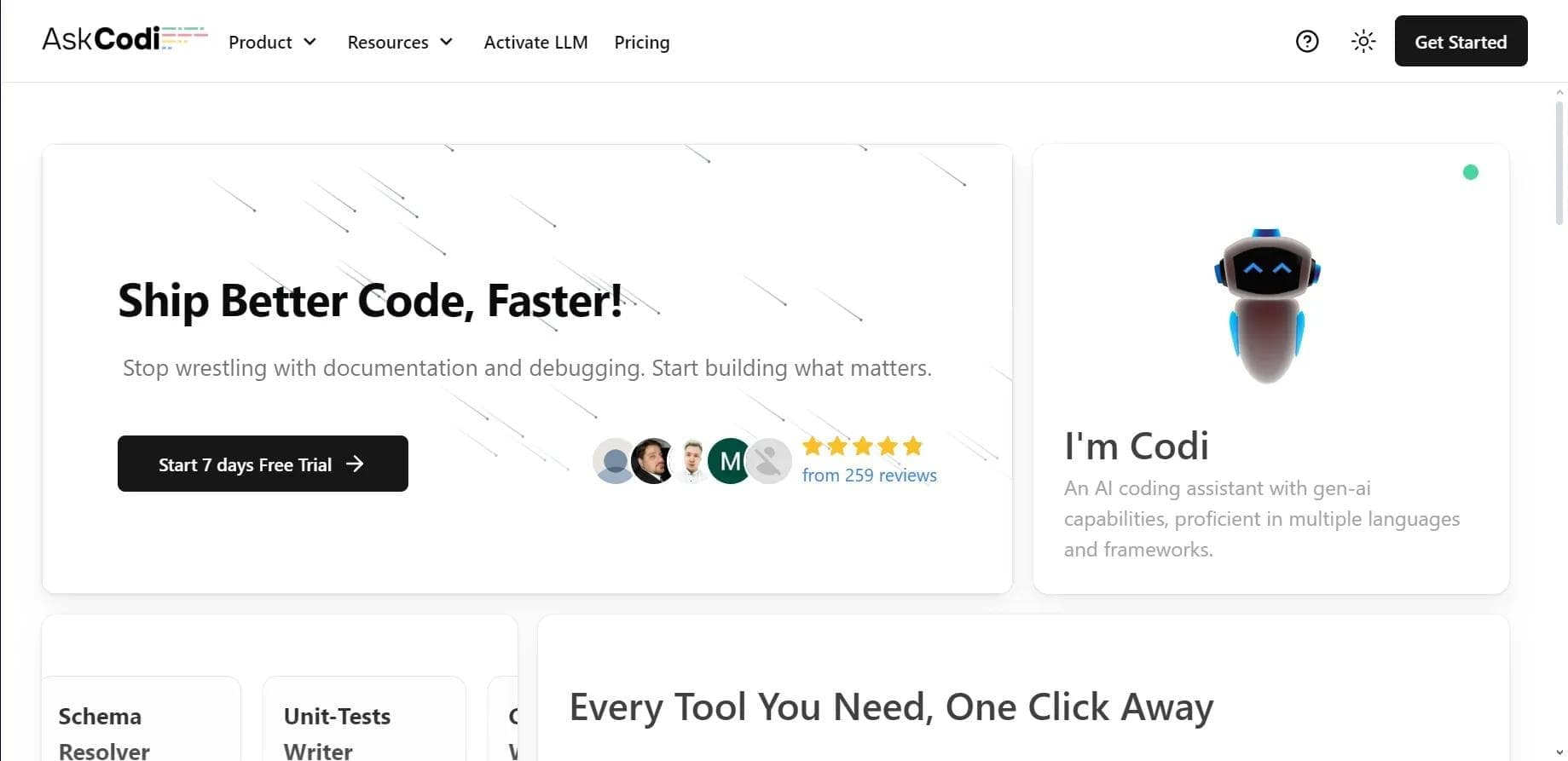

AI assistant for developers that generates, explains, and refactors code, as well as creates documentation and tests from natural language descriptions.
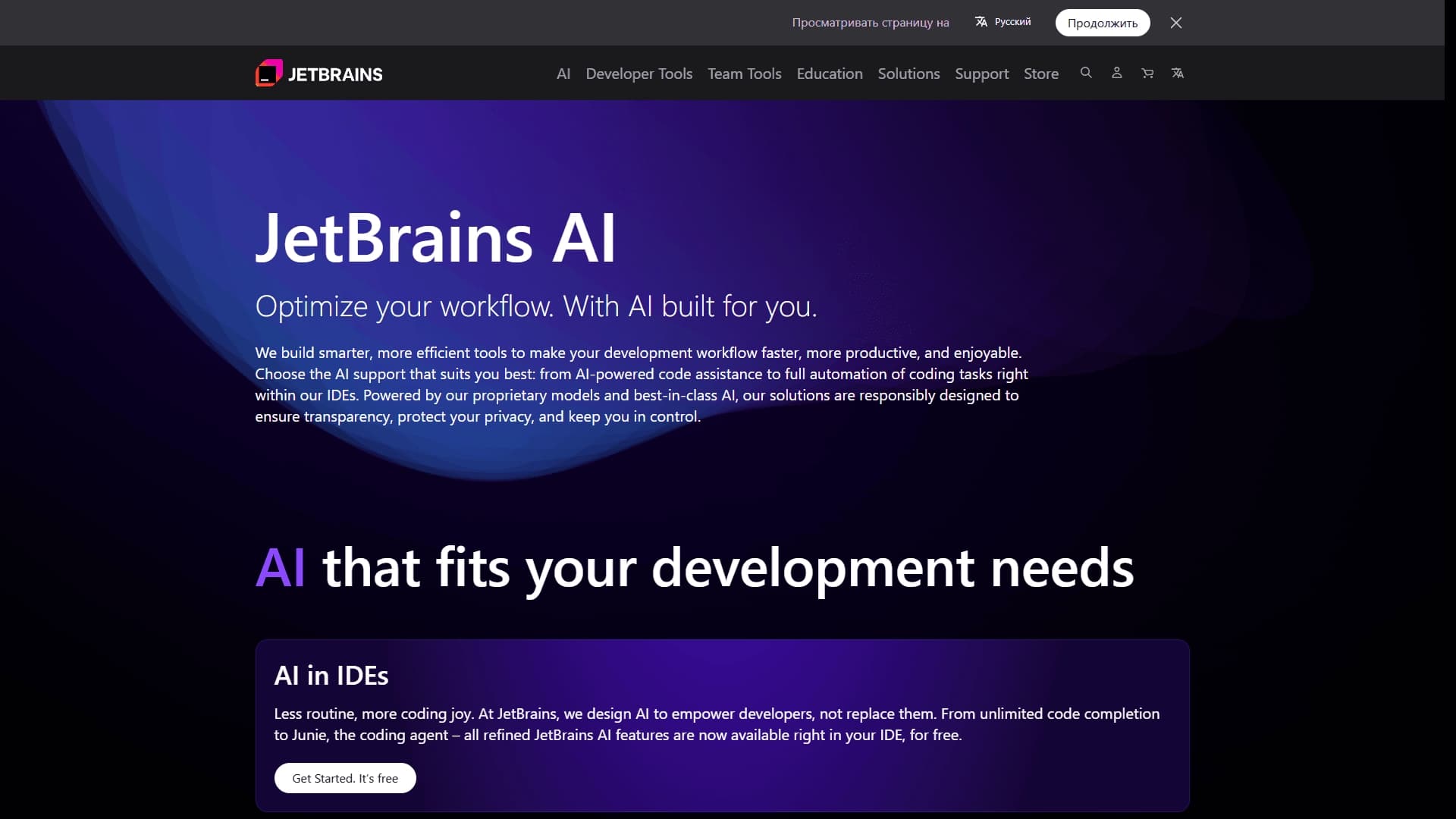
A set of AI tools built into JetBrains IDEs to help with writing, refactoring, and understanding code.
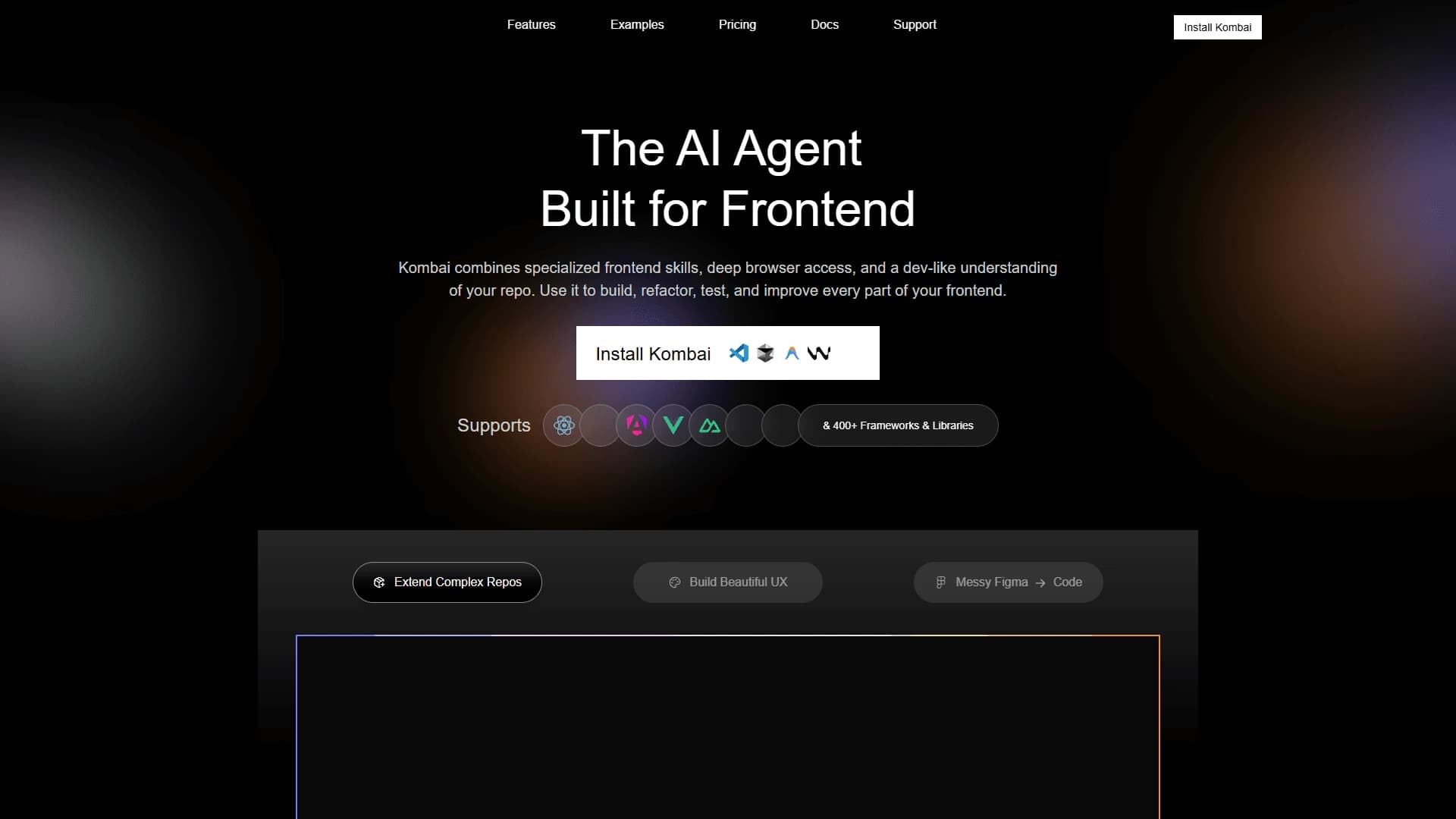
AI tool for automatically converting layouts from Figma into HTML, CSS, and React components, as well as for creating and refactoring interfaces.
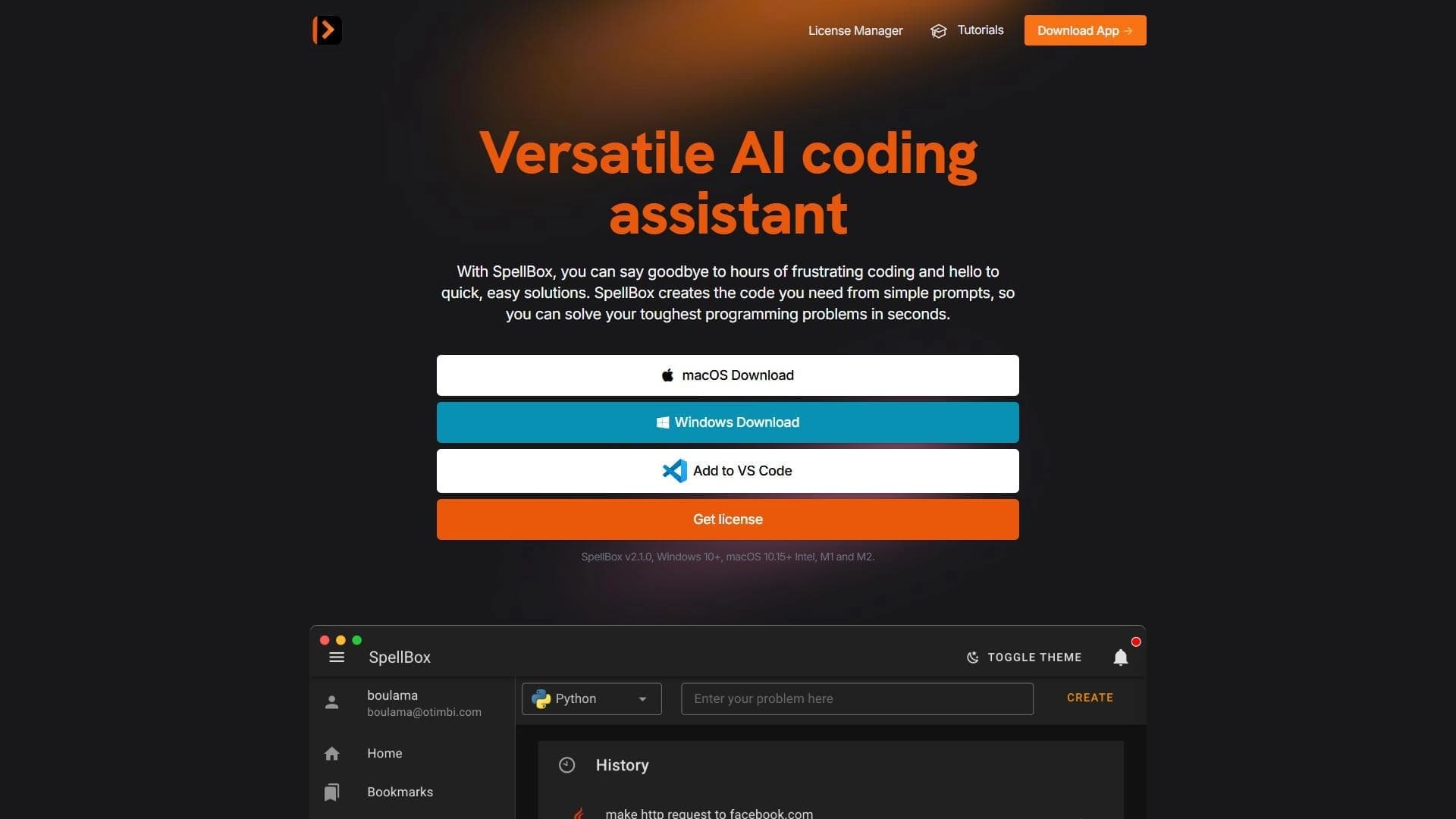

Neural network for generating, explaining, and fixing program code in various programming languages.

AI assistant for developers that automates routine programming tasks.