

LeanAgent
Python framework for building autonomous AI agents with planning, tool integration, and memory.
Ranked in
Overview
LeanAgent Neural Network Description
LeanAgent is an open-source Python framework designed for developing autonomous AI agents. It was created within the Lean Dojo ecosystem and provides developers with a modular foundation for building systems capable of independently planning their actions, interacting with external tools, and maintaining context over long working sessions.
A key feature of LeanAgent is its emphasis on lifelong learning and work with formal mathematics. Unlike many general-purpose agent frameworks, LeanAgent was designed from the start with the needs of theorem proving in mind, but its architecture is flexible enough to handle a broader range of automation tasks. The system includes three core modules: a planner based on large language models, an external tool integration layer, and a memory management system.
LeanAgent Characteristics
| Characteristic | Value |
|---|---|
| Type | AI Agent Framework |
| Category | Text Generation, Workflow Automation, General Purpose Assistants, Email Management |
| Platform | Linux, Mac, Windows |
| Distribution Model | Open-source (no explicit pricing model) |
| Date Added to Catalog | May 17, 2025 |
| GitHub | lean-dojo |
| Official Website | leandojo.org |
Who is LeanAgent suitable for?
AI Researchers and Developers
The framework is aimed at a technical audience: artificial intelligence researchers, automation engineers, and data scientists. Working with LeanAgent requires confident Python skills, an understanding of LLM agent architectures, and experience configuring API integrations. It is not a ready-made end product, but a tool for building your own agent systems.
Scientific and Educational Institutions
Thanks to built-in support for lifelong learning and work with mathematical repositories, LeanAgent is especially useful in research laboratories and universities working on formal verification and automated theorem proving. The agent's ability to automatically process external mathematical repositories and contribute via pull requests makes it a valuable tool for academic projects.
Technology Startups
Young companies that want to quickly prototype AI solutions without building agent infrastructure from scratch will find a flexible and free foundation in LeanAgent. The modular design allows the framework to be adapted to specific business tasks — from automating internal processes to creating support assistants.
How to use LeanAgent?
Installation and Setup
The first step is installing the package via pip: pip install lean-dojo. Then you need to import the LeanAgent class into your Python project and configure a connection to your chosen LLM provider by specifying API keys. You will also need to configure the tool and memory modules according to your agent's tasks.
Initialization and Launch
Instantiate a LeanAgent object, passing it the model, a set of tools, and memory configuration. Launching autonomous interaction is done by calling the agent.run() method. After that, the framework begins a cycle of planning, executing actions, and updating context. For debugging, it is recommended to monitor logs and adjust prompts and integrations in real time as needed.
Scaling and Refinement
Since LeanAgent is a framework rather than a ready-made solution, the developer determines the complexity of workflows themselves. The system supports distributed computing and multi-GPU training, allowing you to scale created agents from simple scripts to industrial solutions working with large volumes of data.
Key Features of LeanAgent
LLM-Based Planning and Reasoning
The core of LeanAgent is a planning module that uses large language models for step-by-step reasoning. The agent can break complex tasks into subtasks, evaluate intermediate results, and adjust its plan based on changing conditions.
Extensible Tool Integration
The framework provides a dedicated layer for connecting external tools. Developers can add their own functions and services, expanding the agent's capabilities beyond standard text generation. This allows creating agents that can work with databases, third-party service APIs, execute code, and automate entire chains of actions.
Persistent Memory Management
LeanAgent's memory management system preserves interaction context, which is essential for long sessions and tasks requiring knowledge accumulation. The agent "remembers" previous steps, conclusions, and errors, improving the quality and consistency of its subsequent work.
Debugging and Logging
Debugging and logging utilities are provided for developers. The transparency of the execution process allows tracking each agent step, identifying bottlenecks, and improving system reliability before production deployment.
Advantages of LeanAgent
Support for Continuous Learning
One of the key advantages is the implementation of lifelong learning for theorem proving without catastrophic forgetting. This means the agent can accumulate experience from some tasks and successfully apply it to new ones without losing previously acquired skills.
Automated Work with Mathematical Data
LeanAgent independently discovers and processes external mathematical repositories. This feature saves researchers a huge amount of time by automating data collection and initial analysis. Moreover, the agent can send improvements back to the community in the form of pull requests.
Efficient Learning Strategy
The built-in curriculum learning mechanism improves the efficiency of mastering new tasks. The agent studies material in increasing complexity, similar to how a human does, which accelerates learning and improves final results.
Scalability
Support for distributed computing and multi-GPU training makes LeanAgent suitable for serious research and industrial workloads. Developers can run agents both on a local machine and in a cluster environment.
Disadvantages of LeanAgent
High Entry Barrier
Setting up and operating LeanAgent requires advanced technical knowledge. Beginners without experience with agent architectures, Python, and LLM APIs will find it difficult to understand the system without detailed documentation or examples.
Narrow Specialization of Core Scenarios
Although the framework is positioned as universal, its main use cases are still concentrated around formal theorem proving. For tasks far from mathematics, significant adaptation and writing additional modules may be required.
Lack of Commercial Support
There is no official information about paid support and maintenance. Users rely on the community and their own resources. There is also no detailed information about a user interface — work is done through code.
What tasks does LeanAgent solve?
LeanAgent can be used to create automated customer support bots, agents for data extraction and annotation, research assistants for knowledge search and processing, as well as for automating workflows in corporate systems. In the academic environment, it solves tasks of automated theorem proving and processing mathematical repositories. The versatility of the architecture allows the framework to be used in other domains where an autonomous agent with planning, tools, and memory is required.
LeanAgent Pricing
LeanAgent is distributed as an open-source project. No explicit pricing model is specified — there are no pricing plans, subscriptions, or paid features. However, users need to account for costs associated with paying for the API of their chosen LLM provider, as well as expenses for computing resources, especially when using multi-GPU training. Commercial support and maintenance are also not mentioned.
LeanAgent Terms of Use
LeanAgent is part of the Lean Dojo ecosystem and is distributed under its licensing terms. Python and valid API keys from an LLM provider are required for operation. Registration in any service on the project page is not mentioned. Users are independently responsible for setting up their environment, complying with the licenses of the models used, and ensuring suitability for their tasks.
LeanAgent Availability
The framework is available on all major operating systems: Linux, Mac, and Windows. As an open-source product, it is available for download and use worldwide, without any geographical restrictions or VPN requirements. The source code is hosted on GitHub in the lean-dojo organization, and the project's official website is leandojo.org.
How does LeanAgent differ from alternatives?
Positioning and Ecosystem
LeanAgent's main competitors in the agent framework market are LangChain Agents, AutoGPT, Microsoft Semantic Kernel, Haystack Agents, and Agentflow. Unlike LangChain and Semantic Kernel, which strive for maximum versatility, LeanAgent is initially more deeply integrated into the mathematical and formal domain. Its affiliation with the Lean Dojo ecosystem gives it unique capabilities for working with formal proofs, which most general frameworks lack.
Technical Differences
Specific comparative characteristics of LeanAgent and its competitors are not provided in available sources. However, it can be noted that the function of automatically sending pull requests to mathematical repositories and built-in support for lifelong learning for theorem proving are distinctive features of LeanAgent. The focus on a specialized domain is combined with configuration flexibility, making the framework both specialized and a sufficiently general tool.
Conclusion
LeanAgent is a modern open-source Python framework for creating autonomous AI agents, developed within the Lean Dojo ecosystem. It provides developers with a modular foundation featuring LLM planning, a tool integration layer, and a memory management system. The main emphasis is on theorem proving tasks and working with mathematical content, but the architecture allows going beyond these boundaries to solve a wide range of automation tasks. Among its strengths are support for continuous learning, automated processing of mathematical repositories, and the ability to scale across multiple GPUs. Weaknesses include a high entry barrier, specialization in the mathematical domain, and the lack of commercial support. Nevertheless, for researchers and developers who need a flexible tool for building agents with long-term memory and advanced planning, LeanAgent is a worthy candidate compared to alternatives such as LangChain or AutoGPT.
Frequently asked questions
See also
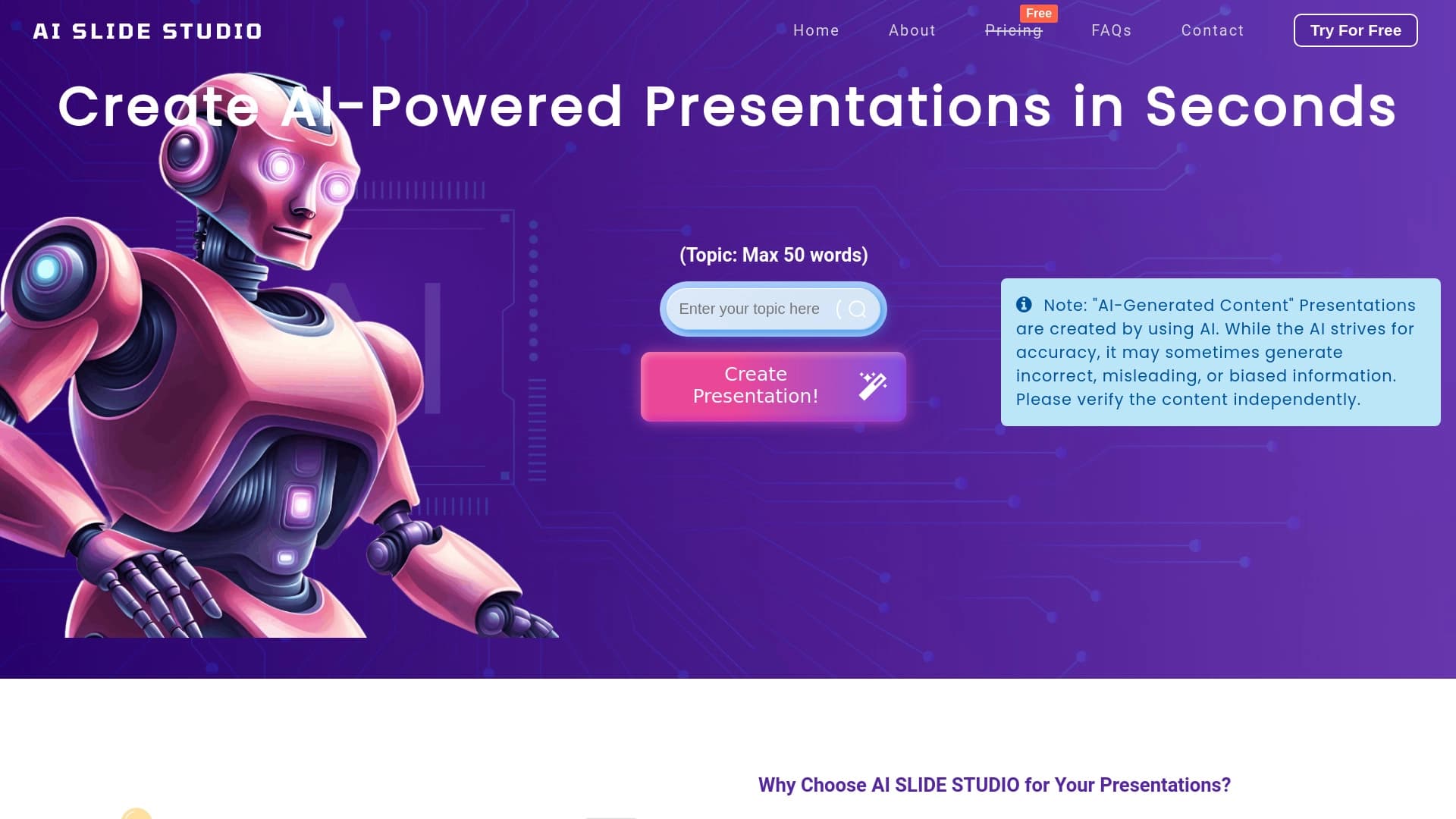

AI Slide Studio is an AI-powered service for quickly creating customizable presentations on a given topic.
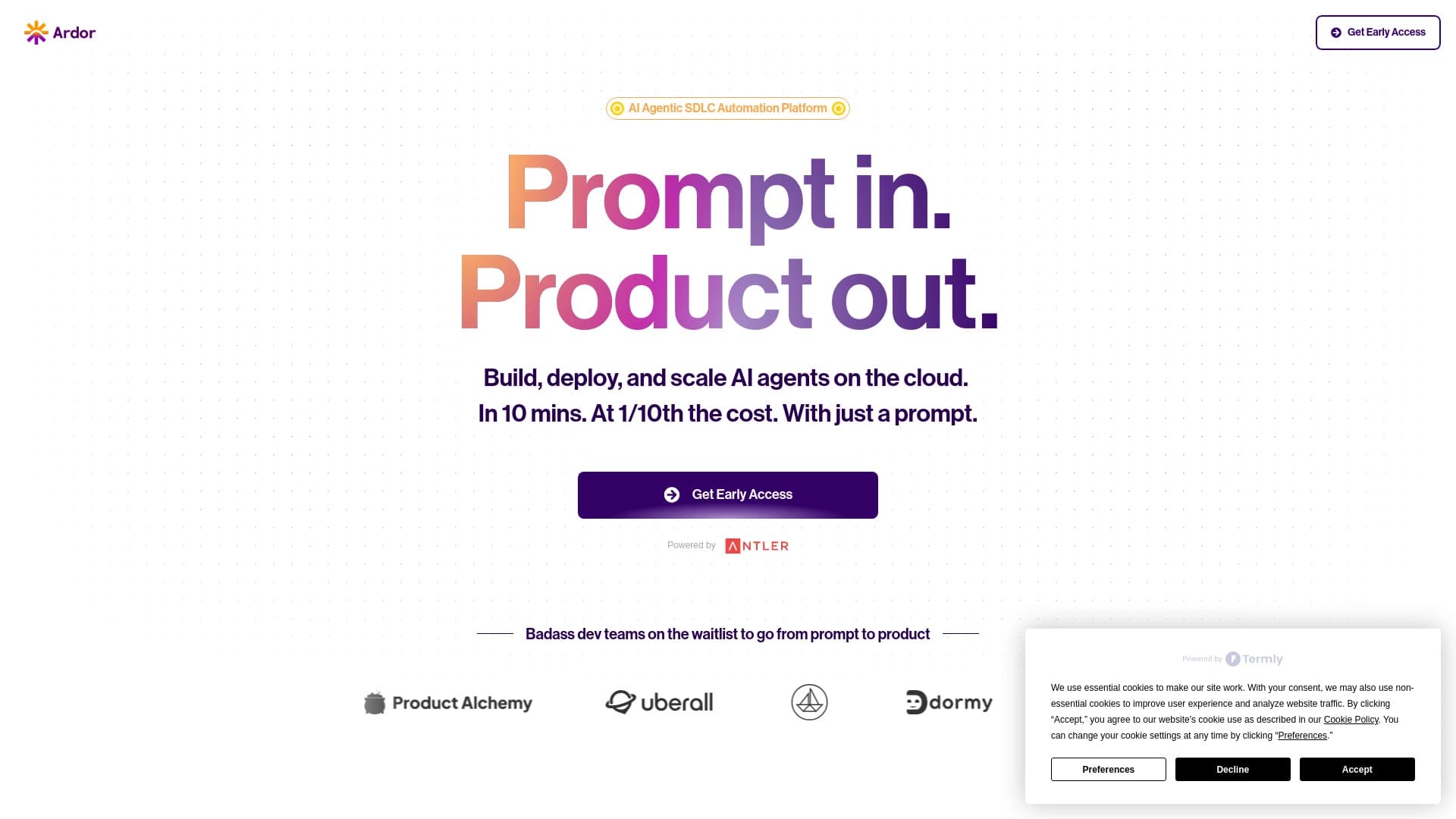

A platform for automating software development using a visual builder for AI agents.
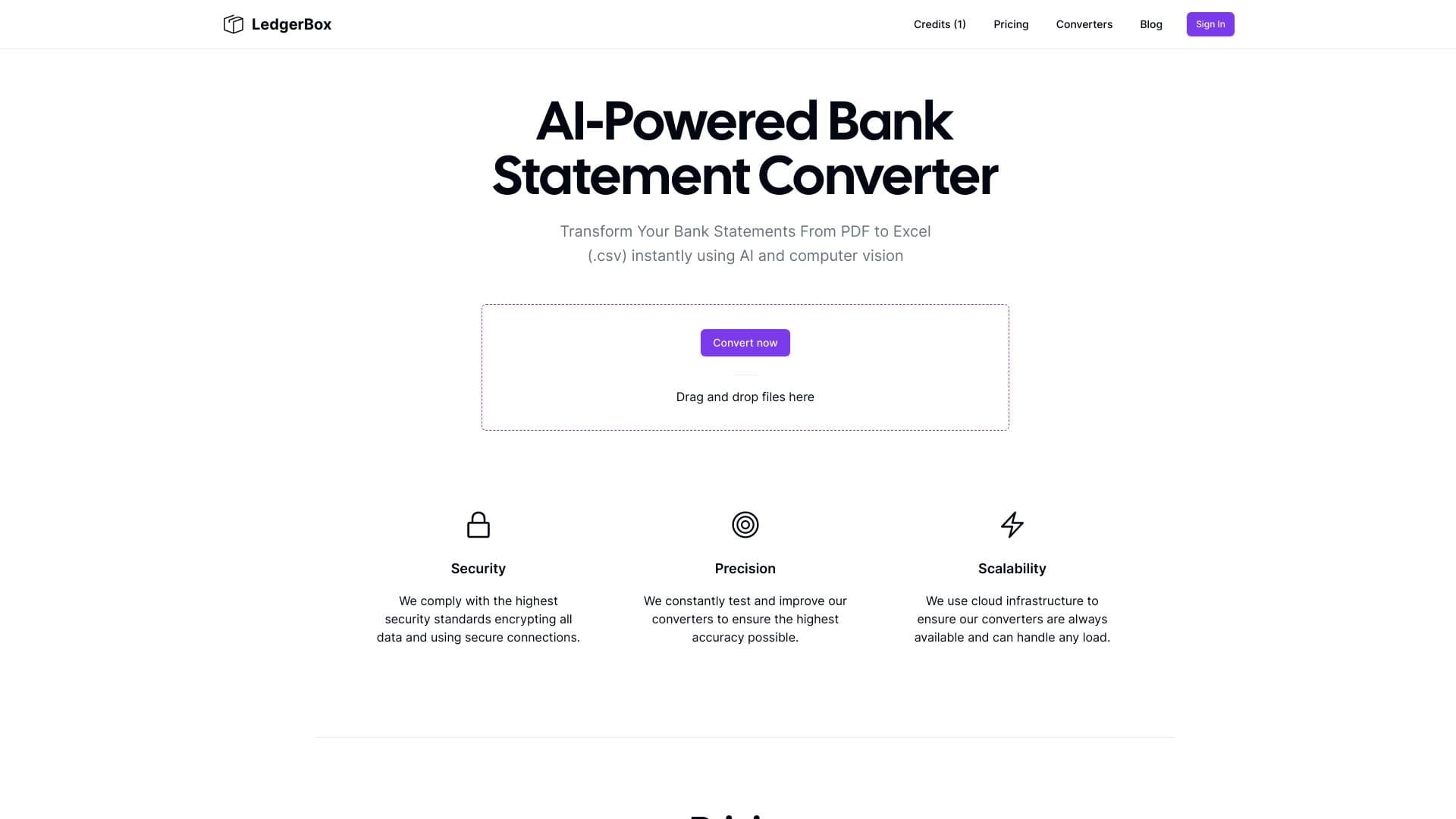
Automatically extract financial data from PDF documents and convert it to Excel or CSV.
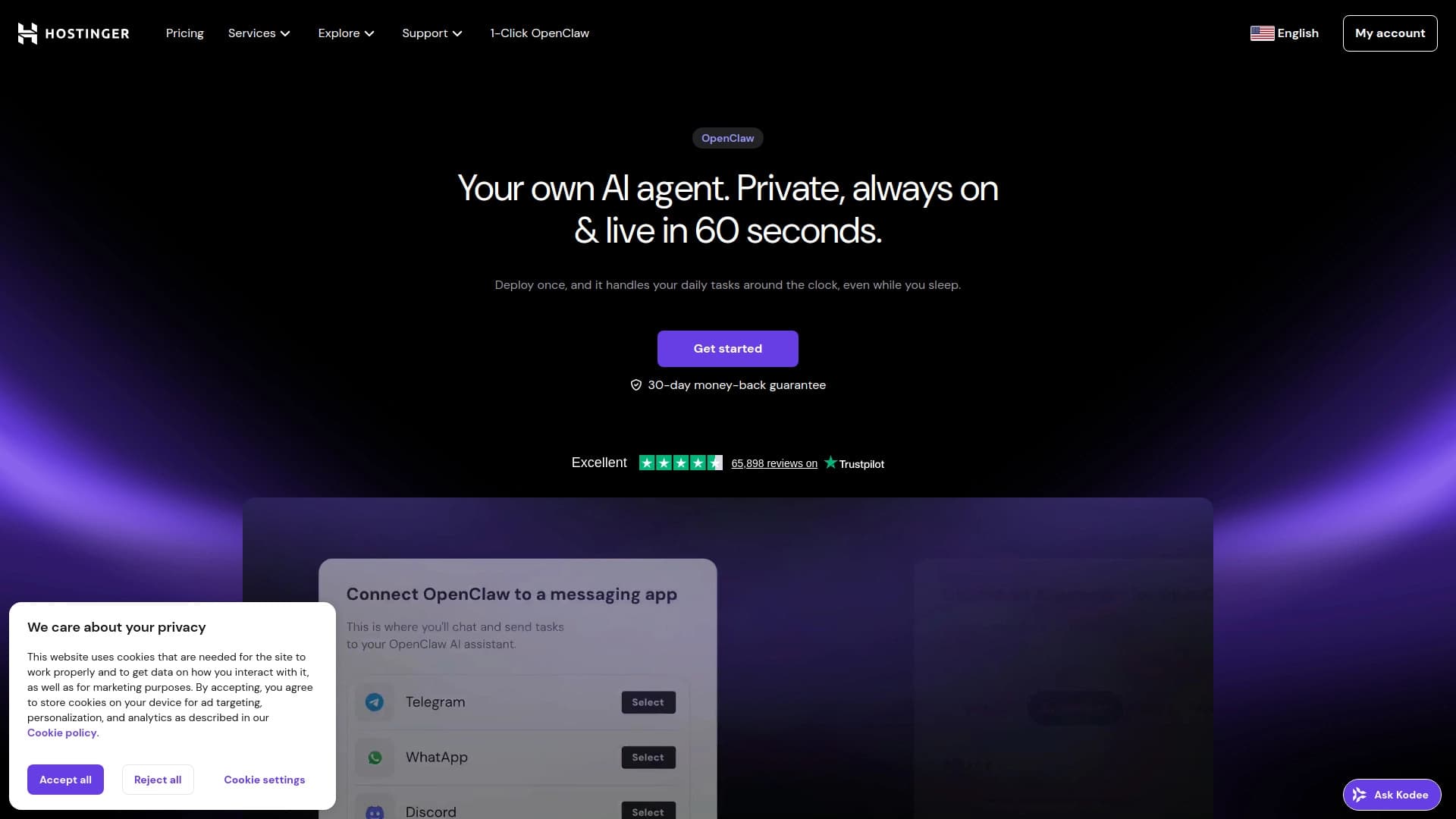
AI website builder from Hostinger for quickly creating websites based on a business description.
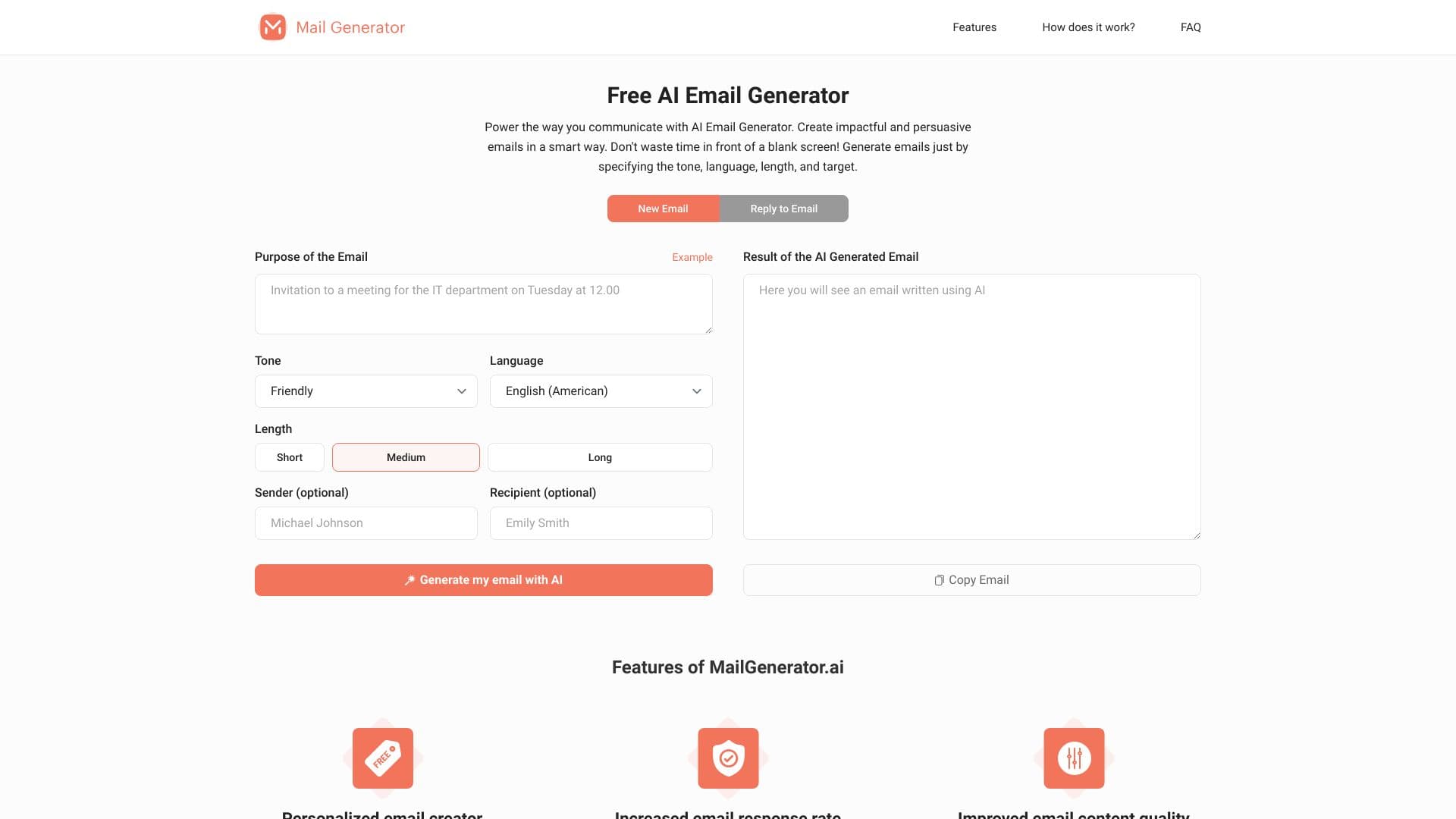

AI-powered online service for generating personalized letters for various purposes and tones.
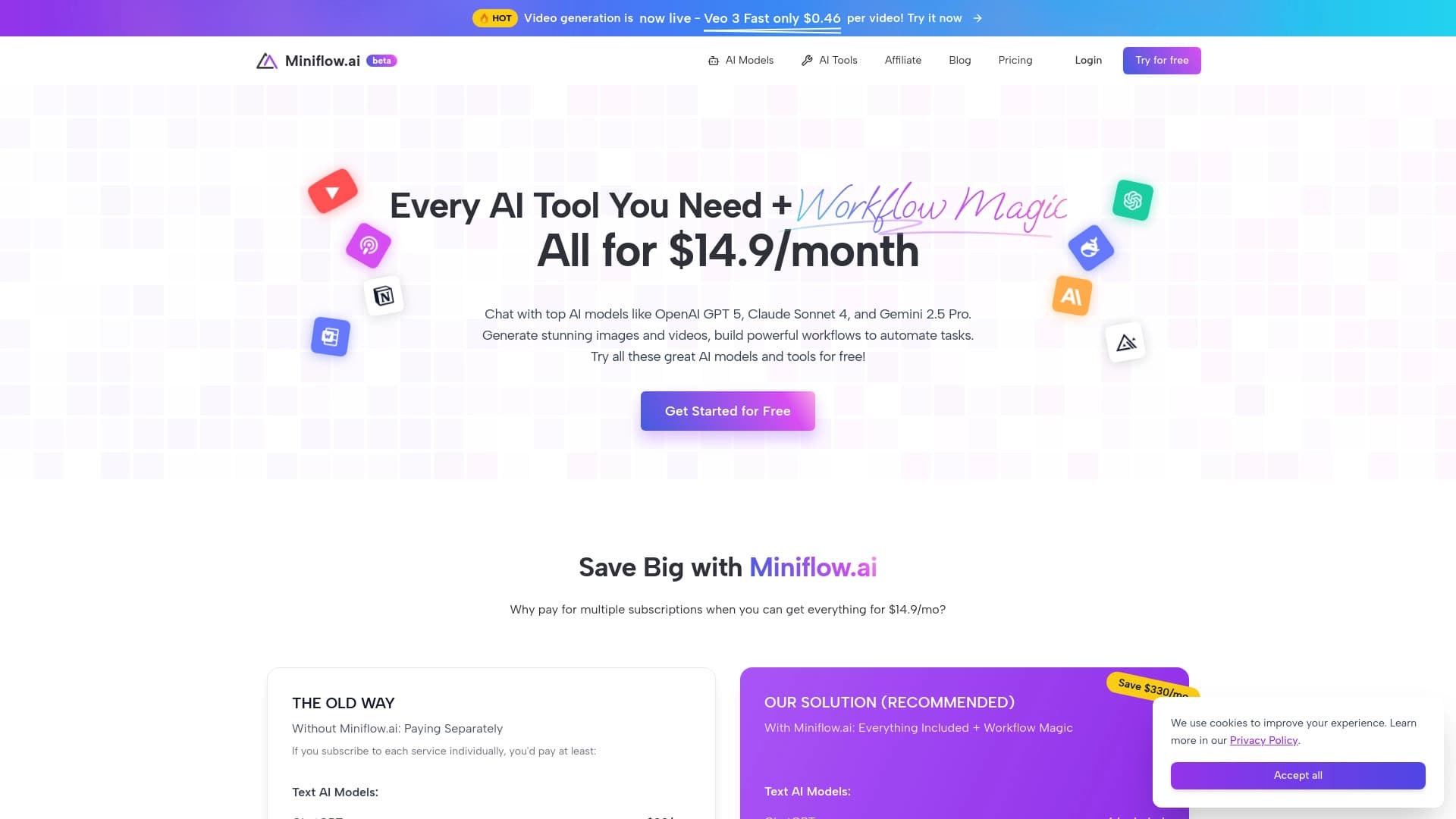

A platform combining over 200 AI tools for content generation and workflow automation.


AI-based platform for creating and editing product images and videos for e-commerce sellers.
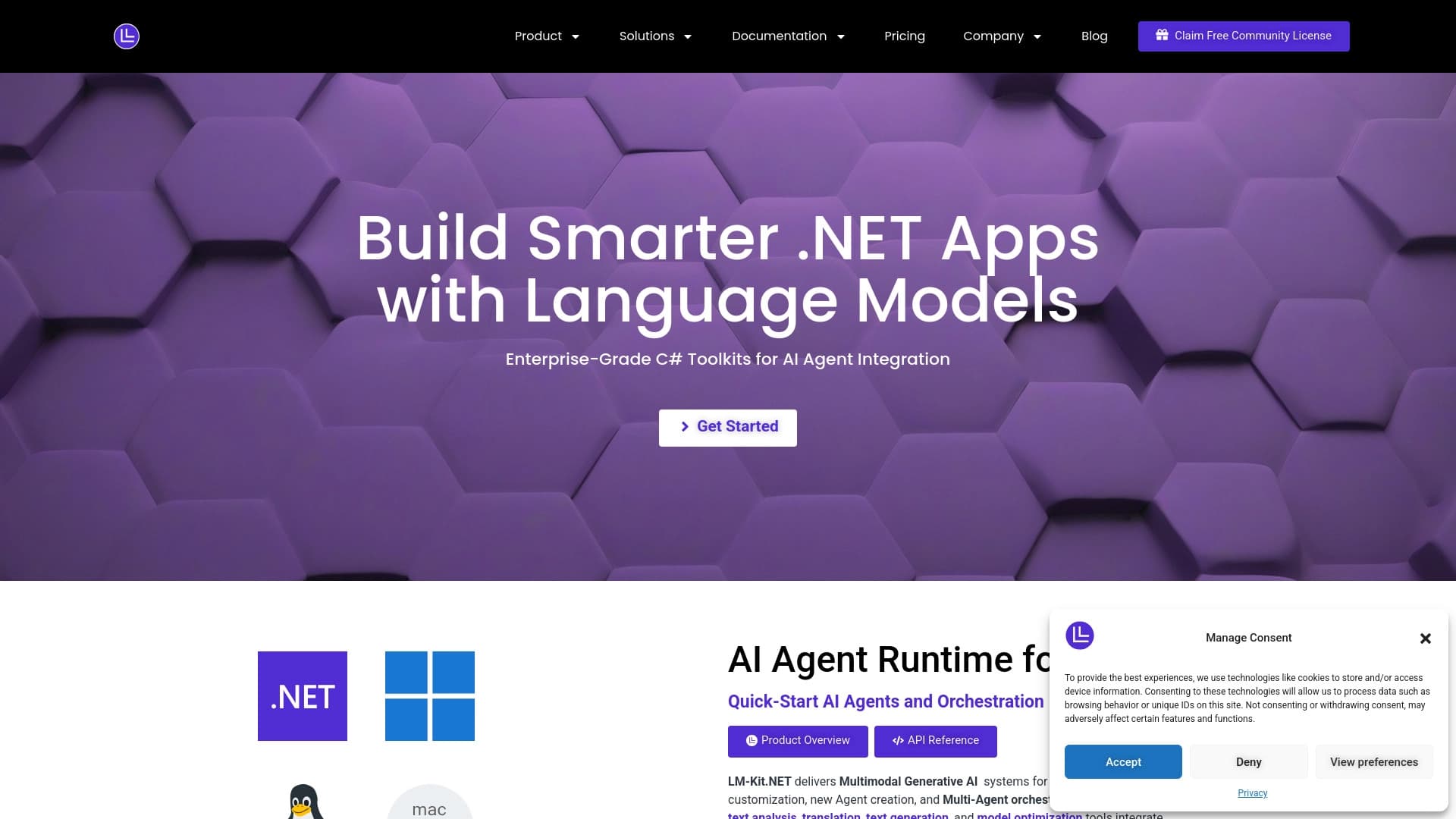

A C# toolkit for integrating AI agents into .NET applications with on-device execution.