

GPTfy
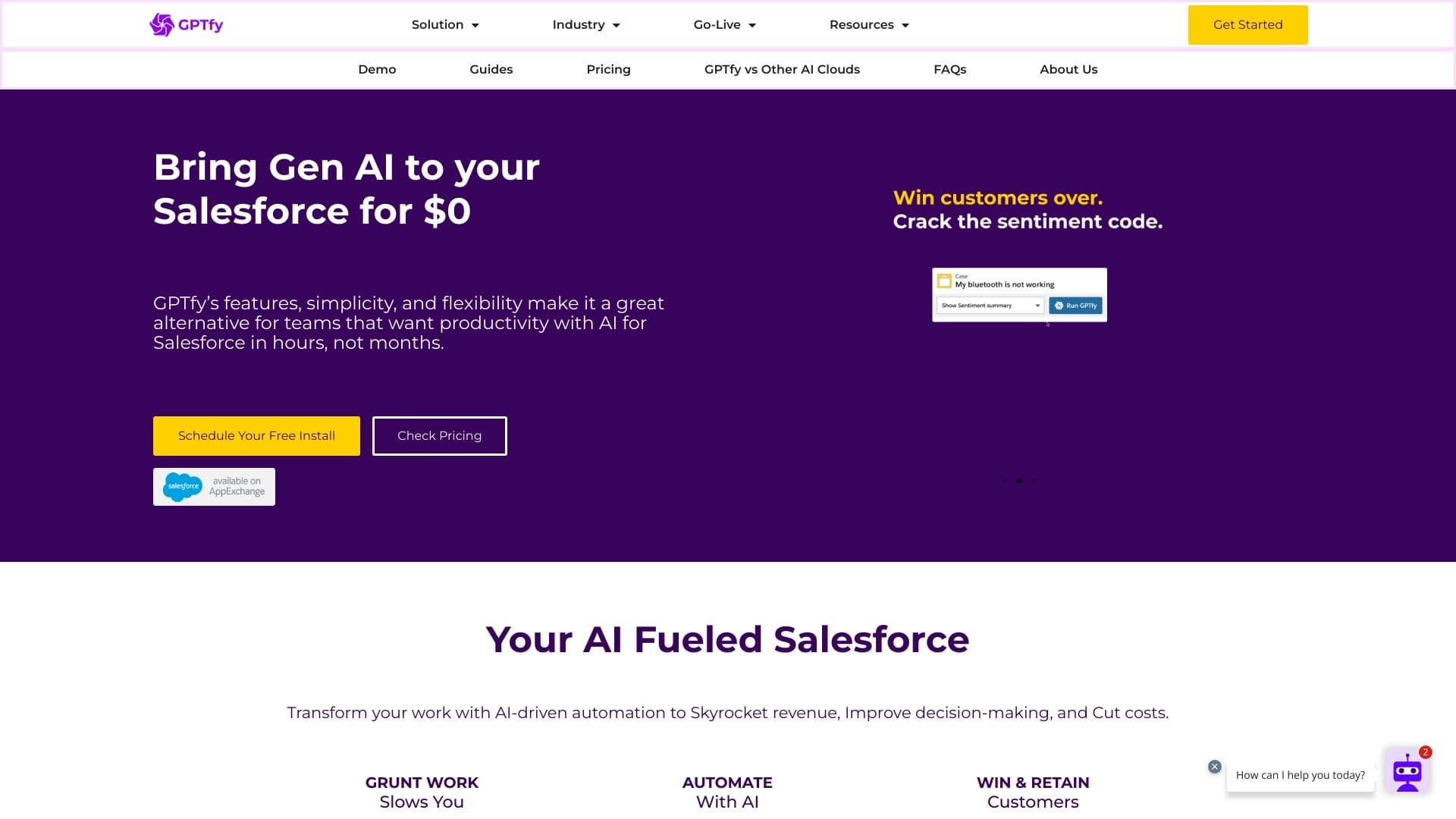
GPTfy is a service for automating routine tasks using GPT language models.
Overview
GPTfy is a service designed to automate routine operations using language models from the GPT family. The core idea of the platform is to give users the ability to configure and run automated text workflows without resorting to programming.
Instead of manually formulating requests and performing repetitive actions, users can set up a template or rule once and then run it to process new data. The service handles the technical side — interacting with the model, processing input, and delivering results — leaving users with only the logic configuration and process control.
This approach makes it possible to shift repetitive intellectual tasks to automation, which is especially relevant for modern workflows where text-related operations take up a significant share of time.
Key idea of the service
The platform solves the problem of simplifying access to GPT capabilities for people without development skills. Users describe a task in natural language or choose from preset scenarios, and GPTfy turns it into a working process.
Target focus
GPTfy is geared toward practical application: reducing time spent on routine operations, lowering the number of errors caused by human factors, and freeing up resources for more complex and creative tasks.
GPTfy characteristics
| Characteristic | Value |
|---|---|
| Purpose | Automation of repetitive tasks using GPT |
| Key technology | GPT language models |
| Coding required | No |
| Target audience | Individual users and small teams |
| Primary goal | Simplifying workflows |
| Distribution model | Not specified |
Who is GPTfy suitable for?
GPTfy targets a wide range of users united by the need to regularly perform repetitive text-related tasks.
Professionals working with large volumes of information
Editors, marketers, analysts, and executive assistants often face tasks that require reworking, structuring, or adapting texts. For such professionals, the service can become a tool for quickly processing materials according to a specified template.
Small teams without developers
Small companies and startups rarely have the ability to dedicate an engineer to writing automation scripts. GPTfy, which requires no programming, suits such teams because it allows regular employees to set up useful workflows on their own.
Users looking to optimize personal time
Freelancers, students, and anyone working with texts independently can use automation to speed up routine processes — from formatting notes to preparing responses to typical requests.
How to use GPTfy?
The principle of working with the service revolves around setting up and running automations. Users don't need to understand how neural networks work — it's enough to know what task they want to solve.
Setting up a scenario
The first step is identifying a repetitive operation that needs to be automated. Based on that goal, users create a scenario by describing its conditions and expected outcome. The service interface allows this to be done without writing code.
Running and monitoring
After setting up a scenario, users can run it to process new input data. GPTfy handles the requests to GPT and provides a ready-made result that can be reviewed and adjusted if necessary.
Iterative improvement
Since tasks can change over time, users have the ability to edit created automations — refining wording, adding new examples, or changing parameters. This helps keep workflows up to date.
Key features of GPTfy
The service's functionality is focused on practical automation rather than one-off requests to the model.
Creating automations without code
The platform's key feature is the ability to build workflows using an intuitive interface. Users describe what needs to be done with the text and configure processing rules.
Simplifying repetitive operations
GPTfy allows frequently performed actions to be turned into repeatable scenarios. For example, standard text checks, paraphrasing, or data extraction can be automated and applied multiple times.
Integration into workflows
The service is designed to fit into users' daily activities. Configured automations can be used within existing routine tasks, reducing the time required to complete them.
GPTfy advantages
The main advantage of the service lies in its approach to using language models — not as a one-off tool, but as part of a regular workflow.
- No entry barrier. Getting started requires no programming knowledge or deep understanding of how GPT works. Simply formulating a task is enough.
- Time savings. Automating routine operations allows users to redirect their efforts toward more important aspects of work rather than mechanically repeating actions.
- Versatility of application. The service can adapt to different fields where there is a need for text processing according to regular rules.
- Improved team efficiency. Small teams can standardize parts of their processes, reducing dependence on subjective factors and making results more predictable.
GPTfy drawbacks
Like any service, GPTfy has certain limitations worth knowing about before getting started.
- Limited source data. Available sources contain no information about specific pricing plans, processing times, or supported languages, which makes it difficult to fully assess the service's capabilities before testing it.
- Dependence on model quality. Automation results directly depend on GPT's capabilities. In some cases, output data may require additional manual review.
- Unclear distribution model. The lack of information about whether the service is paid, free, or subscription-based leaves questions about long-term use.
What tasks does GPTfy solve?
The service is designed to address tasks related to repetitive operations on text data.
Reducing labor costs
GPTfy's primary task is to cut the time users spend on routine operations. This is achieved by shifting repetitive work to automated scenarios.
Standardizing text processing
Configured automations allow uniform rules to be applied to different input data. This helps maintain consistency of results, which is especially important when working in a team.
Freeing up time for other work
By removing the need for users to manually perform repetitive actions, the service frees up resources for tasks that require creativity and decision-making.
GPTfy pricing
Accurate information about the cost of using GPTfy is not available in public sources. It is not specified whether the service operates on a free model, offers paid plans, or requires a subscription.
For up-to-date information on pricing, available plans, and possible trial periods, it is recommended to visit the service's official website or contact its support team. At the time of writing, pricing details have not been disclosed.
GPTfy terms of use
Detailed terms of use for the service have not been published in the sources that served as the basis for this article. It is unknown what requirements are imposed on users, or whether there are limits on the number of automations or the volume of processed text.
The lack of public information on this section means that potential users should carefully review the service's official documents before getting started to understand their rights and obligations, as well as the technical boundaries of use.
GPTfy availability
GPTfy is presented as an online service, which implies accessibility through a web browser. Information about the availability of mobile apps, desktop clients, or API access is not mentioned in the source data.
The service is positioned as a tool for individual users and small teams, indicating its universal accessibility for different categories of interested parties. To get started, registration on the platform will likely be required.
How GPTfy differs from alternatives
The main difference between GPTfy and many other GPT-based tools is its emphasis on automating entire processes rather than supporting individual requests.
Focus on repeatability
While many services offer users a dialogue with the model to solve a specific task here and now, GPTfy is focused on creating repeatable scenarios. This allows the same configured process to be applied multiple times, which is not always convenient to implement in a regular chat interface.
No coding required
Many automation tools require programming skills or script writing. GPTfy, based on its description, removes this barrier, making automation accessible to users without technical training.
Focus on workflows
The service offers an approach in which the neural network becomes part of a larger workflow rather than an isolated tool. This is a qualitative difference from simple model interaction interfaces.
Conclusion
GPTfy is a service that turns GPT technology into a practical tool for automating everyday tasks. Its main value lies in the ability to configure repetitive operations without programming, opening up access to automation for a wide range of users and small teams. Despite the lack of detailed public information about pricing, terms, and technical details, the platform's concept itself looks like a logical step toward integrating language models into regular business processes. Potential users should evaluate the service based on their specific tasks and expectations from automation.
Frequently asked questions
See also
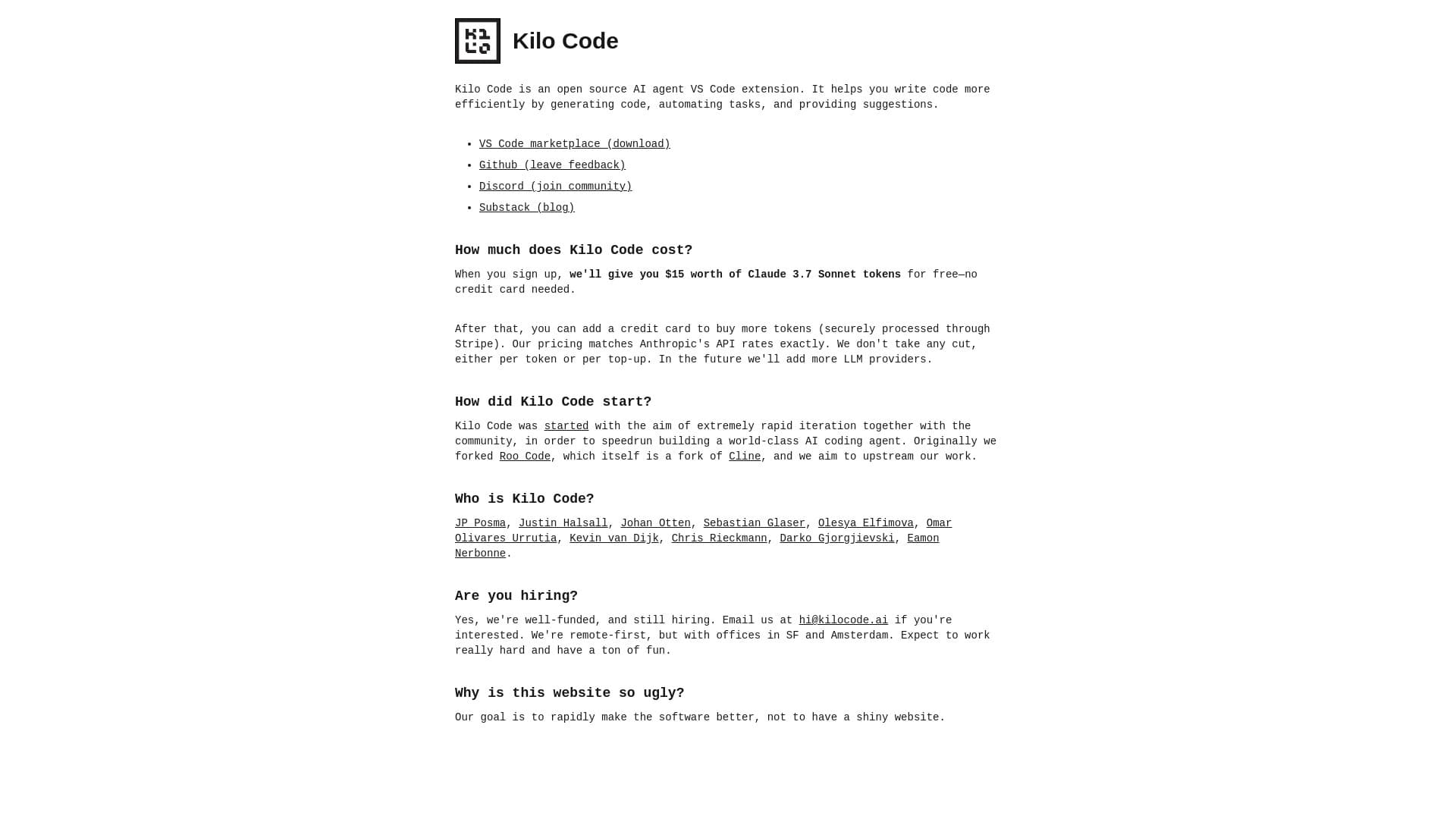

An open-source AI development agent that helps generate, refine, and debug code directly in the IDE.
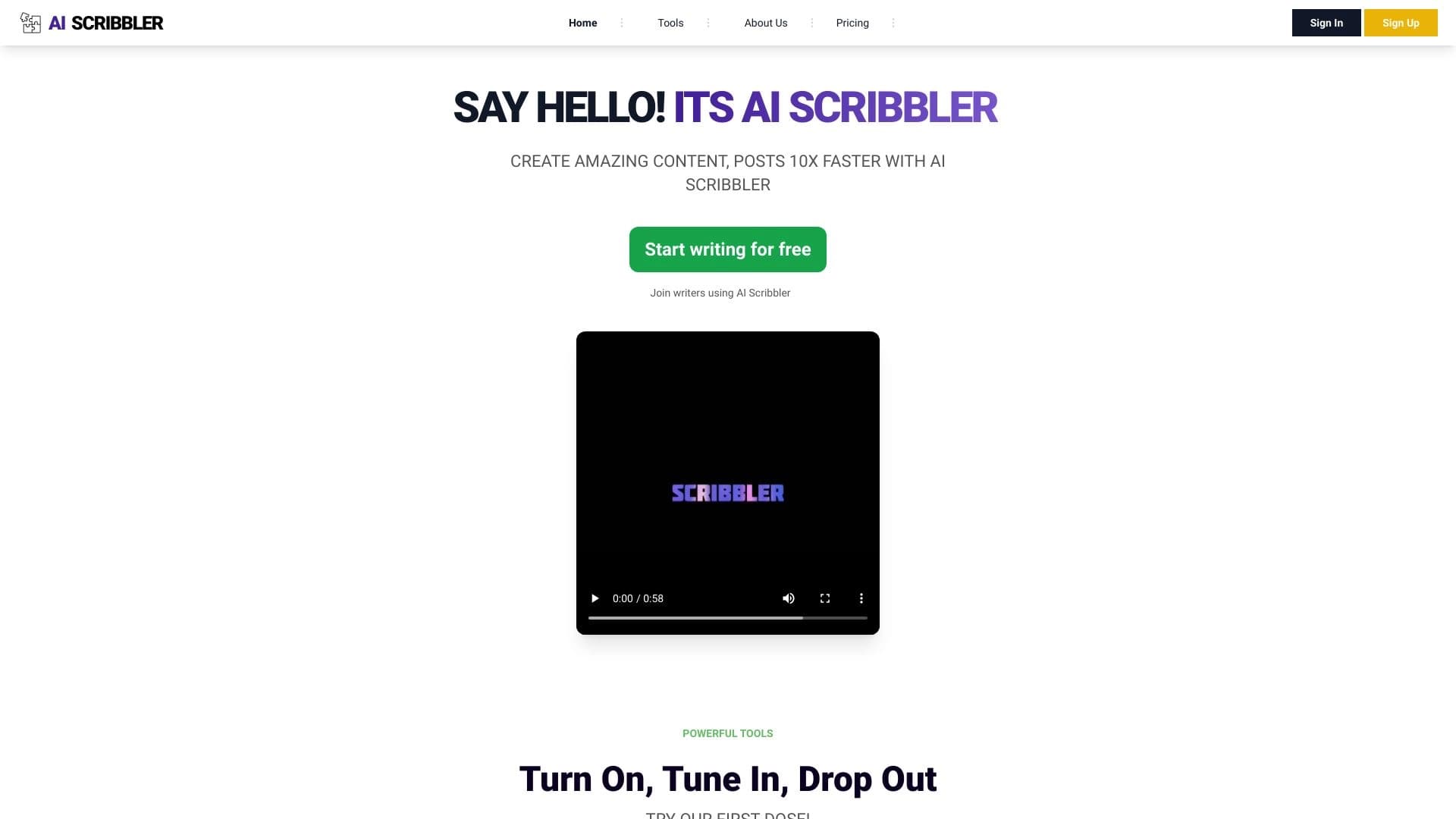

AI-powered online platform for quickly creating text content, including blogs, articles, and social media posts.
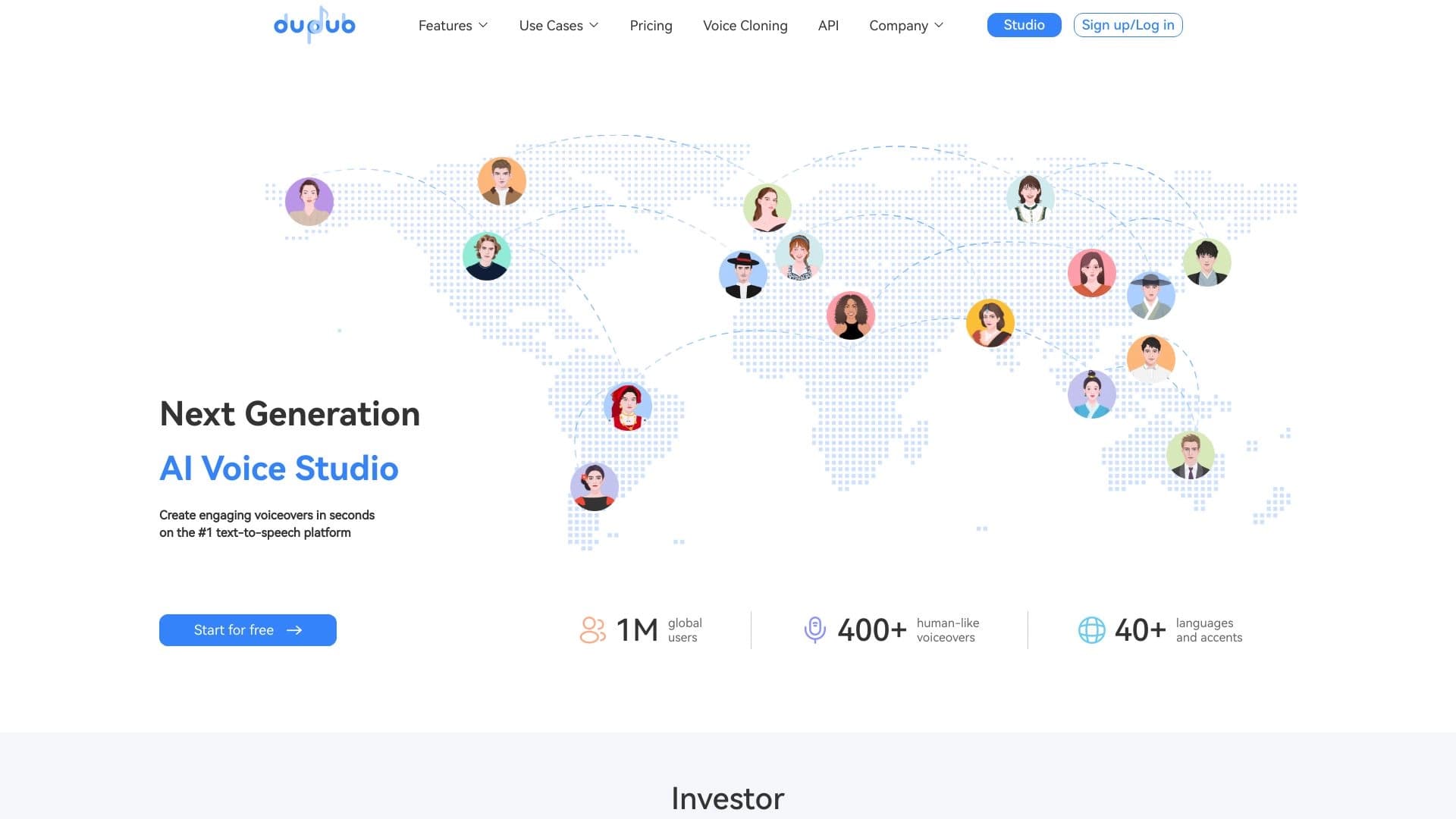
Multifunctional AI platform for content creation, combining speech synthesis, text generation, avatar creation, and video editing.


Video editor with neural network support for video editing on Windows and Mac.

AI email assistant that integrates with Gmail and Outlook.

AI marketing assistant that helps create promotion strategies and optimize advertising campaigns.


A platform for chatting with virtual AI characters that you can create and customize to suit yourself.
Intelligent assistant from Microsoft, built into the Bing search engine and Edge browser, powered by GPT-4.