

Kilo Code
An open-source AI development agent that helps generate, refine, and debug code directly in the IDE.

Overview
Kilo Code
About the Kilo Code AI
Kilo Code is an open-source AI agent for developers that helps speed up the entire software development cycle: from writing the first lines of code to shipping production releases. The tool works in VS Code, JetBrains IDE, and via CLI, offering several modes that cover everything from simple project questions to architecture planning and code generation.
The product started as a fork of Roo Code, but over time evolved into a standalone platform. Its open source lets you adapt the tool to your own workflows — whether you are an individual developer or a whole team. Users can connect their own API keys from various providers, use hundreds of models, and leverage cloud agents for collaboration via Slack.
Kilo Code features
| Characteristic | Value |
|---|---|
| Type | AI coding agent / VS Code extension |
| Category | Code assistants, code generation, development |
| Distribution model | Freemium |
| Open source | Yes (source on GitHub, Apache-2.0 license) |
| Platforms | VS Code, JetBrains IDE (IntelliJ IDEA, WebStorm, PyCharm), CLI |
| Model access | No commission, pay providers directly (Anthropic, OpenAI, Google) |
| Own API keys | Yes |
| Free models | Available, including locally via Ollama |
| Number of models | 400+ via OpenRouter |
| Developer | Kilo AI |
Who is the Kilo Code AI for?
Solo developers
The tool is a good fit for individual developers who want to write, refine, and ship code faster while keeping full control over models and infrastructure. The ability to connect your own API keys and use free or local models makes Kilo Code a flexible solution for personal projects.
Development teams
For team work, Kilo Code helps organize collaborative development with cloud agents, Slack integration, log auditing, and access management. This is especially valuable for companies working on commercial projects that need a transparent, controllable tool without vendor lock-in.
VS Code and JetBrains users
The product is specifically aimed at developers who are used to local development in VS Code or JetBrains IDEs and want to combine it with agentic scenarios and cloud tools in a single solution.
How to use the Kilo Code AI?
Getting started
For a first taste, it is recommended to start with local mode and your own API keys — this makes it easier to estimate real model costs and understand how the tool behaves in your tasks. The extension installs in VS Code; versions for JetBrains IDE and CLI are also available. You can connect your own keys, use free models, or run local models via Ollama.
Planning large changes
Before significant changes in a project, it is useful to use Architect mode: the agent first builds a solution plan and then generates code based on it. This lets you think through the architecture in advance and avoid chaotic edits.
Working with large projects
In large, complex projects, it is worth limiting the agent's scope of work. This improves result stability and helps reduce model call costs, since the agent processes only the necessary amount of code.
Kilo Code key features
Work modes
The product combines several modes in one interface: Orchestrator breaks large projects into subtasks, Architect designs the solution architecture, Code turns plans into working code, and Debug finds and fixes errors. There is also Ask mode for quick questions and Custom mode for tailoring the agent to your own tasks.
Code generation and code work
The tool supports generating new code snippets, extending existing modules, refactoring, code review, fixing type issues, and updating documentation and tests. The agent can read the project structure, run terminal commands, and analyze files.
Integrations and automation
Kilo Code offers MCP integrations for working with the browser, GitHub, file systems, and terminal; supports autocomplete from Continue; documentation for 15,000+ libraries from Context7; and dependency management. For teams, cloud agents, Slack integration, and the KiloClaw service are available.
Kilo Code advantages
Open code and transparency
The open source with an Apache-2.0 license lets developers study, improve, and integrate the tool into their stack. User data is not used to train models, and the team keeps full control over the code.
Flexibility and no vendor lock-in
There is no vendor lock-in: you can connect your own API keys from different providers and choose from hundreds of models (400+ via OpenRouter). You pay providers directly with no markups or commissions, and free and local models are available via Ollama.
Versatility and active development
One tool combines several work modes instead of requiring different products, supports VS Code, JetBrains, and CLI, has advanced agent logic, and is actively developed while staying closely tied to local development and the open-source ecosystem.
Kilo Code drawbacks
Steep learning curve
The product has a high entry barrier — setup can be challenging for beginners. To use all its capabilities effectively, you need to understand API keys, models, and agentic scenarios, which is not always obvious at first.
Feature limitations and stability
Some features are available only by subscription, and the agent's autonomous actions require constant oversight from the developer. In addition, MCP integrations are not yet stable everywhere, which can add friction to everyday work.
What problems does Kilo Code solve?
Writing and refining code
The tool helps generate new snippets and modules, extend existing code, fix type issues, manage dependencies, and perform refactoring. Automated iterations speed up the path from prototype to production release.
Design and debugging
Architect mode lets you plan the architecture and structure of changes before making large edits, while Debug helps find and fix errors. The agent also answers quick questions about the project and analyzes its structure.
Automating development processes
Kilo Code handles routine repository tasks: updating documentation and tests, code review, breaking complex projects into subtasks, and automating sprints. This speeds up shipping new features and lets you experiment with architecture.
Kilo Code pricing
Kilo Code is distributed free (open-source), but using AI models is paid for separately. There is a free Free & Open Source plan, which includes extensions for VS Code, JetBrains, and CLI, an agentic assistant, code generation, and work with any models.
Teams can use the Teams plan at $15 per user per month with a 14-day trial period. For large organizations, an Enterprise plan is available on request. There is also Kilo Gateway — pay-as-you-go with no markup — and Kilo Pass starting at $19 per month with a bonus of up to 50% in credits (bonus credits expire at the end of the month). If you connect your own API keys, you pay providers directly. Users also get $20 in starting credits to explore the platform.
Kilo Code terms of use
The base version is distributed free with open source, and product support is funded through the corporate segment. You need to install the extension in VS Code (or the corresponding version for JetBrains and CLI). You can use your own API keys, free models, or local models via Ollama. User data is not used to train models.
Access to some features — including team collaboration via cloud agents, log auditing, team management, role-based access, and priority support — requires paid Teams or Enterprise plans. Using AI models is paid for separately, depending on the chosen provider or subscription.
Kilo Code availability
The tool is available on VS Code, JetBrains IDE (IntelliJ IDEA, WebStorm, PyCharm, and others), and via the CLI. The tool supports Russian, but there is no Russian interface. The product is developed by Kilo AI, and the source code is hosted on GitHub.
How Kilo Code is different from alternatives
Kilo Code started as a fork of Roo Code, but grew into a standalone platform. After Roo Code was discontinued, it filled the niche between classic open-source agents (such as Cline) and fully cloud platforms (Devin, Roomote). Unlike Cline, Kilo Code is an agentic environment for team development, not just an agent inside an IDE. Unlike Devin or Roomote, it keeps a strong connection to local development and the open-source ecosystem.
In addition, Kilo Code combines several work modes (Orchestrator, Architect, Code, Debug) in one interface instead of requiring different tools, adds no commission to APIs, and targets both individual developers and companies.
Conclusion
Kilo Code is a fast-growing open-source AI agent for development that has gone from being a Roo Code fork to a standalone platform with support for VS Code, JetBrains, CLI, cloud agents, and MCP integrations. It suits developers and teams who value flexible control over models and infrastructure, no vendor lock-in, and the transparency of open code. That said, the tool may feel overloaded for those who just need a simple in-editor assistant: the steep learning curve, the need to oversee the agent's autonomous actions, and the partial dependence of features on subscriptions all require a deliberate approach.
Pricing
Frequently asked questions
Similar AI tools

See also

AI assistant for business that helps manage tasks and automate routine through dialogue.


Terminal AI agent for programming that dynamically adapts to developer tasks.

Platform for developing, monitoring, and evaluating AI applications based on large language models.
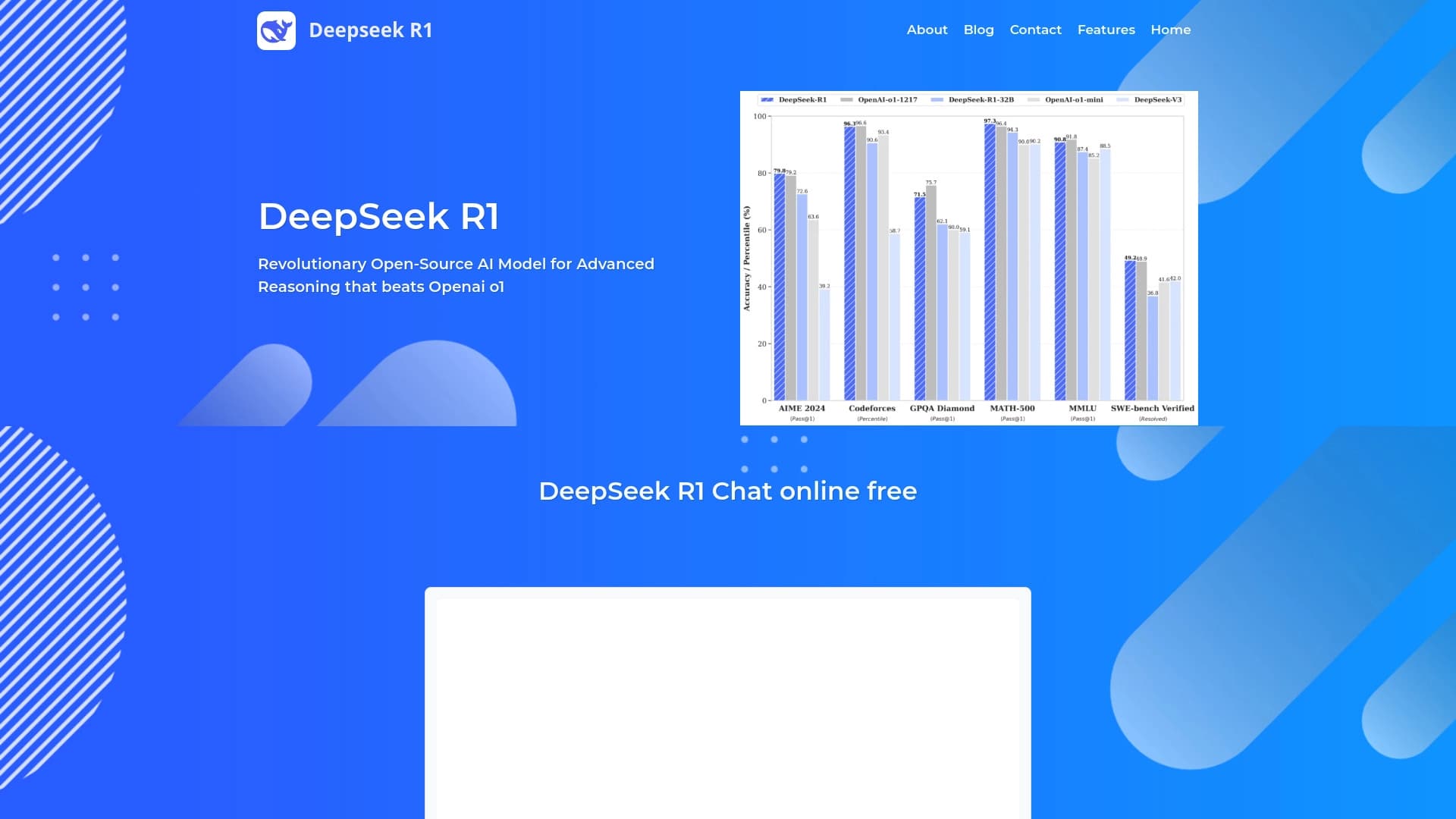

Open neural network for solving complex problems in mathematics, programming, and logic.
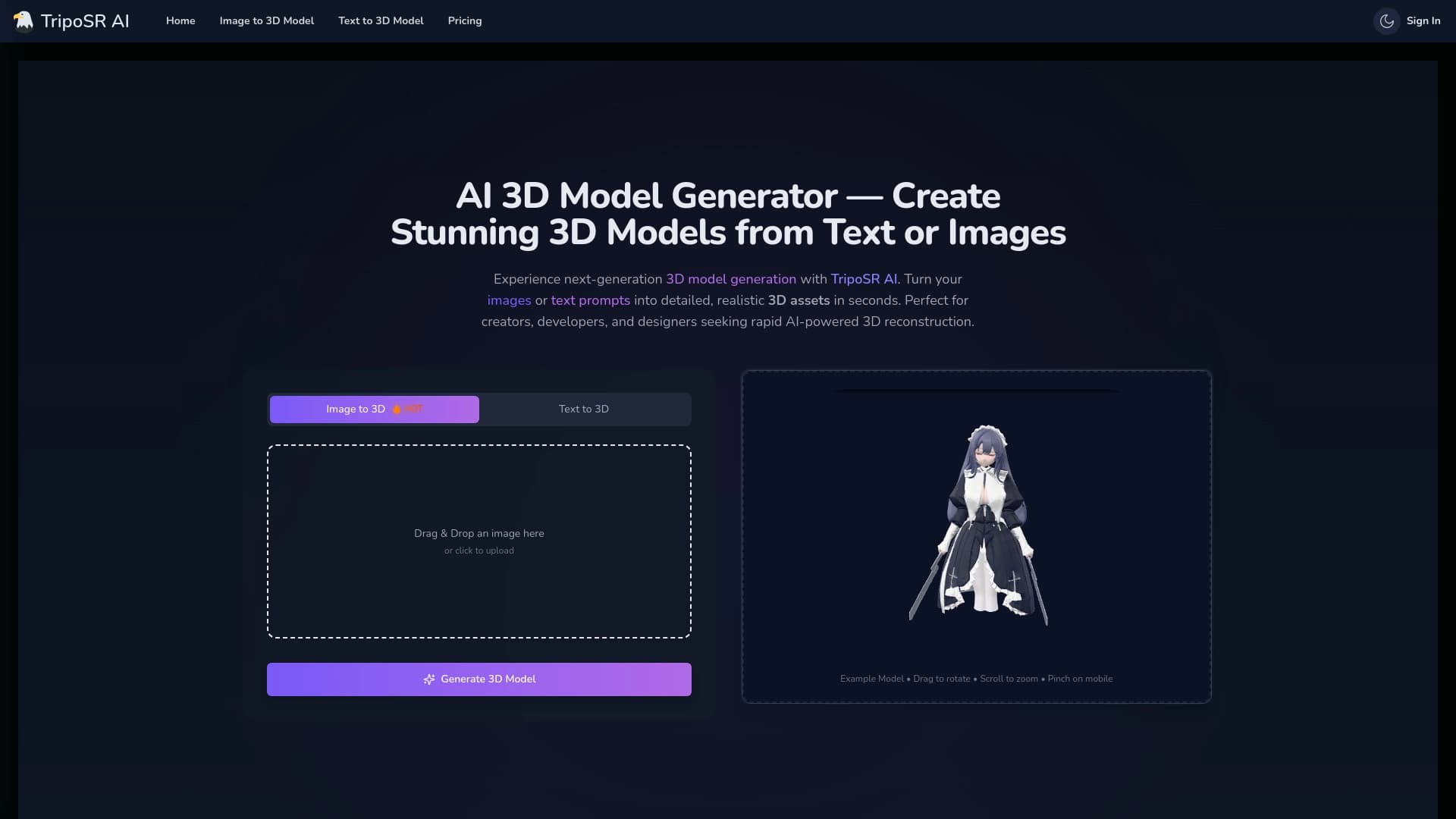

Open-source tool for quickly converting a single image into a 3D model.


A platform for chatting with virtual AI characters with image generation during the conversation.

A community platform for discovering, publishing, and sharing open AI image generation models.


Averi is a marketing platform that brings campaign planning, content creation, and analytics together in a single interface.