
Eyematch
AI face search engine that finds photos of a person on the internet based on an uploaded image.

Overview
Eyematch is a specialized AI search engine that lets you find photos of a person on the internet using a single uploaded image. Instead of manually sifting through search engine result pages, you upload a picture and the system scans millions of images online using its own facial recognition engine. Within seconds, the service returns a list of places where that same face appears.
The tool works on the principle of reverse image search, but with a focus specifically on faces: it converts the uploaded photo into a unique digital pattern and compares it against a database of online images. This approach makes the service faster and more accurate than standard search engines. Importantly, uploaded images are not stored or shared with third parties — all operations are carried out with user privacy in mind.
Eyematch Features
| Feature | Value |
|---|---|
| Type | AI-based facial recognition search engine |
| Category | Search and search engines, image editing |
| Business model | Freemium |
| Technology | AI engine for facial recognition |
| Privacy | Does not store or share uploaded photos |
| Availability | Website, upload from computer or phone |
| Registration | Not required |
| Interface language | Not specified (based on available data) |
Who is Eyematch for?
Content creators and photographers
People who publish their photos online often face unauthorized use of their images. Eyematch lets you quickly check where exactly your photos appear on the web — whether it's a personal blog, a news article, or someone else's account. It's a useful tool for anyone who wants to control the spread of their images and protect their copyright without manual searching.
Privacy-conscious everyday users
If you suspect your photos are being used on other people's pages or in fake profiles, Eyematch can help you verify this. The service is especially relevant for those who want to make sure their images don't show up in fraudulent schemes or on fake social media accounts. Privacy is a key focus here, which is why uploaded images are not stored.
People who have encountered fraud
Victims of online scammers who use other people's photos to create fake identities can use Eyematch to gather evidence. By finding all public images, the system helps trace where and how a person's face is being used, which can be useful when contacting support services or law enforcement.
How to use Eyematch
Step 1: Upload an image
To get started, go to the service's website. No registration is required — that's one of its key advantages. Choose a photo from your computer or phone to use as your query. Both recent and older images work fine.
Step 2: Get search results
After uploading, the system converts the photo into a digital facial pattern and runs a reverse search across its database of online sources. Within seconds, you'll see a list of matches — places on the internet where the same face appears. The comparison works correctly even with differences in lighting, shooting angle, or facial expression.
Key Eyematch features
Converting photos into data patterns
The uploaded image is processed by an AI engine that extracts unique facial features and turns them into a mathematical pattern. This approach is what ensures search accuracy — the system isn't just looking for similar images, but for a specific person.
Reverse search across online sources
Eyematch scans millions of images online, comparing the resulting pattern against photos from public sources: social networks, news sites, forums, and other public platforms. The result is a list of links where the face was found.
Delivering a list of matches
The user receives an organized list of places where the target face appears. This simplifies analysis: no need to manually go through hundreds of pages — just review the generated list.
Eyematch advantages
Speed and accuracy
Specialization in faces makes the tool faster and more accurate than general-purpose search engines. Facial recognition technology can find the right images even with altered lighting, angles, or emotions in the photo.
Ease of use
All you need to do is upload an image and wait for results. No complex settings or technical skills required — everything takes just a couple of clicks.
Privacy and confidentiality
Uploaded photos are not stored on servers and are not shared with third parties. This is especially important for users concerned about the safety of their personal data.
Eyematch drawbacks
Free tier limitations
The service operates on a Freemium model, meaning there's a free tier with certain restrictions. Specific limits on the number of searches or available features in the free version are not disclosed, but as with most similar services, they will be more limited than paid plans.
Unclear pricing policy
Based on available data, the exact cost of paid plans has not been established. This could make it harder for potential users to estimate the cost of full service usage.
Dependence on public sources
Search effectiveness depends directly on which images are publicly available. If a person's photos aren't in open databases or are in private profiles, the service won't be able to find them.
What problems does Eyematch solve?
Face search on the internet
The service's main purpose is finding all public photos of a specific person. This is useful for reconstructing the history of image publication or controlling their distribution.
Copyright protection for images
Photographers and content creators can use Eyematch to detect unauthorized use of their images. By finding where their work is published, they can take appropriate action.
Detecting photo use on other accounts
The service helps you find out whether your photos are being used to create fake pages or profiles on social networks. This is an important part of digital hygiene and reputation protection.
Identifying fake profiles and scammers
Eyematch lets you compare photos from suspicious accounts against a person's real images. This helps identify scammers who use other people's photos to deceive others.
Eyematch pricing
The exact cost of Eyematch plans is not specified in available sources. It's known that the service operates on a Freemium model — offering a free tier with certain limitations and paid versions with expanded features. For up-to-date pricing information, it's recommended to visit the service's official website or contact support.
Eyematch terms of use
No registration is required to use the service — that's one of the key conditions that makes getting started easy. Users can go straight to uploading images and searching. Uploaded photos are not stored or shared with third parties, ensuring confidentiality. More detailed terms of use, including data processing rules and party responsibilities, are available on the project's official website.
Eyematch availability
The service is available via its website, so it can be used on any device with a browser. Image upload is supported from both computers and mobile phones. No additional software installation is required — all functionality is accessible through the browser.
How Eyematch differs from alternatives
The key difference between Eyematch and general-purpose search engines is its specialization in faces. General search engines find similar images based on visual characteristics, but they aren't optimized for identifying a specific person. Eyematch uses an AI engine specifically tuned for facial recognition, making search faster and more accurate, especially under varying shooting conditions — altered lighting, angles, or facial expressions.
Another important difference is the approach to privacy. The service does not store or share uploaded photos, making it safer for users concerned about the confidentiality of their data.
Conclusion
Eyematch is a fast and easy-to-use AI tool for reverse face search on the internet that combines the accuracy of a specialized recognition engine with a focus on user privacy. The service is useful for copyright protection, checking the spread of your own images, and identifying fake profiles and scammers. No registration requirement and a guarantee that uploaded data isn't stored make the tool convenient for a wide range of users, although the exact terms of paid plans remain undisclosed.
Frequently asked questions
See also
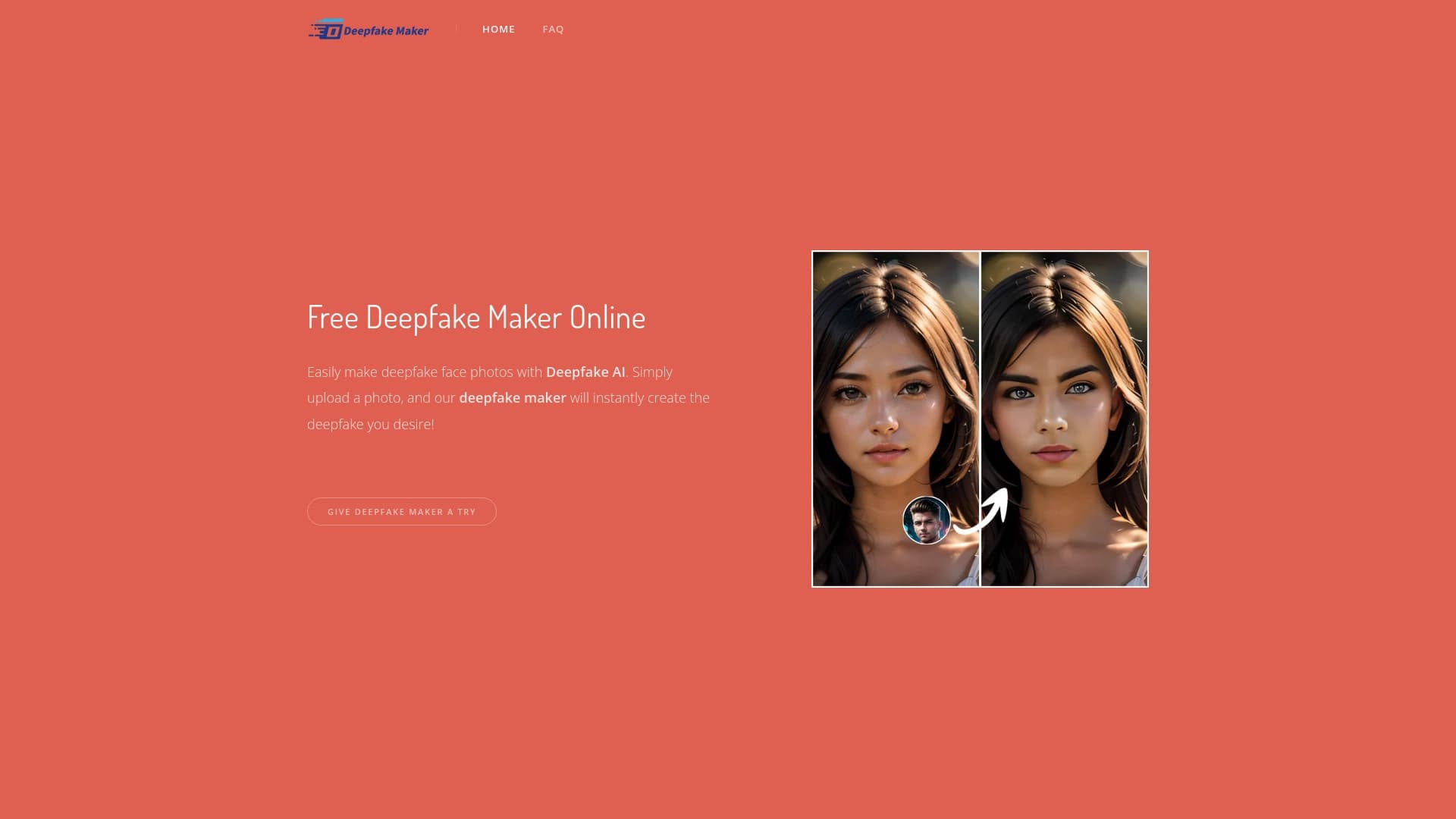

Online AI tool for creating deepfakes and editing images.

Online editor for removing unwanted objects, text, and defects from photos using a neural network.

Cloud platform for creating videos using AI avatars, synthesized speech, and automatic translation of clips into dozens of languages.


An online service that recognizes text on manga and manhwa pages, translates it into different languages, and embeds it back into the image without damaging the original artwork.
A platform for aggregating world news using AI to analyze and reduce bias.

A multimedia AI toolkit for editing and enhancing photos, videos, and PDF documents.
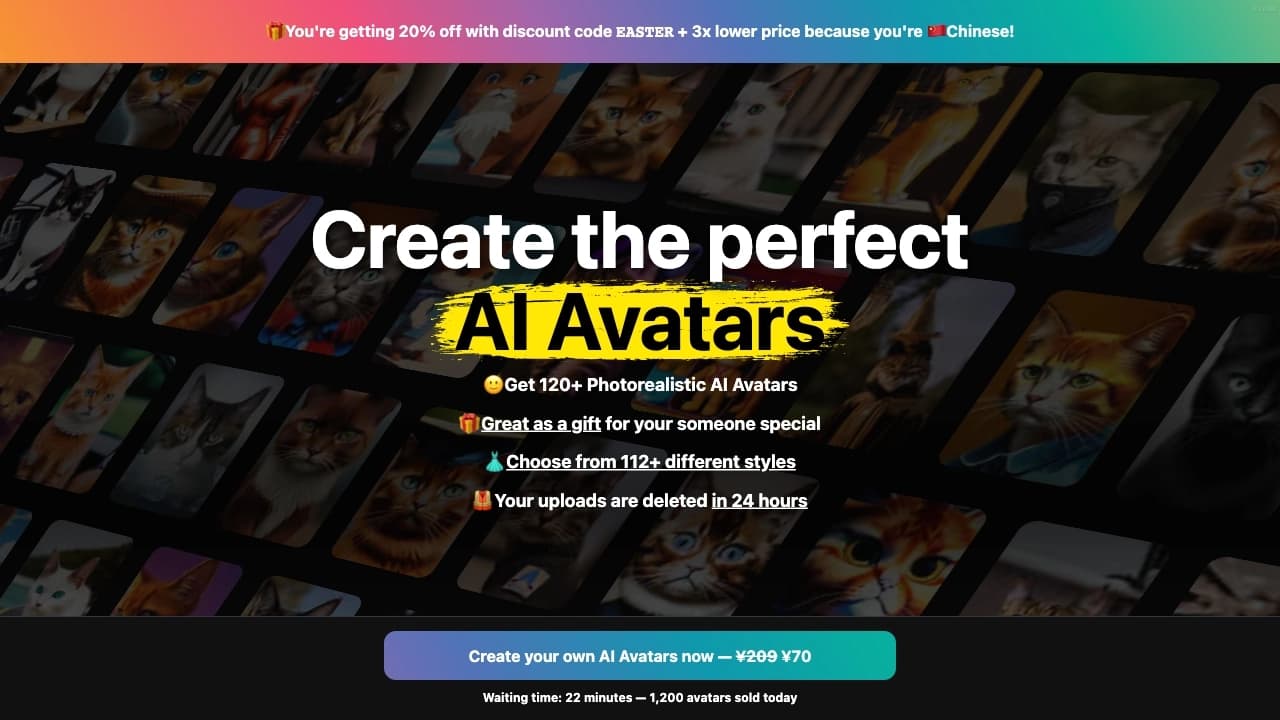
Service for creating personalized avatars and photo shoots using AI based on uploaded selfies.

Online neural network service that transforms ordinary photos into stylized artistic portraits and avatars.