
Engine AI
Data processing and machine learning platform for businesses and developers.
Overview
Engine AI Description
Engine AI is a cloud platform that brings together tools for working with data and artificial intelligence in a single space. The service is designed to lower the barrier to entry into the world of machine learning: it allows you to ingest, process, and analyze information, as well as train and deploy models without having to write complex code from scratch.
The key feature of Engine AI is its focus on practical application. The platform acts as a bridge between raw data and ready-made business solutions. Thanks to built-in integration mechanisms (API), Engine AI easily integrates into a company's existing IT infrastructure, automating tasks from simple spreadsheet processing to building predictive models. The service's philosophy is to make AI accessible to everyone, including those without specialized technical education.
Engine AI Characteristics
| Characteristic | Value |
|---|---|
| Type | Platform for working with data and AI |
| Category | Business, Development |
| Transformation | Data to data |
| Tasks | Data analysis, Data management |
| Free tier | Yes |
| API | Yes |
Who is Engine AI suitable for?
Developers and technical specialists
Engine AI provides developers with flexible tools for integrating machine learning models into their applications. The API allows you to automate model training and deployment processes, saving time on writing infrastructure code. The platform is suitable for rapid prototyping and bringing models into industrial operation.
Business users without deep technical knowledge
The main audience of Engine AI is company employees who need results rather than programming knowledge. Thanks to the intuitive interface, managers, analysts, and marketers can independently process data, build reports, and use predictive algorithms for decision-making without involving the IT department.
Companies of various sizes
The platform is equally useful for all business segments:
- Startups — quick AI adoption without large upfront costs (a free tier is available).
- Small businesses — solving typical data analysis tasks without hiring expensive ML specialists.
- Large companies — scalable infrastructure for processing large volumes of information and integrating with corporate systems.
How to use Engine AI?
Connecting data
The first step is uploading data to the platform or setting up a connection to existing sources. Engine AI supports receiving information in various formats, after which it automatically performs initial processing and structuring.
Creating and training models
The user selects a task template (analysis, forecasting, classification) and uploads a prepared dataset. The system suggests suitable machine learning algorithms and trains the model automatically, providing clear quality metrics.
Integration via API
To use a model in real applications or business processes, simply call the platform's API method. This allows you to quickly connect AI features to CRM, ERP, websites, or mobile applications, as well as automate routine data processing operations.
Key Features of Engine AI
Data ingestion, processing, and analysis
The platform offers a full cycle of working with information: from data import and cleaning to visualization and statistical analysis. Users can track key business metrics in real time and identify hidden patterns.
Training and deploying machine learning models
Engine AI allows you to create predictive and classification models by training them on collected data. After training, models can be immediately deployed in a test or production environment, ensuring their continuous operation with new data.
Integration via API
All platform capabilities are available through a programmatic interface. This makes it possible to embed Engine AI features into existing information systems and applications, automating data exchange between services.
Scalable infrastructure
The platform can process large volumes of information, automatically distributing computing resources to complete tasks. This guarantees stable operation even under peak loads.
Advantages of Engine AI
Simple interface
Users don't need to understand the intricacies of programming or ML algorithms. All operations are performed through a clear visual interface, which significantly speeds up the process of implementing AI into everyday work.
Scalability
The platform easily adapts to growing needs: from small projects to enterprise level. The volume of processed data and the number of models can be increased without infrastructure configuration.
Versatility
Engine AI supports a wide range of tasks — from simple data management to complex analytical calculations and building predictive models. This allows you to cover most of a company's needs with a single tool.
Accessibility for beginners
Thanks to the low barrier to entry, employees without technical training can independently run machine learning processes, developing data literacy within the organization.
Disadvantages of Engine AI
Public information about the Engine AI platform points to a number of limitations that should be considered when choosing. First of all, this is the dependence on maintaining the quality of source data: the quality of models directly depends on how correctly the user prepares the information for training.
Also, there are no detailed technical specifications or detailed migration instructions for companies already using other cloud AI solutions. For large organizations with complex IT architectures, additional configuration of integration mechanisms may be required. Finally, information about the service's performance and reliability on large volumes of data without an extended plan is limited to official general information.
What tasks does Engine AI solve?
Working with data and artificial intelligence tasks
The platform serves as a central hub for anyone who needs to apply AI in practical activities. It takes on the technical complexity of implementing ML models, allowing you to focus on business goals — from sales forecasting to detecting anomalies in data.
Data processing and analysis
Engine AI automates routine operations: data cleaning, filling gaps, aggregating metrics, creating cohorts and reports. This eliminates manual work with spreadsheets and reduces the likelihood of human errors.
Data management
The platform provides tools for organizing data storage and versioning, managing access to it, and monitoring quality. This allows you to build transparent and controlled information workflows within the company.
Engine AI Pricing
Exact amounts for paid plans are not published in open sources, so for up-to-date information it is recommended to contact the service's official website or sales department directly. However, it is known that Engine AI offers a flexible pricing model: for small projects, testing, and the period of getting acquainted with the platform, there is a free tier. Paid plans include expanded functionality and increased limits on data processing volumes, the number of models, and computing power.
The choice of a specific plan depends on the scale of tasks: startups and small businesses will likely have enough of the free package at the initial stage, while large corporations with intensive data flows will need an individual commercial offer.
Terms of Use for Engine AI
Detailed terms and the user agreement are posted on the platform's official website. In general, Engine AI provides access to its services after registration, with the ability to change the pricing plan as needs grow. Use of the platform is governed by standard cloud service rules: the user is responsible for the legality and correctness of uploaded data, while the platform ensures information security and compliance with personal data legislation requirements in the jurisdiction where services are provided.
Engine AI Availability
As a cloud service, Engine AI is available through a web browser on any device with internet access. This means that all updates and new features appear automatically, without the need to install and configure local software. Access to the platform is provided around the clock, and the scalable infrastructure guarantees stable operation in any time zone. Exact data on the regional availability of individual servers or data centers is not specified in open sources.
How Engine AI differs from analogues
The main difference between Engine AI and major platforms such as Google Cloud AI and AWS AI Services lies in positioning. Solutions from Google and Amazon are aimed primarily at professional developers and machine learning engineers, providing powerful but difficult-to-learn tools that require programming skills and deep technical knowledge.
Engine AI focuses on intuitiveness and accessibility. The platform is designed for companies with limited technical resources that need to quickly implement AI solutions without maintaining a team of specialists. This is not a stripped-down version of the giants, but an alternative tool with a simplified entry threshold: the user interacts with a clear interface and ready-made templates, rather than console commands and scripts. This approach makes AI a truly working business tool, not a privilege of a narrow circle of technical specialists.
Conclusion
Engine AI is a well-thought-out platform that bridges the gap between the complex world of machine learning and everyday business tasks. Combining interface simplicity, broad integration capabilities via API, and the availability of a free tier, it will become a reliable solution for startups, small and medium-sized businesses, as well as large companies seeking to effectively use artificial intelligence. For those who value speed of implementation and technology accessibility, Engine AI offers a practical and scalable path to working with data.
Frequently asked questions
See also

AI platform for creating and editing videos, working directly in the Chrome browser.

Chrome extension that helps manage tabs, history, and bookmarks with an AI assistant.

AI platform for automatic workday planning, task management, and prioritization.
Catalog of AI tools with educational materials and guides for selecting neural networks.
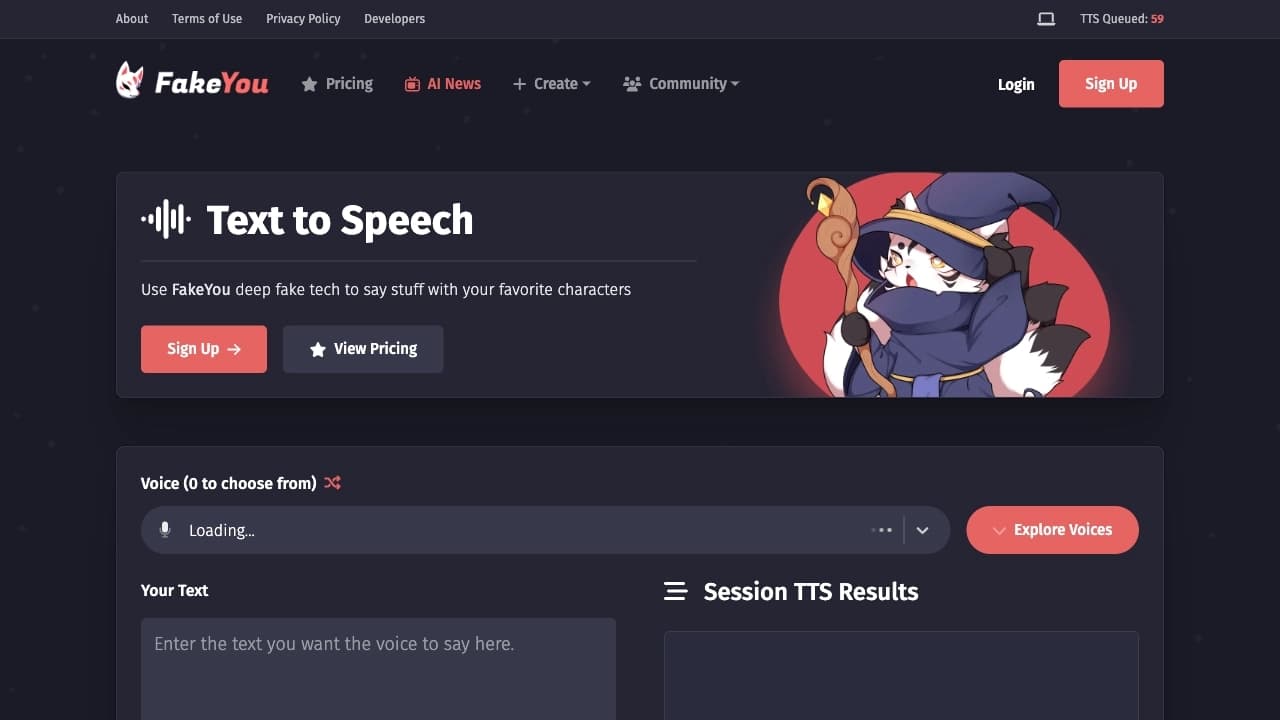

Online AI speech synthesis platform that allows generating audio with voices of famous characters and celebrities.
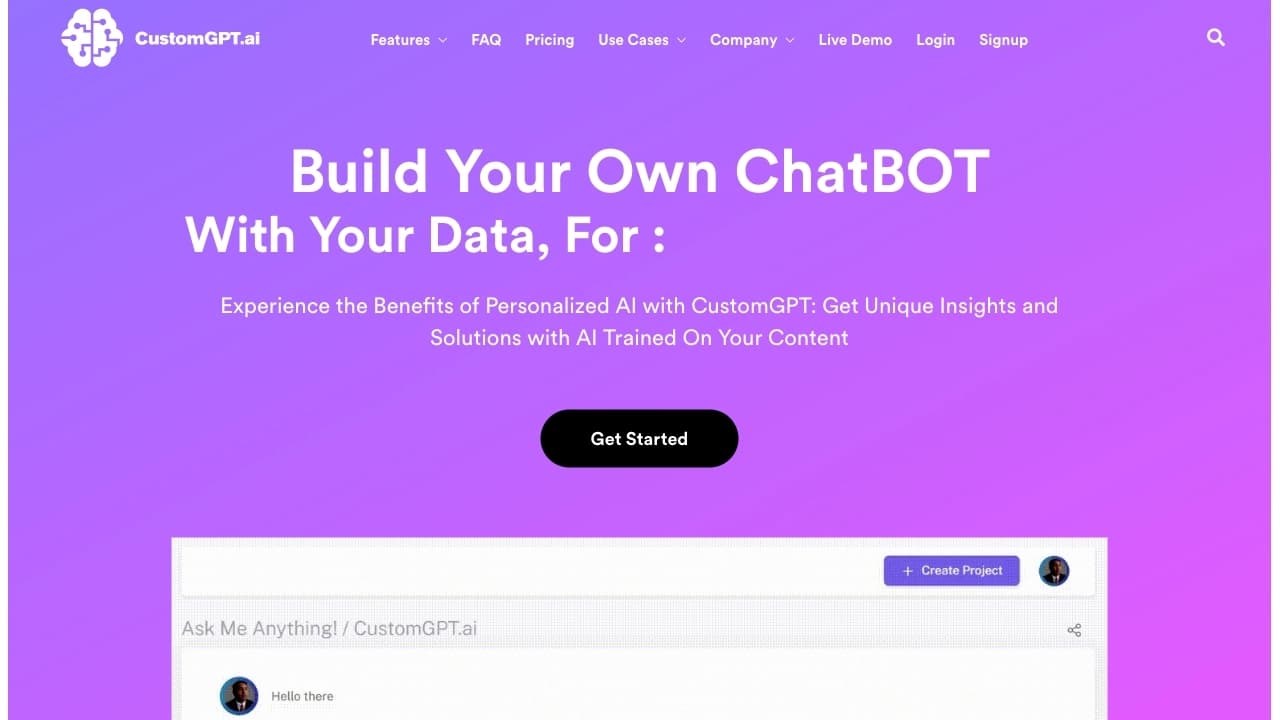

A platform for creating corporate chatbots based on your own documents without coding.
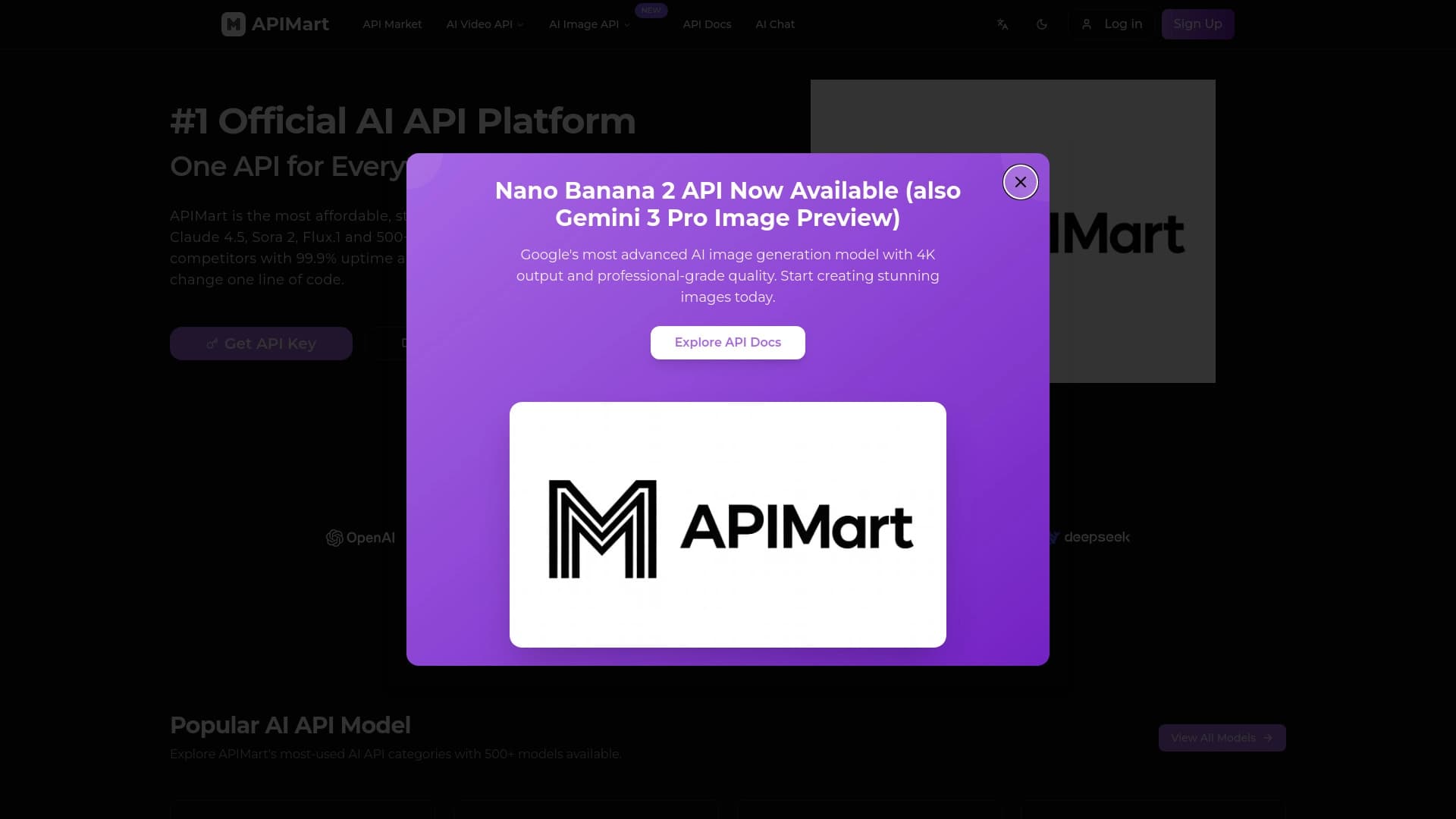
Unified API access to more than 500 AI models, including GPT-5 and Claude 4.5, with the ability to save on costs.
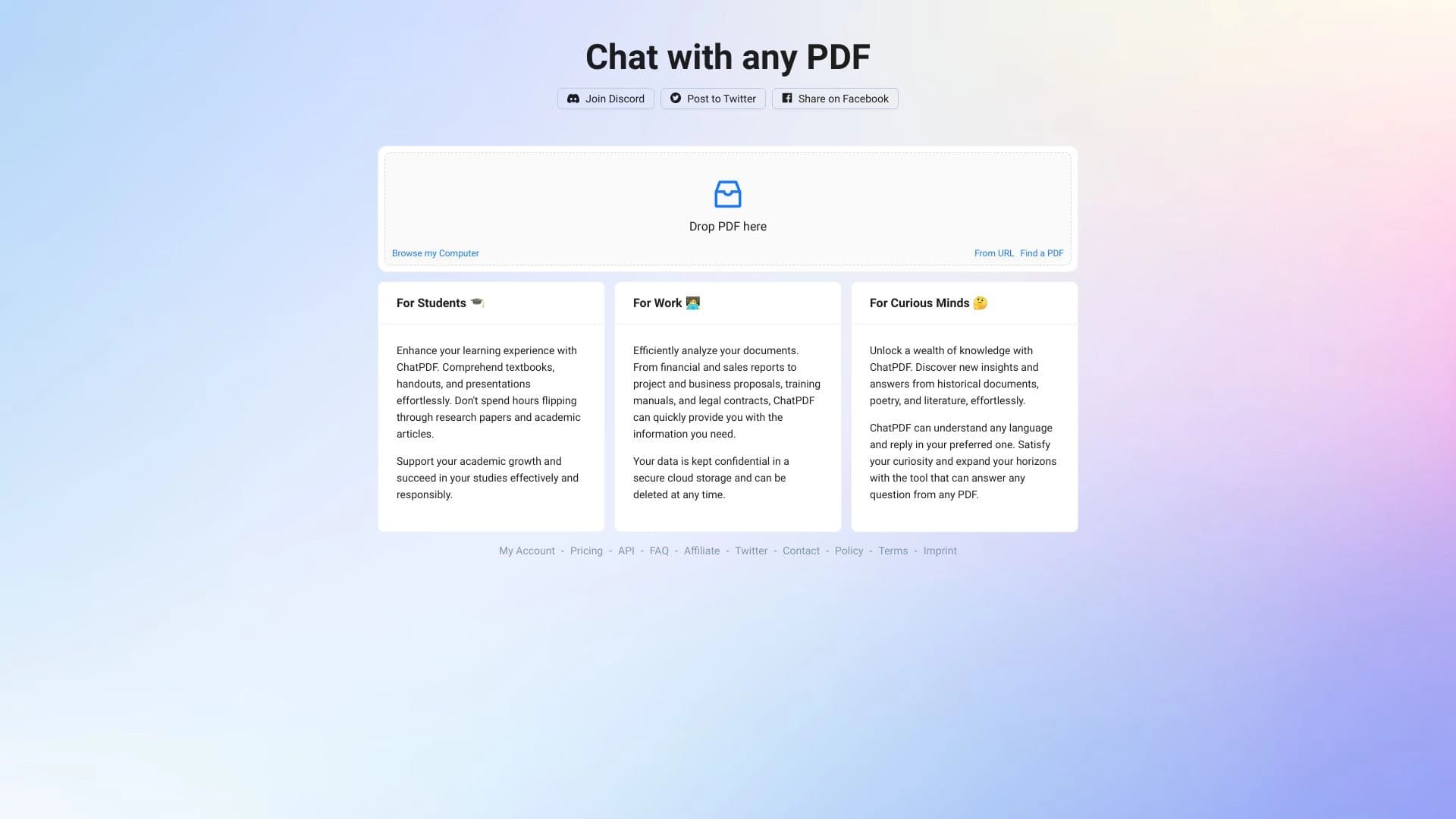
An online service that lets you chat with PDF documents: ask questions and get concise answers with source attribution.