

EEAT
Online service for creating expert texts that meet Google EEAT standards, based on GPT-3.5 and GPT-4.

Overview
EEAT Neural Network Description
EEAT is an online service designed to generate texts that meet Google's search engine content quality requirements. The tool's name directly references the E-E-A-T standard (Experience, Expertise, Authoritativeness, Trustworthiness) that Google uses to evaluate pages. The service is powered by two powerful language models — GPT-3.5 Turbo and GPT-4 — which automate the process of creating expert articles.
The service's key feature is its focus not just on text generation, but on preparing content with search algorithm requirements in mind. The tool analyzes the market situation and competitor actions to create materials capable of ranking high in search results. The web interface makes the service accessible from any device through a browser.
Core Idea of the Service
EEAT solves a common content marketing problem — creating useful, detailed material that not only appeals to readers but also satisfies Google's strict algorithms. The service handles the technical aspects of supplying text with facts and structuring, freeing the author from routine draft work. Instead of simply rewriting existing articles, the tool aims to create unique content based on topic analysis and publicly available competitor data.
EEAT Characteristics
| Characteristic | Value |
|---|---|
| Type | AI tool for text creation |
| Category | Write a blog article / Universal |
| Activity | For SEO specialists / For all types of activities |
| Platforms | Web |
| AI Models | GPT-3.5-Turbo, GPT-4 |
| Rating | 4.4 ★★★★★ |
| Editorial Score | 8.3 out of 10 (according to NeuroFolder criteria) |
| Editorial Review Date | 06.10.2024 |
Who Is EEAT Suitable For?
SEO Specialists
The tool is primarily aimed at professionals in search engine optimization. For them, EEAT becomes an assistant in creating materials that meet Google's latest recommendations. Specialists can use the service to quickly prepare articles for specific search queries without spending time on technical work on structure and depth of elaboration.
Blog Owners and Content Managers
Users who need to regularly fill a blog with expert publications will also find the service useful. EEAT reduces the time spent on creating quality content by delegating draft work to artificial intelligence. The author only needs to review the resulting text, add personal experience, and publish the material. This makes the tool a universal solution for teams and individual content specialists.
How to Use EEAT?
Working Through the Web Interface
Using the service does not require installing additional software. Simply open the web version of the tool in a browser and log in to the system. The intuitive interface allows you to quickly configure text generation parameters and start the article writing process. After the neural network finishes, the user receives a finished piece that can be downloaded or copied.
Preparing a Technical Specification
Before starting work with the service, it's important to prepare input data for the neural network: the topic of the future article, keywords, desired length, and target audience. The more accurate and detailed the technical specification, the more relevant the result the algorithm will produce. The service will analyze competitors and try to fill the article with data that will either refute or supplement existing information online.
Key Features of EEAT
Creating Expert Articles According to EEAT Standards
The service's main function is writing texts based on the principles of experience, expertise, authoritativeness, and trustworthiness. The GPT-3.5-Turbo and GPT-4 models underlying the tool are trained on vast datasets, allowing them to generate logically coherent and factually rich materials.
Market and Competitor Analysis
The tool doesn't just write text from scratch; it first conducts a topic analysis. The neural network studies search engine results for a given query, evaluates competitor article structures, and identifies information gaps. This allows it to create content that answers user questions better than existing website materials. This approach increases the chances of an article ranking high in Google search results.
EEAT Advantages
One of the service's main strengths is its focus on specific search engine algorithms. Unlike universal text generators, EEAT was designed from the ground up to meet Google's E-E-A-T standard requirements. This means users get not just coherent text, but structured material with elements of expert assessment.
The second advantage is the use of advanced artificial intelligence models. GPT-4 is considered one of the most powerful models available on the market, so the quality of generated content is high. The ability to combine the strengths of two models (GPT-3.5-Turbo for quick tasks and GPT-4 for complex ones) allows flexible customization of the workflow to meet specific needs.
The third advantage is ease of use. The web interface requires no installation or configuration, and the entire generation process runs automatically with minimal user involvement. The service is available for all types of activities, making it a versatile content creation assistant.
EEAT Disadvantages
The service has no mobile apps or desktop clients — browser-based work limits functionality and makes it dependent on internet connection stability. An indirect drawback is that achieving high-quality text requires a well-crafted technical specification, which remains a human task rather than an algorithmic one.
What Tasks Does EEAT Solve?
Writing Expert Blog Articles
The main task the service solves is preparing high-quality, unique texts capable of taking leading positions in search results. The tool helps editors and marketers obtain article drafts that already have proper structure and informational depth.
Preparing Content in Line with Google Standards
EEAT also solves a more complex task — creating content that meets the formal requirements of search engines. By filling articles with expert data and competitive environment analysis, the service helps websites strengthen their positions in the eyes of Google's algorithms, contributing to organic traffic growth.
EEAT Pricing
No reliable data on the service's pricing policy is available in public sources. At the time of the NeuroFolder editorial review, information about tariffs, subscription costs, or the availability of a free trial period had not been disclosed. It is recommended to visit the service's official website for current pricing information.
EEAT Terms of Use
The service operates under a model that was not precisely defined at the time of review. It is unknown whether the tool is fully paid, has a free tier with limitations, or offers a trial period for full functionality access.
Public sources also lack data on whether registration via email is required or if authorization through third-party social networks and services is available. For clarification of terms of use for a specific account, please refer to the service's official documentation or support team.
EEAT Availability
Platform Availability
The service is available exclusively as a web version. It has no mobile apps for iOS or Android, nor a desktop program for Windows or macOS operating systems. Work with the tool is done through a browser, allowing its use on any modern device with internet access.
How EEAT Differs from Alternatives
The main difference between EEAT and most universal text generators is its narrow specialization in Google's requirements. Many competitors simply create articles without considering search algorithms, whereas this service embeds competitor and market analysis elements into the text. This allows users to immediately get material potentially ready for high search rankings, rather than requiring lengthy refinement by an SEO specialist.
Among direct competitors and solutions that can be considered as alternatives, experts name Seometry, Neuroscribe, RoboGPT, and ArticlesFlow AI. The analytics service Diib is also mentioned. Each of these tools has its own features, but EEAT stands out due to its combination of two advanced models, GPT-3.5-Turbo and GPT-4, which ensures workflow flexibility and high quality of generated content.
Conclusion
EEAT is a niche AI tool for text creation, aimed at the needs of SEO specialists and content managers who need to follow Google's recommendations. The use of powerful GPT-3.5-Turbo and GPT-4 models allows the service to generate structured articles with competitive environment analysis. Among its limitations are the lack of mobile applications and the need for a well-prepared technical specification. The service received high editorial scores (8.3 out of 10) and a user rating of 4.4 stars, indicating its quality and demand in the content tools market.
Frequently asked questions
See also
Online platform for creating interactive AI twins based on the user's biography, personality, and personal experience.


AI platform for creating text and visual content, oriented toward marketing tasks.
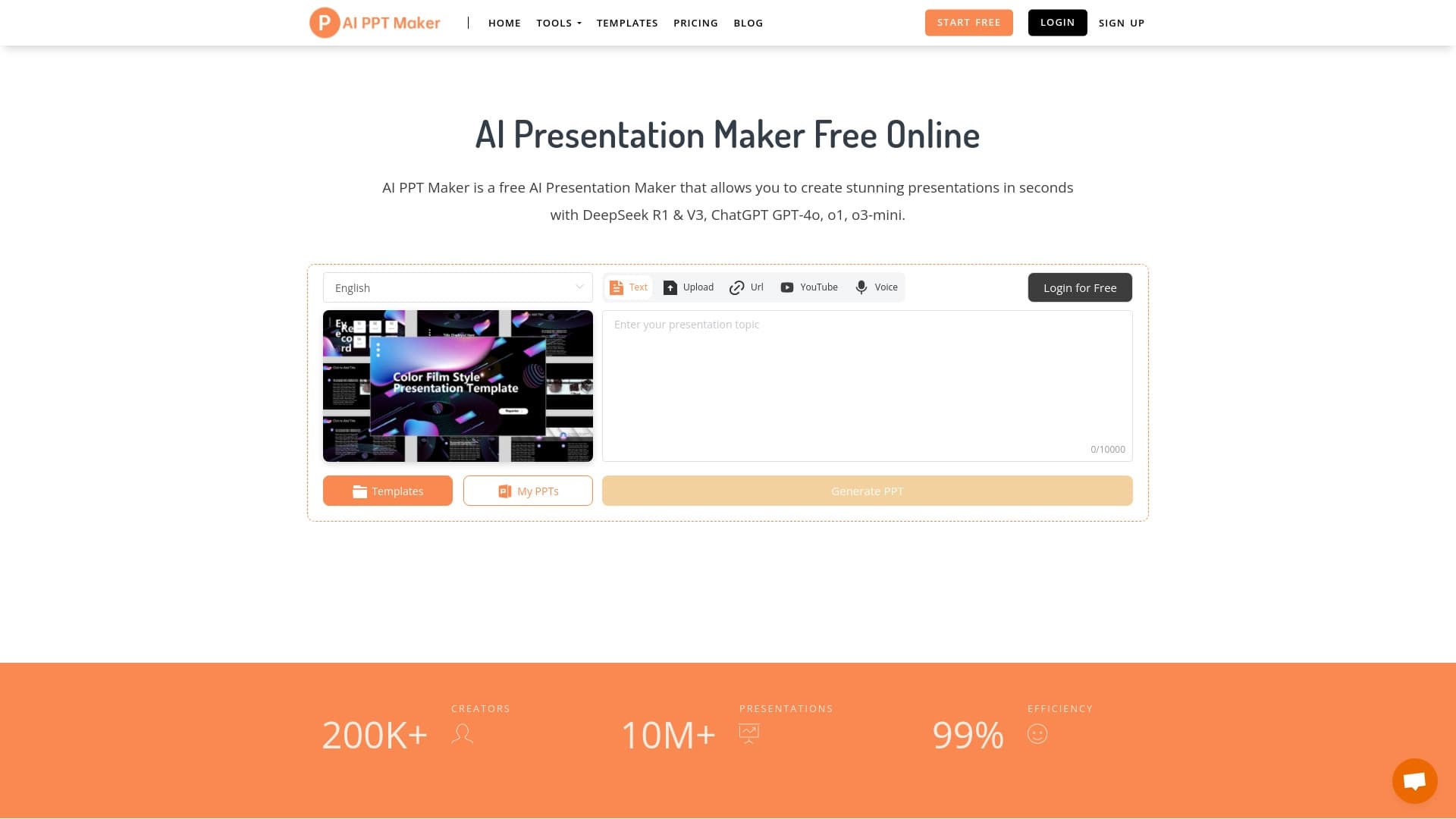

AI-powered online service for automatically creating presentations from text, PDF, audio, video, or URL links.
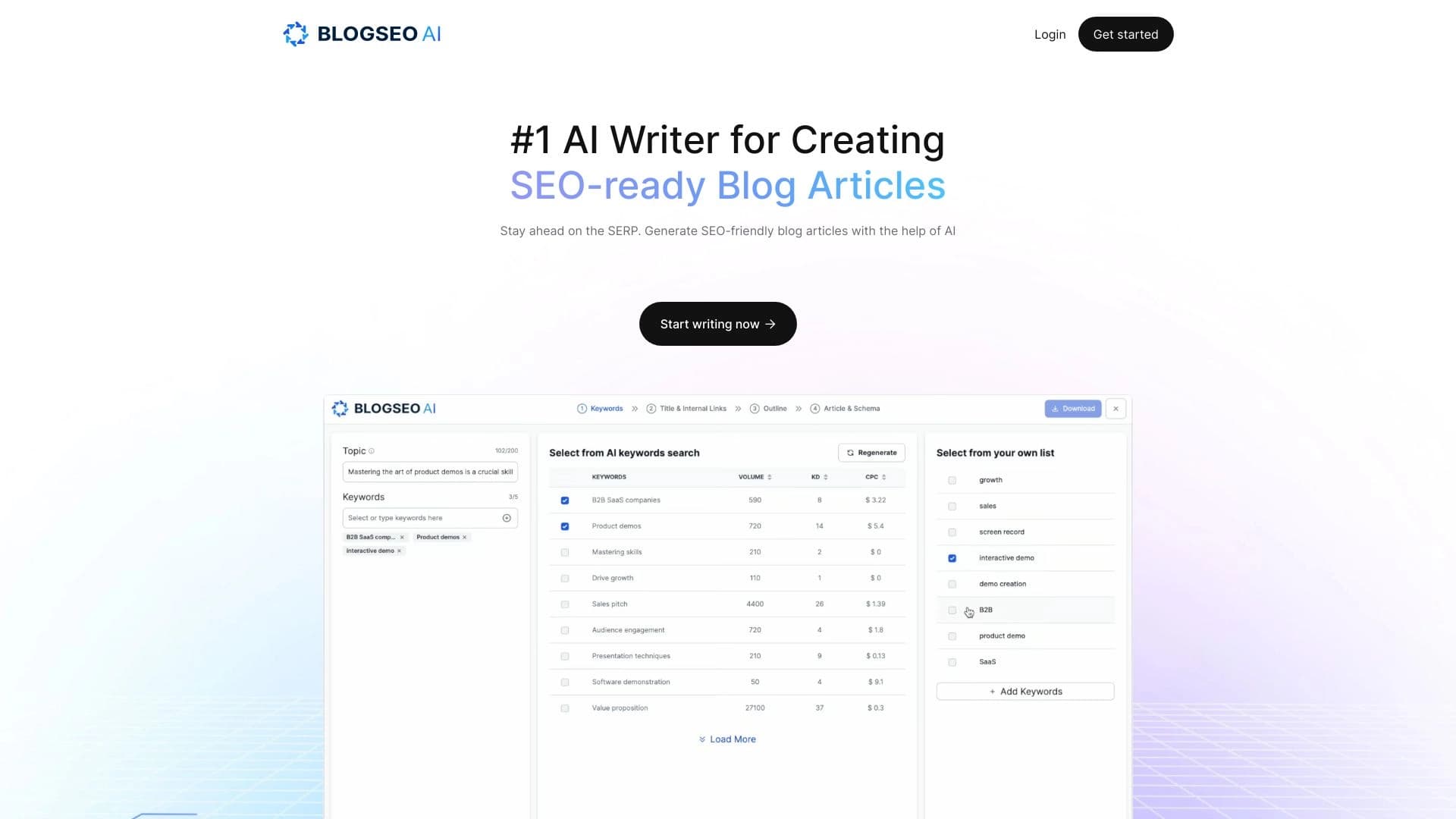

AI tool for creating SEO-optimized multilingual content.
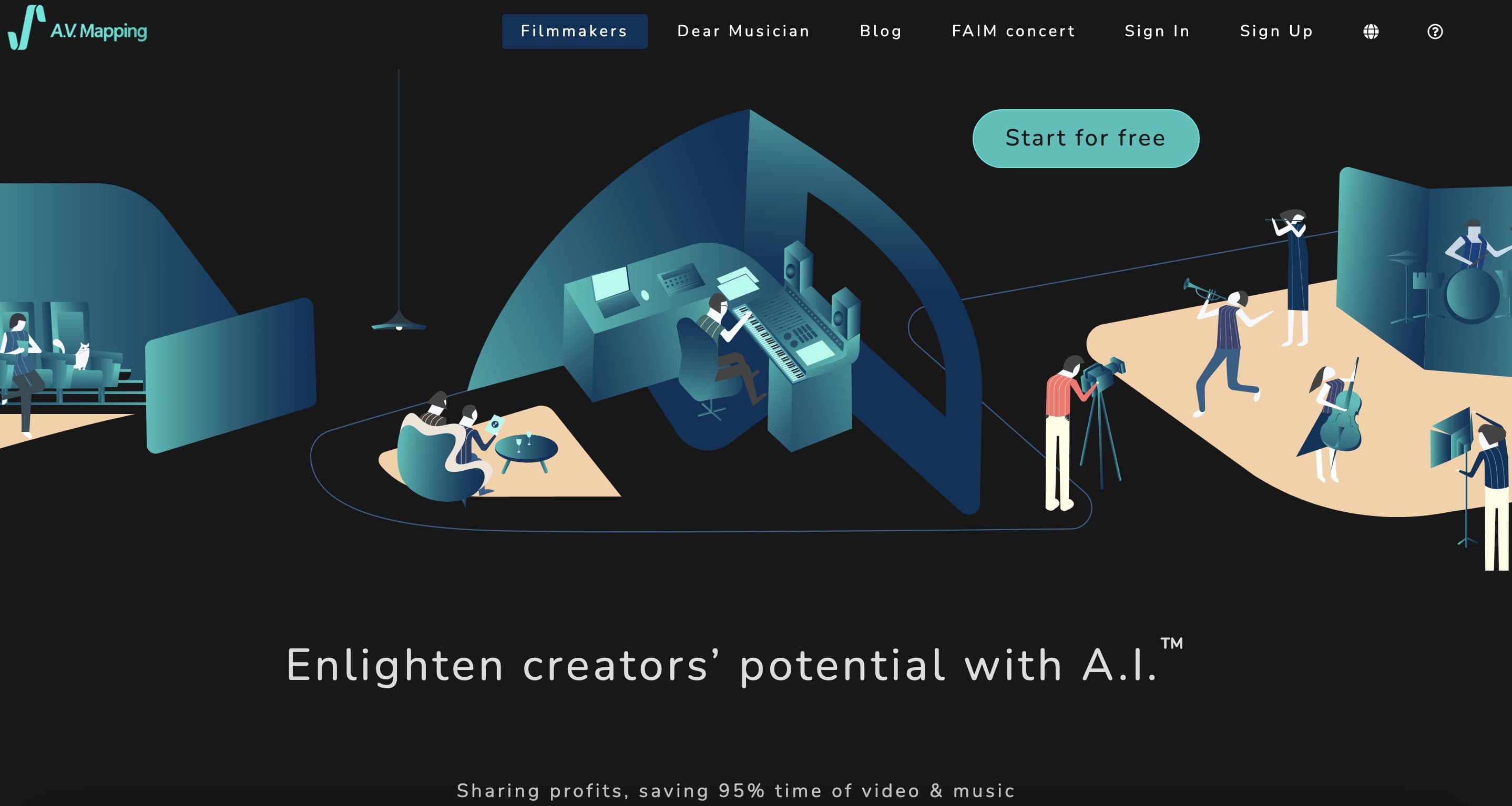

AI service for automatically selecting music to match the mood of videos, images, or text, with legal licenses.


Platform for creating digital avatars and virtual influencers using AI.


Side AI panel that helps answer questions, work with documents, and generate images.
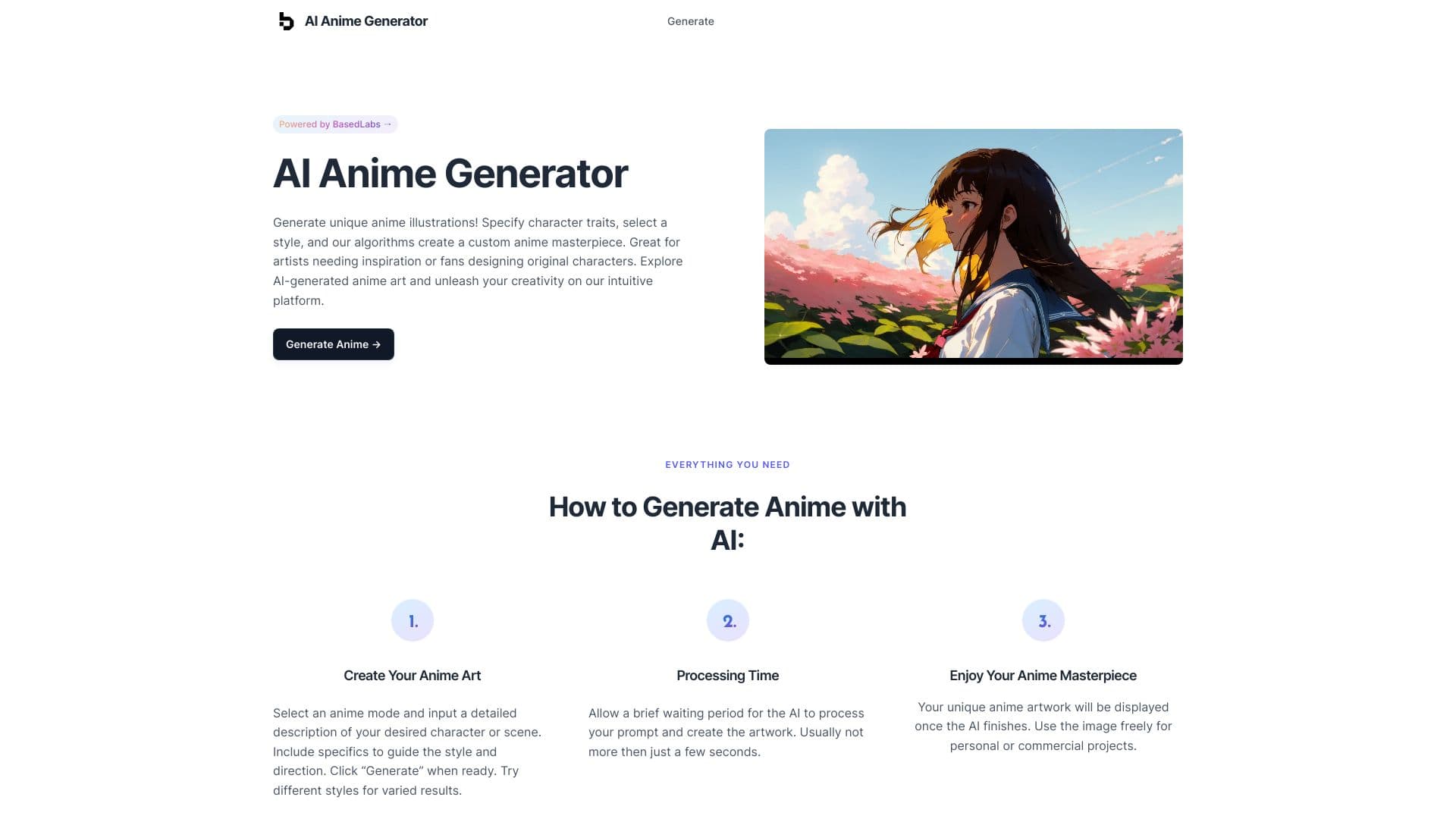

Online service for creating anime images from a text description in seconds.