
Dripp
Dripp is an AI tool for virtual clothing try-on on photos that helps shoppers and brands visualize garments on a figure.
Overview
Dripp AI Description
Dripp is an artificial intelligence designed for virtual clothing try-on and creating photorealistic images. The technology allows you to overlay a photo of a clothing item onto a person's photo so that the result looks like a real selfie, not a schematic 3D mannequin. This makes it possible to assess how an item fits before it is ordered.
The tool solves two key tasks at once. For shoppers, it simplifies the selection process in online stores, allowing them to see the fit, length, and how items pair together. For brands and marketplaces, Dripp acts as a replacement for studio photo shoots: the algorithm generates high-quality product images on models or simply on a background, speeding up catalog filling. A side effect of using the technology is a reduction in return rates, as the customer knows in advance what the purchase will look like.
Dripp Features
| Feature | Value |
|---|---|
| Type | AI tool for virtual clothing try-on and generating photorealistic photo shoots |
| Categories | Clothing matching, Photorealistic images |
| Website | www.usewingmanai.com |
| Catalog publication date | December 17, 2025 |
Who is Dripp AI for?
Online store shoppers
The main audience for the tool is people who shop online and want to reduce the risk of getting the wrong size or style. By uploading their photo, users can try on items they like. This is especially useful when buying clothes from brands that don't have fitting rooms or are located in another city.
Brands and marketplaces
For clothing companies, Dripp helps save resources. Instead of renting a studio, paying for a photographer and models, AI can be used to create high-quality content. This speeds up catalog updates: new items can be added to the site quickly, without waiting for a shoot day.
How to use Dripp AI?
Try-on for personal use
The process for a shopper is simple: upload your own photo (e.g., full-length) and select the clothing item you want to try on. The algorithm processes the images and shows the result, demonstrating how the item fits a specific body.
Working with a product catalog
For businesses, the use case is different. Staff upload product photos (clothes on a hanger or laid flat) and, if necessary, basic model shots into the system. Dripp generates ready-to-use images for product cards, adapting the angle and lighting.
Key Dripp Features
- Virtual try-on on user photos. See how an item will look on a specific person, not on an abstract model.
- Photorealistic image generation. The algorithm adjusts fit, angle, and lighting, making the result as close to a real photo as possible.
- Creating digital photo shoots for brands. The tool replaces the need for classic studio shoots, saving time and budget.
- Improving the online shopping experience. Clear product visualization reduces order cancellations and returns, as customers better understand what they are buying.
Dripp Advantages
- Photorealism. The result looks like a real selfie, not a 3D model, which increases user trust in the product card.
- Accurate fit assessment. AI helps examine sleeve length, silhouette, and how items pair with other wardrobe pieces.
- Reduced dependence on photo studios. Businesses no longer need to find models, rent space, or pay for post-processing.
- Fewer returns. The better a customer understands how an item fits, the less likely they are to return it due to an unsuitable style.
Dripp Disadvantages
Available sources do not list any limitations, drawbacks, or weaknesses of the tool. There is no data on potential fit distortions with complex fabrics, request processing speed, or requirements for uploaded photo quality. Before using it, keep in mind that AI provides only an approximate idea of the fit, and the final purchase decision should still consider the manufacturer's official size chart.
What problems does Dripp solve?
Optimizing the purchase process
The main task for the end user is visualizing clothing before payment. Shoppers no longer buy blindly, as they can assess whether an item suits them in length, volume, and style.
Speeding up catalog work
For sellers, the tool solves the problem of quickly filling the storefront. Traditional product photography requires time for organization and preparation, while AI can create images automatically in a digital environment.
Reducing return logistics costs
By addressing the gap between expectations and reality, Dripp indirectly reduces the number of returns. This benefits both the shopper, who doesn't waste time sending items back, and the store, which saves on return processing and resale.
Dripp Pricing
The source data does not include information about subscription costs, pricing plans, or payment terms for using Dripp. It is unknown whether the service offers a free trial period, what limits exist on daily generations for free users, or the prices for commercial licenses for brands. Current rates should be checked on the tool's official website.
Dripp Terms of Use
Official terms and service rules are not disclosed in the provided materials. There is no information about who owns the rights to generated images: the user or the platform. There is also no data on the privacy policy regarding uploaded photos of people — an important aspect for commercial use. It is recommended to carefully review the product's user agreement on the website before starting.
Dripp Availability
Dripp is available through a web interface, as indicated by the product's website. There is no information about mobile apps for iOS or Android, or about integration with popular e-commerce platforms (e.g., Shopify or WooCommerce) via API. Presumably, the service can be accessed from any device with a browser over the internet, but exact technical requirements are not specified.
How Dripp differs from alternatives
Comparison with competitor approaches
There are tools on the market that solve similar tasks, such as Kolors by Kuaishou, Pixlio AI, or Nano Banana AI. The main difference with Dripp is its focus on realistic fit. Many competing services rely on 3D modeling, which can struggle with soft fabrics. Dripp, according to its description, aims to replicate the effect of a real photograph, which looks more natural in a storefront.
Focus on reducing returns
While some alternatives emphasize creative image generation (e.g., creating fantasy looks), Dripp is positioned as a tool for practical retail. The key performance metric here is reducing unsuccessful orders, making it a more applied solution for businesses focused on real sales rather than creative experiments.
Conclusion
Dripp is a practical AI tool that meets the needs of both clothing shoppers and sellers. By using photorealistic clothing transfer technology onto a person's photo, it solves the main problem of online commerce — the inability to try on items. For consumers, it's a way to avoid sizing mistakes, and for brands, it's a way to speed up catalog creation and reduce return costs. Despite the lack of public information about pricing and detailed terms, the stated functionality makes the service worth considering for integration into modern digital stores.
Frequently asked questions
See also

Diagram and chart generator from uploaded data based on a natural language text description.

A set of more than 200 ready-made prompts for business and SEO, adaptable to ChatGPT, Claude, and Gemini.


AI assistant for checking grammar, spelling, and style of English text, available as a browser extension and web editor.
AI tool for product image processing and generating professional photos with virtual models.

Generator of personalized invitation texts and designs for various events.
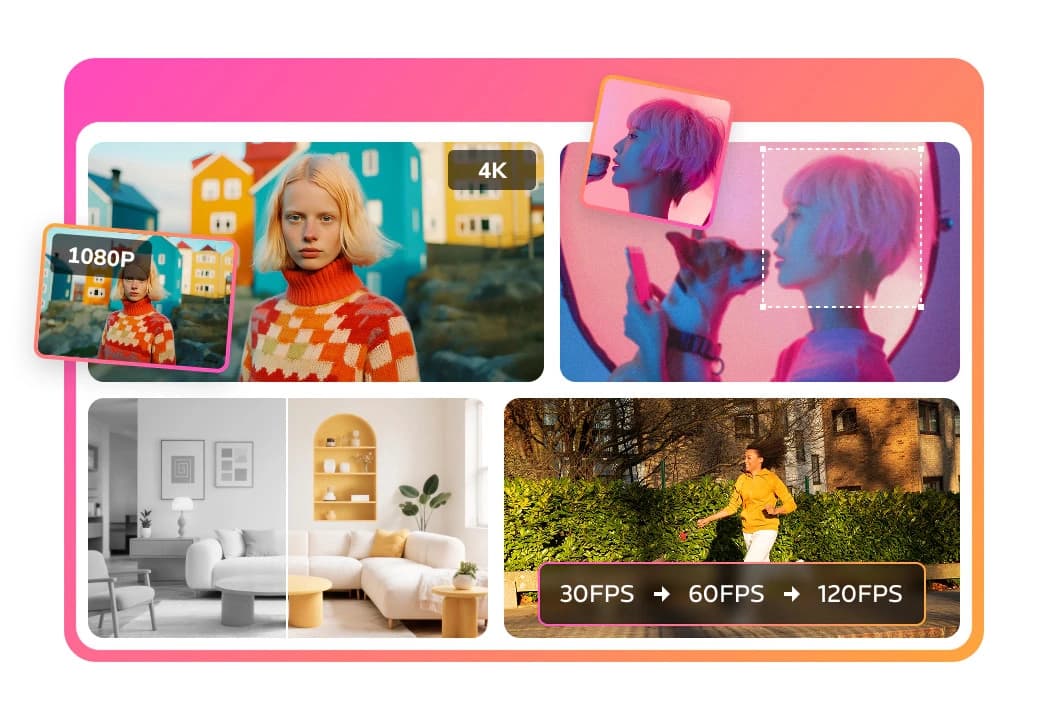
A multimedia AI toolkit for editing and enhancing photos, videos, and PDF documents.
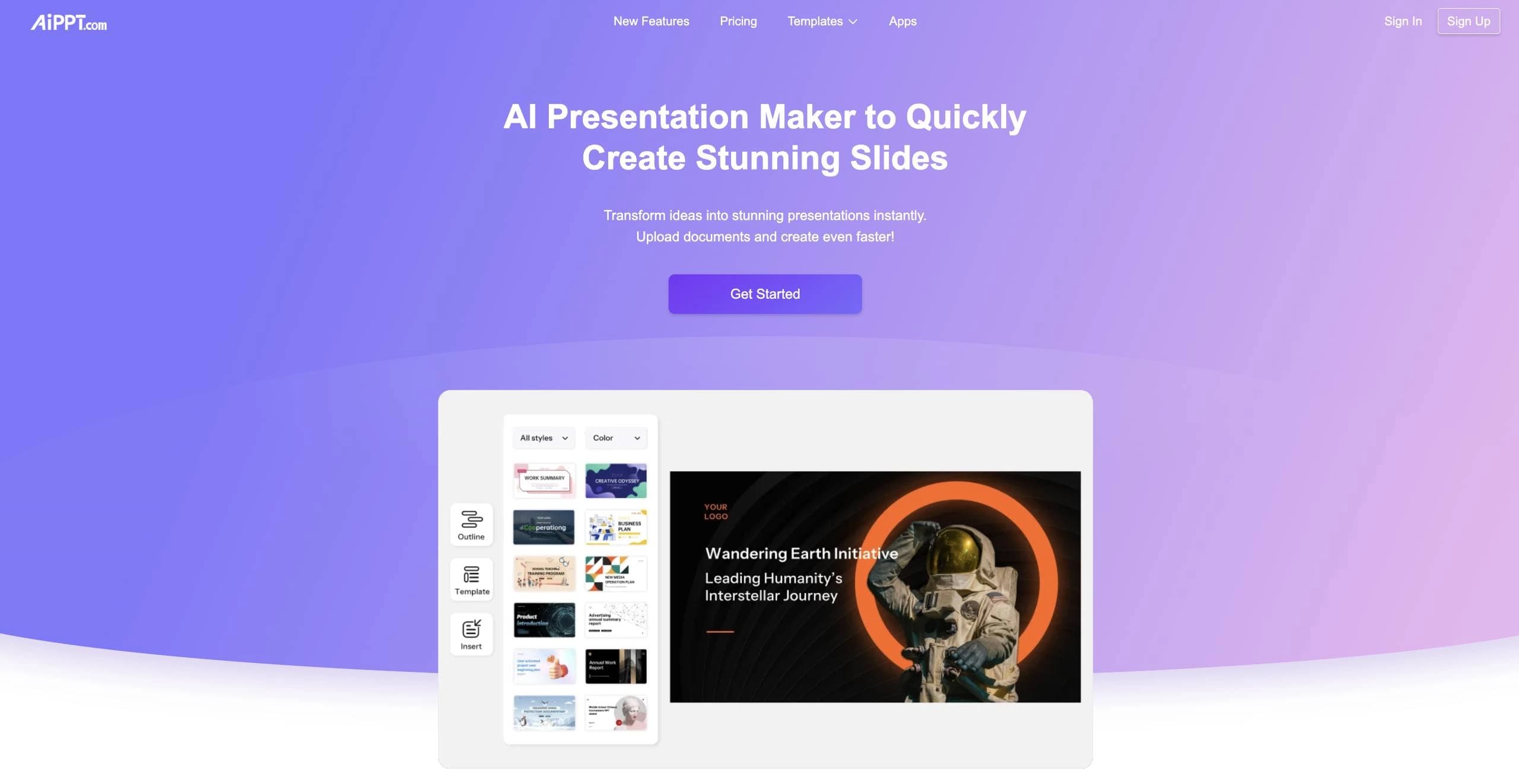

Online service with artificial intelligence that automatically creates presentations on a given topic.


A web service that automates job search using artificial intelligence.