

DreamStory
AI dream journal for recording and analyzing dreams.
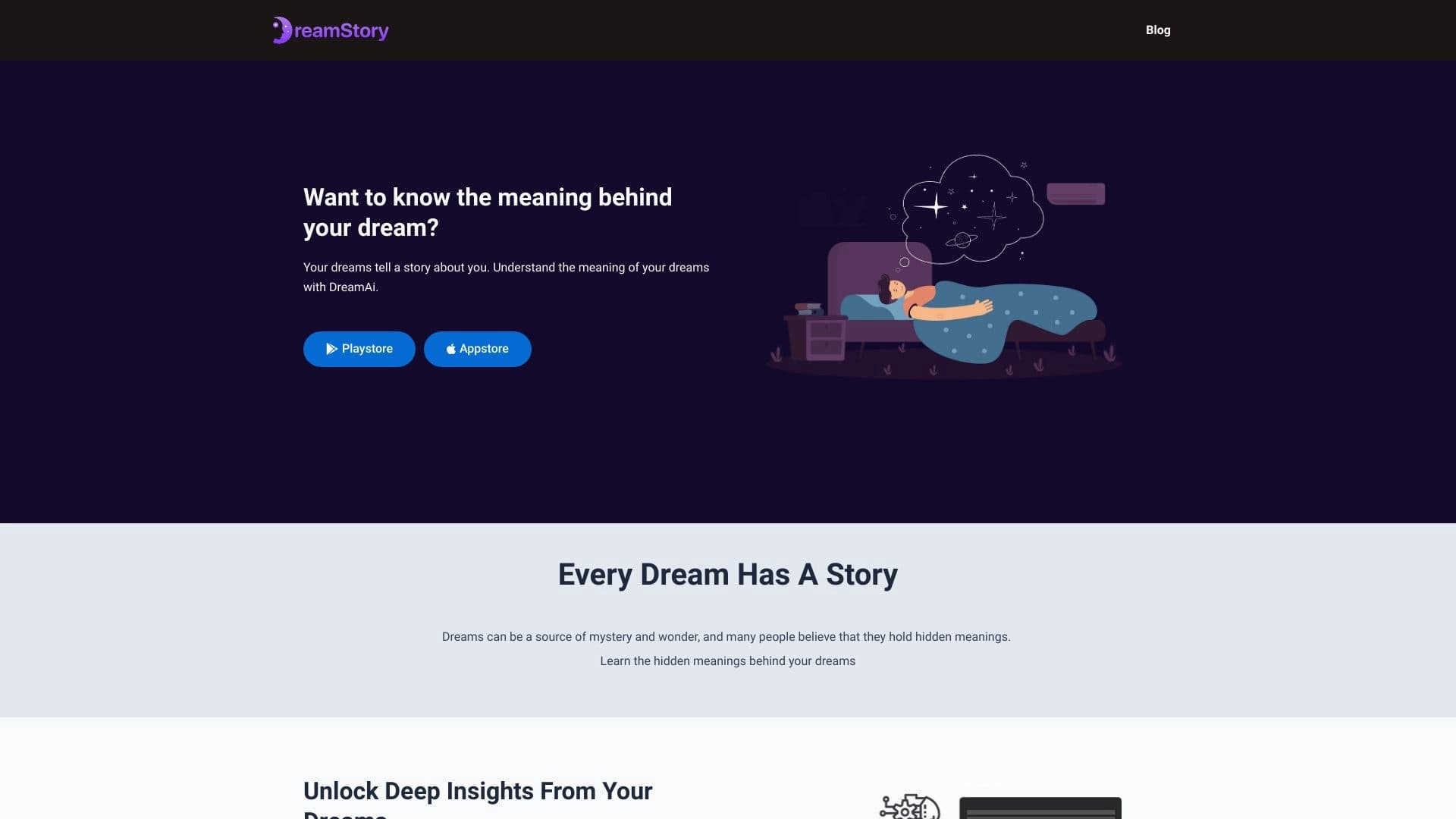
Overview
DreamStory is an intelligent dream journal that combines the classic practice of keeping records with the capabilities of artificial intelligence. The service is designed to turn fleeting and often chaotic images from nighttime dreams into structured material for self-analysis.
The digital assistant accepts dream descriptions in two formats: users can type text manually or dictate it by voice. After that, the built-in DreamGPT 2.0 model processes the entry, breaking it down into its component parts: the storyline, key symbols, and overall context. Based on the analysis, the neural network generates a detailed interpretation, helping users see hidden connections between their dream narrative and their real life.
The service is focused not on one-off "deciphering" but on long-term work. The accumulated dream database allows users to track dynamics, notice recurring patterns, and observe how nighttime stories correlate with a person's emotional state — from anxiety to joyful events. The tool is positioned as a personal guide to the world of the subconscious, adapted for the modern user.
DreamStory Features
| Feature | Value |
|---|---|
| Type | AI dream journal and interpretation app |
| Category | Dream interpretation, Mental health |
| Website | dreamstory.me |
| AI Model | DreamGPT 2.0 |
| Input Methods | Text input, voice recording |
| Primary Purpose | Dream interpretation and pattern identification |
| Distribution Model | Not disclosed |
Who Is DreamStory For?
Those Practicing Self-Reflection
The tool will be useful for those who already keep personal journals, engage in self-analysis, or want to organize their observations of their inner world. DreamStory handles the routine part — deciphering images — and leaves users with the main thing: reflecting on the results.
Psychology Researchers
People interested in psychology and Jungian analysis will find practical application of theories in the service. The ability to trace how the same archetypes or symbols appear at different life stages opens up a wide scope for observation grounded in real data.
Lucid Dreaming Enthusiasts
Practitioners seeking to control their dreams will appreciate the recording function. A detailed dream entry immediately after waking up — which is exactly what the app encourages — is the first step toward developing awareness within dreams.
How to Use DreamStory
Recording a Dream
The first step is to enter a dream into the journal. Users don't need to restrict themselves to a format: they can write a detailed narrative or jot down individual fragments or images. The choice between typing and a voice note allows dreams to be captured quickly, while memories are still fresh and haven't faded under the pressure of daytime concerns.
Running the Interpretation
After saving the entry, DreamGPT 2.0 takes over. The model processes the plot, identifies symbols, and evaluates the context. The algorithm doesn't work from a template but in conjunction with the received text, allowing the interpretation to account for individual specifics.
Reviewing the Results
The final stage is reading the detailed interpretation. Users can use it as a starting point for reflection: agreeing with, disputing, or supplementing the AI's conclusions with their own associations. The value of this approach lies in maintaining an ongoing dialogue with the neural network, where each new entry can shed light on previous ones.
Core Features of DreamStory
Multimodal Dream Recording
The service's key feature is maintaining a dream journal with support for two input formats: manual typing and voice control. This flexibility lowers the entry barrier and helps capture dreams even in a half-asleep state.
Intelligent Analysis with DreamGPT 2.0
Instead of simply saving text, the neural network performs deep processing. It breaks the dream down into elements, highlights significant symbols, examines the narrative in the context of the user's current life stage, and provides an interpretation.
Finding Recurring Themes
The service automatically accumulates statistics and highlights recurring motifs. Identical scenarios, characters, or emotions that a person might have overlooked for years are brought to the surface, making work with the subconscious systematic.
Detailed Interpretation
Each dream receives not a one-line answer but a full analysis. This allows DreamStory to be used not as an entertainment service but as a full-fledged tool for personality analysis.
Advantages of DreamStory
Ease of Use
The developers focused on a minimal entry barrier. Users just need to open the app and press the "record" button to get started. There's no need to manually structure text or pick keywords to search for in dreams — the neural network handles all of that.
Identifying Hidden Triggers
The algorithm helps track emotional anchors that migrate from real life into dreams. Over time, this grows into a map of personal triggers, knowledge of which can help manage stress and anxiety.
Developing Awareness
Regular journaling and analysis of interpretations help shift focus to internal processes. Users note that this practice makes them more attuned to their own desires and fears, fostering greater self-understanding.
Convenient Input
Voice input solves the main problem of dream journals — the need to wake up and write. Users can dictate while lying down with their eyes closed, without losing important dream details.
Drawbacks of DreamStory
The service requires regular work and a thoughtful approach to the results. Users expecting instant entertainment-style predictions may be disappointed by the depth and analytical nature of the interpretations. Additionally, there is no official information about the availability of a free tier or subscription pricing.
What Problems Does DreamStory Solve?
Dream Interpretation
The service's main task is to explain events, images, and symbols. The neural network is not a faceless reference book — it offers personalized interpretations.
Identifying Internal Conflicts
DreamStory accumulates data and finds patterns that point to unresolved psychological issues. Unfulfilled desires, fears of failure, or suppressed emotions regularly manifest in dreams; the neural network helps users notice these recurring signals, giving them reason for deep self-analysis or consulting a specialist.
Keeping a Dream Journal
The electronic journal eliminates the possibility of losing records, provides a convenient archive catalog, and allows users to easily find a specific entry by context.
Supporting Mental Health
Self-analysis, stimulated by reading interpretations, is an important component of preventing emotional burnout. The service helps people better understand their state and notice negative trends at early stages.
DreamStory Pricing
As of the time of writing this description, there is no official information about subscription costs, the availability of a free tier, or premium features. The service's pricing policy directly depends on the capabilities of DreamGPT 2.0 at the current stage. Current rates should be checked on the official website dreamstory.me.
DreamStory Terms of Use
The full text of the license agreement and privacy policy is available on the service's website. Since DreamStory works with quite personal information (descriptions of inner experiences and dream narratives), potential users should carefully review the data storage terms. No official information has been published regarding age restrictions or special user requirements, but the service is intended for an adult audience interested in psychology.
DreamStory Availability
DreamStory is an online service accessed through the official website. The neural network doesn't require installing heavy software or purchasing specialized equipment — a laptop or smartphone with a browser is enough. It's noted that the web interface is optimized for voice input, allowing full use of the service even in mobile browsers.
There is no information about separate desktop or mobile apps, or about geographic restrictions. Global availability is tied to language support: interpretations are written in English, but text capture is possible in languages supported by the browser's voice recognition system.
How DreamStory Differs from Alternatives
The main difference between DreamStory and its closest competitor, Somni, lies in the emphasis on long-term analysis. Many standard dream interpretation apps work on the dictionary principle: you enter a word and get scattered interpretations.
DreamStory works differently. The system aims not just to explain individual symbols but to assemble a complete picture of a person's dream life. The DreamGPT 2.0 model is focused on recognizing personal meanings rather than faceless templates.
Another notable difference is the well-integrated voice control interface. DreamStory can be called a more technically advanced service that combines journaling practice with a recommendation system. While Somni offers similar functionality, the focus on finding recurring themes puts DreamStory a step ahead, guiding users to track the dynamics of their mental state changes.
Conclusion
DreamStory is a well-thought-out tool for anyone who wants to make the invisible life of the subconscious visible and understandable. Combining the simplicity of voice input, detailed analysis from DreamGPT 2.0, and systematization of records, the service becomes not an entertainment app but a personal consultant. It's suitable for Jungian analysis of one's own dreams, identifying recurring scenarios and emotional triggers, or safely supporting mental health through regular self-reflection practices. Despite incomplete information about pricing and terms of use, the product concept itself offers a unique way to turn chaotic nighttime images into a structured source of insights about oneself.
Frequently asked questions
See also
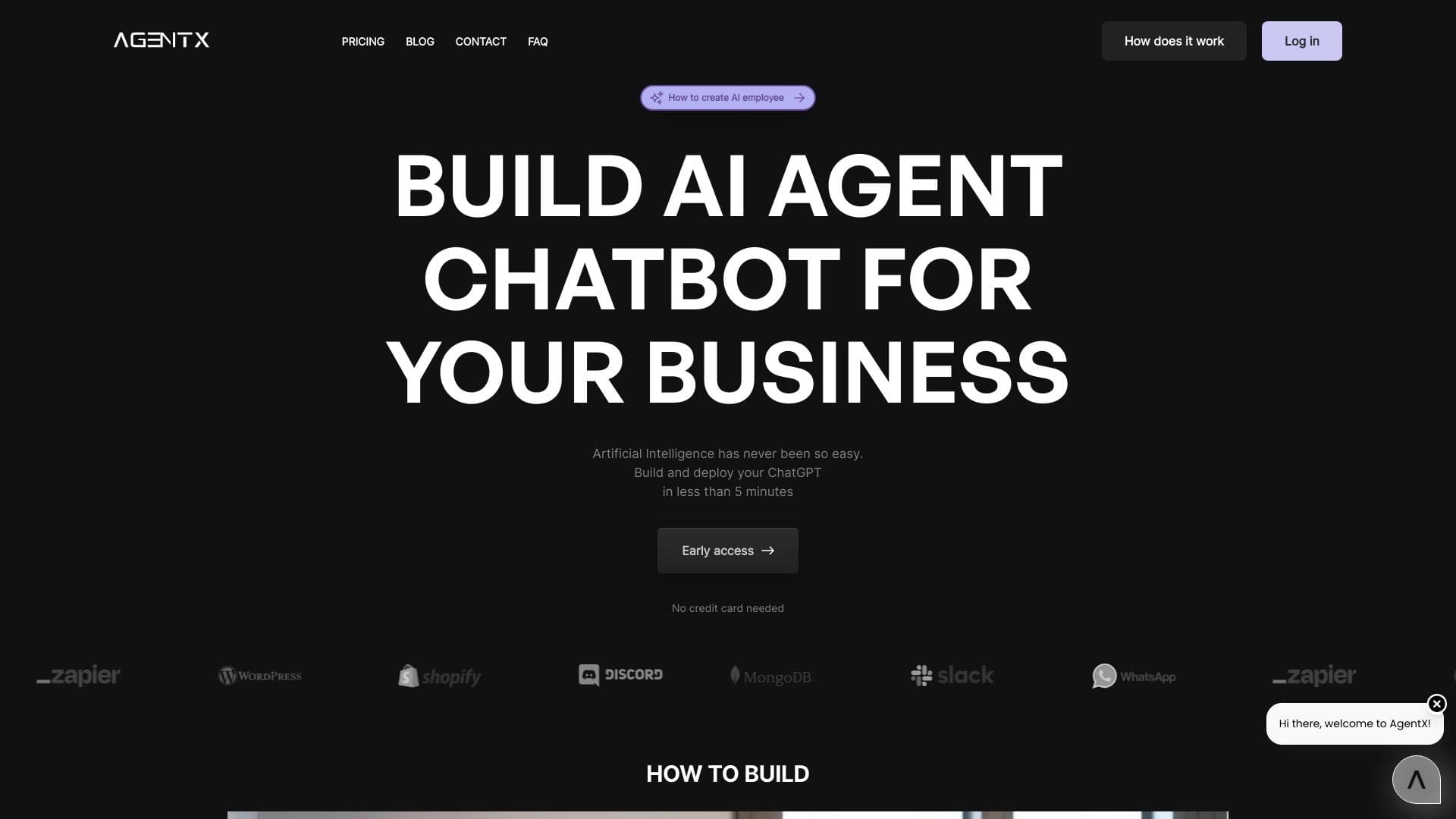

Platform for creating multi-agent AI systems and chatbots to automate customer support and lead generation.
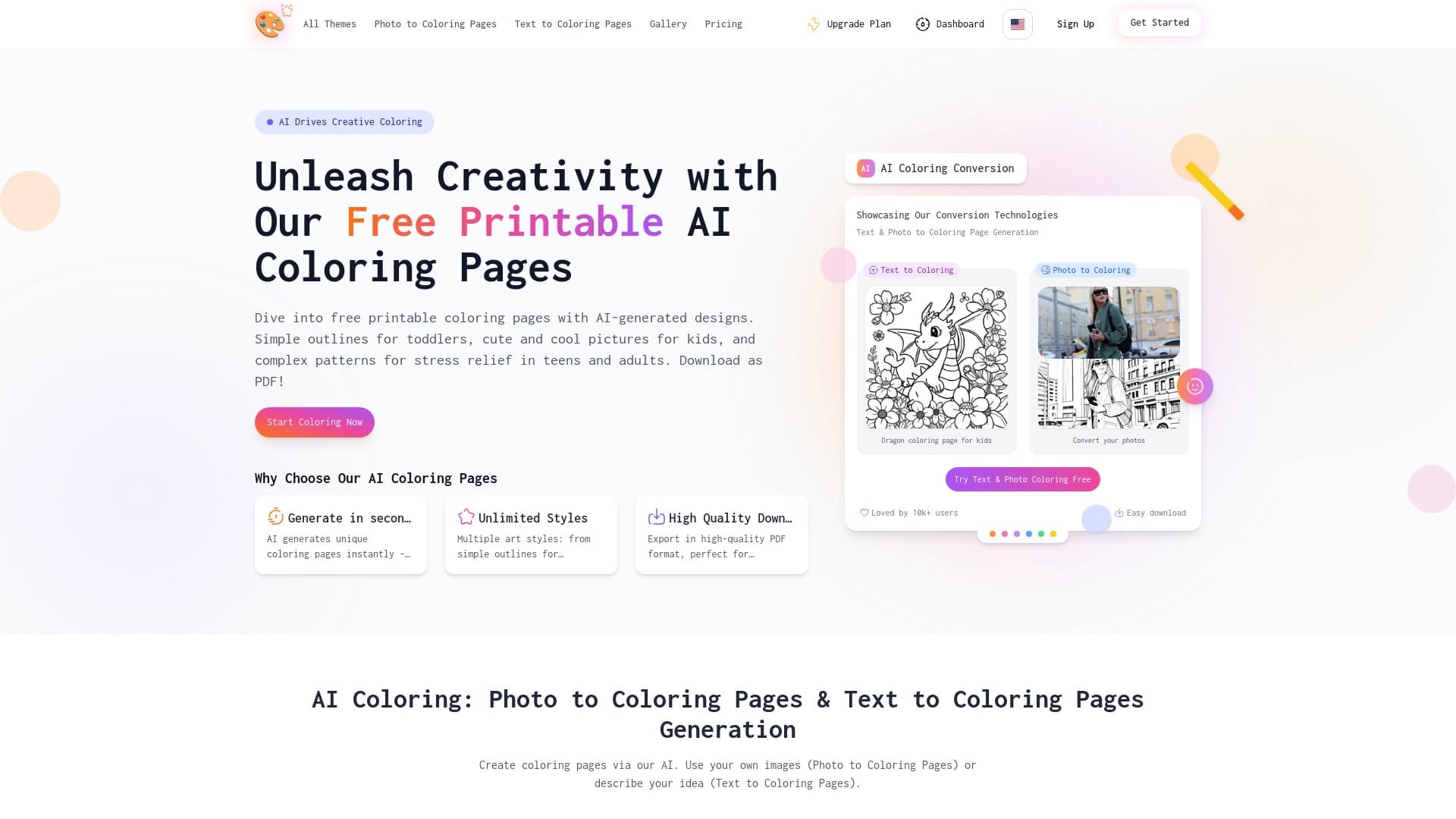

AI-powered coloring book generator that creates pages from text descriptions or uploaded images.
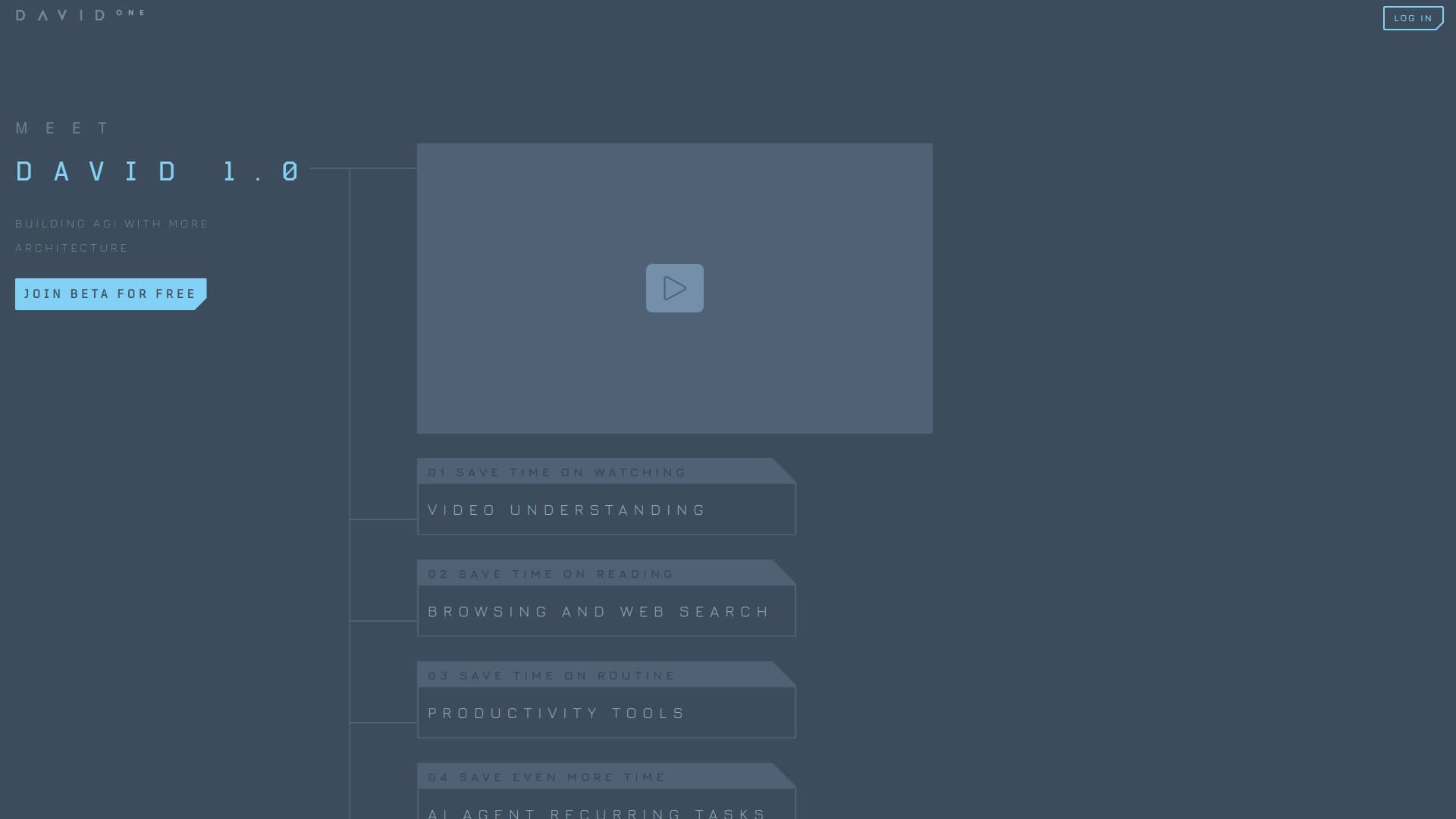

Universal AI assistant that analyzes videos and web pages, answers questions, and creates summaries.
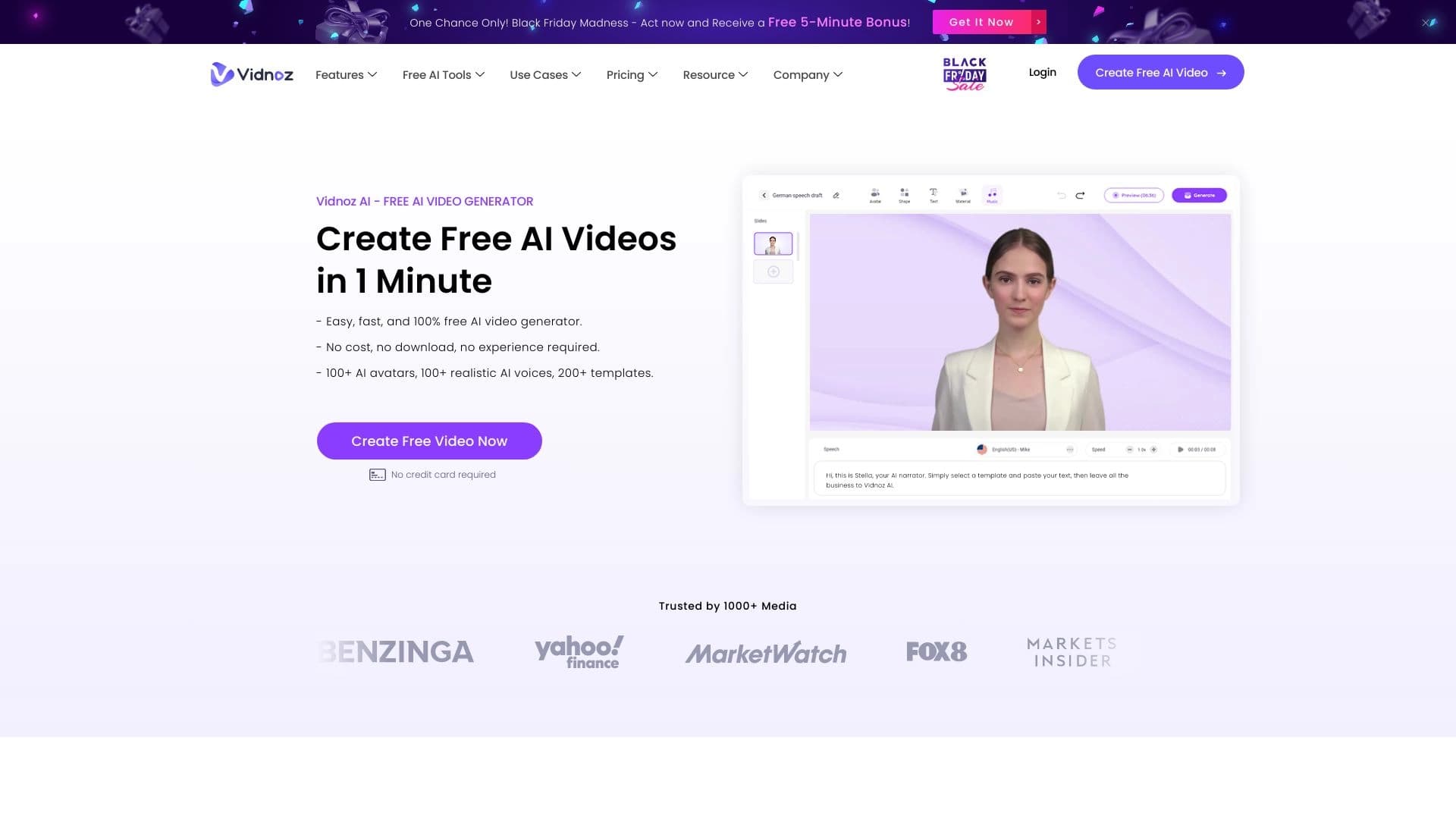
Cloud platform for creating videos using AI avatars, synthesized speech, and automatic translation of clips into dozens of languages.
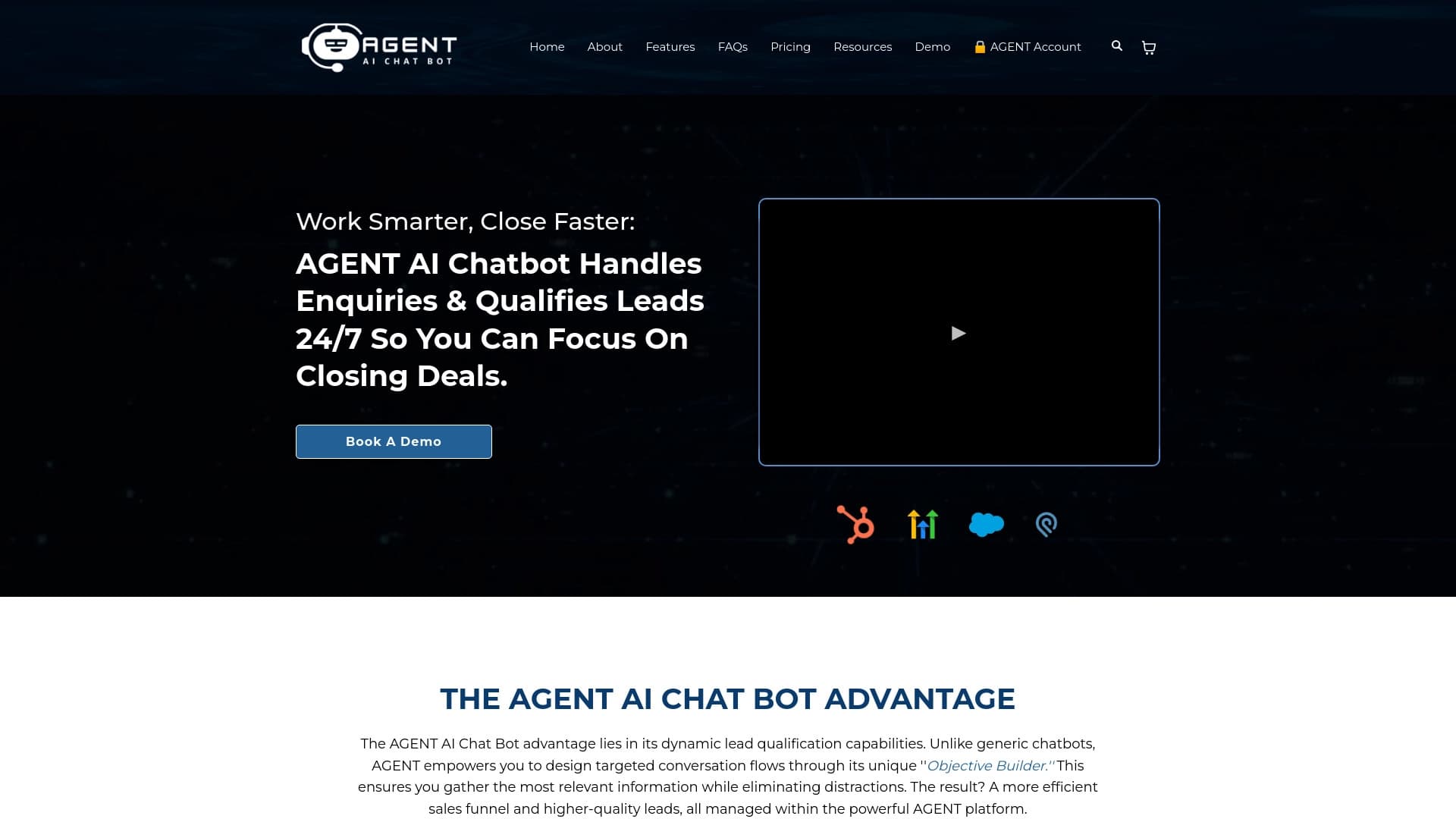

AI chatbot for automating customer communication and lead qualification.
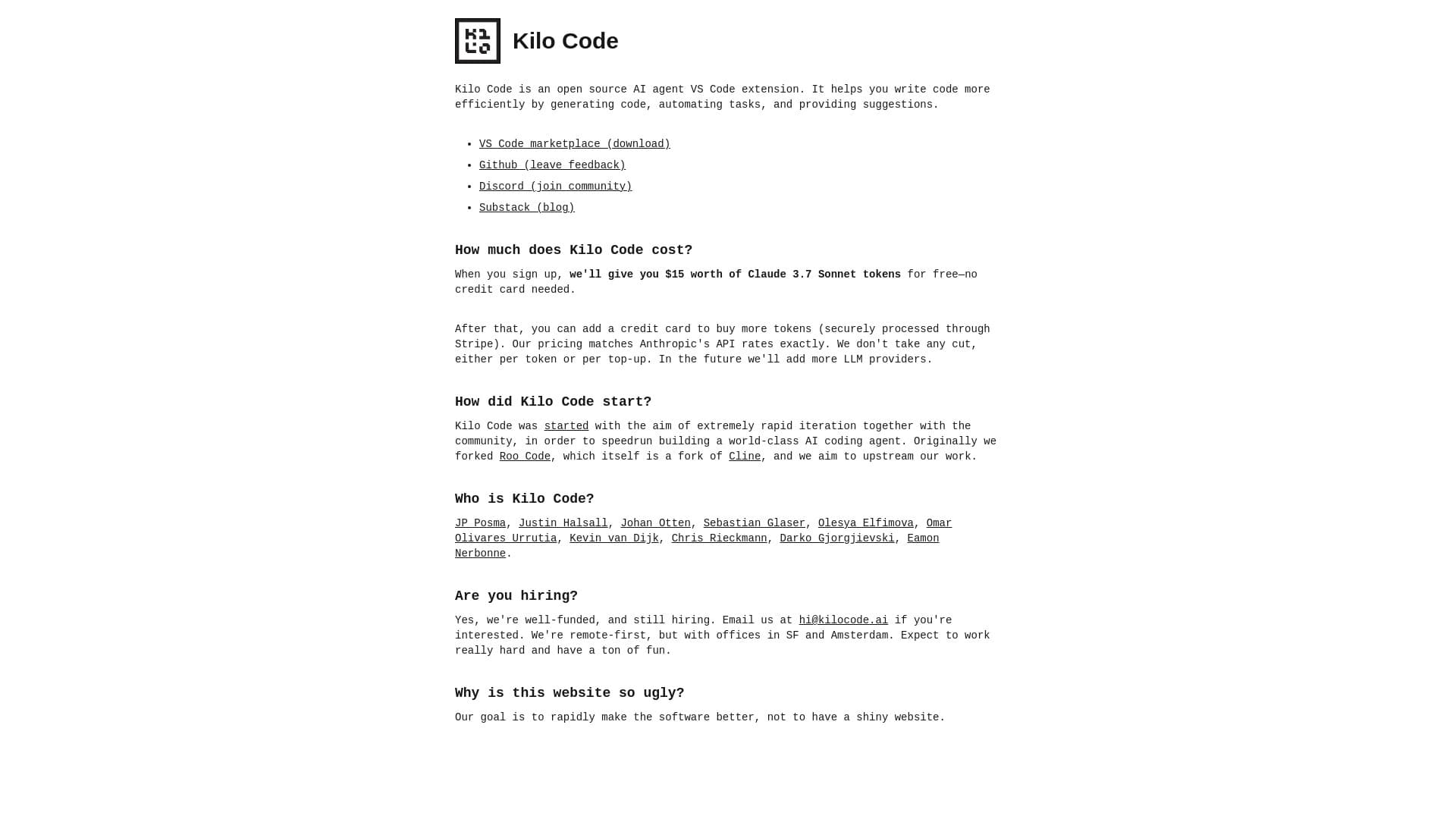

An open-source AI development agent that helps generate, refine, and debug code directly in the IDE.
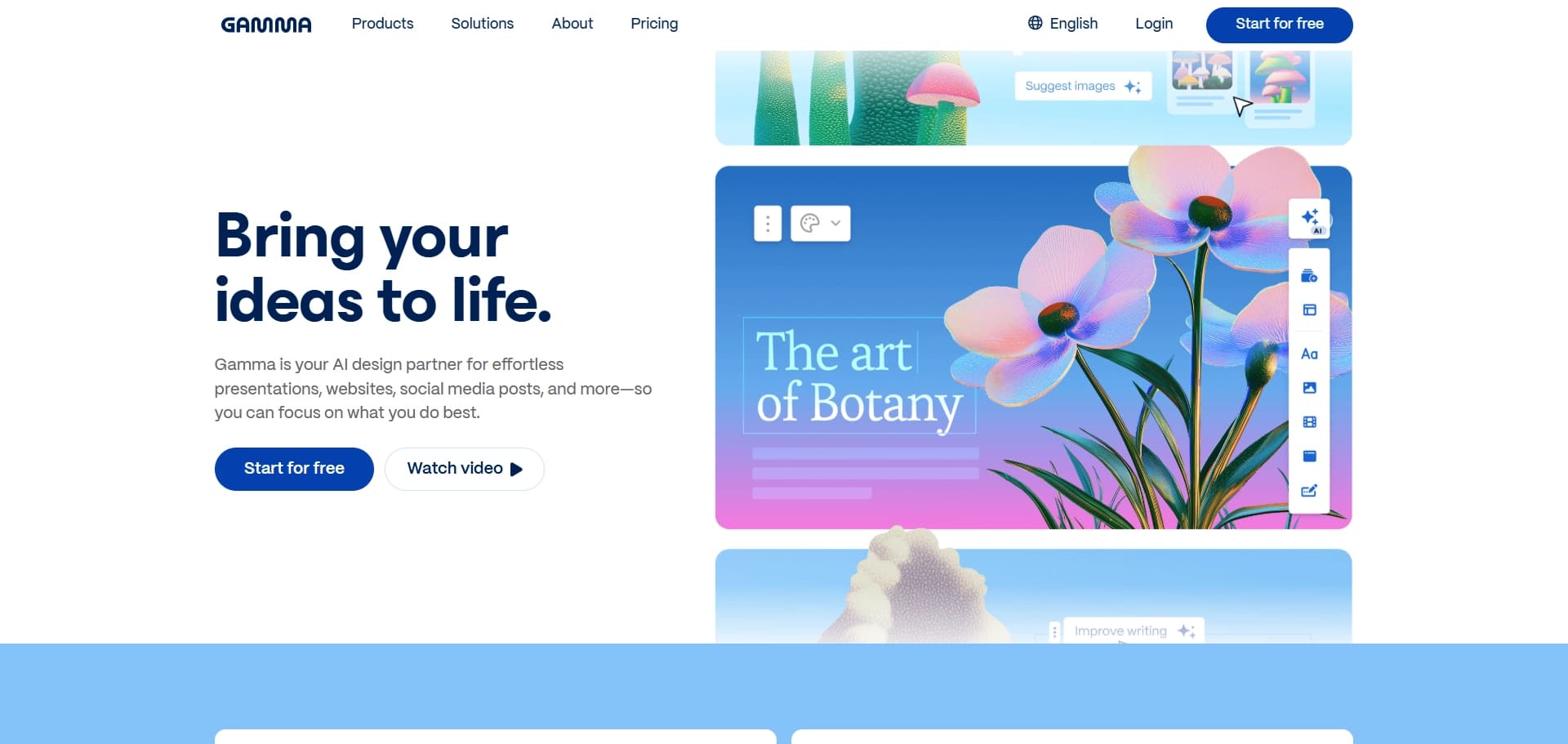

AI tool for creating presentations, documents, and web pages from a text description.
Intelligent assistant from Microsoft, built into the Bing search engine and Edge browser, powered by GPT-4.