
Diffusely
AI-powered platform for generating and editing images.
Overview
Diffusely is a platform that uses generative artificial intelligence models to work with images. The main goal of the service is to give users the ability to create new pictures from scratch and edit existing ones using simple text prompts. Instead of manually working in a graphic editor, you describe what you want in words, and the neural network turns the description into a finished visual result.
This approach significantly simplifies the creative process: there's no need to master complex software or have deep design knowledge. You just formulate a prompt, and the algorithm offers image variations on its own. The platform is designed for flexibility: you can generate entirely new images or make changes to uploaded files.
The core idea of the service
Diffusely's main concept is built around neural network algorithms trained to understand the connection between text and visual imagery. This makes the process of creating graphics more intuitive and accessible. The user communicates with the system in natural language, while the neural network handles the technical side — composition, colors, details, and style.
Who the service is for
The platform was originally designed as a versatile tool. Thanks to its well-thought-out interface, it's equally convenient for beginners just trying their hand at generative creativity and for professionals who need high-quality visual assets quickly. The absence of complex settings and clear working logic lower the entry barrier, while the system retains enough depth for practical tasks.
Diffusely Features
Below are the main technical and functional characteristics of the platform currently known.
| Feature | Value |
|---|---|
| Platform type | Web service for image generation and editing |
| Core technology | Generative artificial intelligence models |
| Interaction method | Text prompts in natural language |
| Key operations | Creating new images, modifying uploaded files |
| Target audience | From beginners to professional designers |
| Distribution model | Not disclosed / to be confirmed |
Who is Diffusely suitable for?
Diffusely is designed for a wide range of users, and depending on skill level and tasks, everyone will find their own use case.
Beginners and hobbyists
For those who have never worked with neural networks, the platform is a good fit thanks to its simple and clear interface. You don't need to understand the intricacies of generative models — just formulate a prompt and look at the result. It's a great way to try your hand at creativity or simply get an interesting image for personal use. The entry barrier is minimal: no need to study manuals or master complex settings.
Professional designers
Professionals can use Diffusely as a supporting tool to speed up routine tasks. For example, quickly generating several background variations, picking textures, or creating references for future work. Editing existing images helps adapt ready-made assets to a specific project. The platform doesn't replace professional software but saves time at the early stages of the creative process.
Marketers and content creators
Diffusely can also be useful for creating visual content for social media, blogs, or ad campaigns. The ability to quickly get images from a text description lets you illustrate posts on the fly without waiting for a designer. This is handy when you need several image options for testing or choosing the best solution.
How to use Diffusely?
The workflow revolves around text prompts and intuitive actions. While a detailed step-by-step guide isn't disclosed, the general logic is transparent and accessible.
Creating an image from scratch
To generate a new picture, you need to formulate a text description — the more detailed and specific the prompt, the more accurate the result. The system processes the prompt and outputs an image matching the description. You can refine and expand the prompt as needed to achieve the desired outcome.
Editing existing files
To work with an existing image, upload it to the platform, then describe the desired changes in words. The neural network applies edits based on the prompt: changing the background, adding objects, recoloring elements, or replacing specific details. This approach lets you quickly refine ready-made files for specific needs.
Iterative approach
The service supports iterative work: you can progressively refine prompts to gradually get closer to the desired result. This is especially useful for complex compositions where getting the perfect version on the first try is difficult. The final image can be used for personal or professional purposes.
Key Features of Diffusely
The platform's functionality centers on two key scenarios: creating new images from text and modifying uploaded files. Both are powered by generative AI models.
Image generation from text descriptions
The user enters a text description — the service turns it into a full-fledged image. Algorithms analyze the prompt and create a picture matching the specified details, objects, and style. This is the main tool for creating new visual assets from scratch.
Editing with text commands
Instead of manually editing an image, the user describes in words what changes are needed. The platform applies edits automatically: you can change individual elements, transform the style, or adapt the image to other requirements. This mode is suitable for refining uploaded files.
Flexible prompt tuning
A key feature of Diffusely is the ability to refine and adjust text prompts. Users can rephrase, add details, or change the style, controlling how the neural network interprets the task. This approach helps hit expectations precisely and get images as close to the intent as possible.
Advantages of Diffusely
It's important to note that detailed platform advantages haven't been publicly described yet, so the strengths listed below are directly derived from the available information about the service.
- Low entry barrier: no special knowledge or skills required to get started — just the ability to formulate text prompts.
- Versatility: the platform suits both everyday tasks and professional image work.
- Combined approach: the ability to work with both new generations and editing existing files removes many limitations.
- Time savings: automating routine graphics creation and refinement frees up time for creative or business tasks.
- Friendly interface: the service targets a broad audience, simplifying navigation and interaction.
Disadvantages of Diffusely
Like any young platform, Diffusely may have certain limitations. Since there's no official data on the service's weak points, here are some potentially significant aspects worth considering.
- Generative model limitations: neural networks don't always interpret complex or abstract prompts accurately, so results may require refinement.
- Unknown pricing details: specific limits, request caps, and free access terms aren't disclosed, making budget planning difficult.
- Dependence on prompt quality: the quality of results directly depends on how well and thoroughly the text prompt is formulated.
- Unclear distribution model: access terms and usage method (web version, API, etc.) lack detailed description.
What problems does Diffusely solve?
Diffusely is designed to address tasks related to generating and refining visual content. This is a broad niche covering many use cases.
Fast creation of visual assets
The platform's main goal is to speed up getting finished images. Instead of long manual work in editors, the user describes the picture in words, and the neural network creates it automatically. This is especially relevant for content creators who need many images for publications.
Adapting and refining graphics
Editing uploaded files solves another important task — quickly adapting images to new requirements. Changing style, replacing details, or removing unwanted objects can be done with a simple text prompt without tedious manual work. This simplifies working with references, mockups, or photo materials.
Removing the technical barrier
Diffusely helps people without design skills get high-quality images. The platform handles the technical complexity of graphics work, letting users focus on the idea rather than its execution. This makes visual creativity accessible to everyone.
Diffusely Pricing
Currently, official information about Diffusely's pricing and usage costs is absent from public sources. There's no data on a free tier, paid subscriptions, or possible limits on the number of generations. Potential users should check the service's official channels or the platform's website before getting started. There are likely at least a free trial mode and paid tiers for extended use, but no confirmed facts on this matter.
Terms of Use for Diffusely
Detailed terms of use aren't disclosed in available sources. Most likely, the service is provided as a web application accessible through a browser. Key aspects typically governed by user agreements include: rights to generated images, permitted content use cases, restrictions on commercial use, and liability for created materials. There may also be restrictions on generating prohibited content, which is standard practice for such services. Check the exact terms on the Diffusely website — they aren't described in available materials.
Diffusely Availability
Information about the platforms Diffusely runs on and its availability is limited. It can be assumed this is a web solution, since effective generative model operation requires significant computing power, which is usually provided by server-side resources rather than users' local devices. Based on the description, the service is designed for browser use without installing additional software. Details about mobile apps and access conditions for users in different regions haven't been disclosed yet.
How Diffusely differs from alternatives
The generative services market is quite crowded, but Diffusely tries to stand out through a balanced combination of features and a user-friendly approach.
Combining generation and editing
Many platforms specialize only in generating new images or only in editing uploaded ones. Diffusely combines both scenarios in a single platform, giving users greater flexibility without needing to switch between different services. This is convenient for comprehensive visual content work.
Focus on a mass audience
Unlike niche tools that require users to understand generation parameters, Diffusely emphasizes simplicity. The service positions itself for everyone — from beginners to professionals — which makes it a better choice for people without technical training. The interface is designed for lightweight interaction without complex settings.
Open working structure
The key difference is the absence of complex image manipulation formats. The user doesn't control every pixel but works at the level of ideas and text descriptions. This is a fundamentally different approach compared to traditional editors or even tools with fine-grained generation control. Everything revolves around the text prompt, which brings the platform closer to other modern neural networks while retaining its own specifics.
Conclusion
Diffusely is a promising platform for image generation and editing that makes AI creativity technology accessible to the widest range of users. The service combines two key functions — creating pictures from scratch via text descriptions and refining uploaded materials — in a single interface. The platform's approach focuses on intuitive interaction and lowering the entry barrier, setting it apart from many narrowly specialized tools. Beginners can get their first results without preparation, while professionals can use the service to speed up workflows. Despite the lack of detailed information about pricing, terms, and distribution platforms, Diffusely looks like a solid solution for a wide range of visual tasks. It remains to follow the project's development and updates, which will likely bring more clarity to organizational and technical details.
Frequently asked questions
See also

A tool for generating 3D models based on text descriptions, images, or sketches.


AI-powered coloring book generator that creates pages from text descriptions or uploaded images.
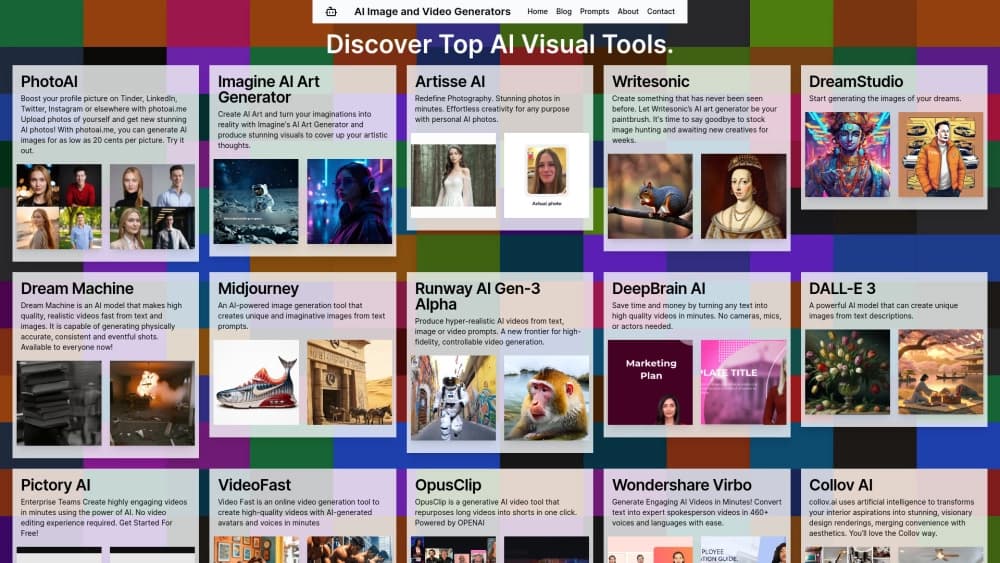
Catalog of neural networks and online tools for generating images, animations, and videos.
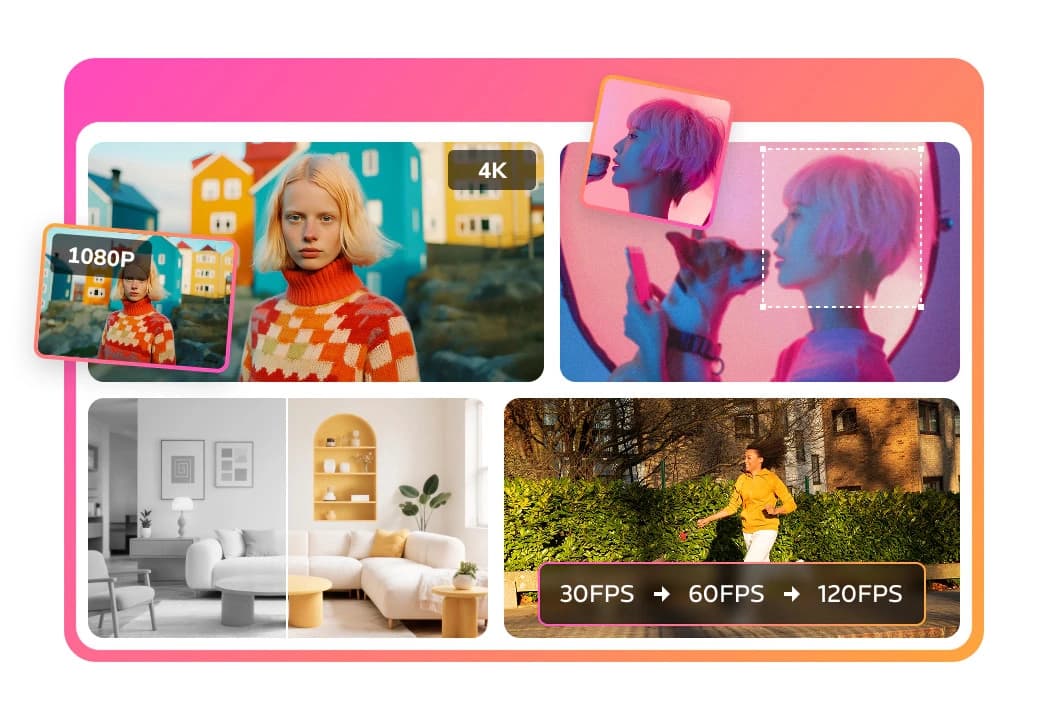
A multimedia AI toolkit for editing and enhancing photos, videos, and PDF documents.
AI tool for automatically removing backgrounds from images right in the browser.

Neural network for generating images and short videos from text descriptions.


Service for creating music track covers based on audio analysis.

A service that automatically generates enhanced photos for dating site profiles.