

Deepnote
Cloud platform for data analysis with an AI assistant that converts natural language into executable code.

Overview
Deepnote AI Description
Deepnote is a cloud-based data analysis platform where the built-in AI assistant plays a key role. Instead of manually writing every line of code, users formulate tasks in natural language, and the neural network converts the request into executable code. The platform combines notebooks, SQL, and Python in a single environment, enhanced with intelligent features.
Deepnote's main feature is that the system doesn't just generate code — it actively assists throughout the workflow: it detects errors, offers hints, and explains the logic behind solutions. This turns the platform into a full-fledged assistant that accelerates routine operations and reduces cognitive load on specialists. For beginners, this approach significantly lowers the barrier to entry into data analysis, while experienced users save time on mechanical tasks.
Deepnote Characteristics
| Characteristic | Value |
|---|---|
| Type | Cloud-based neural network for automating data analysis |
| Categories | Code assistants, code generation, diagrams and charts |
| Website | deepnote.com |
| Offline work | Limited, most features are available online only |
| Interface | Intuitive |
| Security | Secure environment, data never leaves the platform |
Who Is Deepnote Suitable For?
Analysts and Data Scientists
Professionals who work with large volumes of information daily get a tool for quickly testing hypotheses. Instead of spending time writing boilerplate code, they can formulate a question in natural language and immediately get a working result. Explanations of solution logic help them better understand their own analysis methods.
Developers
For programmers, Deepnote becomes a convenient sandbox for experimenting with data. The ability to combine SQL and Python in a single notebook, along with automatic code generation, speeds up prototype development and the integration of analytical modules.
Beginners in Data Analysis
The platform lowers the entry barrier: people without deep programming knowledge can formulate tasks in plain language and receive correct code. At the same time, hints and explanations help them gradually master the syntax and logic of the language.
How to Use Deepnote?
Formulating a Task
The user describes in natural language what exactly needs to be done with the data — for example, "build a chart of sales over time" or "find the correlation between customer age and purchase frequency." The system analyzes the request and converts it into executable code.
Launching a Project in the Cloud
All projects run in the Deepnote cloud environment, so there's no need to set up a local environment, install libraries, or configure servers. Just open a notebook and start working.
Interacting with Code
After code generation, the user can edit it, extend it, or request explanations of specific fragments. The platform also automatically detects errors and suggests fixes, making the debugging process faster.
Key Deepnote Features
Creating Notebooks
Deepnote allows organizing data work in the format of interactive notebooks that combine code, visualizations, and text comments. This is a convenient format for both individual analysis and collaborative work.
Converting Requests into Code
The platform's key feature is turning natural language formulations into ready-to-run executable code. This eliminates the need to remember exact function syntax and lets users focus on defining the task.
Hints and Solution Explanations
The system actively assists during work: it provides contextual code hints, explains why a particular solution was chosen, and shows the execution logic. This is especially useful when working with complex SQL queries or multi-step operations.
Automating Routine Tasks
Repetitive operations — data cleaning, generating similar reports, merging tables — can be performed automatically with minimal user involvement.
Deepnote Advantages
Time Savings
Automation of routine operations and code generation from text descriptions reduce the time spent on typical tasks severalfold. Searching for solutions in documentation or forums is no longer necessary.
Lower Entry Barrier
People without deep programming knowledge can start working with data by formulating tasks in natural language. The neural network handles the technical part, while explanations help them gradually master the material.
Transparency and Security
The secure environment guarantees that data never leaves the platform. At the same time, users always see what code was generated and exactly how operations are executed, ensuring full transparency.
Convenient Collaboration
Thanks to the cloud architecture, all team members can work with the same notebooks, see changes, and comment on results in real time.
Deepnote Limitations
Limited Offline Work
Full platform usage requires a stable internet connection. Without a network, most features become unavailable, which can be a problem when traveling or in areas with unreliable connectivity.
Learning Curve for All Features
Despite the intuitive interface, mastering the full range of platform capabilities may take time. New users sometimes need an adaptation period to effectively use all tools and built-in AI features.
What Tasks Does Deepnote Solve?
Data Analysis
The platform enables full exploratory analysis: building charts, calculating statistical metrics, testing hypotheses, and visualizing results. Formulating requests in natural language significantly simplifies this process.
Data Management
Deepnote supports working with various data sources, including merging, cleaning, and transforming them. Combining SQL and Python in a single environment allows efficient data management without switching between tools.
Automating Code Writing
Creating template scripts, standard queries, and repetitive operations can be fully automated. This frees up time for more complex and creative aspects of work — interpreting results and making data-driven decisions.
Deepnote Pricing
Deepnote operates on a freemium distribution model. This means there is a free tier with a basic set of features, as well as paid subscriptions that unlock additional capabilities — increased compute limits, expanded collaboration tools, and priority support. The exact terms and pricing of paid plans are best checked on the platform's official website, as they may change.
Deepnote Terms of Use
Using the platform requires a stable internet connection, as most features are available online only. All computations are performed in the cloud, so users don't need powerful local hardware. Data security is ensured by a secure environment: information never leaves the platform and is not used to train models without user consent.
Deepnote Availability
Deepnote is a fully cloud-based service. Access to the platform is via a web browser from any device with an internet connection. No additional software installation or server setup is required. This makes the service accessible to individual users and teams of any size, regardless of their technical infrastructure.
How Deepnote Differs from Alternatives
AI Integrated into the Workflow
Unlike many traditional development environments where AI assistants are additional plugins, Deepnote has neural network features built into the platform's core. The assistant doesn't just supplement the process — it's an integral part of it, from code generation to explaining solutions.
Combining SQL and Python in One Space
Most platforms require switching between different tools to work with SQL and Python. Deepnote provides a unified environment where both languages work together, simplifying comprehensive data analysis without losing context.
Cloud Architecture
Unlike desktop applications, Deepnote requires no local installation or setup. All computations happen on the platform's servers, removing hardware limitations and ensuring accessibility from any device.
Conclusion
Deepnote is a modern cloud solution for working with data, where artificial intelligence plays a central role in everyday tasks. Turning natural language into executable code, automating routine operations, and providing clear explanations — all of this makes the platform attractive both for experienced professionals and for those just starting their journey in analytics. Certain limitations, such as the need for a constant internet connection and the time required to master all capabilities, are offset by the convenience, transparency, and security of the platform. The tool suits those who value efficiency and want to focus on solving problems rather than on the technical details of implementation.
Frequently asked questions
See also
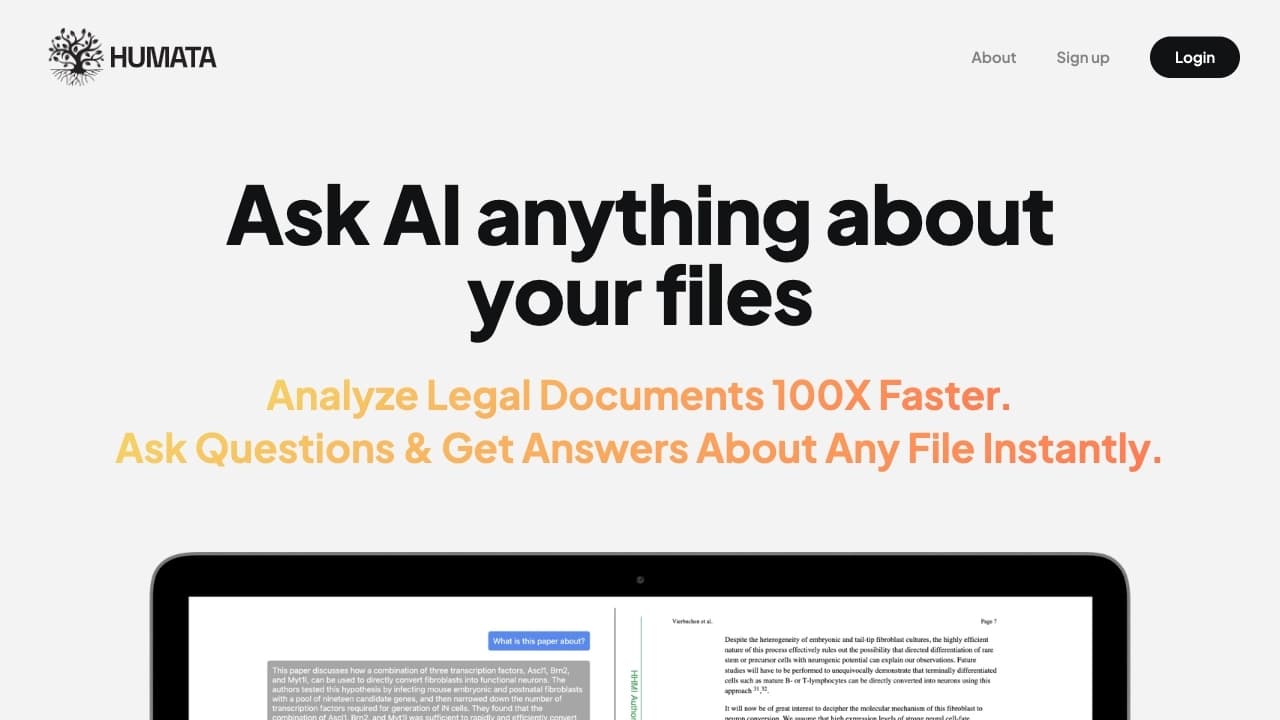
A neural network for document analysis that extracts key information, creates summaries, and answers questions about the contents of uploaded files.

A platform for content creators that combines link management, email marketing, an online store, and analytics in a single visual editor without coding.
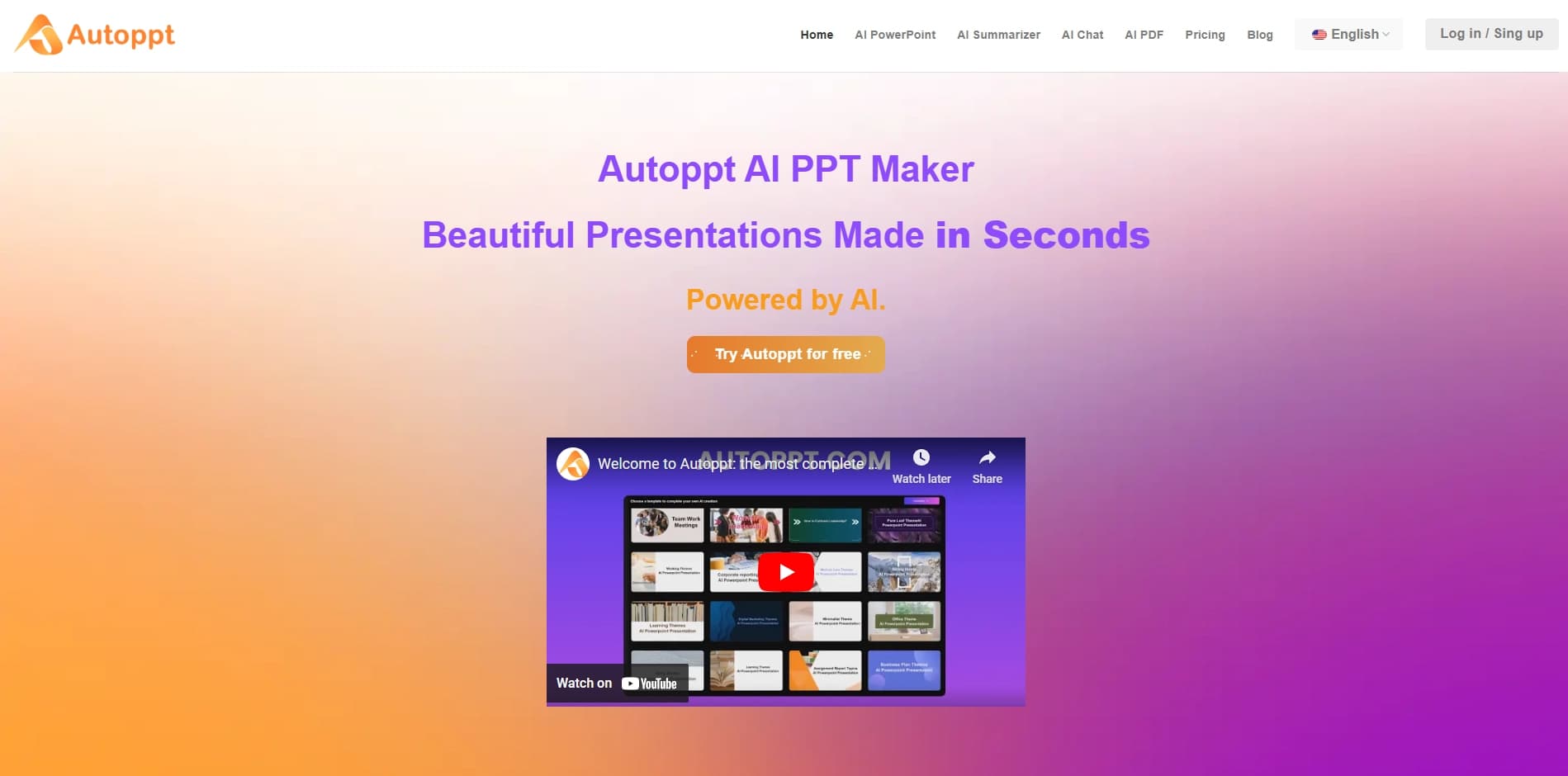

Online AI-powered service for quickly creating presentations based on a given topic or an uploaded document.
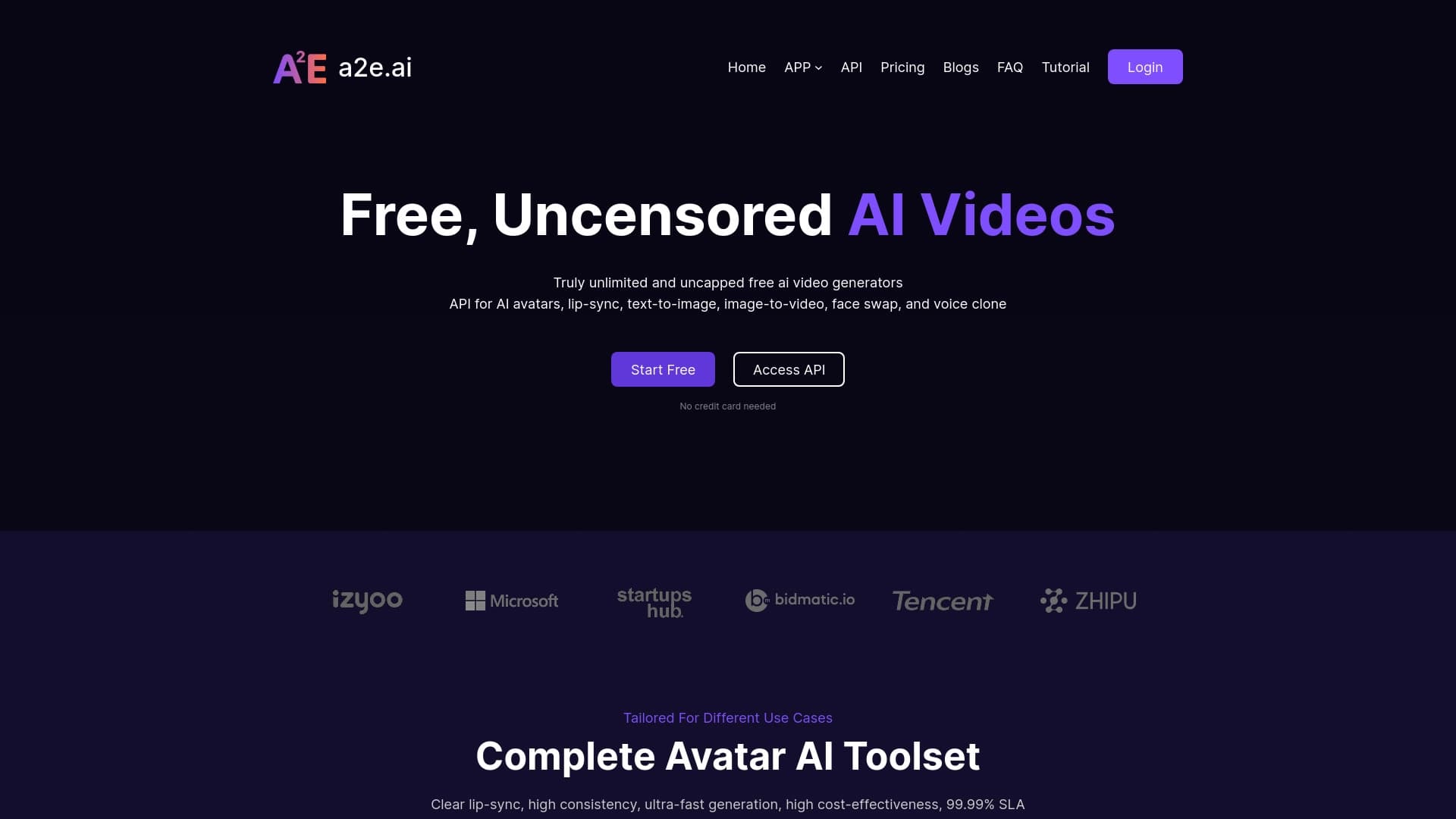

AI toolkit for video generation and editing, including avatars, lip-sync, and voice cloning.

Terminal AI agent for programming that dynamically adapts to developer tasks.
A tool for creating diagrams and mind maps from text descriptions in natural language.

AI agent for automating customer communications and support.

AI platform for automatic workday planning, task management, and prioritization.