

Decide.Quest
A platform for complex decision-making, combining AI algorithms with collective participant input.
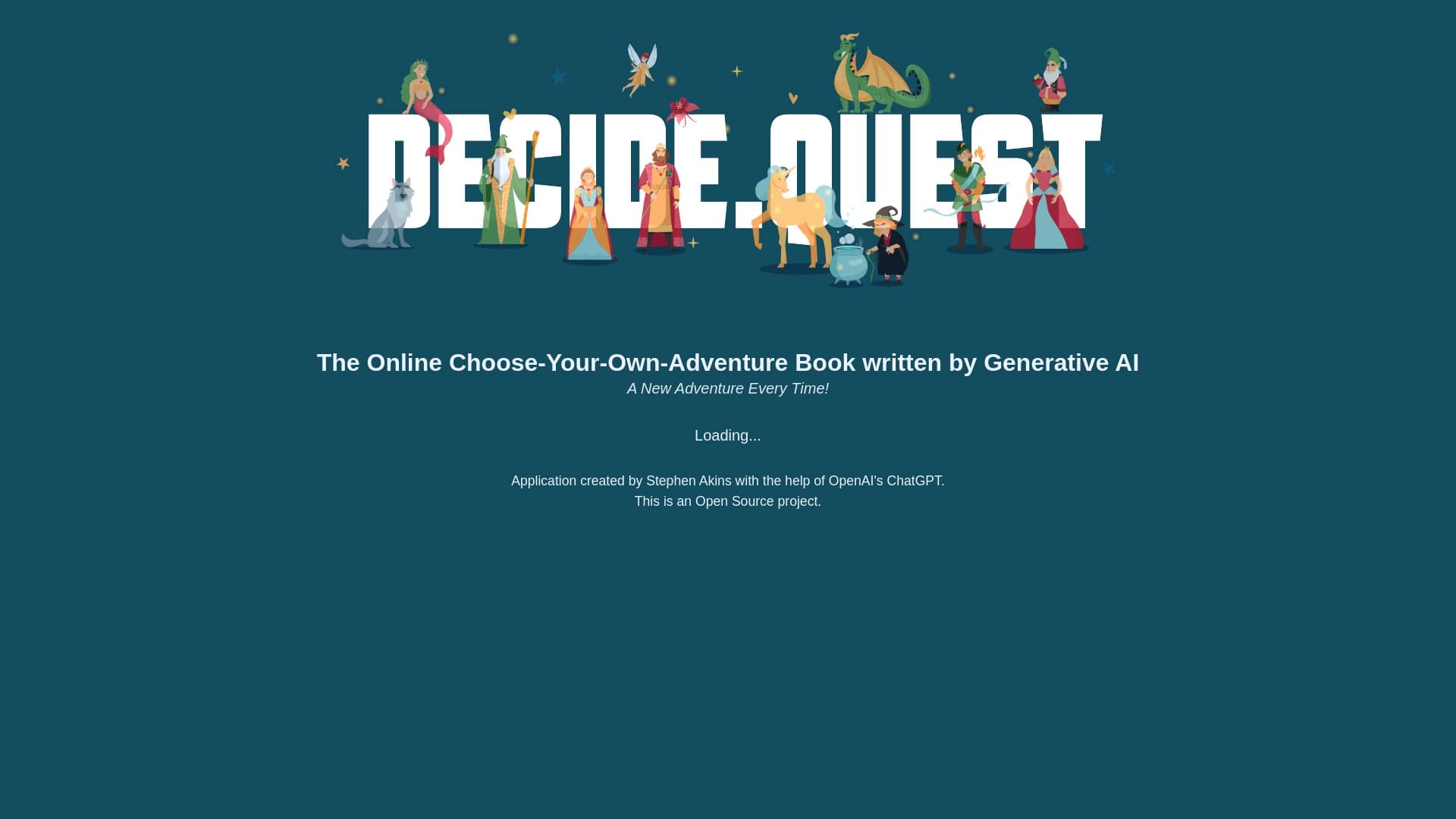
Overview
Decide.Quest is a digital platform designed to support complex and high-stakes decision-making. The core idea of the service is to combine two approaches: the analytical capabilities of artificial intelligence and the "collective intelligence"—the opinions and experiences of a large group of people.
Instead of relying solely on intuition or limited data, the user receives a synthesized recommendation. The platform collects responses from participants, processes them using algorithms, and generates a final result that reflects both statistical patterns and the diversity of human perspectives. This hybrid approach helps reduce the impact of subjective biases and allows the problem to be examined from multiple angles, which is especially valuable in situations with a high degree of uncertainty.
Decide.Quest Features
| Feature | Value |
|---|---|
| Tool type | Decision-making platform |
| Core technologies | AI algorithms + crowd intelligence |
| Primary purpose | Analyzing options and generating recommendations |
| Target audience | Individual users and organizations |
| Operating model | Online platform, collecting and processing collective opinions |
| Product data source | Only public description from the website (no detailed data available) |
Who is Decide.Quest suitable for?
For individual users
The service will be useful for those facing a difficult choice in their personal or professional life and who want to see the situation through the eyes of different people, not just their own. It acts as a kind of "advice" based on the opinions of many.
For teams and organizations
For companies, the platform becomes a tool for strategic sessions. It is useful when an unpopular or non-obvious decision needs to be made, and the team wants to ensure all arguments are considered. It is also a way to gather and structure the opinions of employees or stakeholders without lengthy meetings.
How to use Decide.Quest?
General working principle
The exact step-by-step process on the platform is not described in public sources, but the service's logic suggests a cyclical process. The user formulates a question or task, after which data collection begins.
Participating in a survey and getting results
The system likely includes a stage where participants (invited or from the platform's community) share their thoughts on the proposed question. After these responses are processed by algorithms, the user receives a final analytical summary and a recommendation. To use the service, registration and formulating a request in a format suitable for a crowdsourcing survey will likely be required.
Key features of Decide.Quest
Collecting collective opinions
The key function is organizing the process of gathering data from a diverse group of people. The platform solves the problem of a narrow circle of advisors by expanding the sources of information.
Algorithmic processing and recommendations
The second most important function is the intelligent analysis of the collected data. The AI does not simply tally votes but identifies patterns and weighs arguments, transforming them into a structured recommendation or conclusion.
Perspective analysis
The platform helps to see not only the most popular solution but also alternative points of view that may be more valuable for a specific task, providing a more complete picture of the situation.
Advantages of Decide.Quest
Objectivity and reduced bias
By blending machine logic with a multitude of human opinions, a more neutral assessment of the situation is achieved. AI helps filter out emotional extremes, while crowdsourcing prevents the algorithm from "fixating" on a single option.
Multiple perspectives considered
This is the main benefit for business: you get the opportunity to look at a problem through the eyes of different people (employees, customers, experts), which helps avoid the "echo chamber" effect within a single team.
Data-driven approach
Instead of guessing, the user gets decisions backed by a combination of arguments and data collected from various sources, which increases confidence in the choice.
Disadvantages of Decide.Quest
Lack of public information about the process
Currently, there is no detailed public information about how the group of survey participants is formed: whether they are experts or regular users. This may raise questions about the quality of the source data.
Dependence on the quality of the "crowd"
The platform's effectiveness directly depends on how competent and diverse the participants are. If the audience is not sufficiently knowledgeable about the user's question, the recommendation may be superficial.
Uncertainty regarding functionality
It is still unclear how response moderation works and whether there are tools for analyzing specific niche tasks, which limits the assessment of the service's applicability for professionals.
What problems does Decide.Quest solve?
Making complex decisions
The platform is aimed at tasks where there are multiple options and consequences are hard to predict. It gathers data to reduce uncertainty and select the optimal scenario.
Improving group discussion processes
Organizations can use the tool to structure discussions when it is necessary to avoid conflicts or the dominance of a single opinion, making the process more democratic and manageable.
Reducing risks
By providing a more objective picture and warning of potential "blind spots," the service helps minimize risks associated with the subjective perception of reality by the decision-maker.
Decide.Quest Pricing
Official information about subscription costs or one-time pricing plans for the platform is absent from the analyzed sources. It is unknown whether the service operates on a freemium model, offers corporate packages, or charges for each survey launched. To clarify current pricing, potential users need to visit the developer's official website or request a commercial proposal.
Terms of Use for Decide.Quest
Public data does not contain information about age restrictions, registration requirements, or privacy rules. Users should expect that the service may collect personal data and survey results to improve its algorithms. It is recommended to carefully review the user agreement and data processing policy directly on the platform before starting to use it.
Availability of Decide.Quest
The platform is positioned as an international product aimed at individual users and organizations. Since it works with crowdsourcing, it is assumed that the service is available online and requires an internet connection. Information about mobile apps, Russian language support, or regional restrictions is not disclosed in public sources.
How Decide.Quest differs from alternatives
The key difference between Decide.Quest and traditional AI assistants or simple survey tools is the symbiosis of machine intelligence and collective participation. Regular neural networks provide answers based on their "knowledge," while standard survey services only collect statistics. Decide.Quest operates on a hybrid principle.
Here, algorithms are not used to generate advice "out of thin air" but for the intelligent processing of live human judgments. This makes it possible to obtain a solution that combines the depth of machine analytics with the flexibility of social proof, which sets it apart from "soulless" AI recommendations and "chaotic" collective discussions.
Conclusion
Decide.Quest is an interesting niche development at the intersection of social psychology and artificial intelligence. The idea of combining the "crowd" and algorithms for well-considered decisions looks promising, especially for teams that value collegiality. However, due to the lack of detailed information about pricing, technical implementation, and audience composition, it is difficult to assess its practical value. It is likely to be a useful facilitation tool for businesses and a way for individuals to broaden their horizons when making life-changing decisions. Potential users should wait for more detailed reviews or test the platform themselves.
Frequently asked questions
See also


AI assistant for real-time hints during online interviews.
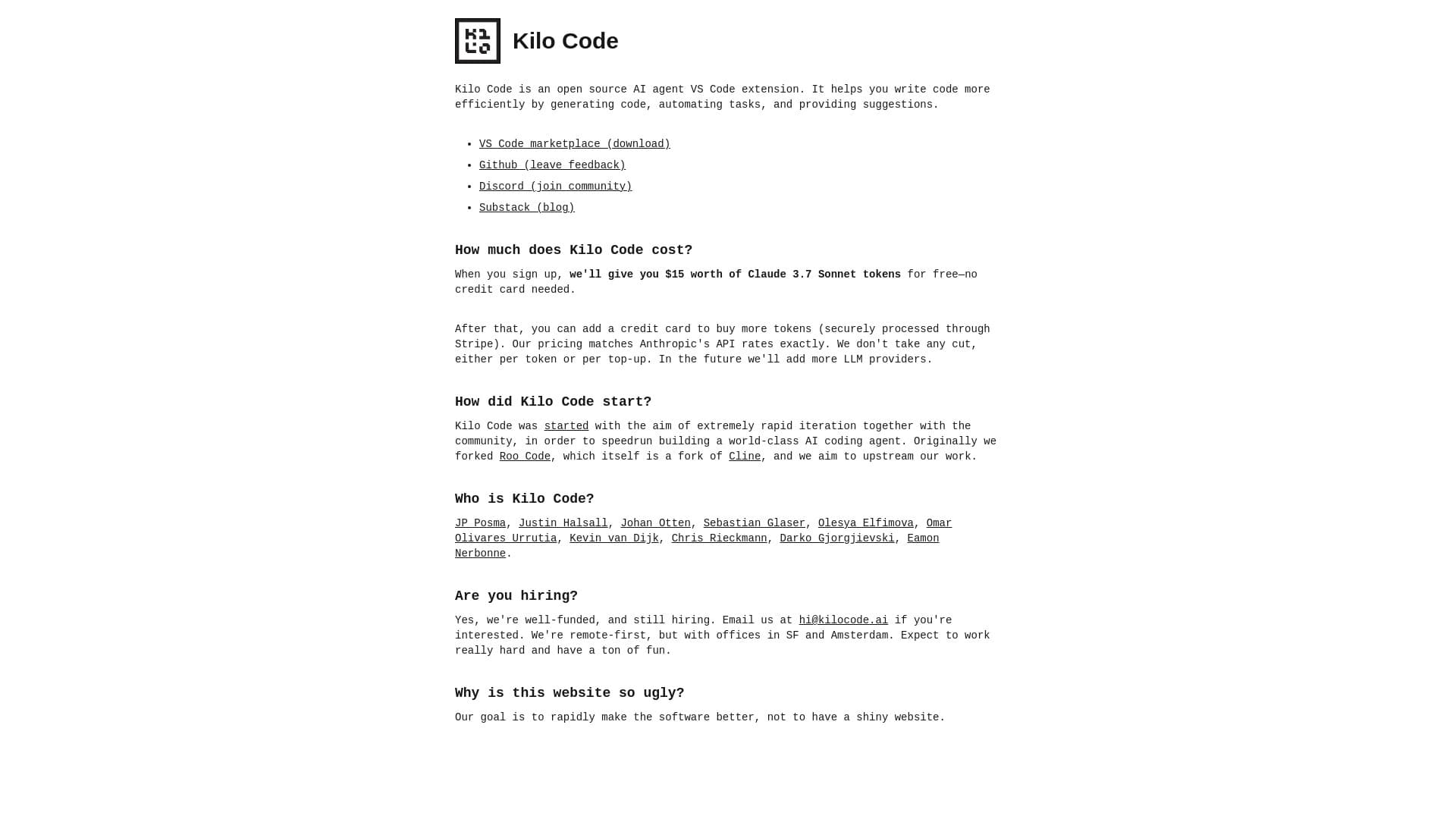

An open-source AI development agent that helps generate, refine, and debug code directly in the IDE.
Intelligent assistant from Microsoft, built into the Bing search engine and Edge browser, powered by GPT-4.


Video editor with neural network support for video editing on Windows and Mac.
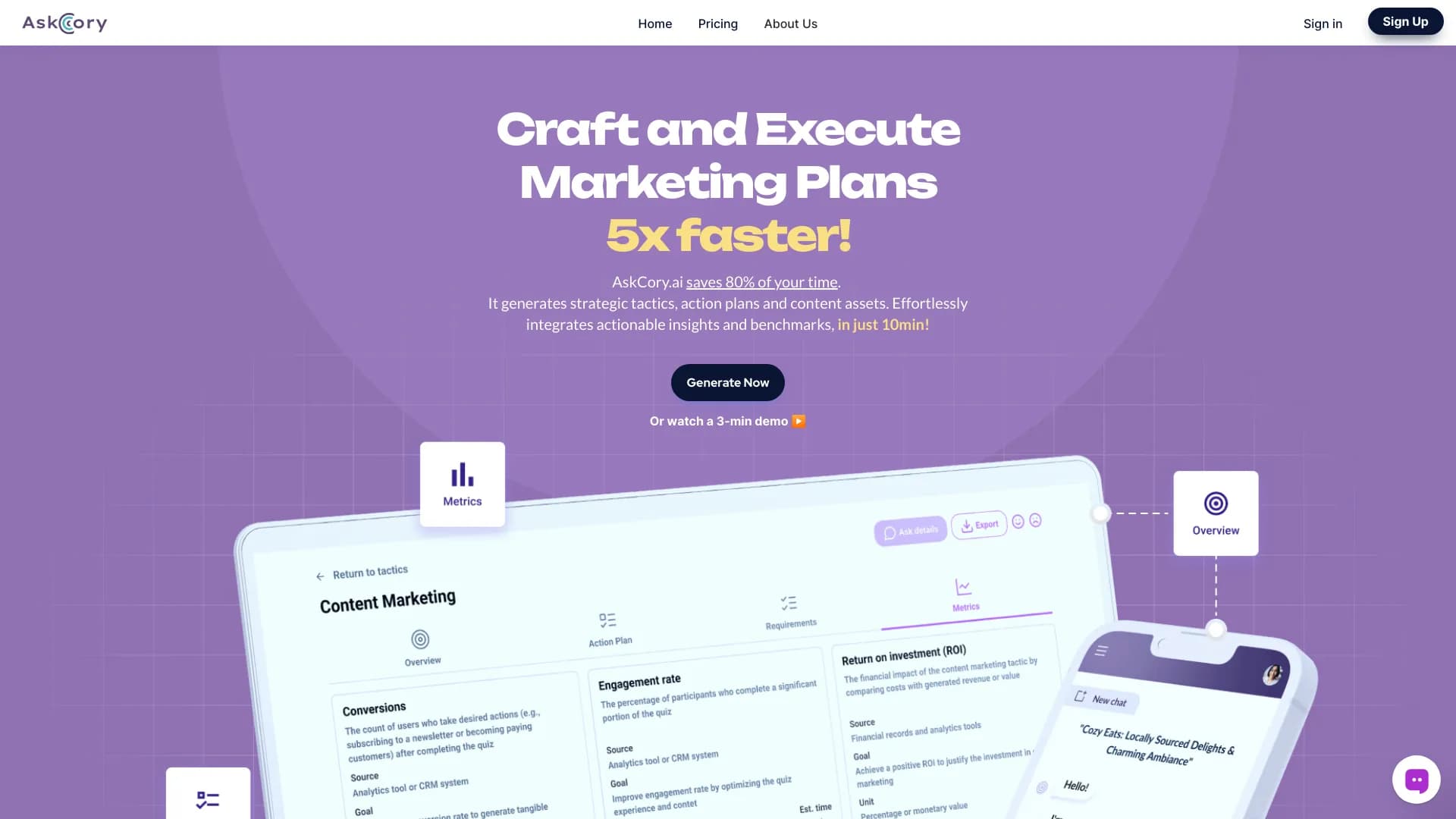

AI marketing assistant that helps create promotion strategies and optimize advertising campaigns.
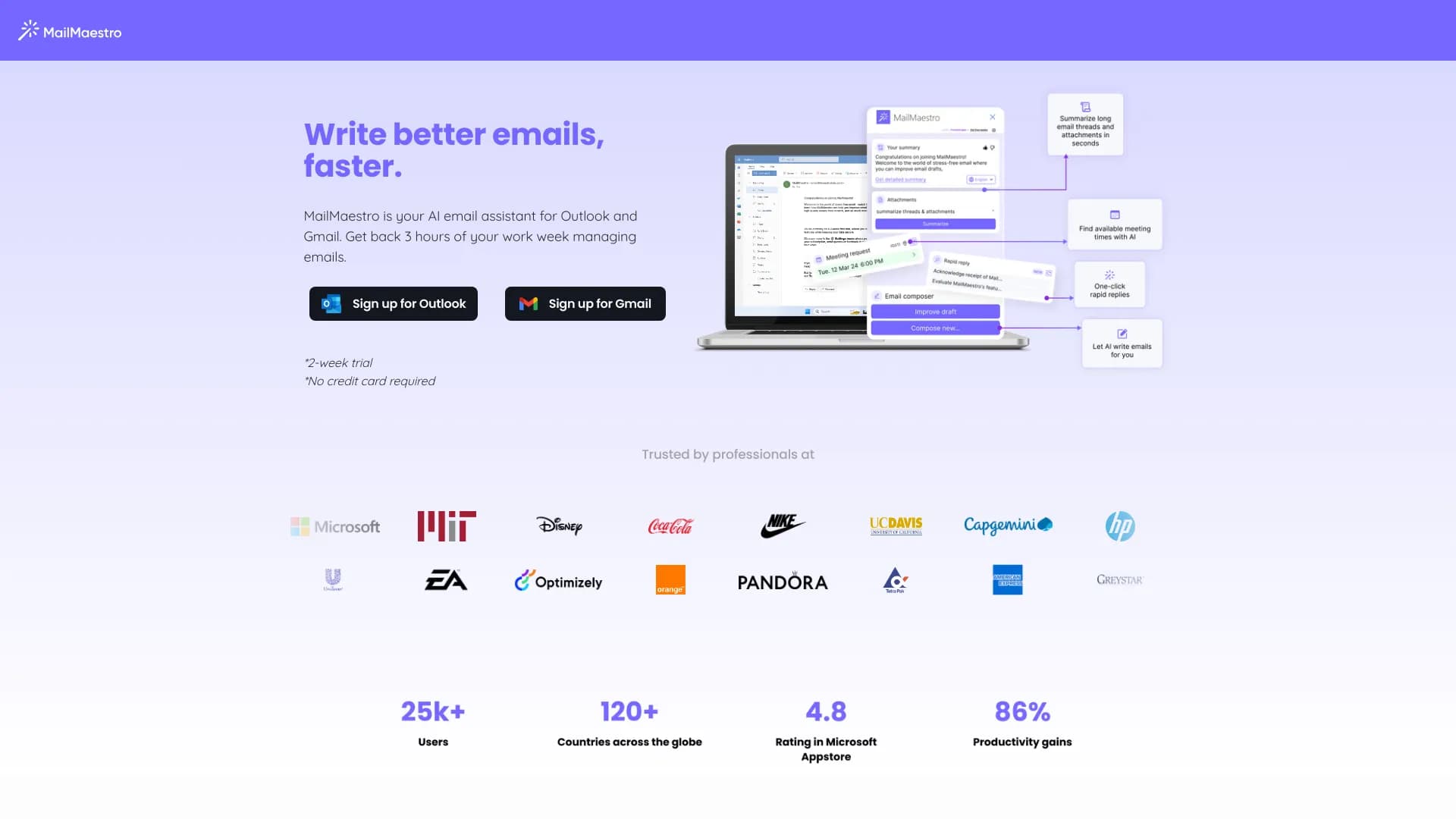

AI email assistant that integrates with Gmail and Outlook.


A platform for chatting with virtual AI characters that you can create and customize to suit yourself.
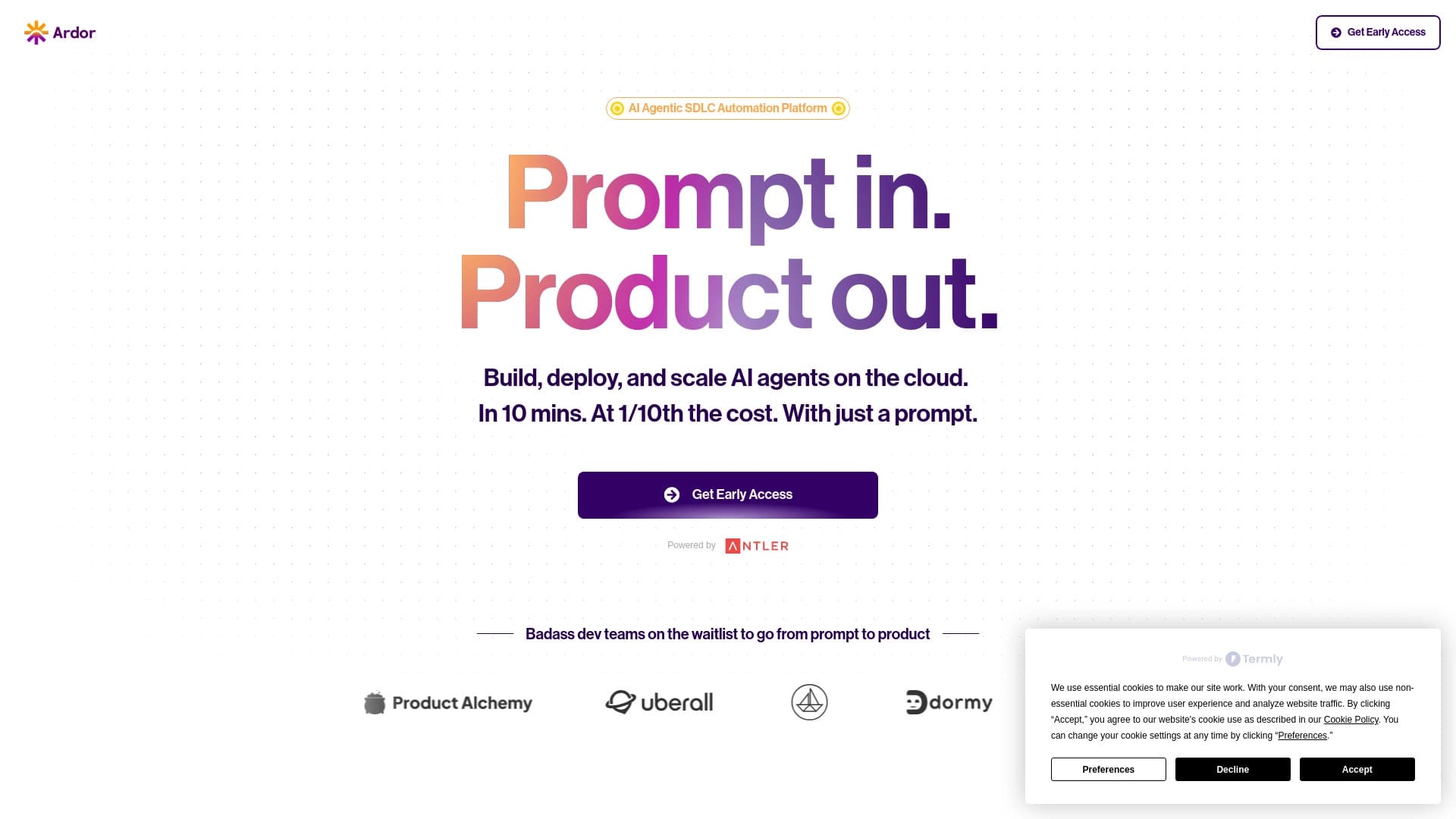

A platform for automating software development using a visual builder for AI agents.