

Cold
AI agent for automating customer conversations and generating smart replies.
Overview
Cold is an AI agent designed to automate customer conversations and generate intelligent responses. Instead of engaging human operators for routine questions, the system handles initial user contact using natural language processing (NLP). The tool analyzes incoming messages, recognizes intents, and responds in real time, allowing businesses to speed up request handling and reduce the workload on live staff.
Using Cold also goes beyond simple support: it can be applied to engage website visitors, qualify leads, and automate follow-up actions in conversations. Essentially, it is a full-fledged virtual assistant operating at the intersection of customer service and marketing.
Core purpose of the product
Cold's main goal is to give companies a tool that reduces operational costs for support while simultaneously improving the quality of customer interactions through personalized and fast responses.
Key operating principle
Cold works as a trainable conversational agent: you define communication scenarios, and the neural network fills them with natural phrasing and adapts them to the specific requests of the interlocutor. The system does not just output pre-written phrases but builds a response based on the context of the conversation.
Cold characteristics
| Characteristic | Value |
|---|---|
| Type | AI agent for automating customer communication |
| Categories | AI Cold Calling, AI Email Marketing, AI Email Generator, AI Newsletter Generator |
| Platforms | Web, Android, iOS |
| Date added to catalog | May 2, 2025 |
| Free plan | No |
| Credit card required | No |
| Lifetime plan | No |
| Developer company | Cold AI |
| Social media and Email | Not specified |
Who is Cold suitable for?
Customer support teams
Cold handles routine questions without human involvement, reducing response wait times. Operators can focus on complex and non-standard tasks while AI takes care of the routine.
Marketing teams
The tool helps engage website visitors in conversation, collect contacts, and qualify leads before they are passed to the sales department. This is especially useful for campaigns where response speed matters.
Small and medium-sized businesses
Companies without a large support staff can use Cold for round-the-clock presence on their website and in messengers without increasing headcount.
How to use Cold?
Step 1: Registration and setup
You need to create an account on the Cold platform. After logging in, you gain access to the agent management dashboard.
Step 2: Channel integration
Cold connects to the messaging channels through which you communicate with customers (website, apps, messengers). After integration, conversations begin flowing into the system.
Step 3: Scenario configuration
Using the visual interface, you create conversation flows: set greetings, response options, and handoff points to operators. The interface is designed for users without programming skills.
Step 4: Testing and launch
Before launching the agent, it is worth running test queries to verify the accuracy of responses. After successful testing, the bot can be activated for real users.
Key features of Cold
Automated conversation flows
The system allows building branching communication scenarios. This makes it possible to guide the customer along the right path: from a general question to a specific solution or to a callback request.
Intelligent user interaction
Cold does not just read keywords but understands the meaning of messages. As a result, conversations feel natural rather than templated.
Natural language processing (NLP)
NLP technology underpins intent recognition. The bot can handle unstructured questions, ask for clarifications, and maintain conversation context.
Analytics dashboard
The interface provides data on user behavior: which scenarios work, where customers get stuck, and which requests repeat most often. This information helps improve service quality.
Cold advantages
AI personalization for engagement
Cold tailors responses to individual users, increasing loyalty and the likelihood of completing a target action — from registration to purchase.
Time savings on follow-ups
Automating follow-up actions is one of Cold's strengths. The system can continue a conversation with a user who did not complete a purchase or send additional information without a manager's involvement.
Performance analytics
Built-in statistics allow you to track how successfully the agent accomplishes its tasks. You see engagement metrics and understand which scenarios need refinement.
Cold disadvantages
No information about open source
At the time of this description, there is no data on whether Cold is an open project or available for self-hosting.
Limited information on integrations
Catalog compilers found no detailed data on which external services and CRM systems Cold can work with directly. This creates uncertainty when planning implementation.
Platform dependency
The effectiveness of message delivery and processing may depend on how stable the Cold platform itself is, especially when it comes to email campaigns or mass mailings.
What tasks does Cold solve?
Customer support automation
Cold handles a significant volume of standard requests, freeing operators for complex situations. This reduces team workload and speeds up responses.
Website visitor engagement
The agent initiates conversations with visitors, helps them navigate a product or service, and answers questions in real time, increasing the chances of conversion.
Lead generation through chatbots
Through scenarios aimed at contact collection and qualification, Cold helps marketing teams increase the number of quality leads.
Cold pricing
As of the publication of this information, Cold does not have a free plan. Specific pricing tiers and the pricing model are not disclosed — for current figures, you need to contact the official website cold.app. No credit card is required for registration, and no lifetime license is offered.
Cold terms of use
Registration on the platform is mandatory to get started. The system does not require linking a bank card at the start, which lowers the barrier to entry for testing. However, the absence of a free tier means that full use likely involves payment after a trial period or upon activation. Exact terms for each plan should be clarified in your personal account or with Cold representatives.
Cold availability
Cold is available on three main platforms: Web, Android, and iOS. This allows you to work with the bot and configure it both from a desktop computer and mobile devices.
Data on regional availability, supported interface languages, and the need for a VPN is unavailable. If your company operates internationally, you should check service availability from your region before purchasing.
How Cold differs from alternatives
To understand Cold's place in the market, it is worth comparing it with popular chat communication solutions.
Cold vs. Intercom
Intercom is a mature platform with a broad set of support features, including email, messengers, and knowledge bases. Cold, in turn, focuses specifically on automating conversations with NLP and generating smart responses. Unlike Intercom, Cold is not positioned as a universal CRM-like system but looks like a more narrow tool for working with conversational AI.
Cold vs. Drift
Drift emphasizes aligning marketing and sales, as well as asynchronous chat. Cold, meanwhile, is more focused on automated scenarios and reducing the cost of request handling. Drift's strength lies in CRM integrations; Cold's lies in intelligent response generation, but detailed data on connections to third-party systems is lacking for Cold.
Cold vs. Zendesk Chat
Zendesk Chat is a classic support chat focused on tickets and operator workflows. Cold offers a higher level of automation, where the bot itself decides how to respond to the user. However, Zendesk has a huge ecosystem of add-ons and proven infrastructure, which Cold currently lacks in publicly available information.
Conclusion
Cold is a practical AI agent for companies that want to put routine customer communication on autopilot. The tool uses natural language processing to build conversations, which helps increase user engagement and reduce support costs. It suits customer service, marketing, and sales teams thanks to built-in analytics and flexible chatbot scenarios. The limiting factors remain the absence of a free plan, unclear details on integrations, and open-source availability. Overall, Cold looks like a promising solution for small and medium-sized businesses focused on fast request handling and lead generation without expanding headcount.
Frequently asked questions
See also
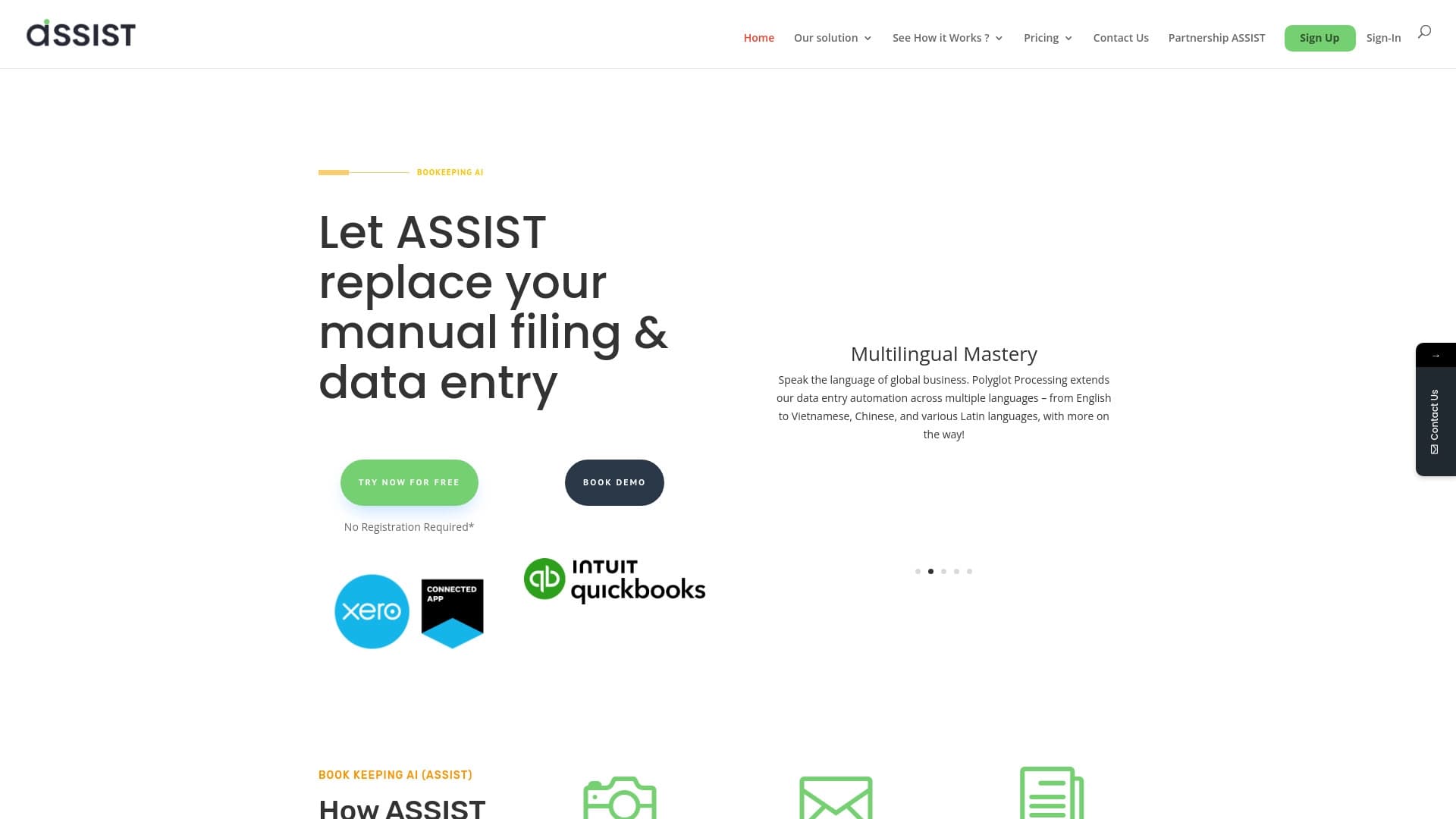

AI tool for automatic data extraction from financial documents and integration with accounting systems.

Web platform for communication and role-playing with AI characters.
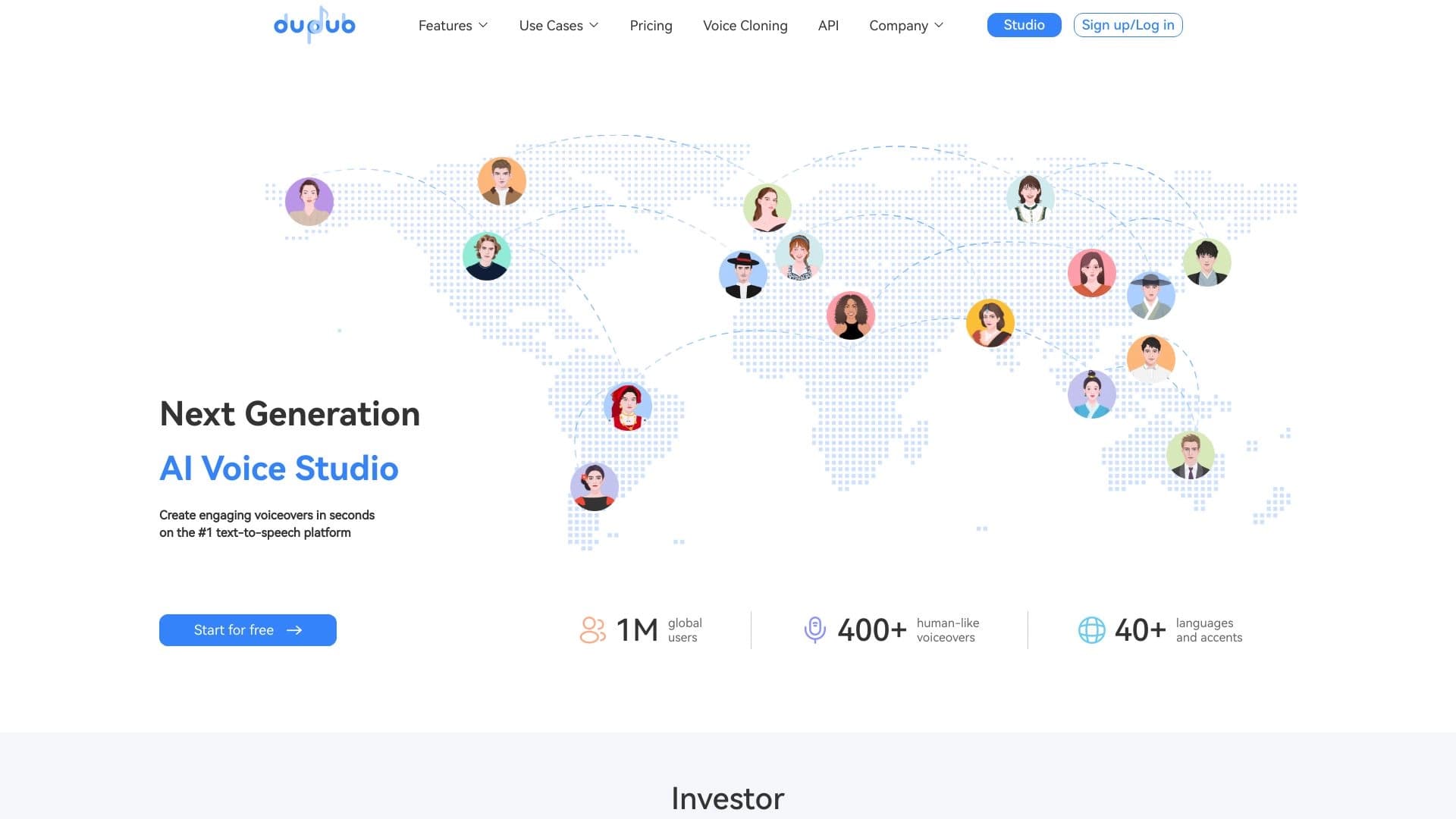
Multifunctional AI platform for content creation, combining speech synthesis, text generation, avatar creation, and video editing.
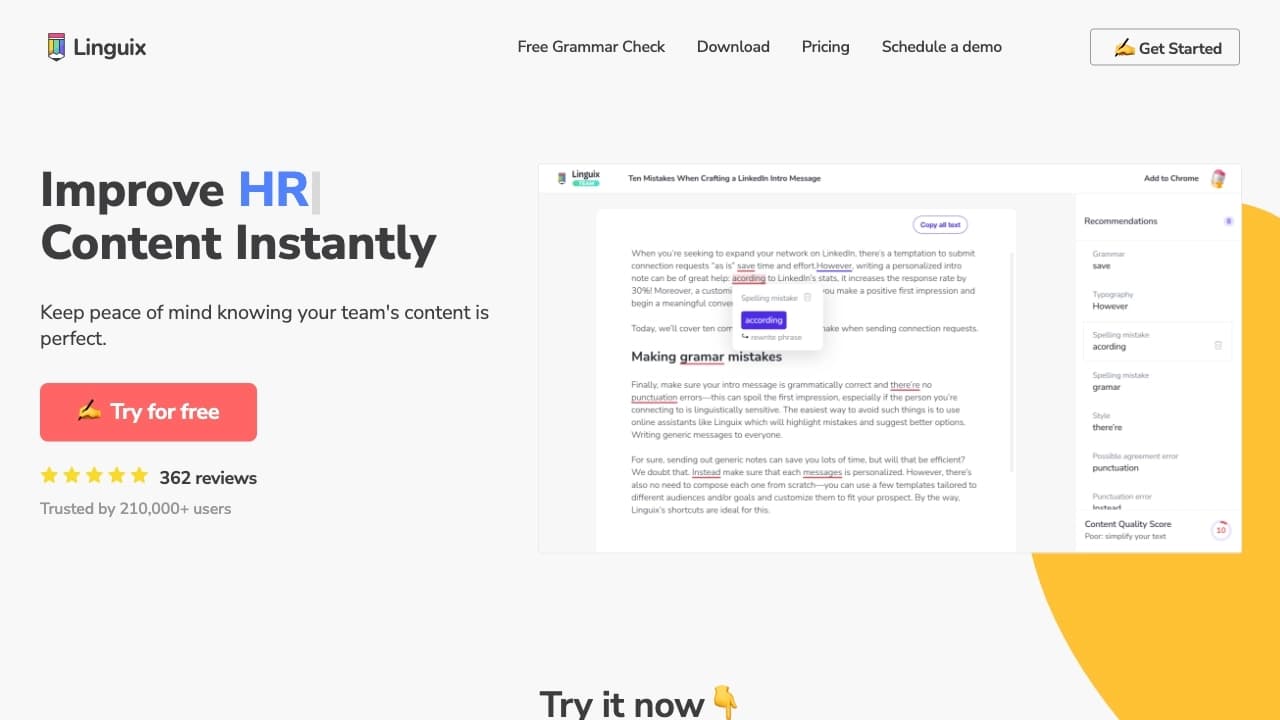

AI assistant for checking grammar, spelling, and style of English text, available as a browser extension and web editor.
Automatically extract financial data from PDF documents and convert it to Excel or CSV.
App for creating and customizing virtual AI companions with different personalities and communication styles.
AI tool for product image processing and generating professional photos with virtual models.

Project management platform with task assignment, time tracking, and employee workload monitoring features.