
Cognitive Calls
Platform for automating inbound and outbound voice calls with low-latency AI assistants.
Overview
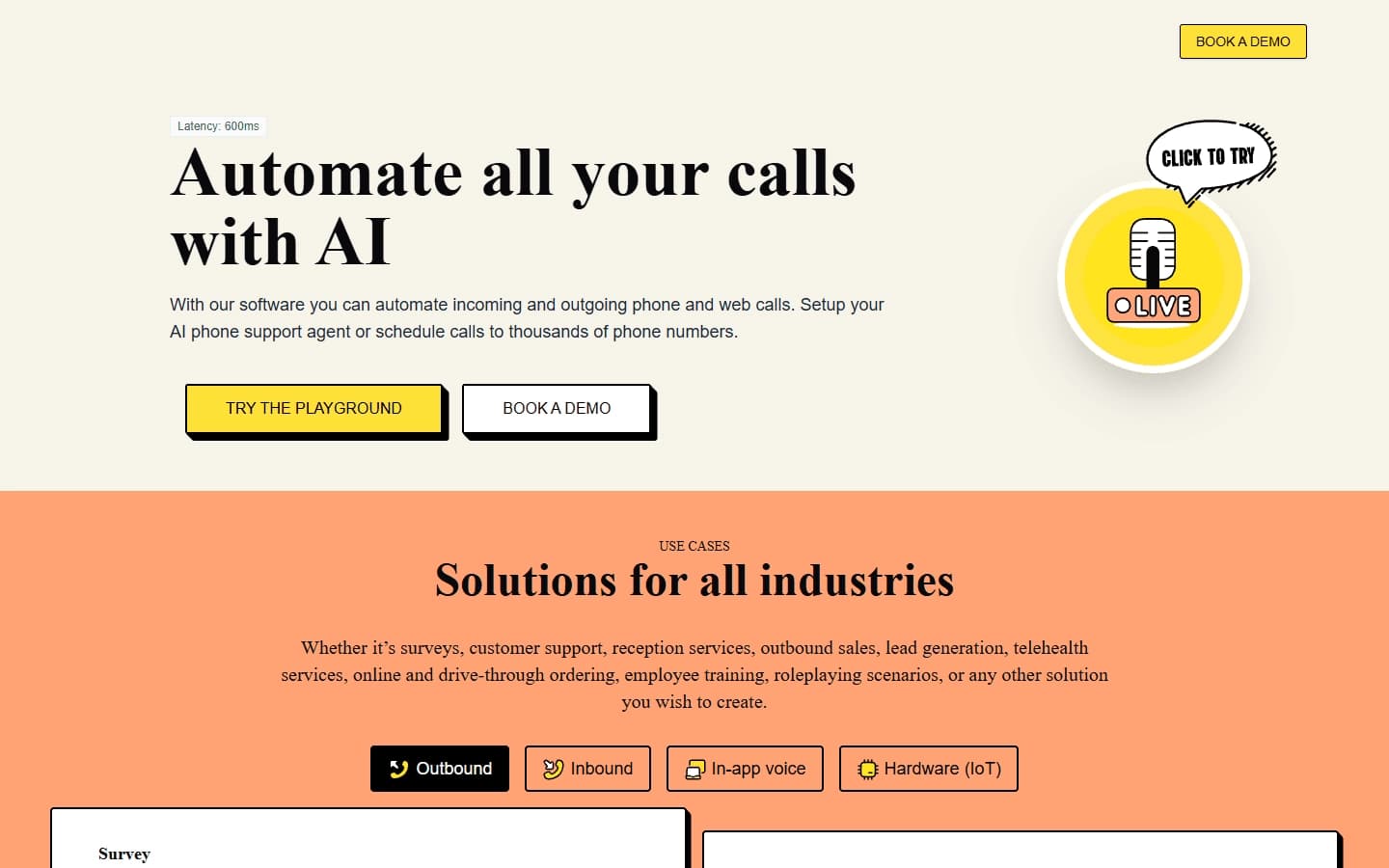
Cognitive Calls is a Voice AI platform designed to automate inbound and outbound voice calls both over the phone and through a web interface. The service allows companies to create their own voice assistants capable of conducting full-fledged dialogues with customers. A key feature of the platform is its low response latency (around 600 milliseconds), which makes communication with artificial intelligence almost indistinguishable from a conversation with a live operator.
The solution is positioned as a tool for businesses that need to handle large volumes of calls without hiring additional staff. The platform allows you to customize conversation scenarios for specific business processes and easily scale from a few test calls to mass campaigns with thousands of numbers.
Cognitive Calls Features
| Feature | Value |
|---|---|
| Type | Voice AI Platform |
| Purpose | Automation of phone and web calls |
| Response Latency | Around 600 ms |
| Categories | Call centers and calls, Voice assistants |
| Working Channels | Phone calls, web calls |
| Website | cognitivecalls.com |
Who is Cognitive Calls suitable for?
Industry Scenarios
The platform is aimed at businesses across various industries that need to automate calls. This may include companies working in customer support, telemedicine, retail (including online and drive-through order taking), education (for employee training and role-play scenarios), as well as organizations that actively use outbound calling to customer databases.
Key Users
The main users of Cognitive Calls are companies interested in automating outbound sales, lead generation, conducting surveys, and sending reminders. The solution is also suitable for organizations that need to handle a large volume of inbound calls and process them without losing service quality.
How to use Cognitive Calls?
Discovery and Testing Stage
To get started with the platform, you need to visit cognitivecalls.com. Users are offered the opportunity to test the AI agent in a dedicated playground — an environment for experimenting with dialogues. A demo access request is also available for a more detailed look at the functionality.
Integration Stage
After successful testing in the playground and obtaining demo access, the next step is integrating the assistant into the company's existing systems. The platform allows you to create scenarios for various business processes and launch mass campaigns by connecting the neural network to the current call center infrastructure.
Core Features of Cognitive Calls
Creating Voice Assistants
The platform provides tools for developing intelligent voice assistants that support live real-time dialogue. Assistants are customized for specific business tasks and can work with both inbound and outbound calls.
Automation and Integration
Key functionality includes automation of inbound and outbound calls, support for mass outbound campaigns (from hundreds to thousands of numbers), and the ability to integrate with systems already in use. This allows the platform to serve as the foundation for a scalable AI call center.
Dialogue Testing
The built-in playground is designed for testing and debugging dialogue scenarios before launching them into production. This helps improve the quality of the assistant's communication with customers.
Advantages of Cognitive Calls
Natural Communication
Low response latency (around 600 ms) ensures smooth and natural dialogue, which is critical for maintaining customer attention and successfully completing a conversation.
Flexibility of Use
The platform is suitable for a wide range of industries and scenarios — from mass outbound calls to telemedicine and employee training. This makes it a versatile tool for communication automation.
Ease of Launch
The availability of a playground and demo access allows you to quickly test the AI agent and evaluate the platform's capabilities without significant initial time investment.
Disadvantages of Cognitive Calls
Open sources do not mention any significant drawbacks of the platform. However, it should be noted that full-fledged work with mass campaigns and complex scenarios may require configuring integrations with the company's existing infrastructure, which can take some time. Accurate data on performance under peak loads and user support specifics is also absent from publicly available materials.
What tasks does Cognitive Calls solve?
Operational Tasks
The platform solves the tasks of automating customer support over the phone, handling inbound calls, conducting mass outbound calls to databases, sending reminders, and conducting surveys. This helps offload operators and reduce customer waiting times.
Commercial and Specialized Tasks
The platform automates outbound sales and lead generation, contributing to increased revenue. It also addresses specialized tasks: organizing telemedicine consultations, accepting online and drive-through orders, and conducting employee training using role-play scenarios.
Cognitive Calls Pricing
Information about the cost of using the Cognitive Calls platform is not available in open sources. It is recommended to contact the company's representatives through the official website cognitivecalls.com to obtain current pricing plans and payment terms.
Cognitive Calls Terms of Use
Detailed terms of service, including the user agreement and privacy policy, are not published in open access. To clarify the terms, you need to contact the platform team directly. It is known that demo access and the ability to test the AI agent in the playground are provided to get started.
Cognitive Calls Availability
Language Support and Regions
Official information about the number of supported languages and countries where the service is available is absent. However, given the international nature of the platform and its focus on mass outbound calls, it can be assumed that it adapts to various markets. Accurate data requires clarification from the developers.
Technical Aspects
The platform is a web service and is accessible through the official website cognitivecalls.com. To work with the service, users need a stable internet connection and a device with a modern web browser.
How Cognitive Calls differs from alternatives
The main difference between Cognitive Calls and similar solutions (such as PollyReach and RTC LEAGUE) is its stated low response latency — around 600 milliseconds. This value brings the conversation with the bot closer to natural human communication, which is especially important in phone dialogues where pauses and delays cause discomfort for the interlocutor.
In addition, the platform offers a combined approach: it supports both inbound and outbound calls, as well as web calls. Many alternatives focus on only one type of communication. Cognitive Calls also emphasizes the ability to run mass outbound campaigns, which suits companies working with large customer databases. The presence of a playground for testing and the focus on flexible scenario customization allow the platform to be adapted to the needs of a specific business.
Conclusion
Cognitive Calls is a functional Voice AI platform for automating phone and web calls, allowing you to create voice assistants for a wide range of business scenarios. The key advantage of the service is its low response latency of around 600 ms, ensuring natural dialogue. The platform is suitable for companies looking to automate customer support, mass outbound calls, surveys, sales, and other processes. Thanks to the ability to test in the playground and the availability of demo access, businesses can evaluate the solution's potential before full integration. However, exact pricing and detailed terms of use are best clarified with the developers, as they are not published in open sources.
Frequently asked questions
See also
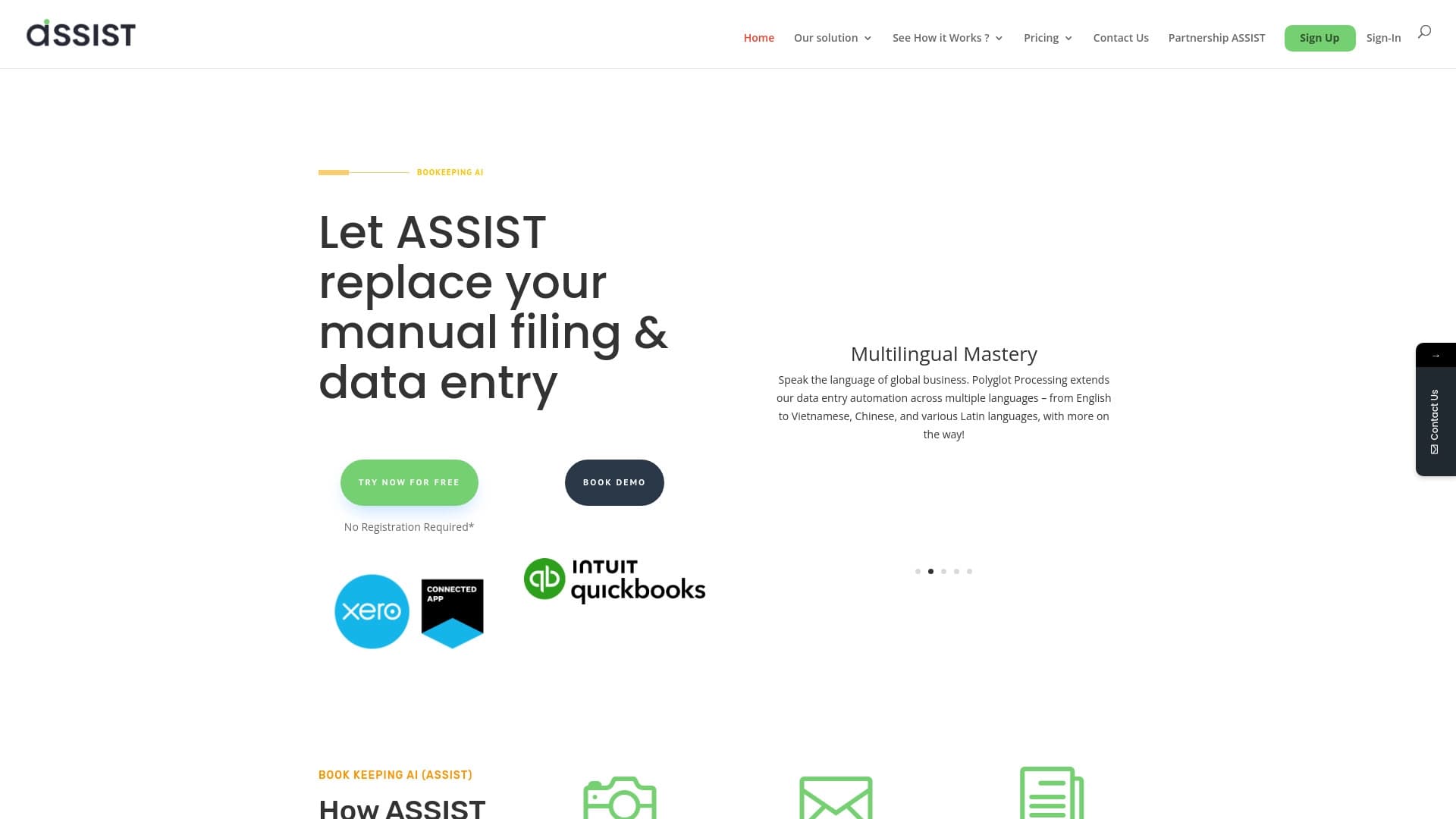

AI tool for automatic data extraction from financial documents and integration with accounting systems.
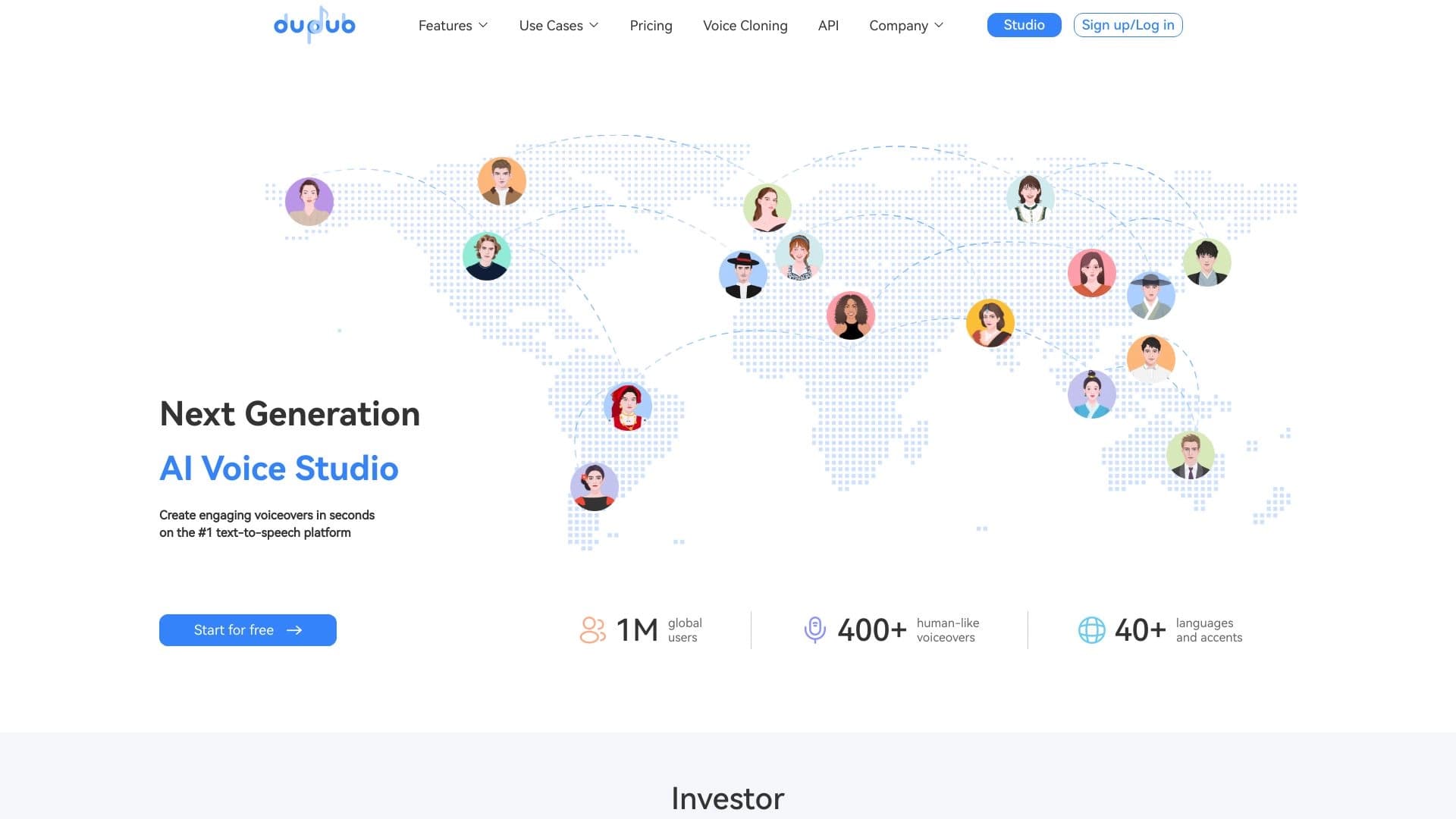
Multifunctional AI platform for content creation, combining speech synthesis, text generation, avatar creation, and video editing.
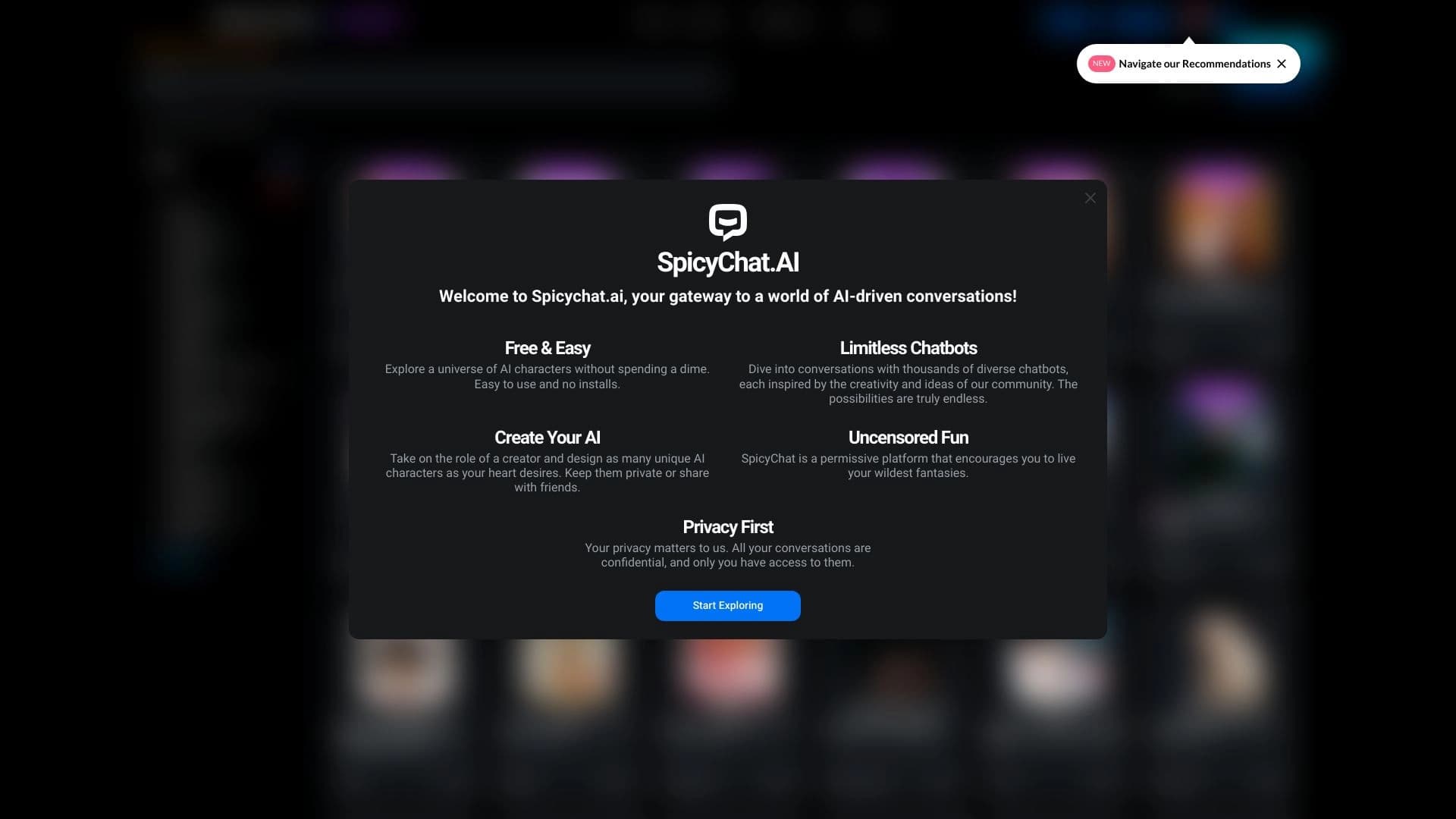

Web platform for communication and role-playing with AI characters.

AI tool for product image processing and generating professional photos with virtual models.
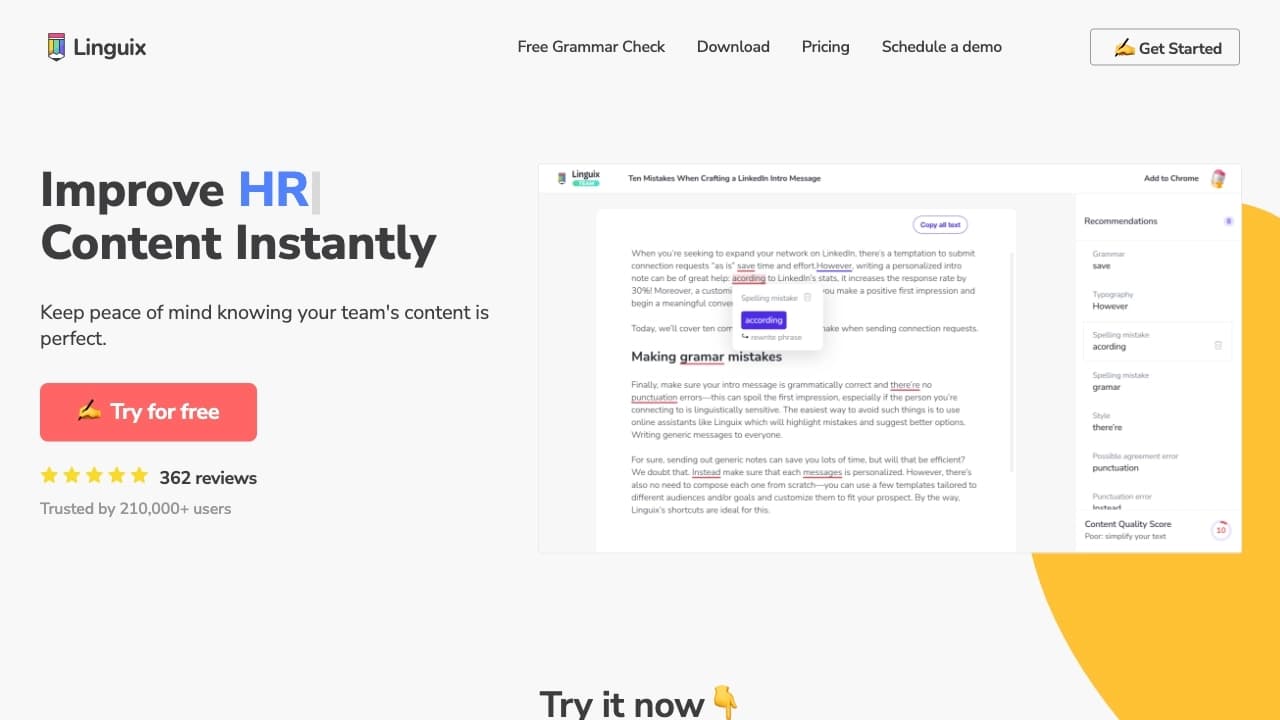

AI assistant for checking grammar, spelling, and style of English text, available as a browser extension and web editor.
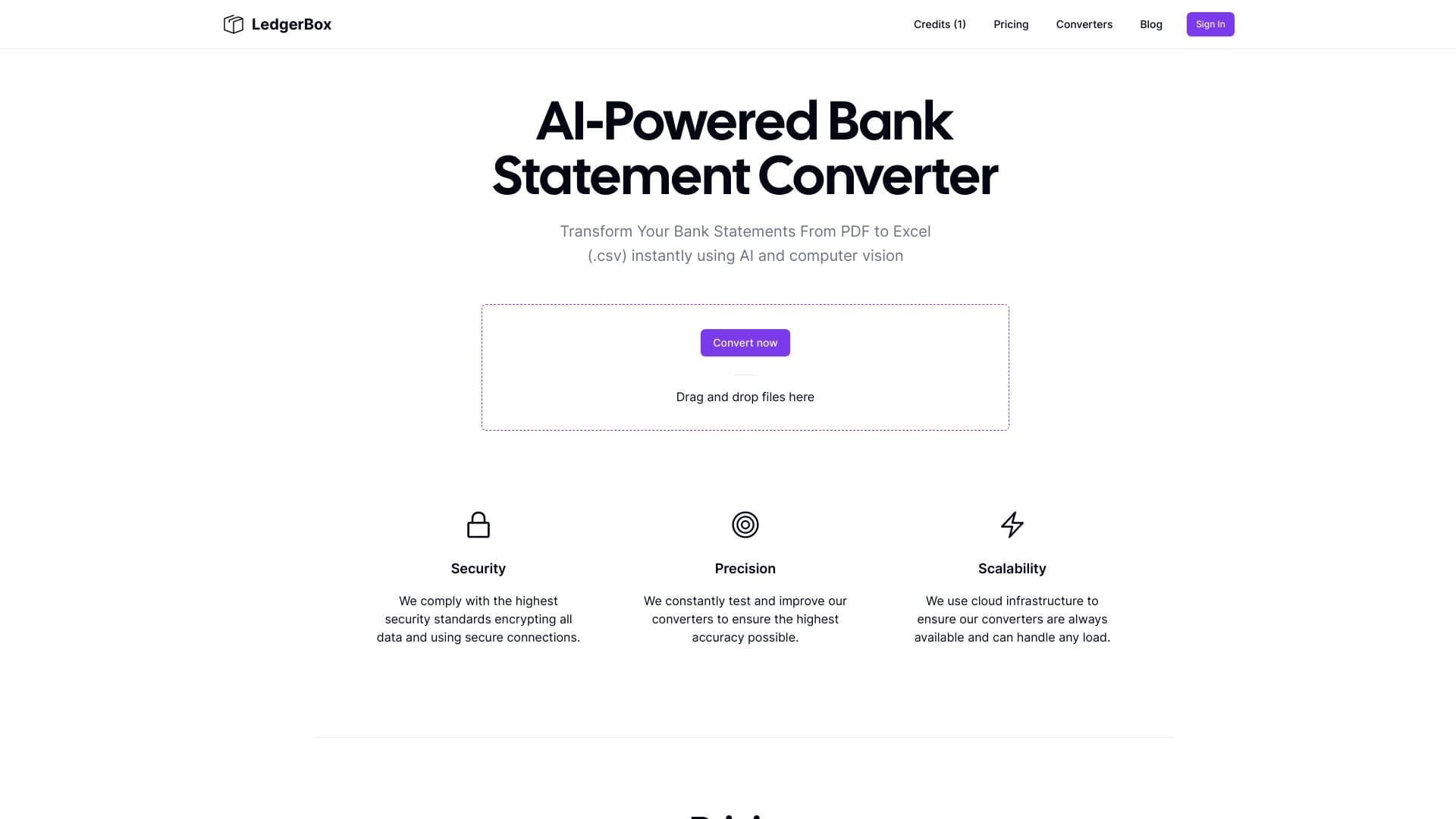
Automatically extract financial data from PDF documents and convert it to Excel or CSV.
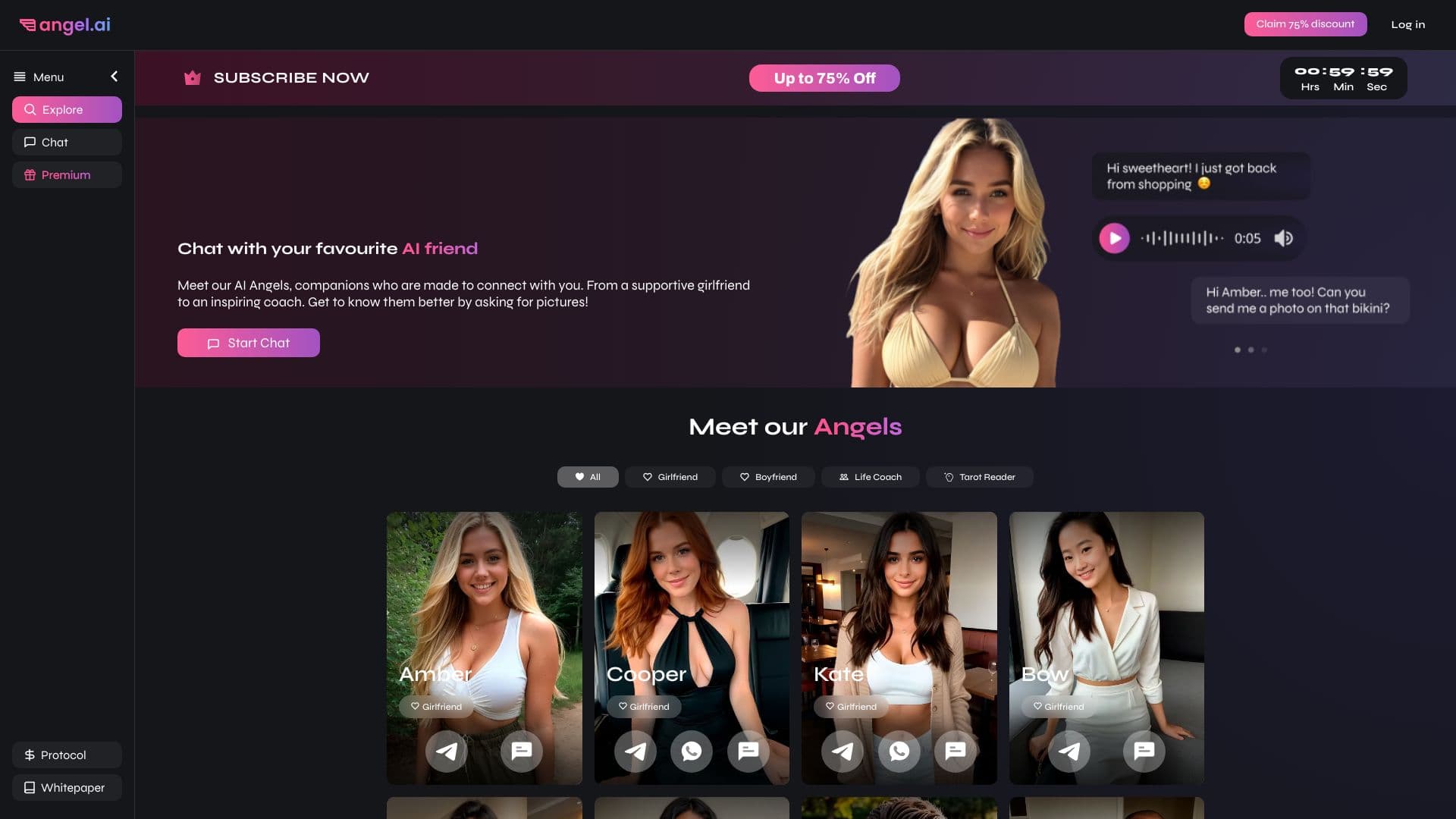
App for creating and customizing virtual AI companions with different personalities and communication styles.
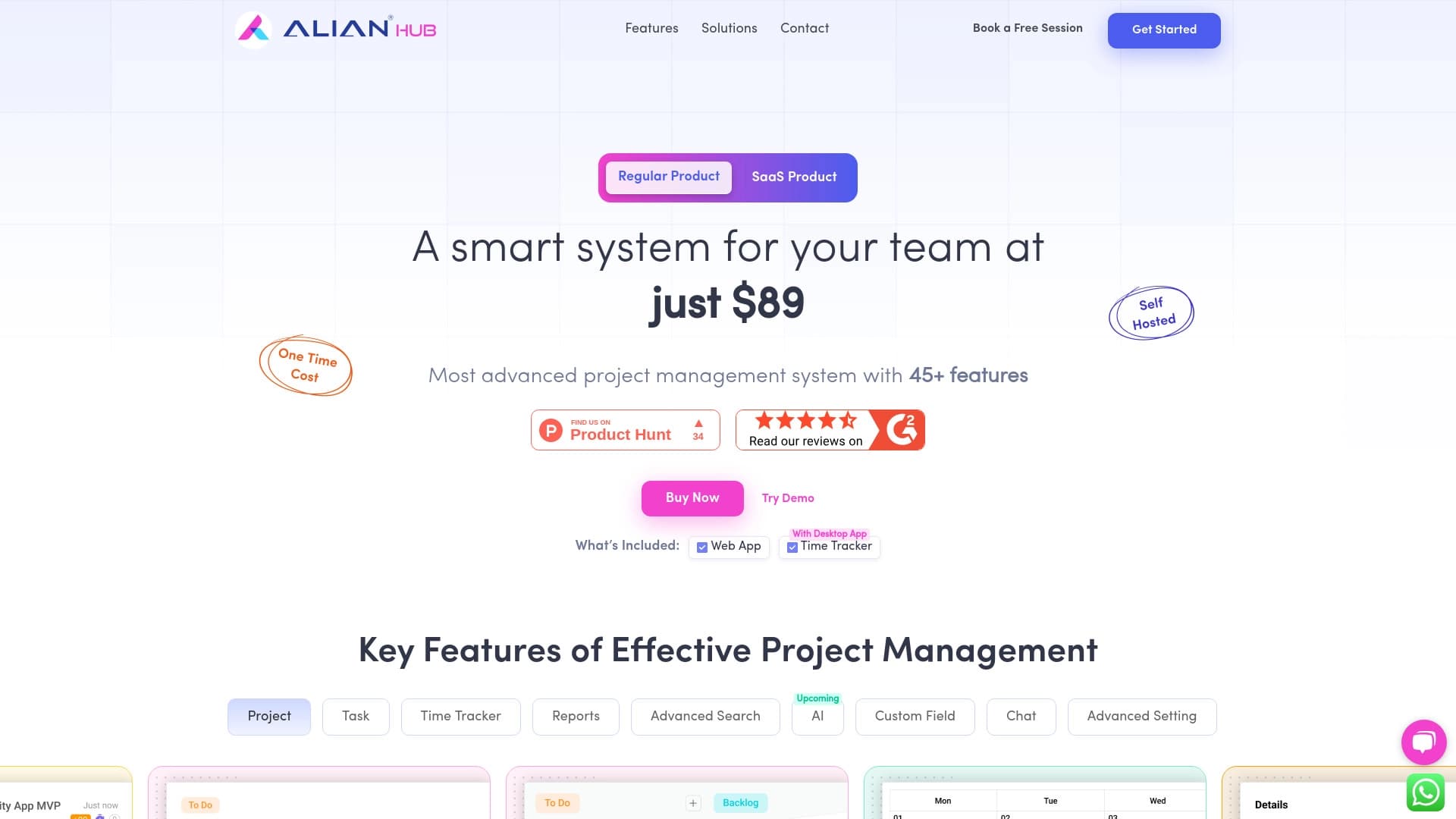

Project management platform with task assignment, time tracking, and employee workload monitoring features.