
CodeAlive
Context engine for AI agents that analyzes the entire codebase and helps developers understand architecture, find bugs, and add new entities.

Overview
CodeAlive is a contextual engine built specifically for AI agents working with software code. Its main goal is to give artificial intelligence a complete understanding of the codebase it works with. Instead of analyzing files individually, CodeAlive builds a knowledge graph of the entire project, including connections between classes, methods, modules, and even microservices. This allows the AI agent to act like an experienced developer who knows the project's architecture as a whole.
The engine answers questions about code, helps find bugs, explains the logic of individual components, and suggests how to properly add a new entity to an existing structure. CodeAlive's approach is especially valuable in large projects where standard AI tools lose context and fail to see dependencies between different parts of the system.
CodeAlive Characteristics
| Characteristic | Value |
|---|---|
| Tool Type | Developer tool |
| Business Model | Freemium |
| Pricing | From $15/month (Hobby plan) |
| Categories | Developer tools, productivity, chatbots |
| Integrations | VSCode, JetBrains IDE, GitHub, GitLab, Jira |
| Programming Languages | 100+ languages (Python, TypeScript, C++, Go, Dart, etc.) |
| First Published | 2026-05-18 |
| Last Edited | 2026-05-18 |
Who is CodeAlive for?
Developers of large projects
CodeAlive is built for those working with large and complex codebases. In such projects, AI agents often lose their train of thought or fail to see dependencies between different repositories. The tool helps developers who want to quickly understand unfamiliar code, grasp the project's architecture, and make changes confidently without fear of breaking something.
Teams of different sizes
The tool scales to meet the needs of different groups. Individual developers can use the free plan or the affordable Hobby plan to speed up their work. Small teams get the ability to establish a unified code analysis and review process. For large enterprises, an on-premises deployment option is available, which is especially important for companies with strict security and data confidentiality requirements.
How to use CodeAlive?
Connecting repositories
To get started, you need to connect your repositories through integrations with popular platforms: GitHub, GitLab, or VSCode. CodeAlive will build the project's knowledge graph and be ready to answer questions about the codebase. For those who want to try the tool without their own projects, there's an option to test it on public repositories such as Django, React, PostgreSQL, or Laravel.
Working via MCP and API
CodeAlive works through MCP (Model Context Protocol) and API, making it flexible to use. Developers can embed the engine into their existing workflows by connecting it to IDEs (VSCode, JetBrains IDE) or project management systems like Jira. For deep code analysis, a special Deep Chat mode is available, allowing users to ask complex questions and receive detailed answers based on the entire codebase.
Key Features of CodeAlive
Knowledge graph construction
CodeAlive's key feature is creating a complete knowledge graph of the project. The engine analyzes not just individual files but also the connections between classes, methods, and modules. It understands how components interact with each other, what dependencies exist between them, and how changes in one part of the code will affect others.
Multi-repository and microservices support
The tool can work with multi-repositories and sees connections between microservices, tracking module interactions via APIs. This makes it indispensable in architectures where a project is split into many services deployed across different repositories.
Code analysis and review
CodeAlive offers a Deep Chat mode for in-depth code analysis and automated code reviews that account for the specifics of a particular project. Reviews are no longer generic and abstract—they're built on the real context of the entire codebase.
CodeAlive Advantages
Speed and time savings
CodeAlive speeds up AI agents by up to 83%. Developers save up to 30% of the time previously spent on code exploration and reviews. The tool handles routine tasks, allowing specialists to focus on more important aspects of development.
Complete codebase understanding
Unlike other tools that analyze code fragmentarily, CodeAlive understands the project as a whole. It sees connections between classes, methods, and microservices, and answers questions based on the real context of the entire codebase rather than individual files. This gives developers confidence in the correctness of their decisions.
CodeAlive Limitations
It's worth noting that a full codebase analysis requires time for initial data processing. The larger the project, the longer CodeAlive takes to build the knowledge graph before work can begin. Additionally, installing the on-premises version requires your own infrastructure, which can be challenging for small teams. No direct functional limitations are mentioned in public sources, but the free plan's request limits may be insufficient for intensive daily work on large projects.
What problems does CodeAlive solve?
Understanding architecture
The tool helps quickly understand the structure of a large project: what modules exist, how they're connected, and where key components are located. This is especially useful for new developers just starting with an unfamiliar codebase.
Adding new entities and finding bugs
CodeAlive suggests how to properly add a new entity to a complex project, accounting for existing connections and dependencies. It's also effective at bug hunting: the engine analyzes code as a whole and helps identify errors that may not be obvious when looking at fragments.
Interaction analysis and faster reviews
The tool allows analyzing module interactions via APIs, which is important for microservice architectures. Additionally, CodeAlive speeds up code reviews by automating code checks with project-specific context.
CodeAlive Pricing
CodeAlive offers three pricing plans:
- Free — free plan, includes 100 requests per month and 10 deep requests. Suitable for getting familiar with the tool and small projects.
- Hobby — $15 per month for small teams. Expands limits and provides more capabilities for daily work.
- Enterprise — custom terms for large projects and organizations. Includes advanced features, including on-premises deployment and the use of custom LLMs.
CodeAlive Terms of Use
Registration on the platform is required to get started. After creating an account, the free plan is available, allowing you to test the tool's core features. To switch to paid plans or enterprise deployment, you need to contact the CodeAlive team and discuss the terms. No strict restrictions beyond the request limits in the free version are described in public sources.
CodeAlive Availability
CodeAlive integrates with popular development tools: VSCode, JetBrains IDE, GitHub, GitLab, and Jira. It supports over 100 programming languages, including Python, TypeScript, C++, Go, and Dart. The tool is available as a cloud solution, and for companies with special security requirements, an on-premises deployment option is available, allowing the use of custom LLMs and full data control.
How CodeAlive differs from alternatives
The main difference between CodeAlive and other tools is its focus on the full project context. Instead of analyzing individual files or code fragments, the engine builds a knowledge graph of the entire system, including connections between classes, methods, and microservices. It understands not only what's inside a file but also how that file interacts with other system components.
The second key difference is support for multi-repositories and microservice architecture. Many alternatives work only within a single repository, whereas CodeAlive tracks connections between services, making it possible to analyze an entire system rather than just its parts. Finally, the availability of an on-premises option with custom LLM support sets CodeAlive apart from competitors focused only on the cloud model.
Conclusion
CodeAlive is a powerful contextual engine that solves one of the main problems of modern AI agents in development: losing context when working with large codebases. By building a knowledge graph and supporting multi-repositories, the tool allows developers to understand architecture faster, find bugs, and make changes with confidence in their correctness. Flexible pricing, starting with a free plan, makes the tool accessible to both individual developers and large enterprises, while the on-premises deployment option meets corporate security requirements. CodeAlive isn't just another AI assistant for writing code—it's a full-fledged analytical engine that makes AI agents' work truly meaningful and efficient.
Frequently asked questions
See also

Unified API for accessing over 100 popular AI models for developers.


Averi is a marketing platform that brings campaign planning, content creation, and analytics together in a single interface.


Aggregator platform that brings together various AI tools and language models with pay-as-you-go pricing.
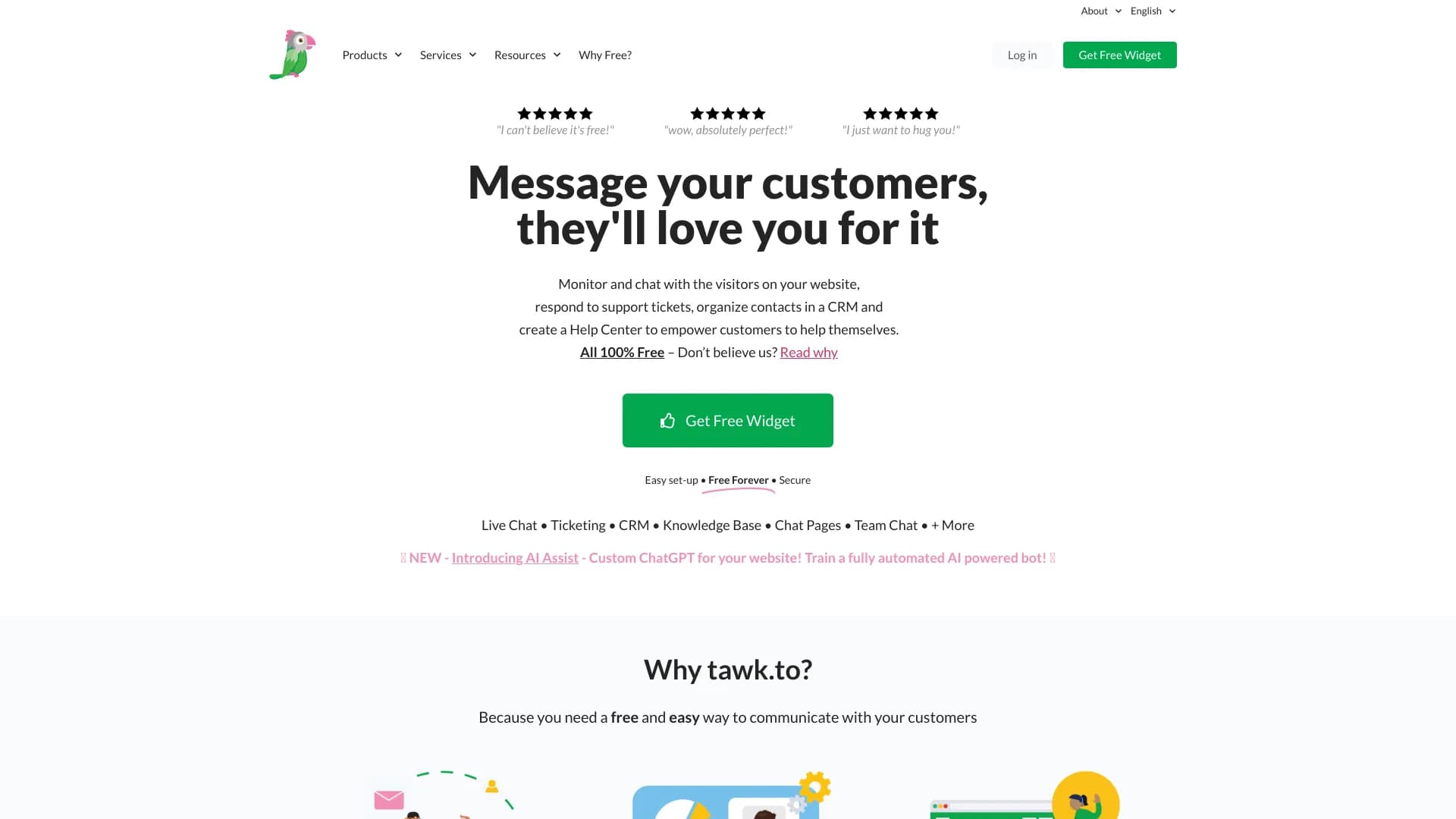

Platform for organizing live chat and communicating with website visitors, offering a free chat widget for customer support.

AI assistant for business that helps manage tasks and automate routine through dialogue.
A tool for creating diagrams and mind maps from text descriptions in natural language.


AI assistant for real-time hints during online interviews.
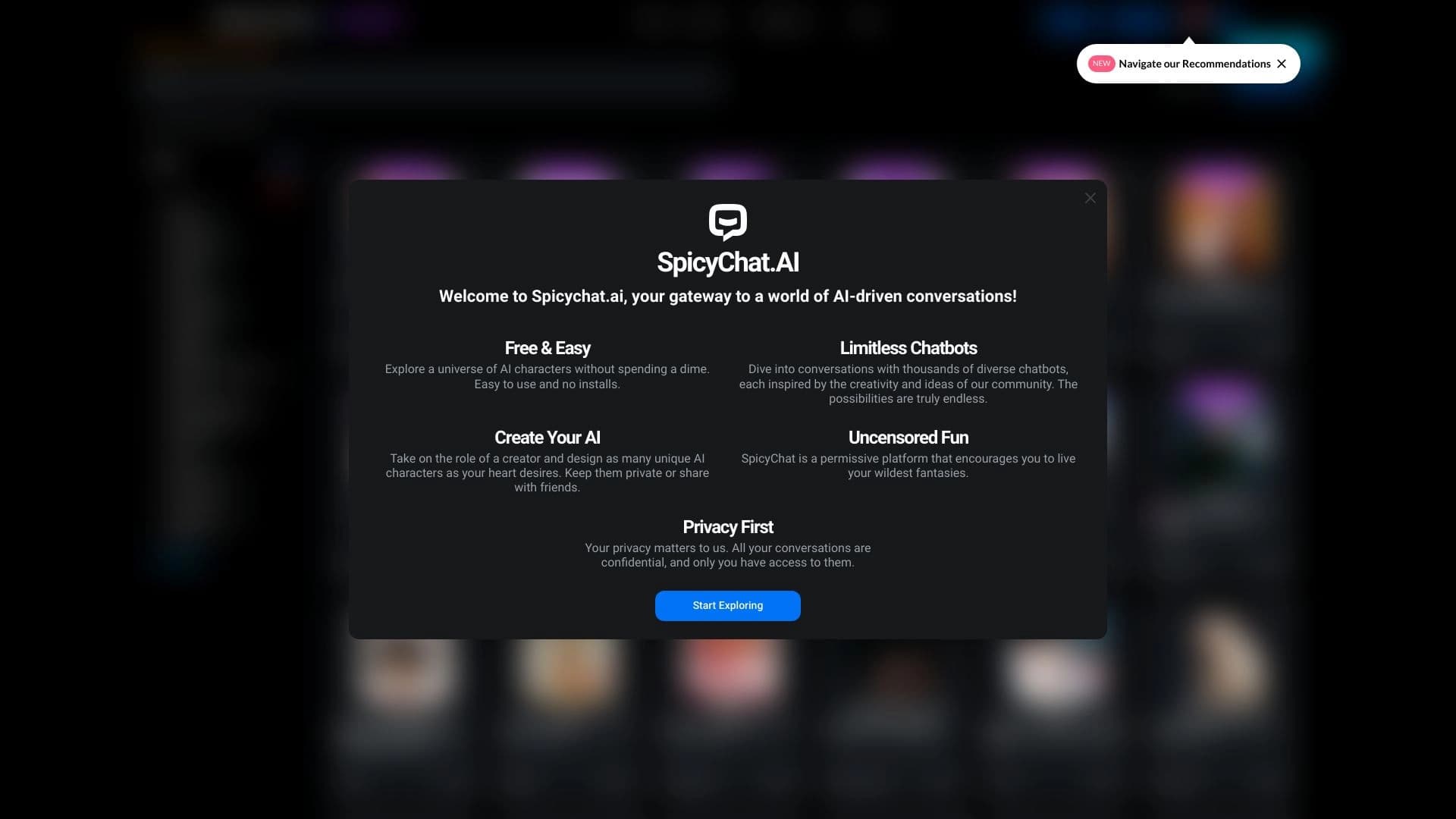

Web platform for communication and role-playing with AI characters.