
Clio
AI platform for image creation.
Overview
Clio is an AI-powered platform designed to generate images from text descriptions. Instead of relying on complex graphic editors and manual drawing, Clio offers a simple and intuitive interface: you describe what you want to see, and the neural network transforms your request into a finished image.
The tool is focused on simplifying the visual creation process as much as possible. This approach makes content creation accessible to people who don't have design skills but need high-quality images for work, study, or personal projects.
How the platform works
The platform operates by interacting with a language model that understands text and translates it into visual imagery. Users simply need to formulate a request in natural language, specifying objects, style, mood, or other details. The algorithm handles all the rest.
Target audience
Since the service requires no special training, it suits a wide range of people: from marketers creating illustrations for presentations to everyday users who want unique images for social media posts.
Clio Features
| Feature | Description |
|---|---|
| Purpose | Generates images from text prompts |
| Platform | Web-based service (browser access) |
| Core principle | Converts text descriptions into graphic files |
| Target users | Designers, marketers, content creators, general users |
| Required skill level | No professional graphics expertise needed |
| Interaction method | Text commands (prompts) |
Specific technical parameters, such as output image resolution, supported file formats, or generation speed, are not disclosed in public sources. Only the core focus is known: an AI platform for image creation.
Who is Clio for?
Clio is designed for anyone who needs visual content quickly without diving into complex software. The lack of installation requirements and the absence of layers and masks to master make the platform beginner-friendly.
Content professionals
Marketers, SMM managers, and copywriters can use Clio to create illustrations for articles, posts, or ad banners. The service helps visualize ideas without waiting for an artist.
Creative professionals
Designers can use Clio during the reference-gathering or moodboard creation phase. Rapid generation of multiple variations allows exploring different stylistic directions before starting the main work.
General users
People running blogs, creating greeting cards, avatars, or simply experimenting with neural networks will also find Clio a convenient tool for bringing their creative ideas to life.
How to use Clio
The service interface is built around a simple logic: send a request, get a result. The entire interaction process consists of a few sequential steps.
Formulating a request
Users need to enter a text description of the desired image into a dedicated field. It's important to describe the content clearly and in detail: what should be in the picture, in what style, and which colors to use. The more precise the description, the higher the chance of getting a relevant result.
Receiving and evaluating the result
After processing the request, the neural network returns a finished image. Users can evaluate the result, adjust the description if needed, and generate a new version. The exact workflow depends on the specific version of the service, but the general "request-response" principle remains.
Key features of Clio
The tool's functionality mainly comes down to two key aspects stated in the platform's description.
Text-to-image generation
The core of the service is converting text descriptions into graphic files. The model analyzes the input data and synthesizes a new image that fully matches the description.
Simplifying content creation
Clio acts as an automated assistant. The platform takes over routine tasks like searching stock images or creating complex vector illustrations, delivering unique content on demand in minimal time.
Other features, such as editing existing images, working with layers, or restyling finished pictures, are not mentioned in available data.
Clio advantages
The key advantage of the service is the high speed of getting a visual result. Users no longer need to search for suitable photos on stock sites or commission illustrations from freelancers.
Accessible to non-specialists
Working with Clio doesn't require learning complex graphics software. Being able to describe what you want in words is enough. This opens up visual creativity to everyone.
Content quality
Modern generation algorithms produce detailed and aesthetically pleasing images that can be used in commercial or personal projects.
Clio disadvantages
Unfortunately, information about the platform is limited, so compiling a full list of potential drawbacks is difficult. However, some objective limitations typical of such services can be highlighted.
Dependence on prompt quality
The generation result heavily depends on how accurately and thoroughly the user formulates their request. Vague descriptions can lead to unexpected or irrelevant results.
Lack of detailed information
Public sources don't provide data on technical limitations: daily generation limits, maximum image resolution, or commercial usage rights for generated images. This lack of transparency may be a deterrent for some professionals.
What problems does Clio solve?
The main task Clio addresses is creating an image "from scratch" based on an abstract text description. The platform acts as a bridge between a person's idea and its visual realization.
Quick visual prototyping
A marketer who urgently needs to show a sample ad layout can use Clio to generate a suitable image in a couple of minutes. This speeds up concept approval with clients.
Solving the blank page problem
When there's no ready-made idea or finding a reference is difficult, you can simply describe the desired mood or atmosphere of the future work to the neural network. Clio will present several variations on that theme, which can serve as a starting point for creativity.
Clio pricing
No exact information about the platform's pricing is available in the provided sources. Whether the service is freemium needs to be clarified on the project's official website.
It's likely that several pricing tiers exist (for example, a free plan with limitations and paid plans with extended functionality), but this is only a guess, not based on facts.
Clio terms of use
Detailed terms of use, including licensing rules for generated images and privacy policy, are not disclosed in available information.
When deciding whether to use the service, it's important to review the official documentation and user agreement on the developer's website yourself. Special attention should be paid to commercial usage rights for the created images.
Clio availability
Currently, only browser-based access is officially confirmed. The platform is positioned as an online service that doesn't require installation on a local computer.
Whether mobile apps or other clients are available remains unknown. The current availability depends on the specific product version.
How Clio differs from alternatives
Clio's difference can be defined only within its own concept: it emphasizes maximum simplicity and speed. While many advanced editors require parameter tuning, model selection, and fine adjustments, Clio offers a clean and fast image creation experience based on a simple command.
It's worth noting that a full comparison with competitors (Midjourney, Stable Diffusion, or DALL-E) is impossible without data on the technical stack, performance, and output quality. Each of these platforms has its own algorithms, styles, and pricing policies. However, Clio's general positioning as an "image creation platform" without an emphasis on complex settings makes it potentially more beginner-friendly.
Conclusion
Clio is a next-generation tool for obtaining visual content. It acts as a translator between user text and images, making the process of creating pictures fast and understandable even without special skills. Despite the limited official data, the platform's core message is clear: remove the barrier between an idea and its visualization by providing users with a convenient and technologically advanced mechanism for bringing their boldest concepts to life.
Frequently asked questions
See also


Platform for increasing organic traffic and creating content with the help of AI and expert participation.
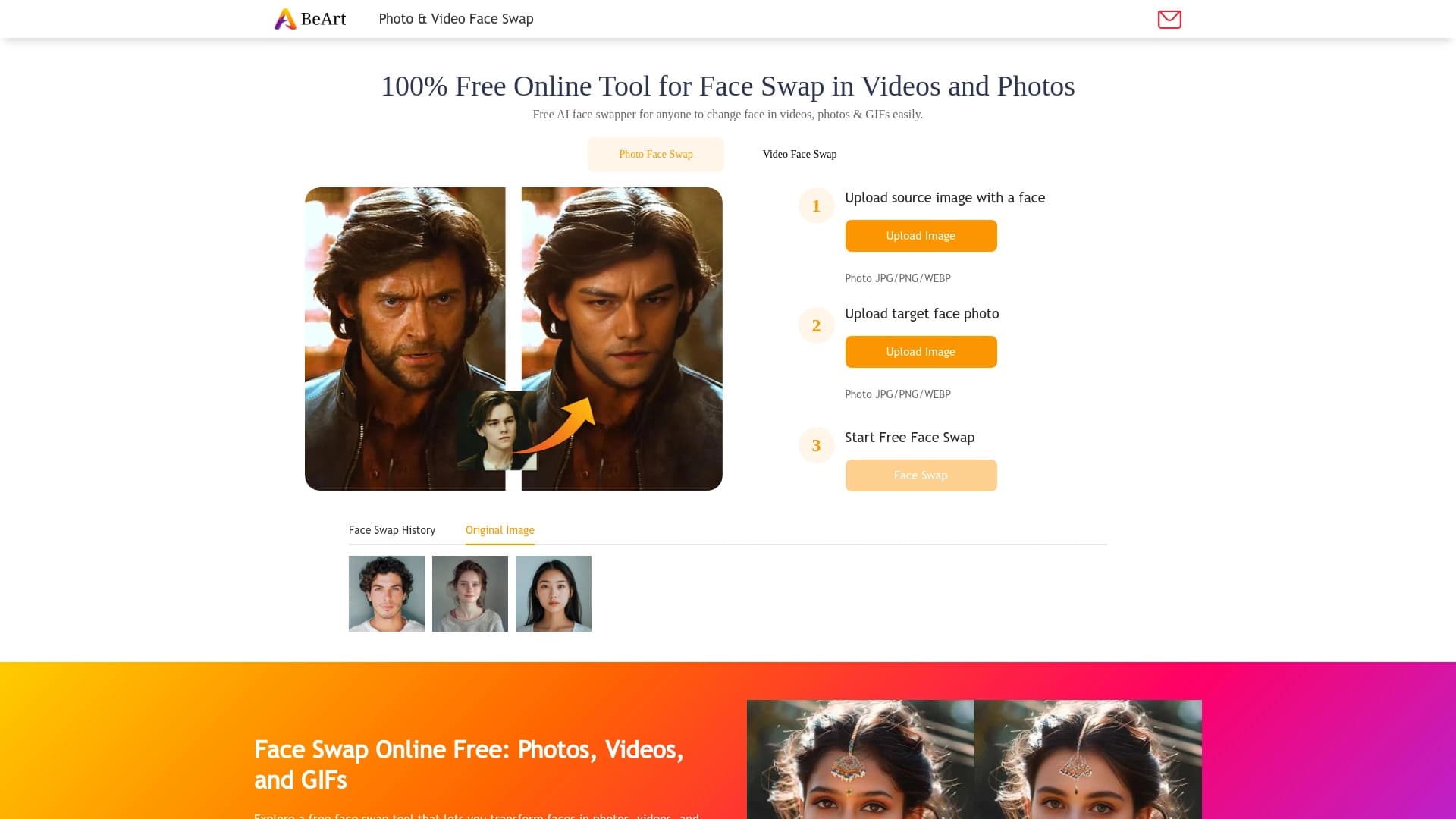
Online tool for swapping faces in photos, videos, and GIFs without registration or watermarks.

AI-powered service for automatically creating “faceless” short videos for TikTok, YouTube Shorts, and other platforms.

AI toolkit for video generation and editing, including avatars, lip-sync, and voice cloning.
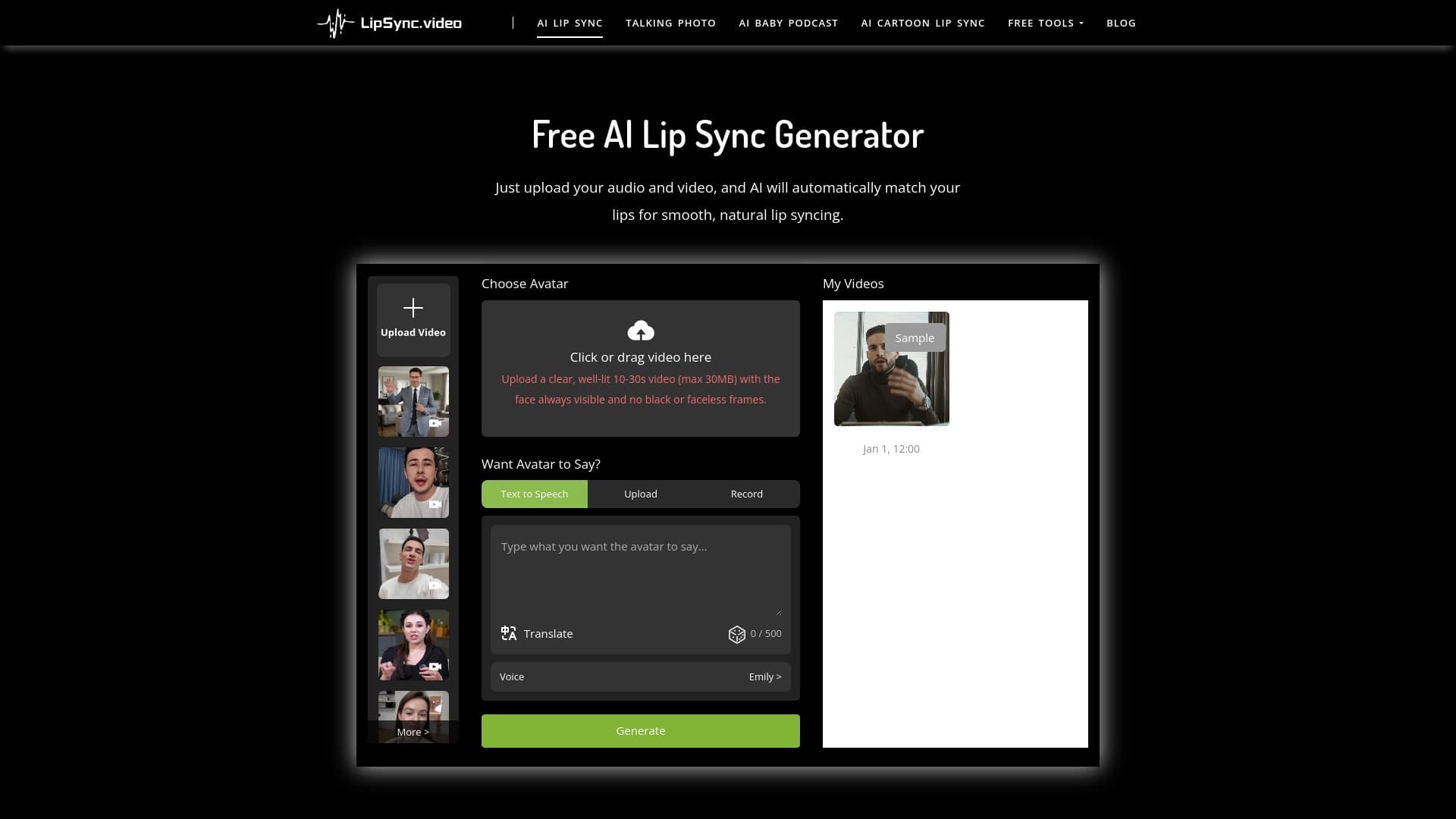

Service for turning static images into videos with singing and lip-syncing using AI.
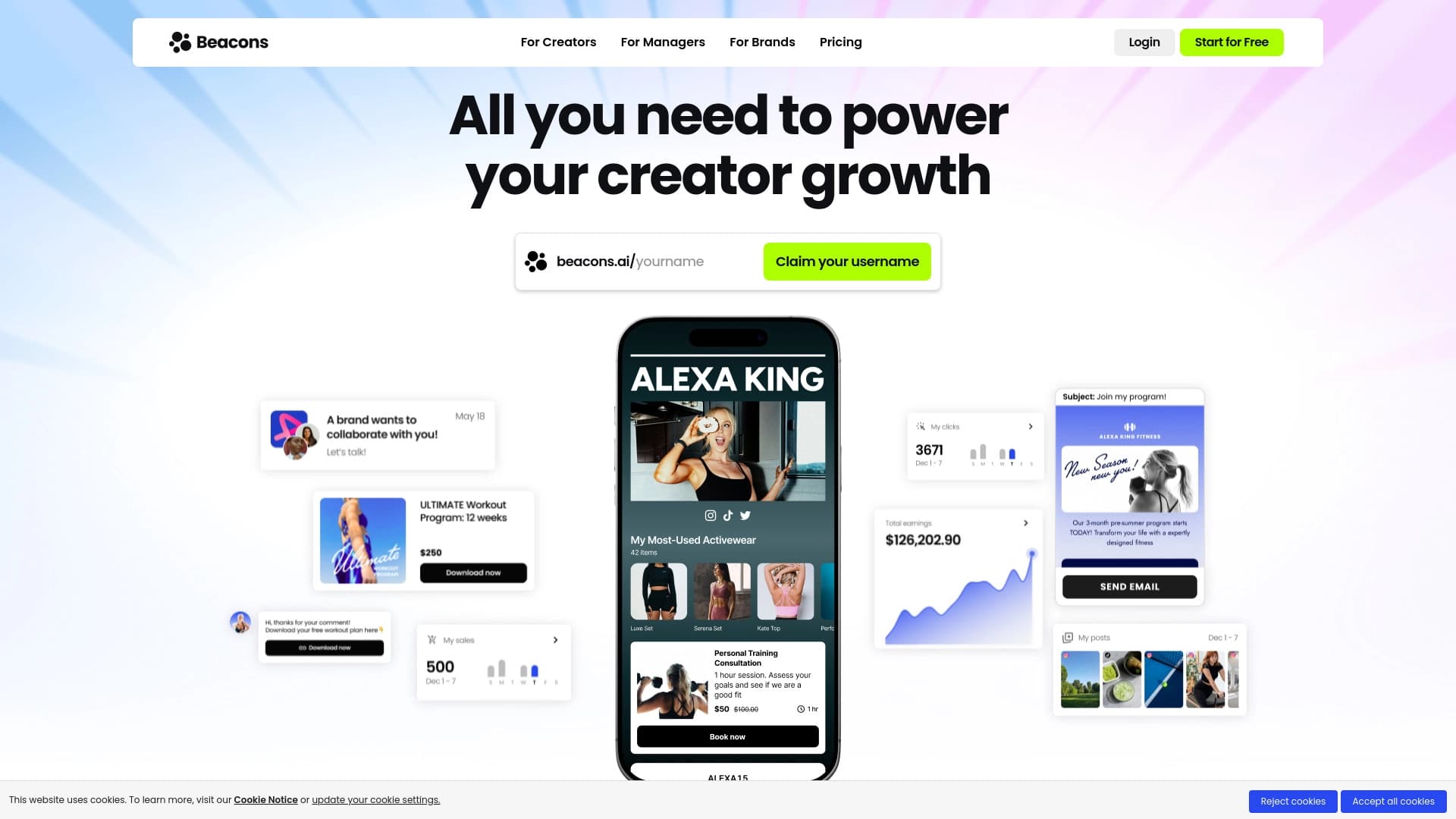
A platform for content creators that combines link management, email marketing, an online store, and analytics in a single visual editor without coding.
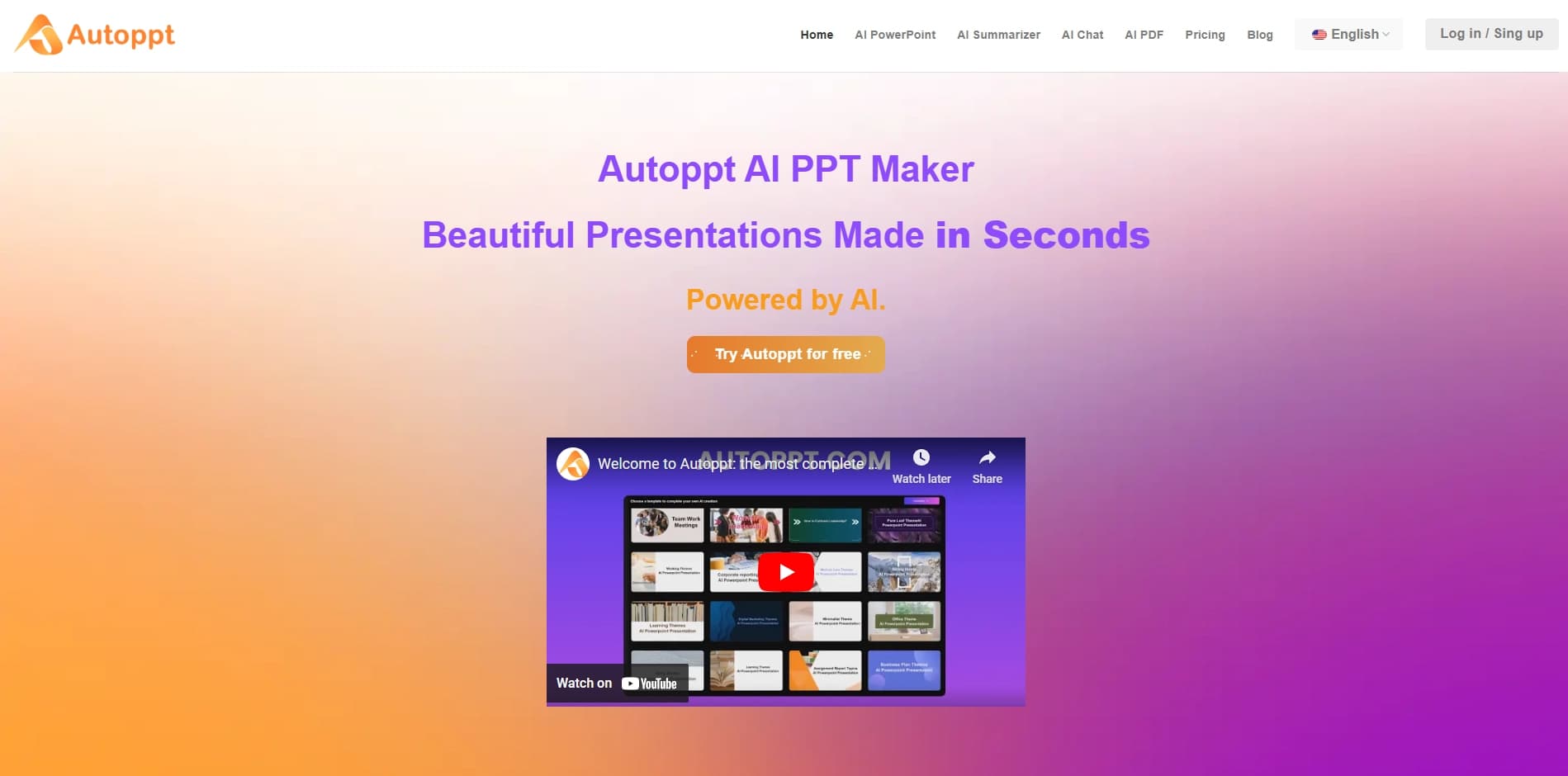

Online AI-powered service for quickly creating presentations based on a given topic or an uploaded document.

Mobile app for photo editing and creating stylized avatars using AI.