
Cheshire Cat AI
Framework for building AI assistants and chatbots trained on your own documents with integration with external APIs.
Overview
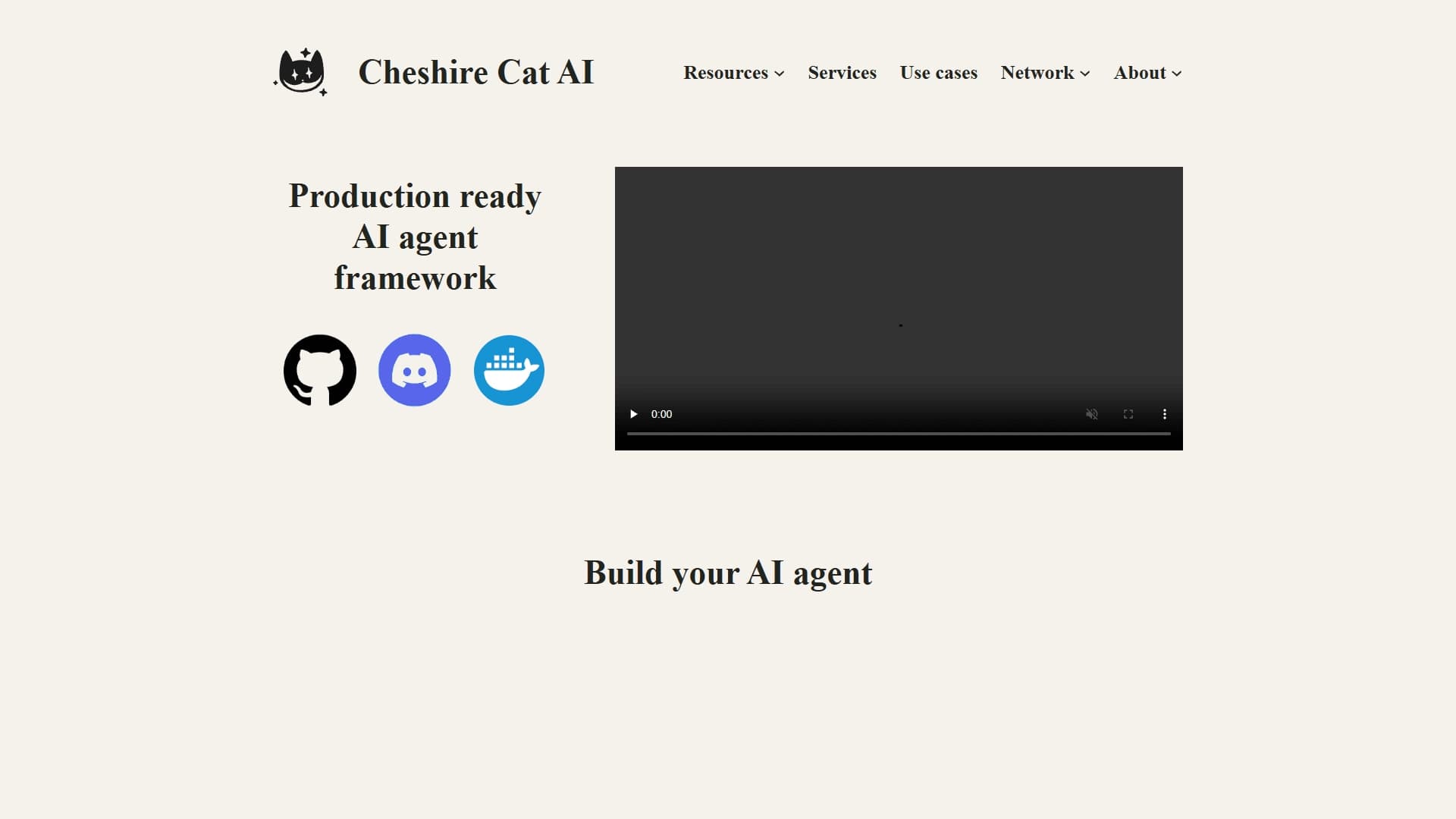
Cheshire Cat AI is an open-source software framework designed for creating, running, and scaling AI agents and chatbots. The platform allows developers to build conversational systems that understand user content and business logic. Unlike ready-made messenger bots or closed SaaS solutions, Cheshire Cat AI provides full control over the assistant's architecture and its integration into existing IT infrastructure.
The core idea of the framework is to give developers the ability to quickly train assistants on their own documents, such as PDF, TXT, Markdown, JSON, and web pages, without having to build complex infrastructure from scratch. The platform supports connections to external APIs and flexible configuration through plugins, making it suitable for creating both simple corporate assistants and complex multitasking AI systems.
Cheshire Cat AI Features
Below are the platform's key technical and functional characteristics, compiled from available public sources.
| Feature | Value |
|---|---|
| Type | Framework for AI agents |
| Categories | API and integrations, No-code and Low-code platforms |
| Key functions | Training on data (PDF, TXT, Markdown, JSON, web pages); connection to external APIs; support for commercial and open-source LLMs (language models) and embeddings; full Dockerization with live reload; extension via plugins; advanced conversational capabilities (hooks, tools, forms) |
| Target audience | Developers who need a flexible and reliable framework for AI agents |
| Website | cheshirecat.ai |
| Data publication date | December 31, 2025 |
Who is Cheshire Cat AI suitable for?
Developers and technical specialists
The platform is primarily aimed at developers who need a flexible and reliable framework for building AI agents. It is not a ready-made service for end users, but a tool for assembling your own solutions. If your task is to create a chatbot with unique logic, integrate it into a complex system, or implement non-standard communication scenarios, Cheshire Cat AI provides the necessary tools for this.
Teams working with data
Thanks to the ability to train the model on your own documents and web pages, the framework will be useful for teams that want to create an assistant that understands their internal documentation, knowledge bases, or specific industry materials. This eliminates the need to use universal bots that do not understand the context of a particular business.
How to use Cheshire Cat AI?
Cheshire Cat AI is a framework for developers, so using it involves working with code, environment configuration, and integrations. Full information about the installation process is available on the project's official website. The general approach includes several key stages.
Installation and environment setup
The platform is fully Dockerized, which simplifies deployment. The developer needs to install Docker and download the Cheshire Cat AI image. The system supports "live reload," allowing changes to the assistant's code without restarting the entire container—this speeds up the development and testing process.
Training on data and integrations
After launching the platform, you need to upload training documents in supported formats (PDF, TXT, Markdown, and others). Next, you configure the connection to the selected language model (LLM) and the vector database for embeddings. The final step is connecting external APIs if the assistant needs to interact with other applications or services.
Extending functionality
Plugins are used to implement complex logic. They can be downloaded from the community registry or written as custom Python modules. Plugins allow you to add hooks (event interception), tools (for function calling), and forms for data collection, providing almost unlimited flexibility in building conversational scenarios.
Key features of Cheshire Cat AI
Training on your own data
The platform supports uploading documents in various formats: PDF, TXT, Markdown, JSON, as well as direct indexing of web pages. This allows you to create an assistant that answers questions based on information relevant to your organization, rather than on the model's general knowledge.
Integration with external services
Cheshire Cat AI can connect to external APIs and applications. This means the assistant can not only answer questions but also perform actions: send data to a CRM, retrieve information from databases, order products, and interact with other systems within a defined business logic.
Extension via plugins and support for various LLMs
The framework supports both commercial and open-source language models and embeddings, giving you a choice depending on budget and security requirements. Extending functionality through plugins from the community registry or custom modules allows you to adapt the platform to specific tasks. Advanced dialogue management mechanisms are also available: hooks for event interception, tools for function calling, and forms for structured data collection.
Advantages of Cheshire Cat AI
One of the platform's main advantages is the ability to quickly build, launch, and scale intelligent assistants. Instead of writing a large amount of code from scratch, the developer gets a ready-made framework with basic functionality that can be extended as needed.
Another significant advantage is the ease of connecting to external APIs. This makes it easy to embed the assistant into an existing application ecosystem and automate workflows. The flexibility in choosing models (open-source and commercial) provides additional freedom and allows you to balance cost, performance, and data privacy requirements.
Disadvantages of Cheshire Cat AI
Based on available information, no obvious disadvantages of the platform have been identified. However, it is worth noting that Cheshire Cat AI is a tool for developers. It requires technical knowledge for installation, configuration, and maintenance. Unlike ready-made solutions with intuitive interfaces, using this framework involves writing code and managing infrastructure, which may create a barrier to entry for users without programming experience. The distribution model and licensing policy need to be clarified on the project's official website.
What problems does Cheshire Cat AI solve?
The framework is designed for creating production-ready AI agents that are ready for use in real projects. This is the main task the platform solves.
In addition, Cheshire Cat AI allows you to build chatbots and assistants that deeply understand your content and business logic. This is achieved through training on your own documents and the ability to customize behavior. The platform also allows you to implement complex communication scenarios using hooks, tools, and forms, making it suitable for creating advanced conversational interfaces.
Cheshire Cat AI Pricing
Pricing information is absent from most available reviews. For up-to-date data on costs, the availability of free tiers, or an open license, you need to visit the project's official website at cheshirecat.ai.
Cheshire Cat AI Terms of Use
Detailed terms of use, the license agreement, and the framework's distribution rules have not been published in the analyzed sources. It is recommended to review the official documentation at cheshirecat.ai to obtain complete information about operating and licensing terms.
Cheshire Cat AI Availability
The project's website is cheshirecat.ai. The page does not indicate any regional restrictions or the need to use a VPN to access the service or documentation.
How Cheshire Cat AI differs from alternatives
The main difference between Cheshire Cat AI and many similar solutions lies in its positioning. It is not just a chatbot builder, but a full-fledged framework for developers, focused on creating production-ready systems. While many platforms offer limited customization within their products, Cheshire Cat AI provides full control over code and architecture.
The key difference is the focus on integration and extensibility. The ability to connect any external APIs and write custom plugins to implement almost any logic sets it apart from simpler Low-code solutions. It is also worth noting the support for a wide range of language models—from commercial to open-source—which gives developers a freedom of choice unavailable in closed ecosystems.
Conclusion
Cheshire Cat AI is a powerful and flexible framework for developers who want to create, launch, and scale AI agents for real projects. The platform stands out for its ability to train on your own data, ease of integration with external APIs, and extensibility through plugins. It is an optimal solution for teams that need control over assistant logic and the ability to embed it into complex technical infrastructures. Thanks to support for various language models and full Dockerization, Cheshire Cat AI provides a reliable foundation for building everything from simple chatbots to high-load conversational systems.
Frequently asked questions
See also
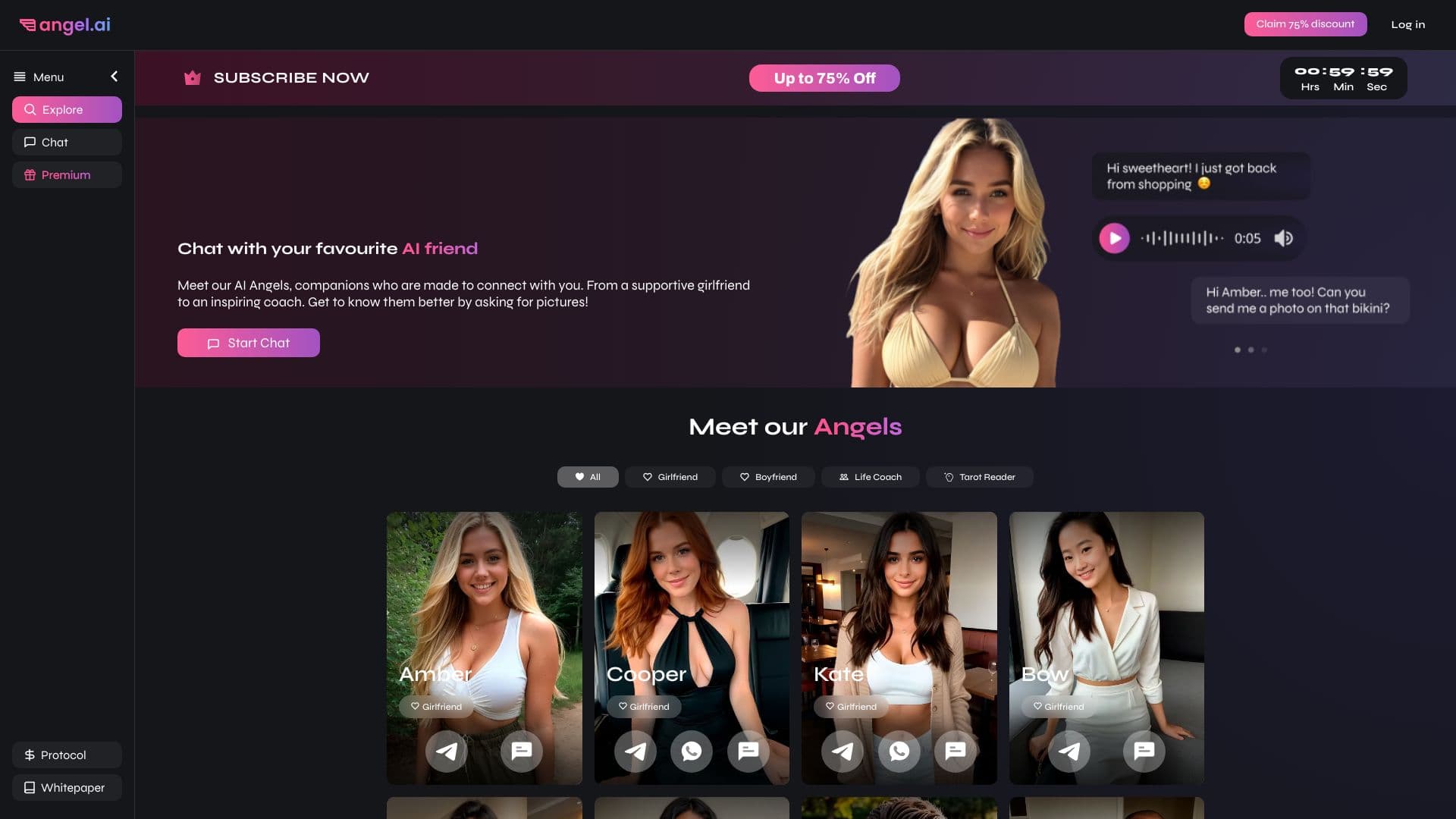
App for creating and customizing virtual AI companions with different personalities and communication styles.
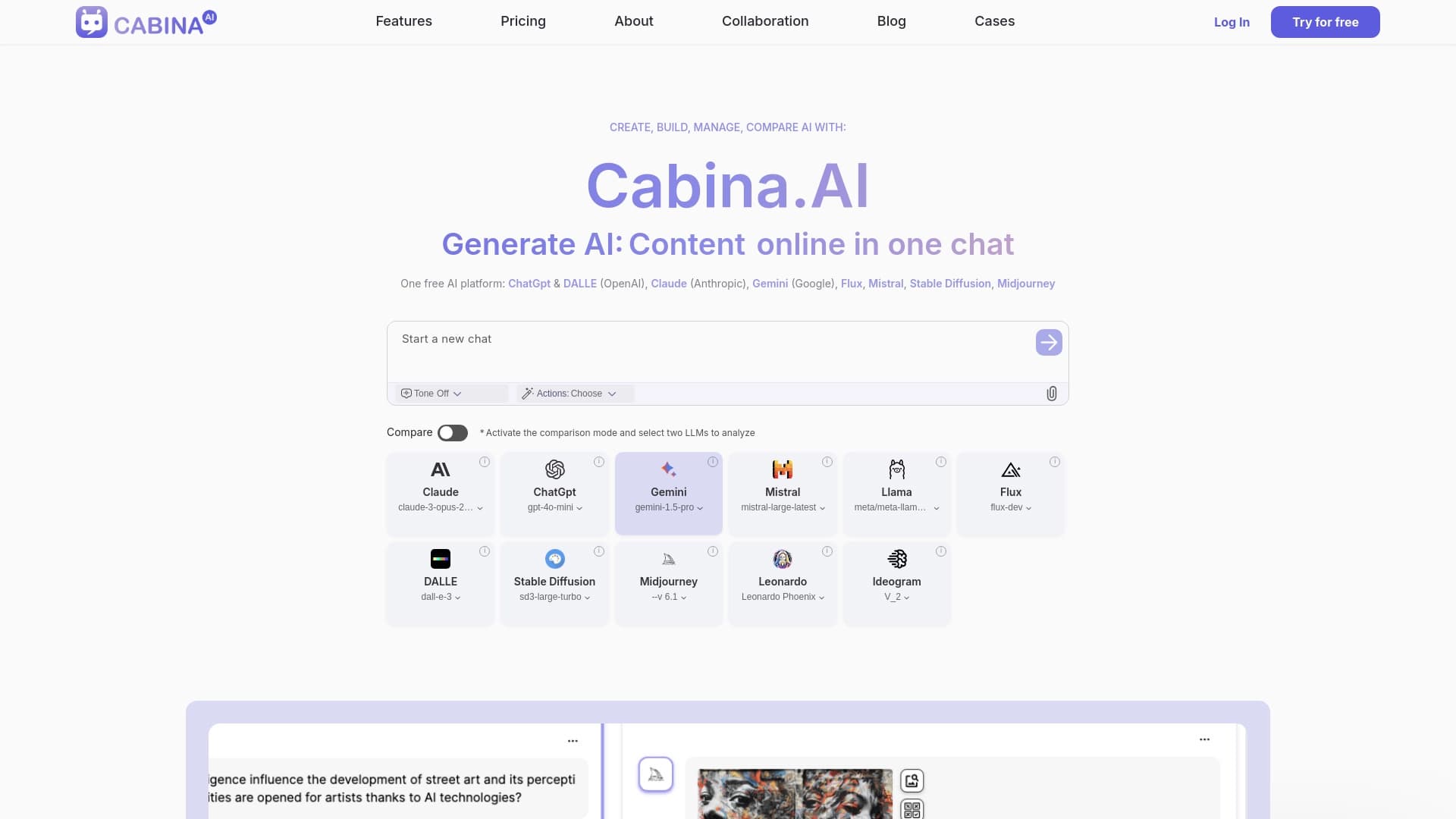
Cabina AI is a unified platform for working with various generative neural networks, enabling you to create texts, images, and videos.

AI agent for automating customer communications and support.
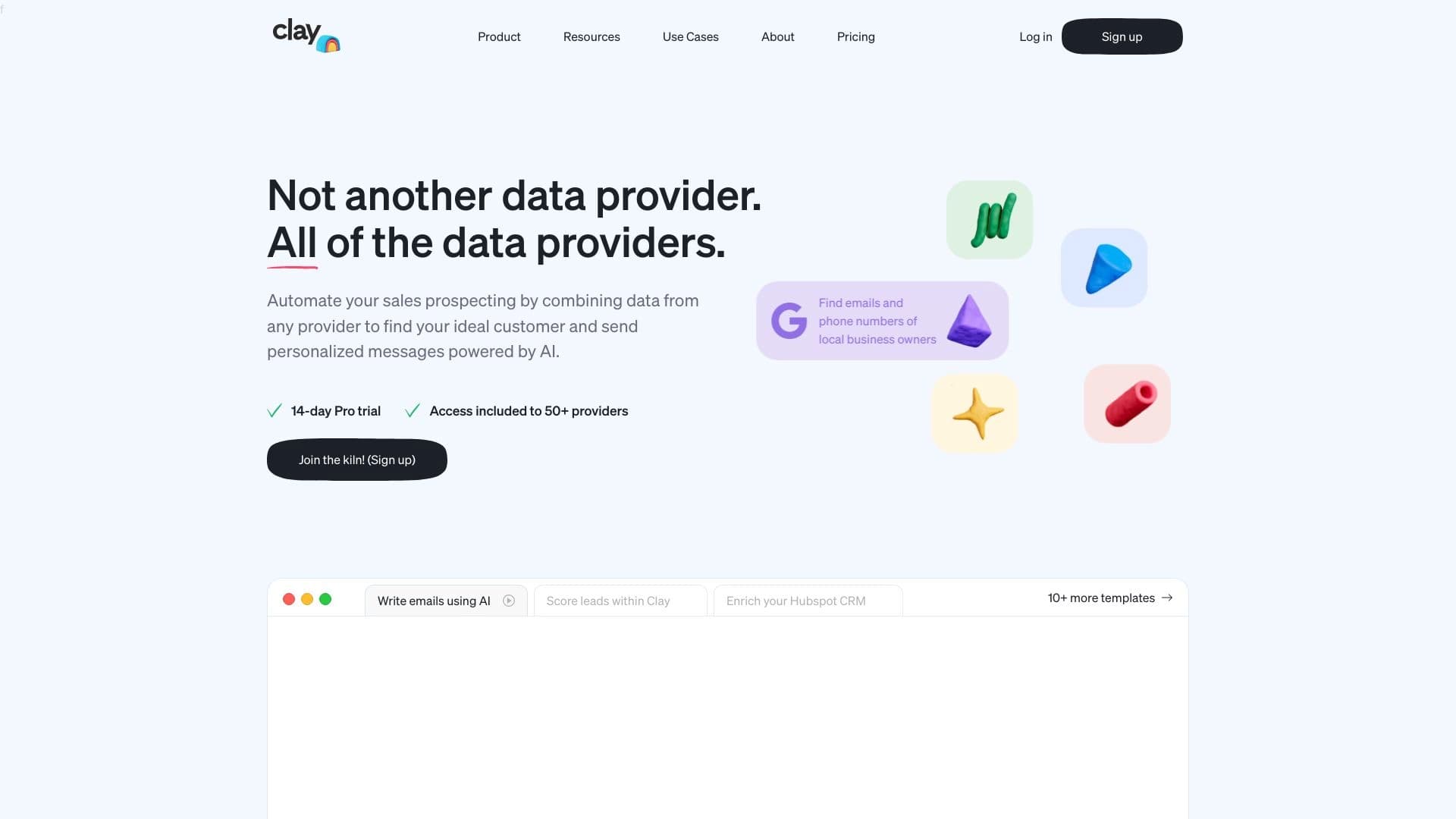

Platform for automating client acquisition and personalized email campaigns with data enrichment from over 150 sources.
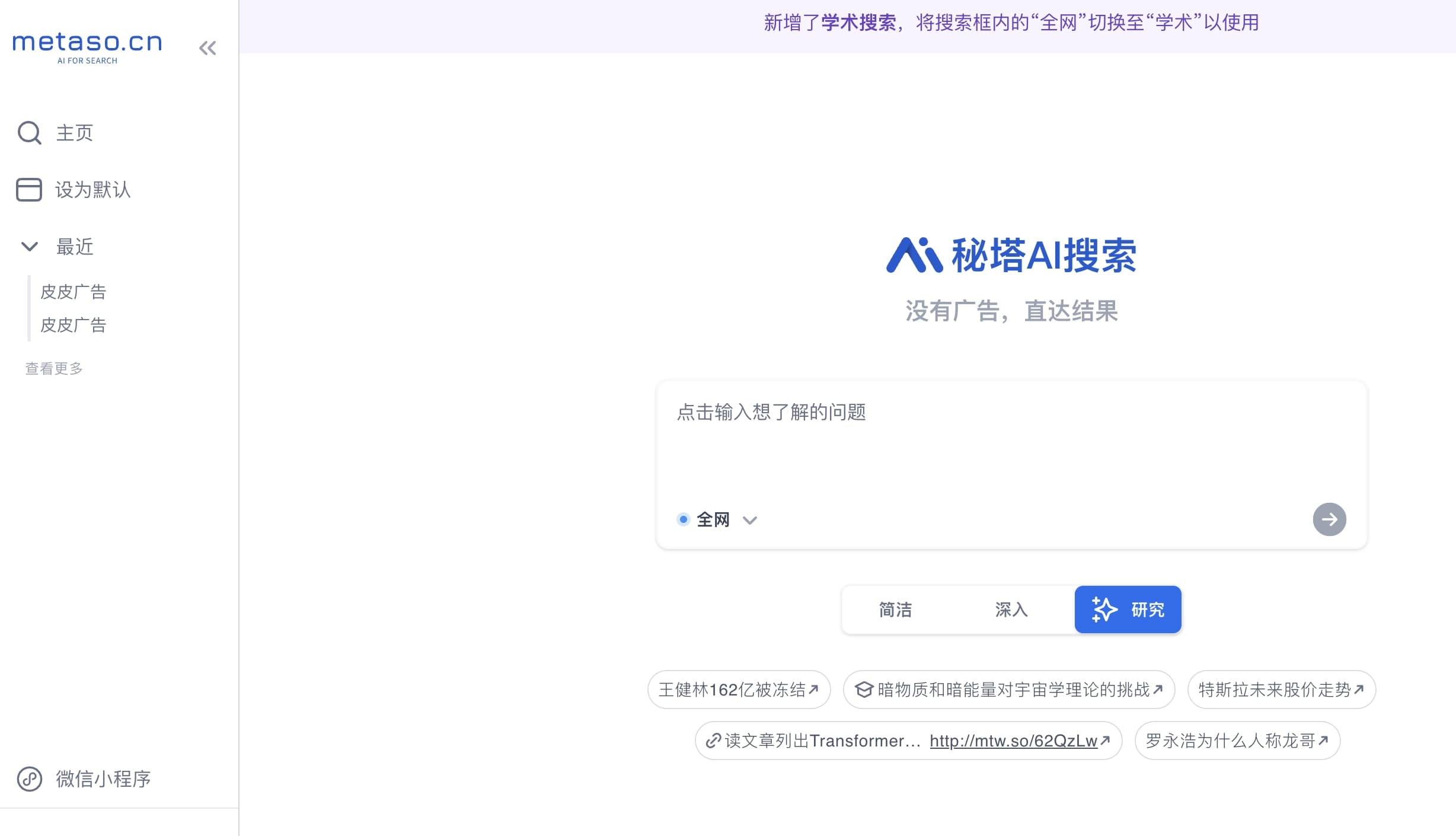
Yandex's multimodal voice assistant powered by the YandexGPT neural network that answers questions, generates texts and images, analyzes files, and controls the smart home.
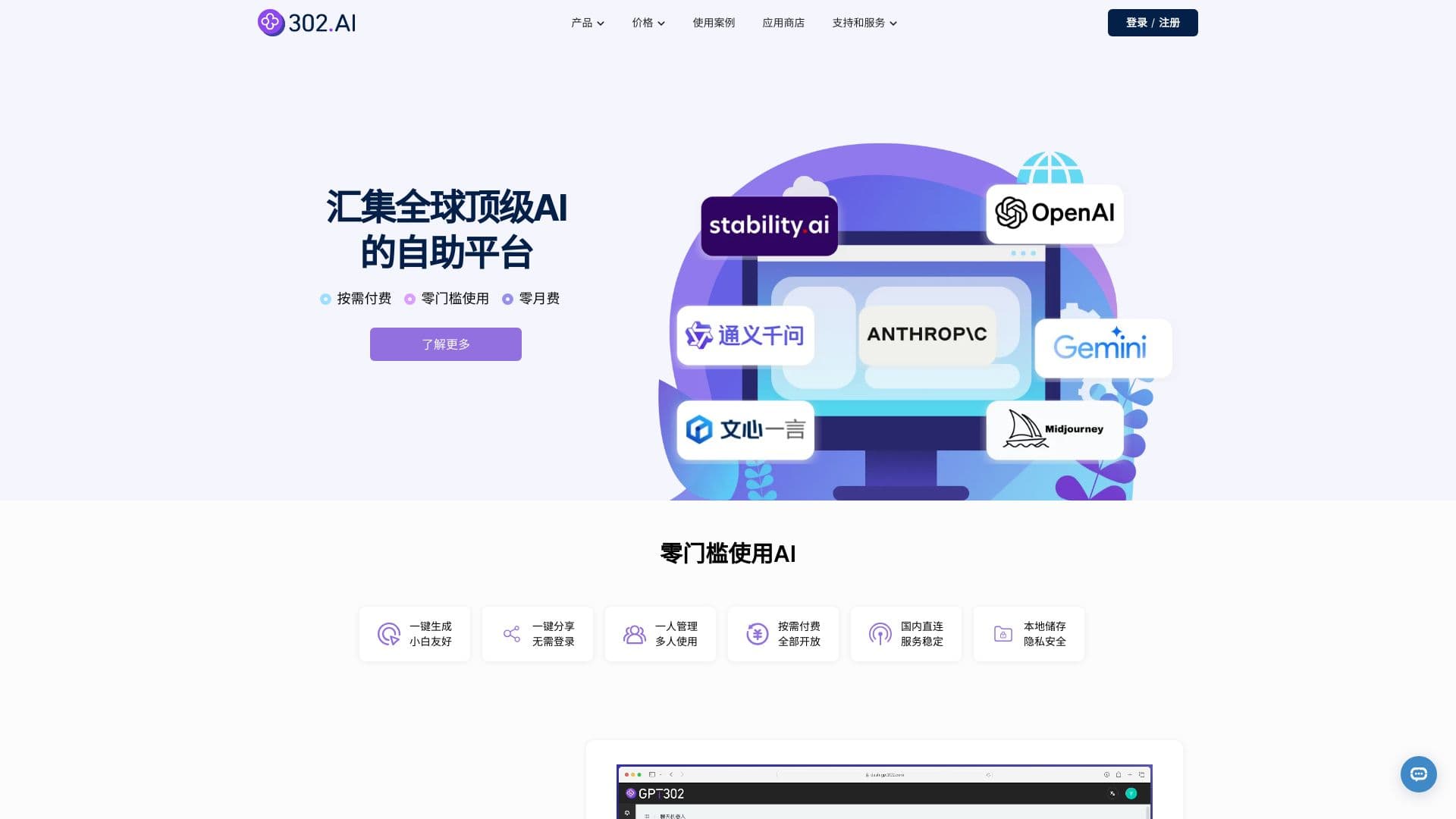

Aggregator platform that brings together various AI tools and language models with pay-as-you-go pricing.
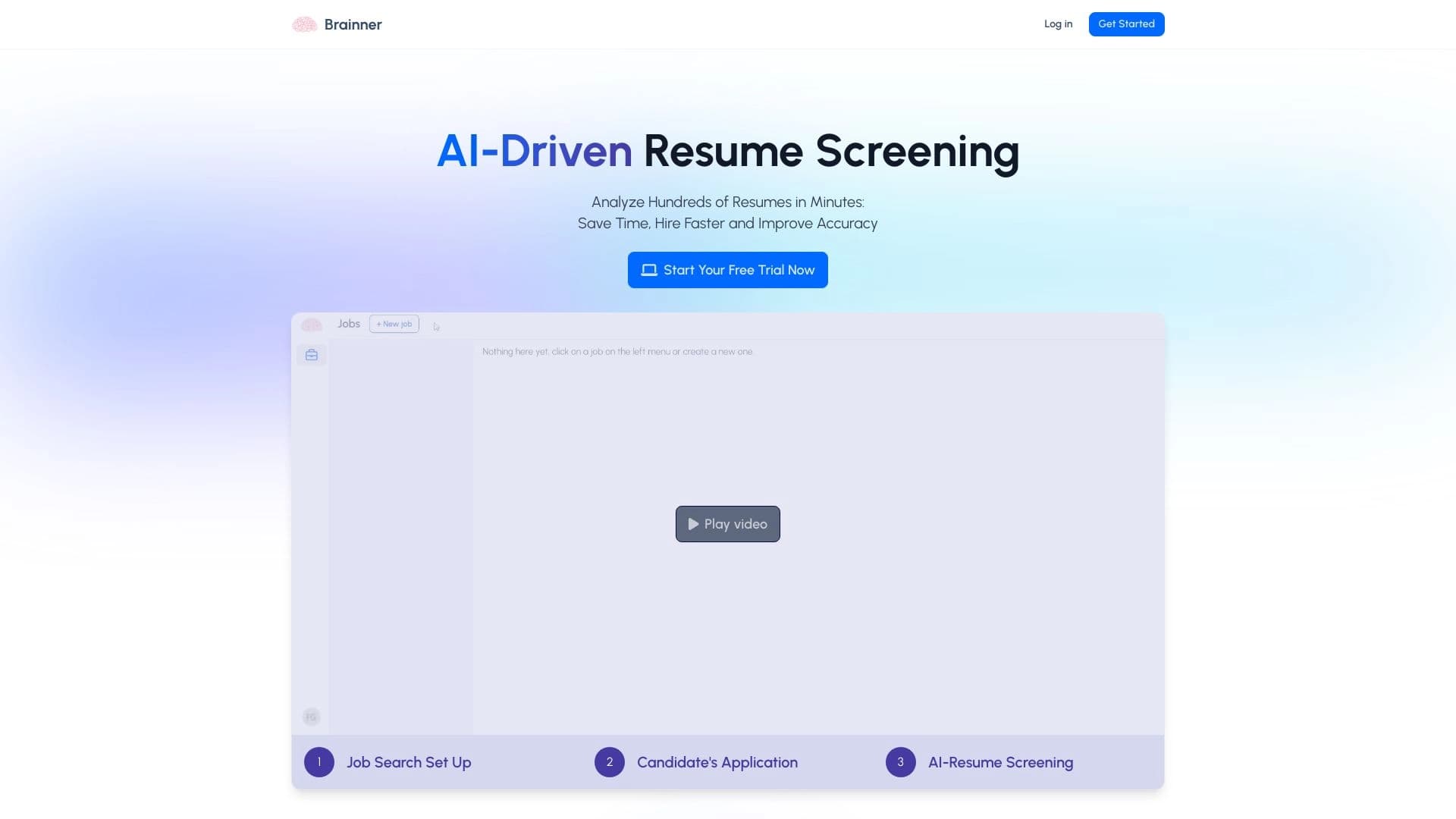
AI platform for fast resume screening that helps recruiters select suitable candidates.

Web platform for communication and role-playing with AI characters.