

ChatFlowchart
AI tool for creating editable flowcharts from text descriptions, images, or documents.

Overview
ChatFlowchart is a specialized AI tool that automates the process of creating flowcharts. Instead of manually drawing diagram elements, the user provides the neural network with source material: a text description of a process, a screenshot of an existing diagram, or a document with a procedure. The tool analyzes the input data and generates a structured, editable flowchart.
The key feature is that the final result is not a static image. The generated diagram can be modified: blocks can be moved, connections adjusted, and elements added or removed. This makes the tool practical for use in real workflows — from preparing presentations to formatting technical documentation. ChatFlowchart is suitable for creating both simple sequence-of-actions diagrams and more complex visualizations, including user journeys and state diagrams.
ChatFlowchart Characteristics
| Characteristic | Value |
|---|---|
| Type | AI tool for flowchart generation |
| Category | Diagrams and charts, Visual boards and collaboration, Maps and diagrams |
| Platforms | Website |
| Input data | Text, images, documents |
| Output format | Editable flowchart with export capability |
| Catalog publication date | May 2, 2026 |
Who is ChatFlowchart suitable for?
Analysts and process managers
Specialists working with procedures and business processes can use ChatFlowchart to quickly convert text descriptions into clear algorithms. Instead of spending a long time manually building a diagram in a professional editor, it is enough to upload a text procedure, and the neural network will propose a structured diagram.
Product teams and UX researchers
To visualize user interaction scenarios with a product (user journey), the tool allows quickly assembling a customer journey map based on a text scenario. A state diagram, in turn, helps describe states and transitions between them in the application logic.
Documentation and presentation specialists
Technical writers, marketers, and anyone who needs to include a flowchart in a document or slide can save time. ChatFlowchart allows turning a draft or a screenshot with a sketch into a neat, edited diagram ready for export.
How to use ChatFlowchart?
Preparing input data
The first step is to prepare the input material. This can be a text description of a process, an uploaded image with a draft diagram, or a document containing a procedure or instructions. The neural network will process this material and create the structure of the future flowchart based on it.
Generation and initial review
After uploading the data, the tool generates a flowchart. At this stage, it is important to check how adequately the neural network has interpreted the process logic. Several iterations with refinements to the source text may be needed to achieve the desired result.
Editing and export
The final stage is bringing the diagram to the desired form. The user can manually adjust the placement of elements, change labels, or restructure connections. The finished diagram can then be exported for use in presentations, documentation, or other purposes.
Key Features of ChatFlowchart
Generating diagrams from text descriptions
The main function of the tool is creating an editable flowchart based on text. The user describes a process, and the neural network converts this description into a visual diagram with blocks, arrows, and logical connections.
Working with images and documents
ChatFlowchart accepts not only text as input. The tool can process screenshots of diagram sketches or document scans (for example, procedure drafts), turning them into neat digital diagrams.
Advantages of ChatFlowchart
Time savings on creating diagrams
The main advantage is speed. Manually building a flowchart in a graphics editor takes time. ChatFlowchart performs the initial structuring work automatically, saving the user from routine tasks.
Flexibility in working with different data types
The ability to upload images and documents makes the tool versatile. There is no need to manually enter into a text field what is already written in a file or sketched by hand — it is enough to provide the source material to the neural network.
Editable results
Generated diagrams are not a final image. The user can make changes after generation, which ensures control over the final result and alignment of the diagram with real needs.
Disadvantages of ChatFlowchart
Based on the available data on the tool's functionality, it is difficult to identify obvious drawbacks. It is important to note that the quality of the resulting flowchart directly depends on the quality and structure of the input material — text with unclear logic can lead to an inaccurate diagram. It is also worth noting that effective use of the tool requires access to the web version and an internet connection.
What tasks does ChatFlowchart solve?
Visualizing text procedures and instructions
The tool helps convert a multi-page procedure or complex instruction into a compact diagram that is easier to understand and communicate to others.
Creating user scenario maps
Product teams can quickly create clear user journeys based on text descriptions. This simplifies collaborative discussion of scenarios and identification of user touchpoints with the product.
Reworking drafts and notes
The neural network allows not discarding handwritten or electronic drafts with diagrams — they can be uploaded to the tool and turned into a finished digital diagram.
ChatFlowchart Pricing
Reliable information about the service's pricing policy is not available in open sources. The degree of distribution of the model (unknown) does not allow classifying the tool as free or paid with full confidence. Up-to-date information on pricing plans and the availability of free access is recommended to be checked directly on the service's official website.
ChatFlowchart Terms of Use
The tool operates on a web platform, which implies its use through a browser without installing additional software. Registration and authorization on the platform are required. The full terms of use, including rules for processing user data and restrictions on commercial use, are described in the user agreement on the service's website.
ChatFlowchart Availability
The service is available exclusively as a website. This means that working with the tool requires a stable internet connection and a modern web browser. No data on the availability of mobile applications or offline versions for desktop operating systems was found in the sources.
How ChatFlowchart differs from alternatives
Several tools for generating diagrams using artificial intelligence are available on the market, for example Lucidchart AI, Cloudairy AI Flowchart Generator, Miro AI Flowchart, ChartGen AI, and others.
The main difference of ChatFlowchart lies in its focus on accepting text descriptions, images, and documents as source material. This allows using the tool not only for creating diagrams from scratch but also for quickly reworking existing sketches and drafts. The ability to interpret images and documents, rather than just text instructions, expands the use cases compared to a number of competitors that primarily focus on text input.
In comparison with universal online whiteboards (such as Miro) or full-featured diagram builders (Lucidchart), ChatFlowchart is a more narrowly specialized solution: its task is to automate the conversion of unstructured data into a structured diagram, rather than providing a full set of tools for collaborative design from scratch.
Conclusion
ChatFlowchart is a practical AI tool for quickly converting texts, images, and documents into editable flowcharts. Its main value is saving time when creating visualizations for analytics, project documentation, and presentations. The tool does not require users to have skills in complex graphics editors. At the same time, the editing and export capabilities of finished diagrams make it suitable for real use in workflows. However, users should consider the likely dependence of result quality on the structure of the source data and check up-to-date information on pricing and operating conditions on the service's official website.
Frequently asked questions
See also
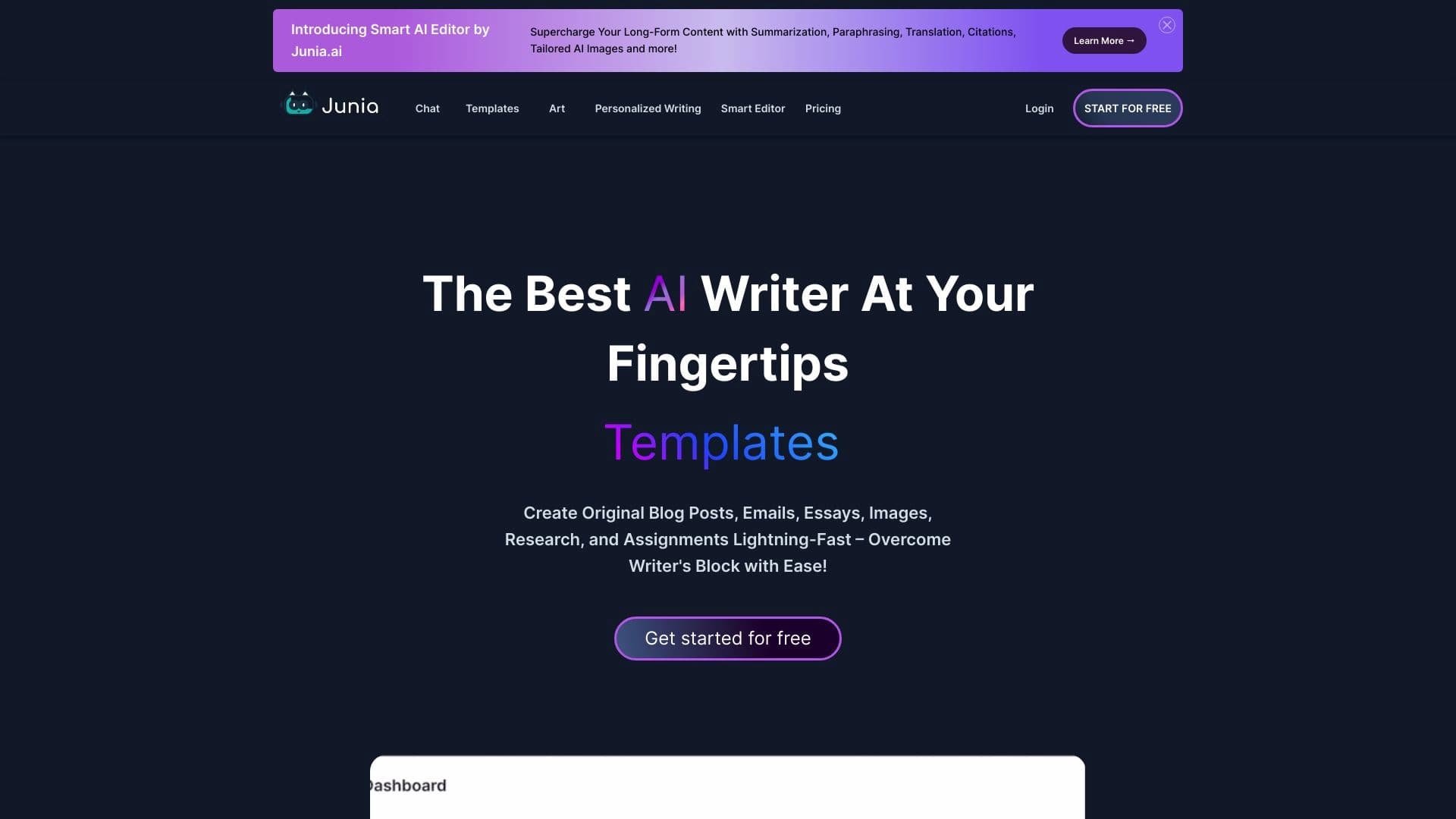

A tool for automated SEO content creation with keyword research and long-form text generation.


AI-powered platform for generating legal documents, contract analysis, and obtaining legal information.
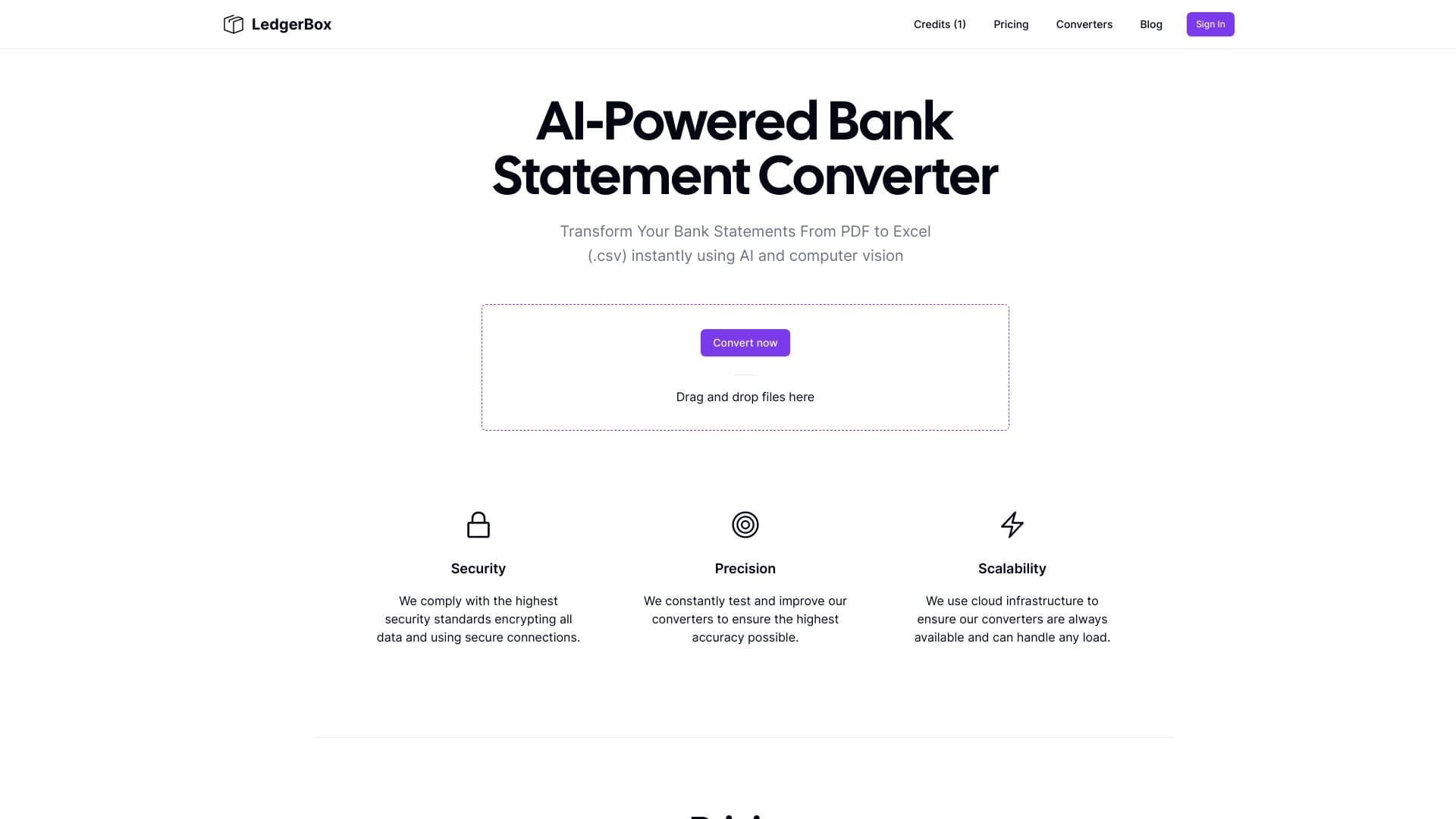
Automatically extract financial data from PDF documents and convert it to Excel or CSV.

A platform for accountants that combines task management, file sharing, and client communication in a single interface.

Platform for automated geospatial analysis of satellite imagery and geographic data.
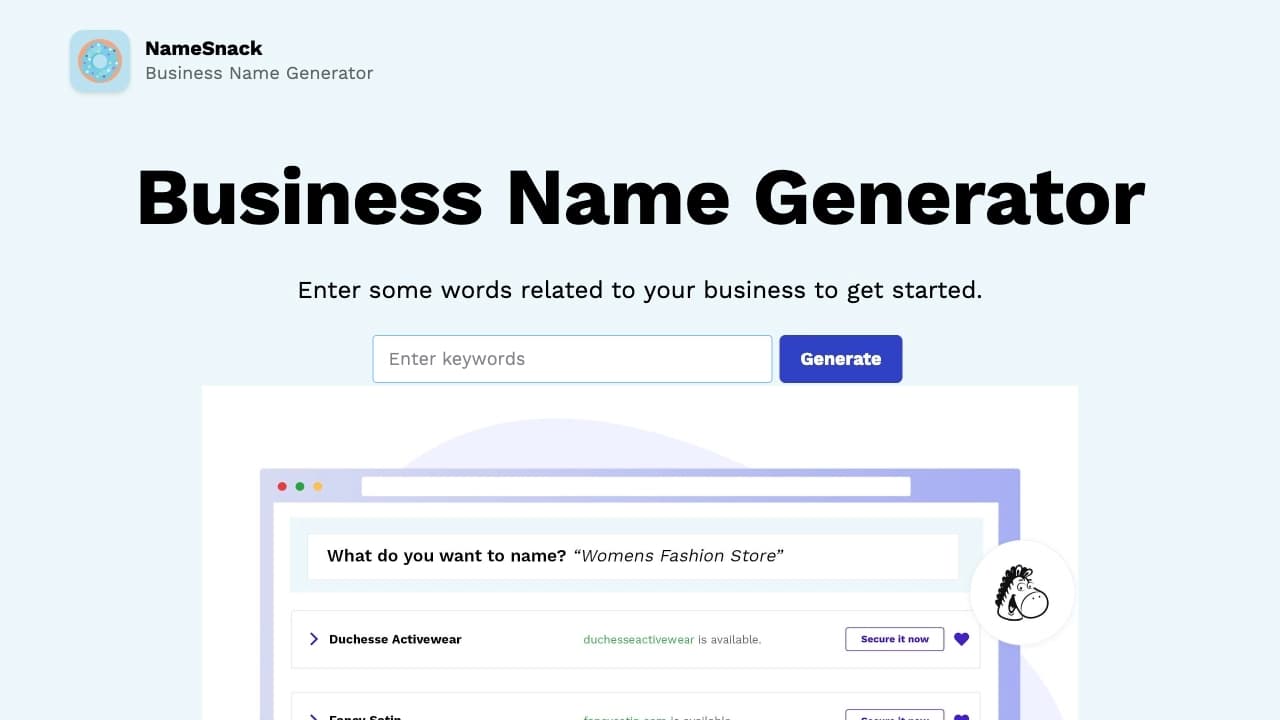
AI business name generator with domain availability checking.
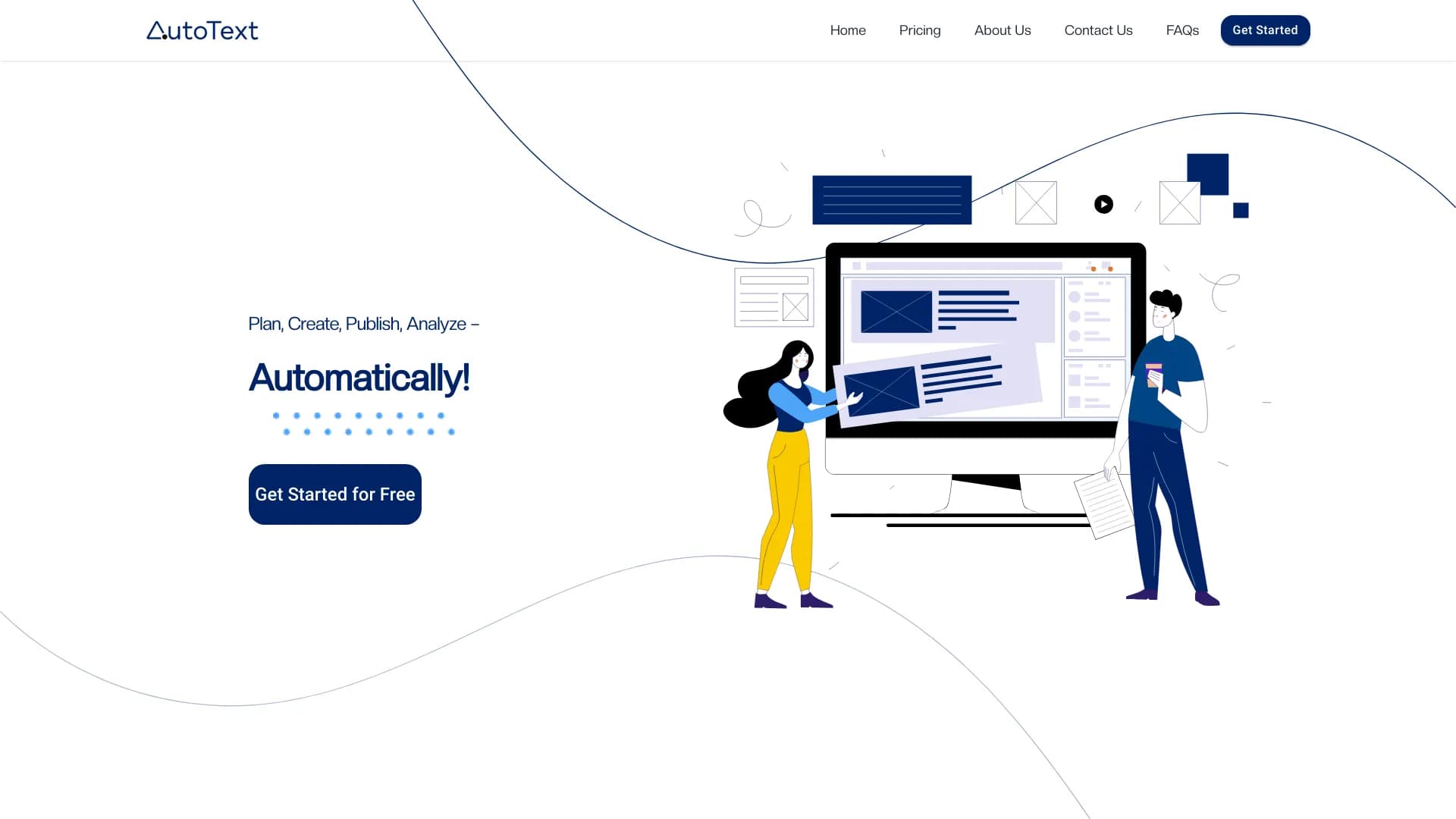

AI tool for automating social media marketing, including content generation, post scheduling, and analytics.
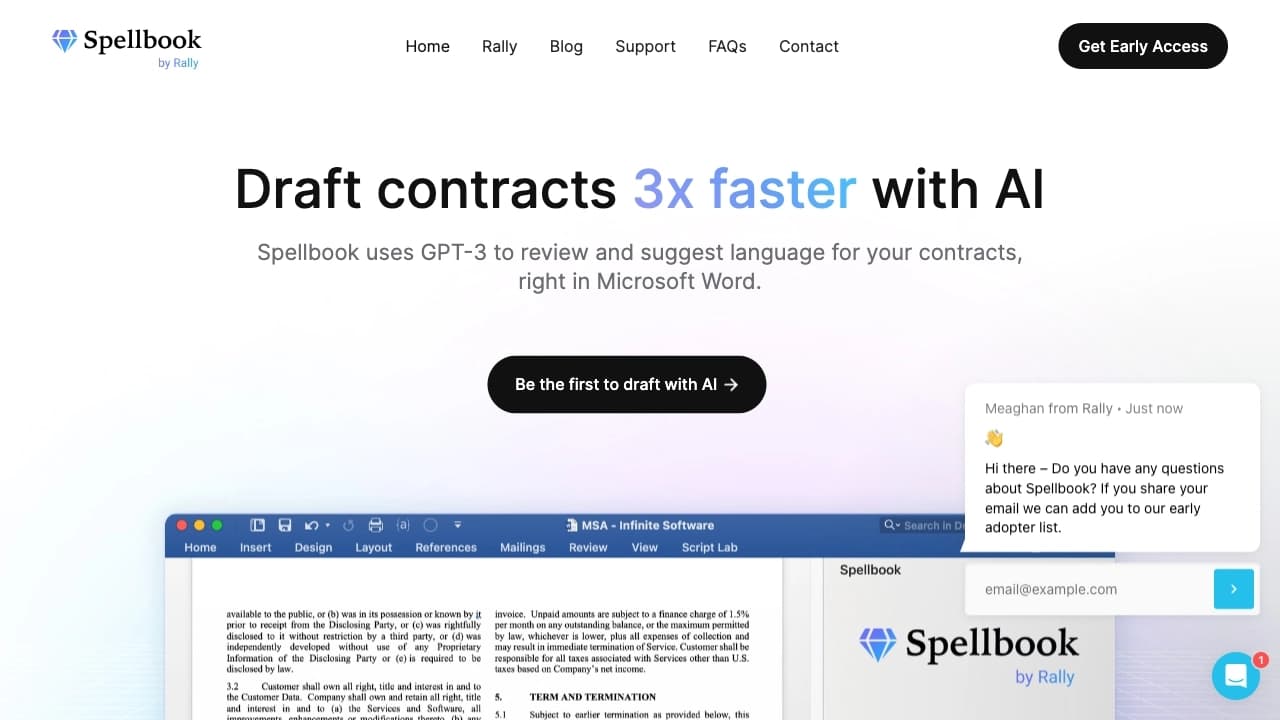

An add-in for Microsoft Word that uses neural networks to automate the creation, editing, and analysis of legal contracts.