
Chainrel
Service for simplifying the integration of blockchain events into backend applications.
Overview
Chainrel is a specialized service designed to simplify the integration of blockchain events into backend systems. Its primary goal is to eliminate the technical barriers developers face when connecting their applications to decentralized networks. Instead of manually configuring complex mechanisms for tracking and processing blockchain data, developers can use Chainrel as an intermediary layer that handles all the routine work of collecting, filtering, and delivering events.
In essence, Chainrel acts as a bridge between the blockchain and your backend. The service continuously monitors the chain, identifies relevant events, and delivers them to your services in a convenient format. This allows teams to focus on business logic and user experience rather than spending resources on maintaining low-level infrastructure.
Core Concept of the Service
The main idea behind Chainrel is to make working with blockchain events as simple as working with regular webhooks. Developers don't need to know the implementation details of a specific blockchain or understand the nuances of its protocol. You only need to set up a subscription to the desired events once, and the service will start delivering them to your application.
Market Positioning
Chainrel is aimed at developers who want to add Web3 functionality to existing projects or build new decentralized applications (dApps) without maintaining their own blockchain infrastructure. The service lowers the barrier to entry for Web3 development and accelerates time-to-market for products.
Chainrel Characteristics
| Characteristic | Value |
|---|---|
| Purpose | Simplifying the integration of blockchain events into backend applications |
| Tool Type | Middleware service for processing blockchain events |
| Primary Function | Delivering blockchain events to developer backend services |
| Target Audience | Developers of dApps and existing Web2 projects with Web3 functionality |
| Setup Complexity | Low, compared to building infrastructure from scratch |
| Required Knowledge Level | Basic understanding of blockchain and working with APIs |
| Distribution Model | Not specified |
Who Is Chainrel Suitable For?
Decentralized Application (dApp) Developers
The primary audience for the service is teams building decentralized applications on the blockchain. Chainrel allows them to skip writing and debugging code for subscribing to network events and instead focus directly on developing the core features of their product. This is especially relevant for startups and small teams where every developer hour counts.
Integrating Web3 into Existing Projects
Traditional web services and mobile applications can also benefit from using Chainrel. If your project runs on a conventional stack but plans to add support for cryptocurrencies, NFTs, or other blockchain features, the service helps you do this with minimal changes to your architecture. Your existing backend will receive blockchain events via simple HTTP requests without requiring specialized blockchain libraries.
Technical Professionals Who Value Simplicity
Chainrel suits developers who prefer ready-made solutions over diving into blockchain internals. Instead of studying a specific network's documentation and maintaining their own nodes, they can rely on a service that has already solved these problems.
How to Use Chainrel
Connecting to the Backend
Using Chainrel revolves around connecting your backend to the service. Developers need to create an account, specify the endpoint of their service where events should be delivered, and select the types of events they're interested in. After that, Chainrel will start delivering data automatically.
Configuring Event Subscriptions
Users can configure which specific blockchain events should be forwarded to the backend. This allows filtering the data stream and receiving only relevant information without overloading your service with unnecessary requests. Configuration is done through the service interface and doesn't require changes to your application code.
Integration into the Development Pipeline
Chainrel can be embedded into the continuous development process (CI/CD). Since the service acts as an external API, it's easy to use at any stage—from local development to production. You only need to configure it once, and it will work in any environment.
Core Features of Chainrel
- Blockchain Monitoring: The service continuously tracks activity in the blockchain network and captures all events that match your subscription criteria.
- Event Delivery to the Backend: Chainrel delivers event data directly to your system via standard data transfer protocols, such as HTTP calls.
- Eliminating the Need for Own Infrastructure: The core function is relieving developers from building and maintaining their own blockchain nodes, event listeners, and related components.
- Error Handling: The service automatically handles failures during data transmission, retries failed delivery attempts, and ensures your application doesn't miss important events.
Advantages of Chainrel
Time Savings on Development
The main advantage of the service is a significant reduction in time spent on blockchain integration. Instead of engineers spending weeks building infrastructure, setup takes a short amount of time, allowing for faster product releases.
Reduced Codebase Complexity
With Chainrel, your backend code remains simple and clean. You don't need to implement complex blockchain dependencies or manage network connections. The external service handles all of this, and your application simply receives ready-made data.
Scalability Handled for You
The service is designed to handle large volumes of events and automatically scales when needed. Developers don't need to worry about peak loads or their infrastructure failing to cope with data flow. This is especially important for applications with high user activity.
Disadvantages of Chainrel
Dependence on a Third-Party Service
The main drawback of using Chainrel is that your application becomes dependent on an external service provider. In the event of a failure or temporary unavailability of the service, event delivery may be paused, which will affect your application's operation.
Limited Control over Infrastructure
The simplification offered by the service means handing over control of part of your system to a third party. You won't be able to influence how the service processes or stores data and will be limited by its capabilities and policies.
Lack of Information about the Distribution Model
Currently, official documentation doesn't disclose information about the service's distribution model, which may raise questions for potential users regarding terms of use and long-term development plans.
What Problems Does Chainrel Solve?
Eliminating Technical Debt
Without a service like this, teams have to maintain complex blockchain infrastructure that requires constant updates and monitoring. Chainrel solves this problem by removing the burden of maintaining low-level blockchain-related components from developers.
Accelerating dApp Time-to-Market
For product teams, time-to-market is critical. Chainrel shortens the development cycle by automating routine processes related to blockchain event handling, directly contributing to faster releases.
Simplifying Web3 Feature Maintenance
Once the service is configured, its maintenance is minimal. Developers don't need to worry about blockchain networks updating or changing event formats. The service adapts to changes as needed, but these concerns remain outside the developer's responsibility.
Chainrel Pricing
Official information about the cost of using Chainrel has not been disclosed in available sources. Based on available information, it's impossible to specify concrete pricing plans or subscription costs. To get up-to-date pricing and payment terms, potential users are advised to visit the service's official website or contact the development team directly.
Terms of Use for Chainrel
Since the service's distribution model is marked as unknown, its terms of use are also not publicly documented. It can be assumed that the service involves user registration and use through a web interface or API, but the exact terms, user requirements, and restrictions are currently unpublished. It's recommended to contact the Chainrel team for official information about how to use the service and legal aspects.
Availability of Chainrel
Information about Chainrel's current availability is limited. It's unknown whether the service is openly accessible to everyone or requires an invitation or special permission. There's also no data on geographical restrictions or supported blockchain networks. Potential users should check official channels for information about the service to confirm its availability.
How Chainrel Differs from Alternatives
The main difference between Chainrel and similar solutions lies in its focus on maximizing the simplicity of the integration process for developers who aren't blockchain technology experts. While many competing platforms provide low-level APIs and require users to have a deep understanding of blockchain operations, Chainrel emphasizes transparent and simple event delivery to the backend.
Furthermore, the service stands out through its specialization: it doesn't claim to be a universal blockchain tool but focuses specifically on event processing. This allows it to be more efficient at the task it was designed for and provide a cleaner, more understandable interface compared to comprehensive solutions that try to cover all aspects of blockchain development at once.
Conclusion
Chainrel offers a practical and efficient solution for developers seeking to integrate blockchain events into their backend systems. The service addresses the main challenges associated with the complexity of setting up such integration, relieving teams from building and maintaining their own infrastructure. The service's primary focus is on simplicity and speed of implementation, making it particularly attractive for small and medium-sized projects. At the same time, it's worth noting that using an external service imposes certain limitations related to control and dependence on a third party. Despite the lack of public information about pricing and terms of use, Chainrel looks like a promising tool for those who want to add Web3 functionality to their products quickly and cost-effectively.
Frequently asked questions
See also

AI agent for assisting with programming and optimizing the development workflow.
A neural network-powered cloud service for generating 3D models, textures, and animations from text descriptions or images.

Chrome extension that helps manage tabs, history, and bookmarks with an AI assistant.

Side AI panel that helps answer questions, work with documents, and generate images.
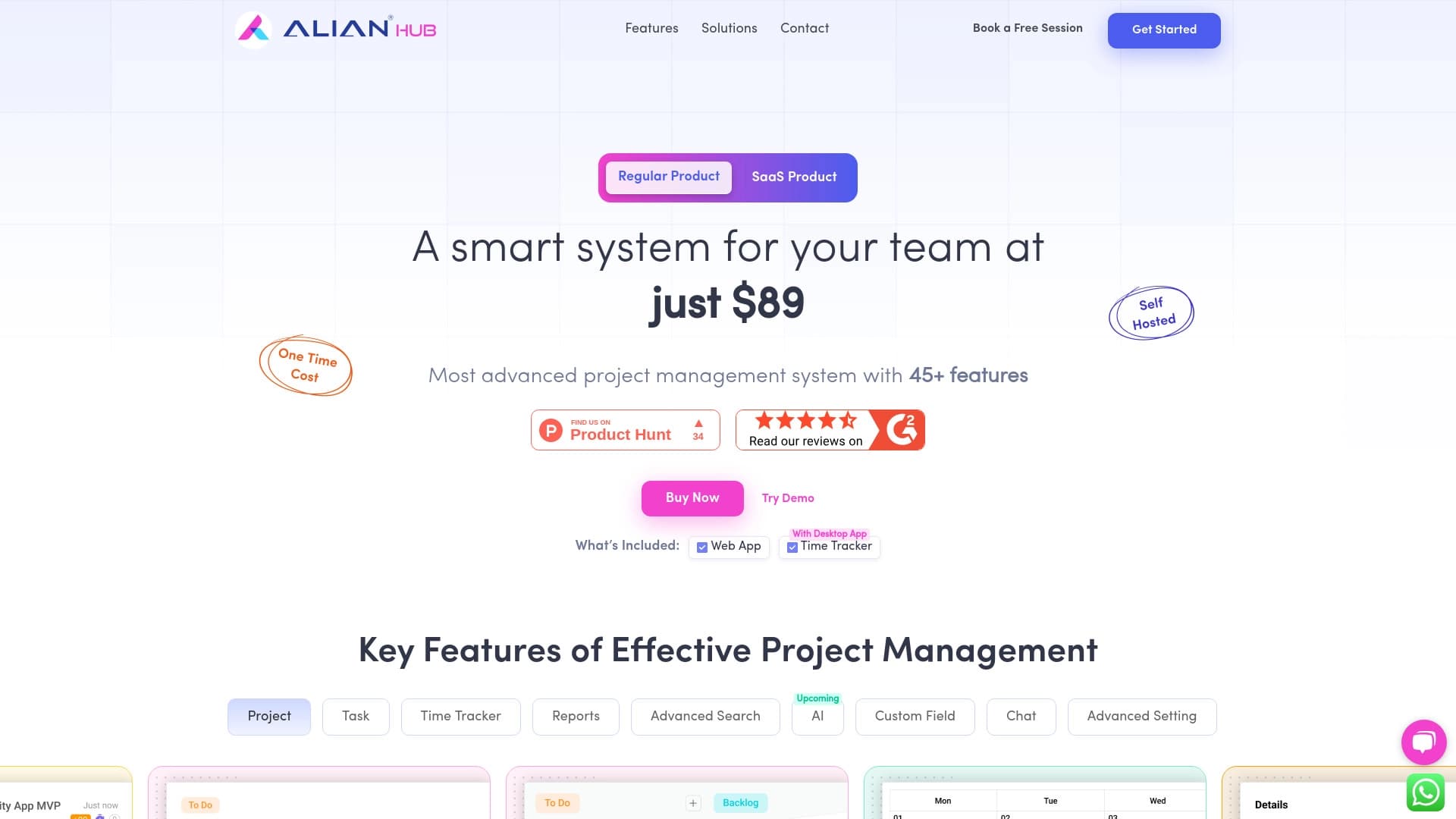

Project management platform with task assignment, time tracking, and employee workload monitoring features.
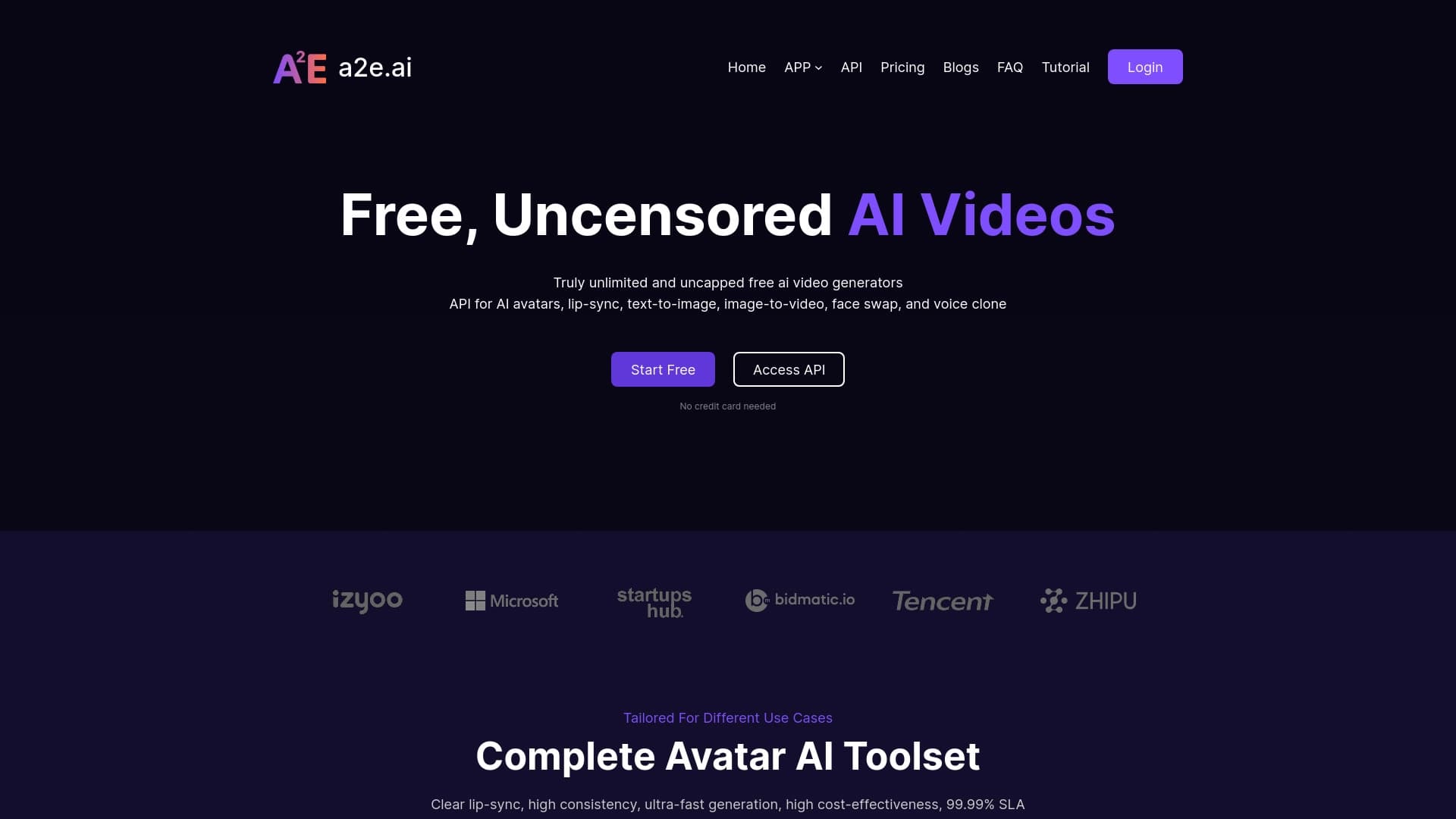

AI toolkit for video generation and editing, including avatars, lip-sync, and voice cloning.
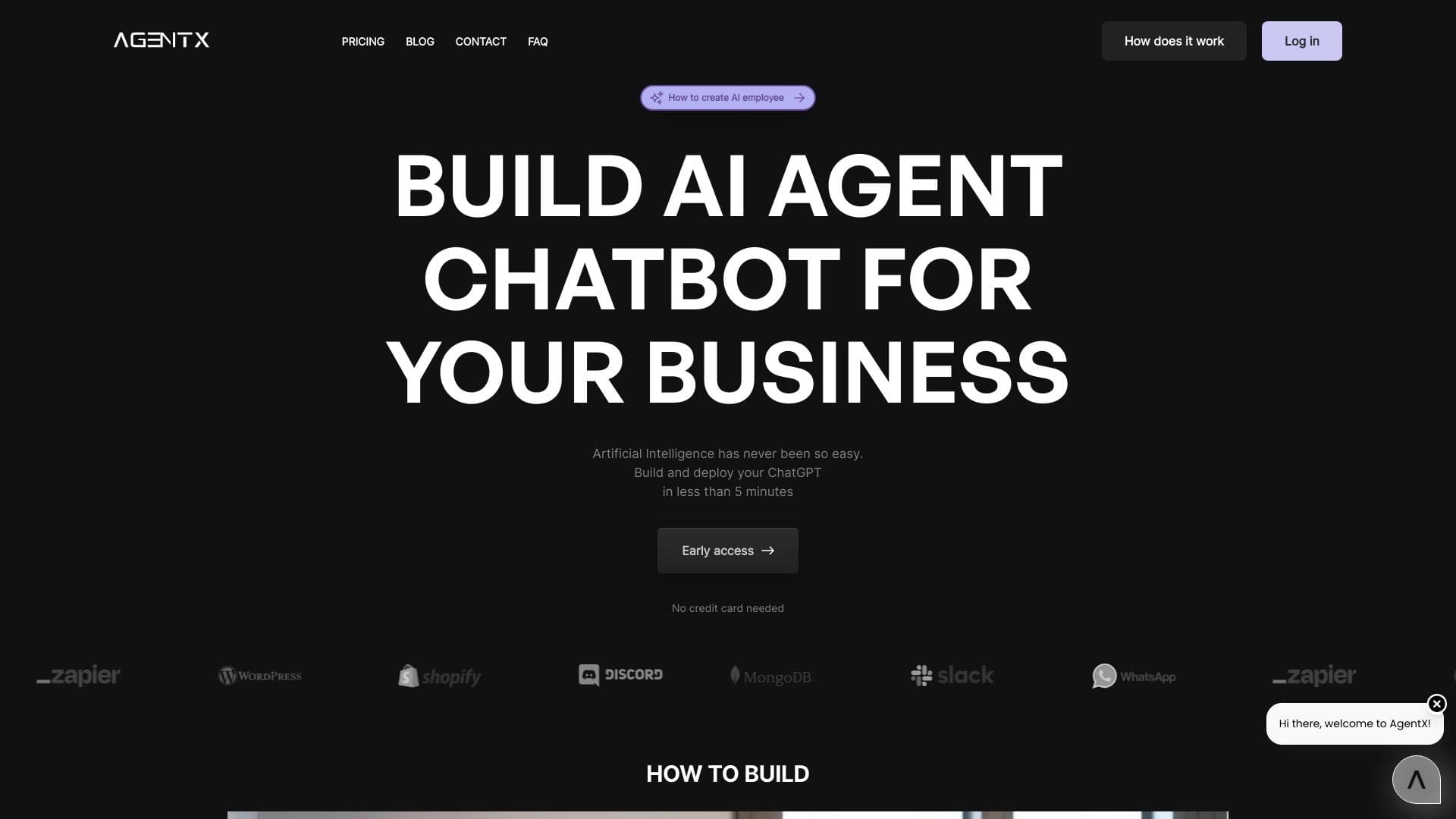

Platform for creating multi-agent AI systems and chatbots to automate customer support and lead generation.
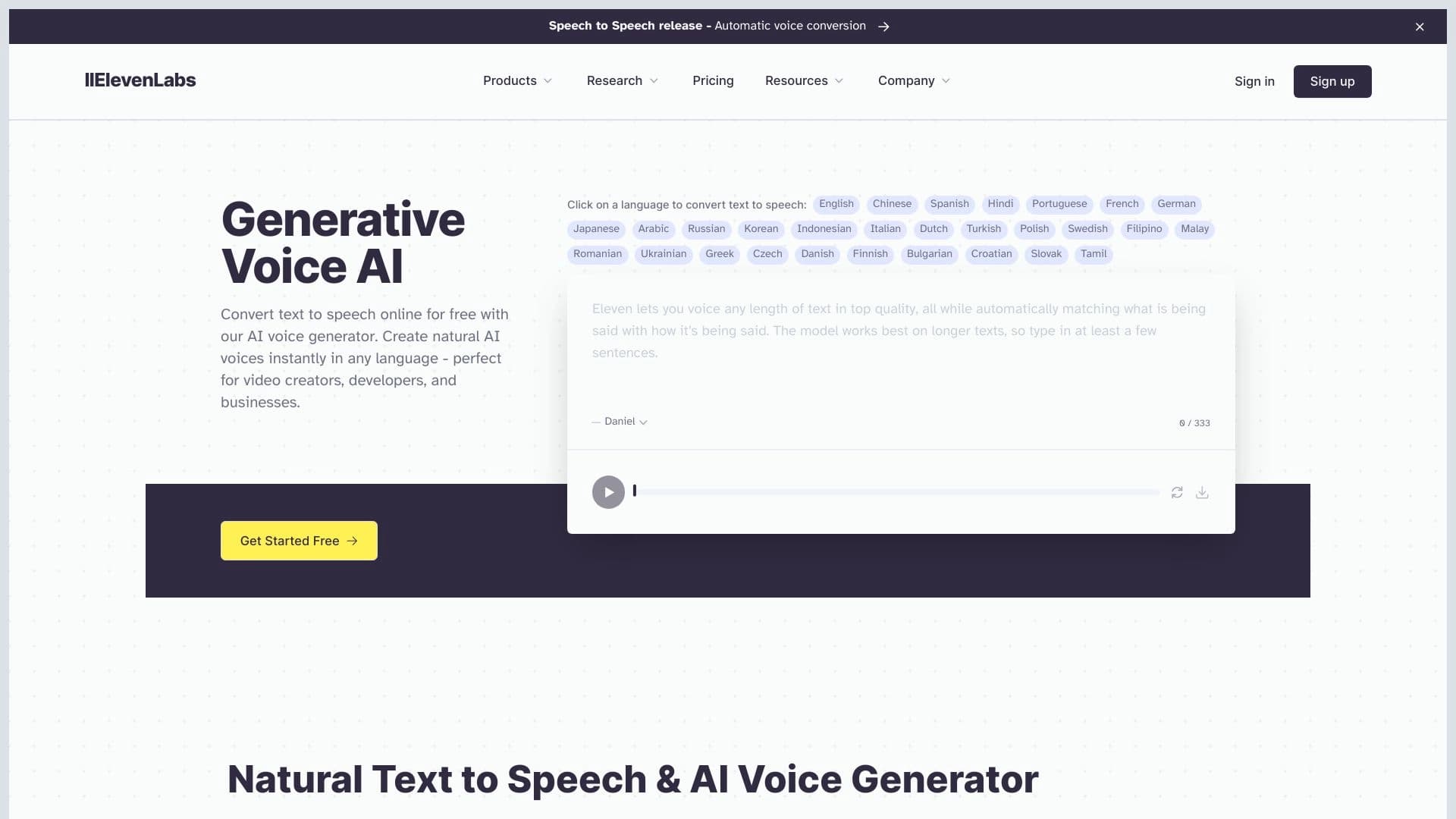
AI platform for voice synthesis and cloning that converts text into realistic speech.