

Cardamon
AI-powered data labeling platform to accelerate and improve the accuracy of annotations.
Overview
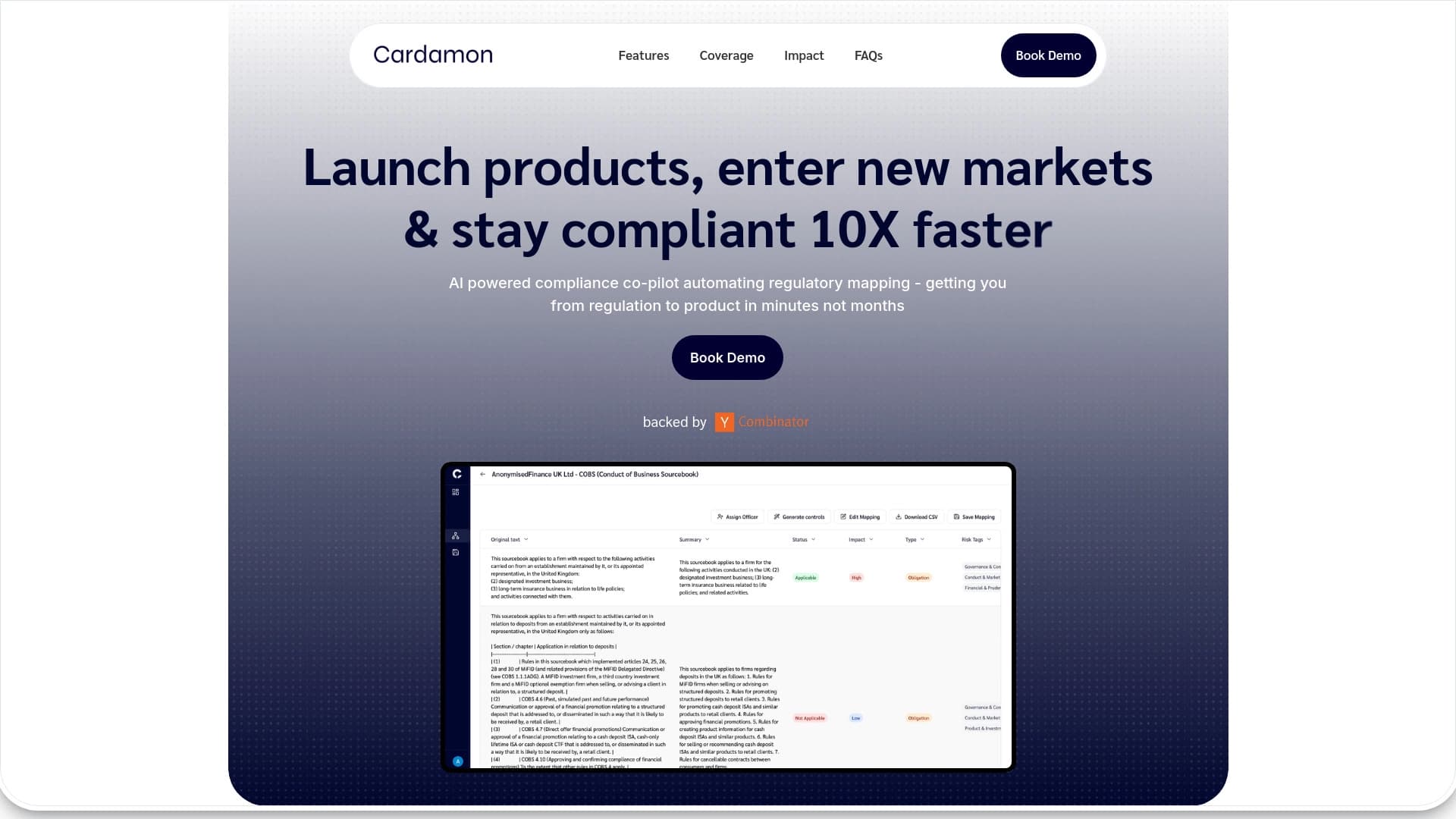
Cardamon is a specialized platform for data labeling and annotation, powered by artificial intelligence technologies. The main purpose of the tool is to automate the process of preparing data for machine learning, making it faster and more accurate compared to fully manual annotation. The platform handles routine operations, allowing specialists to avoid spending time on mechanical tasks and instead focus on quality control and solving complex cases.
The Cardamon interface is designed with an emphasis on intuitiveness and simplicity, which lowers the entry barrier for new users. Instead of complex multi-level menus, the platform offers clear workflows that are easy to adapt to specific projects. With support for a wide range of data types, including text, images, audio, and video, Cardamon covers the needs of teams working with heterogeneous information sets.
Cardamon Features
Below are the main technical and functional parameters of the platform.
| Feature | Value |
|---|---|
| Tool type | AI-powered data annotation platform |
| Supported data types | Text, images, audio, video |
| Key technology | Artificial intelligence for annotation automation |
| Interface | Intuitive, focused on ease of adoption |
| Primary purpose | Accelerating and improving the accuracy of the annotation process |
| Distribution model | Not specified (requires clarification from the developer) |
| Target audience | Data professionals, ML model developers, research groups |
Who is Cardamon suitable for?
Cardamon is of interest to a wide range of professionals working with data. The platform is designed as a universal tool capable of adapting to different use cases.
Data engineers and ML developers
Teams that build and train machine learning models constantly need high-quality labeled data. Cardamon helps accelerate the preparation of training datasets by automating part of the processes. This is critical when you need to quickly test a hypothesis or a model prototype without waiting a long time for manual annotation.
Research groups and scientific laboratories
For scientific projects that require working with highly specialized data (e.g., medical images or archival audio recordings), annotation accuracy is essential. The ability to work with text, images, audio, and video in one place makes Cardamon a convenient solution for interdisciplinary research.
Production departments of companies adopting AI
Business units that want to automate the processing of their own data, from analyzing customer inquiries to quality control in manufacturing. The simplicity of the interface allows not only technical specialists but also domain experts without deep programming knowledge to be involved in annotation processes.
How to use Cardamon?
A specific step-by-step guide to working with the platform is not disclosed in available sources, but the general approach stated by the developers can be described.
Getting started and project setup
As with most similar platforms, the process likely begins with creating a new project and selecting the data type. The user needs to upload the raw data set and choose an appropriate annotation configuration — for example, image classification for computer vision or entity extraction for text.
The annotation process with AI
Next, AI algorithms come into play, offering automatic pre-annotation. A human operator reviews the results, corrects errors, and confirms the correctness of the actions. This approach reduces the time per unit of labeled data, since the specialist only has to fix ready-made annotations rather than create them from scratch.
Quality control and data export
After completing work on a project, the labeled data set is exported in the required format for further use in model training. Based on the description, the platform emphasizes convenient workflow management, which should simplify task tracking across multiple team members.
Key features of Cardamon
Cardamon focuses on key capabilities that cover the main needs of the annotation process.
- Support for different data types: A single environment for working with text, images, audio, and video. This eliminates the need to switch between different programs for each content type.
- AI assistance: Automatic execution of complex labeling tasks through artificial intelligence algorithms. This is the core feature that sets Cardamon apart from simple annotation editors.
- Intuitive interface: A well-designed platform interface that reduces employee training time and speeds up deployment.
- Workflow automation: Efficiency-boosting features that redirect human resources from routine tasks to more important analytical work.
Advantages of Cardamon
Based on the characteristics stated by the developer, several strengths of the platform can be highlighted.
Automation as a way to speed up work
Simplifying and automating the annotation process is the main argument in favor of Cardamon. The use of AI directly correlates with the speed of dataset preparation. The faster data arrays are processed, the sooner a team can move on to model training.
Versatility across industries
Support for four key data types makes the platform applicable in a wide variety of fields. From marketing (analyzing video reviews) to logistics (processing document photos), this tool looks like a flexible solution for business tasks. The lack of rigid specialization allows the same software to be used for different internal projects.
Focus on usability and accuracy
The stated emphasis on interface simplicity is designed to reduce errors related to the human factor through clear task presentation. Transparency and convenience of annotation tools typically have a direct impact on the final data quality, which is critical for subsequent model training.
Disadvantages of Cardamon
No detailed information about the platform's drawbacks was found in public sources. However, based on general market logic, potential limitations can be identified, which would need to be confirmed with official representatives.
- Lack of public information: There is no official website with detailed documentation, case studies, or pricing. This makes it difficult to evaluate the functionality before direct testing.
- Unknown AI performance: Without examples of real projects, it is hard to assess the accuracy of automatic algorithms on specific data. AI effectiveness directly depends on the domain and the quality of input data.
- Scalability concerns: There is no information about deployment mechanisms — whether it is a cloud solution, on-premise, or hybrid. This could be an issue for companies with specific data security requirements.
What problems does Cardamon solve?
The platform focuses on solving core tasks related to preparing information for artificial intelligence.
- Building training datasets: Creating structured data sets for subsequent training of machine learning models, both supervised and with partial human involvement.
- Accelerating unstructured data processing: Converting "raw" texts, images, audio, and video into labeled, structured records that algorithms can understand.
- Quality control through automation: Minimizing the impact of the human factor, which directly addresses the task of reducing the error rate in labeled data.
Cardamon pricing
Currently, no information about the cost of using the Cardamon platform is available in public sources. It is unknown whether the project offers a free version with limitations or operates exclusively on corporate plans. There is also no public data on subscription pricing.
To obtain information about pricing, potential customers will likely need to contact the development team directly. It is recommended to request a demo or an introductory presentation to clarify the pricing policy.
Terms of use for Cardamon
Official terms of use, a public offer, and a license agreement have not been published in available sources. The terms may vary depending on the type of client and the complexity of the tasks.
However, standard clauses for such platforms include the confidentiality of uploaded data. Since Cardamon works with data that may contain sensitive information (e.g., medical images or personal customer data), the terms of use almost certainly include a non-disclosure policy.
Exact cooperation terms (timelines, SLA, liability) are established individually when signing a contract. Before uploading commercial data to the platform, it is recommended to audit the security terms with your company's legal department.
Cardamon availability
Information about the platform's availability is general in nature. Given that it is a web-based tool, access is assumed to be through a browser from any device, which provides flexibility for distributed teams.
However, the exact geography where the service is officially available is not specified. The availability of a cloud version is also in question. It is unknown whether Cardamon is offered as an on-premise solution for companies that need to store data in their own infrastructure.
Potential users should expect that, given its focus on the global market, the service is initially available in English.
How Cardamon differs from alternatives
The main difference that Cardamon's developers declare lies in the combination of "simple interface + AI automation." Many competitors require users to have programming skills or a deep understanding of annotation logic. Cardamon, on the other hand, is presented as a tool that automates complex processes to such an extent that a wide range of specialists can work with it.
Unlike narrowly specialized tools (text-only or video-only), Cardamon is positioned as a multimodal platform. Support for four data types simultaneously allows the creation of complex models trained on data from different modalities at once. This is quite convenient for projects where, for example, text is linked to images (e.g., analyzing advertising creatives).
At the same time, its difference is not in unique technology but in optimizing this process. While competitors often require more manual work and configuration, Cardamon offers a "smoother" pipeline through automation at the input stage.
Conclusion
Cardamon is a promising platform for automating data annotation that addresses the key challenge of reducing time and resource costs for preparing information for machine learning. Its key strengths are support for all major data types (text, images, audio, video) and an emphasis on an intuitive, simple interface, making it accessible to various industries and specialists with different levels of technical expertise. Despite its convenience and versatility, information about the company, pricing, and product distribution terms remains limited, which may require direct contact with the vendor to obtain detailed information. Nevertheless, the approach used in Cardamon reflects a steady trend toward the automation of data annotation — a field that is becoming increasingly important in the artificial intelligence industry.
Frequently asked questions
See also
AllChat is a universal platform that combines several popular language models in a single interface for communication, image generation, file analysis, and code execution.
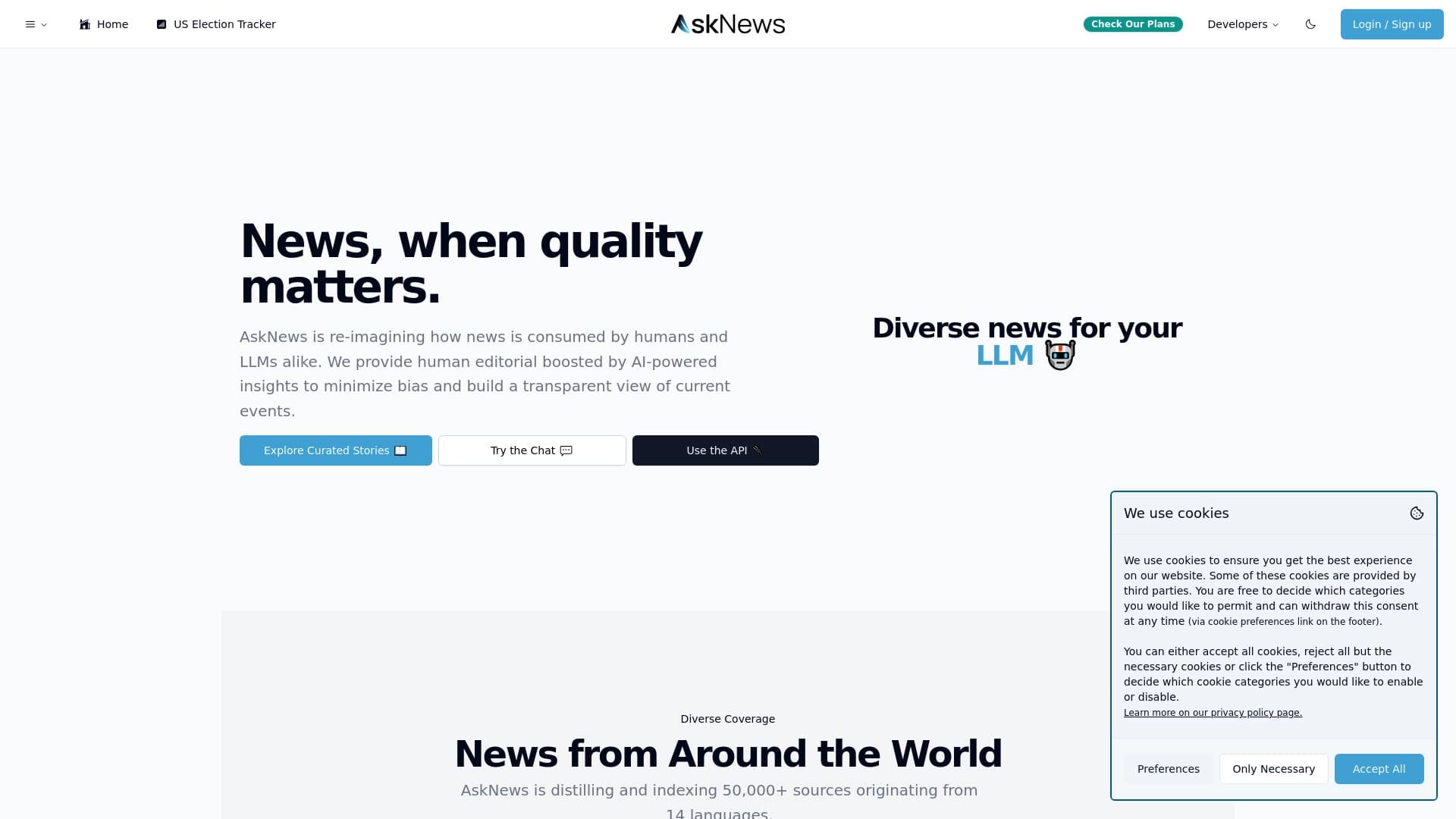
A platform for aggregating world news using AI to analyze and reduce bias.
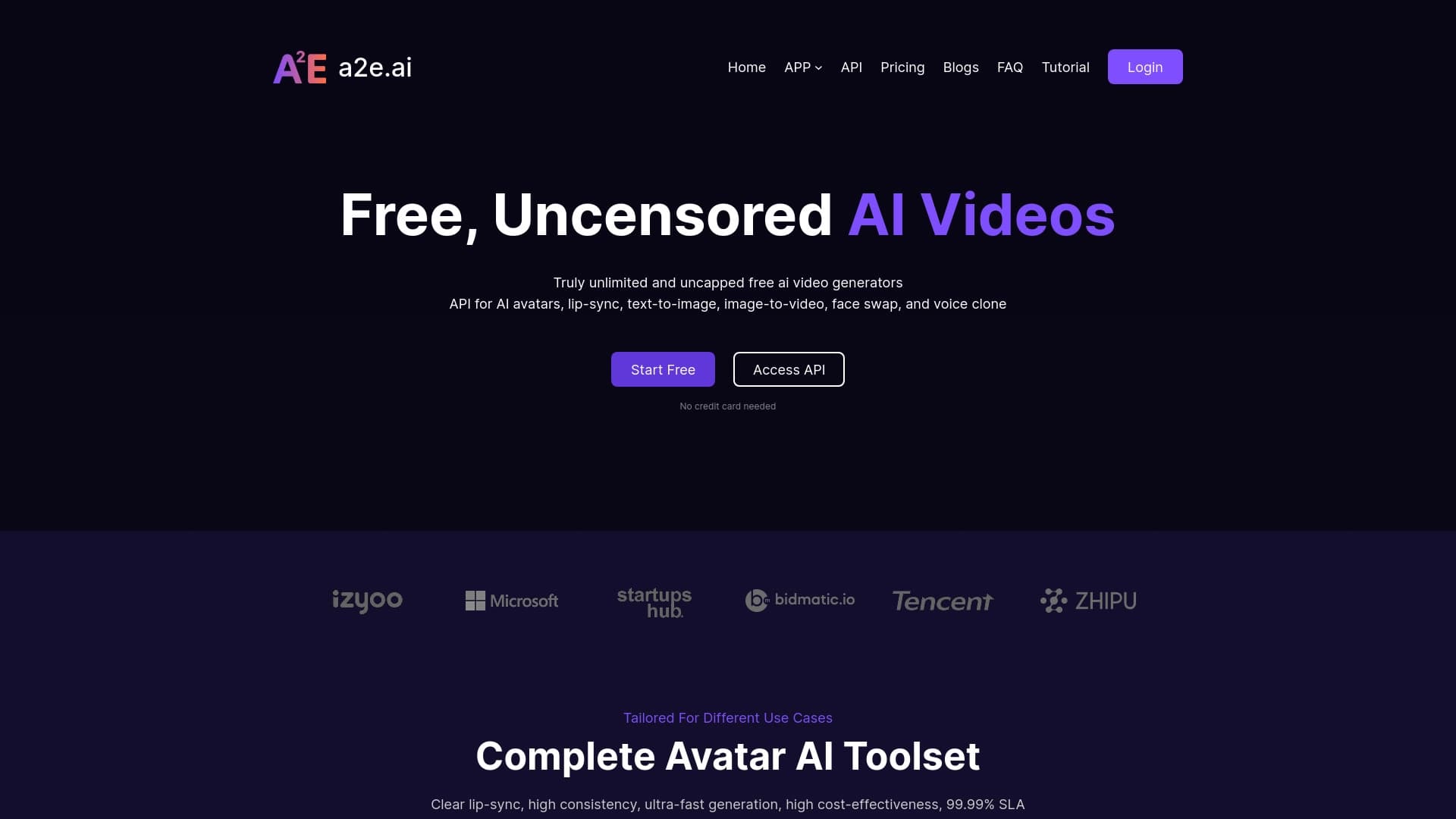

AI toolkit for video generation and editing, including avatars, lip-sync, and voice cloning.
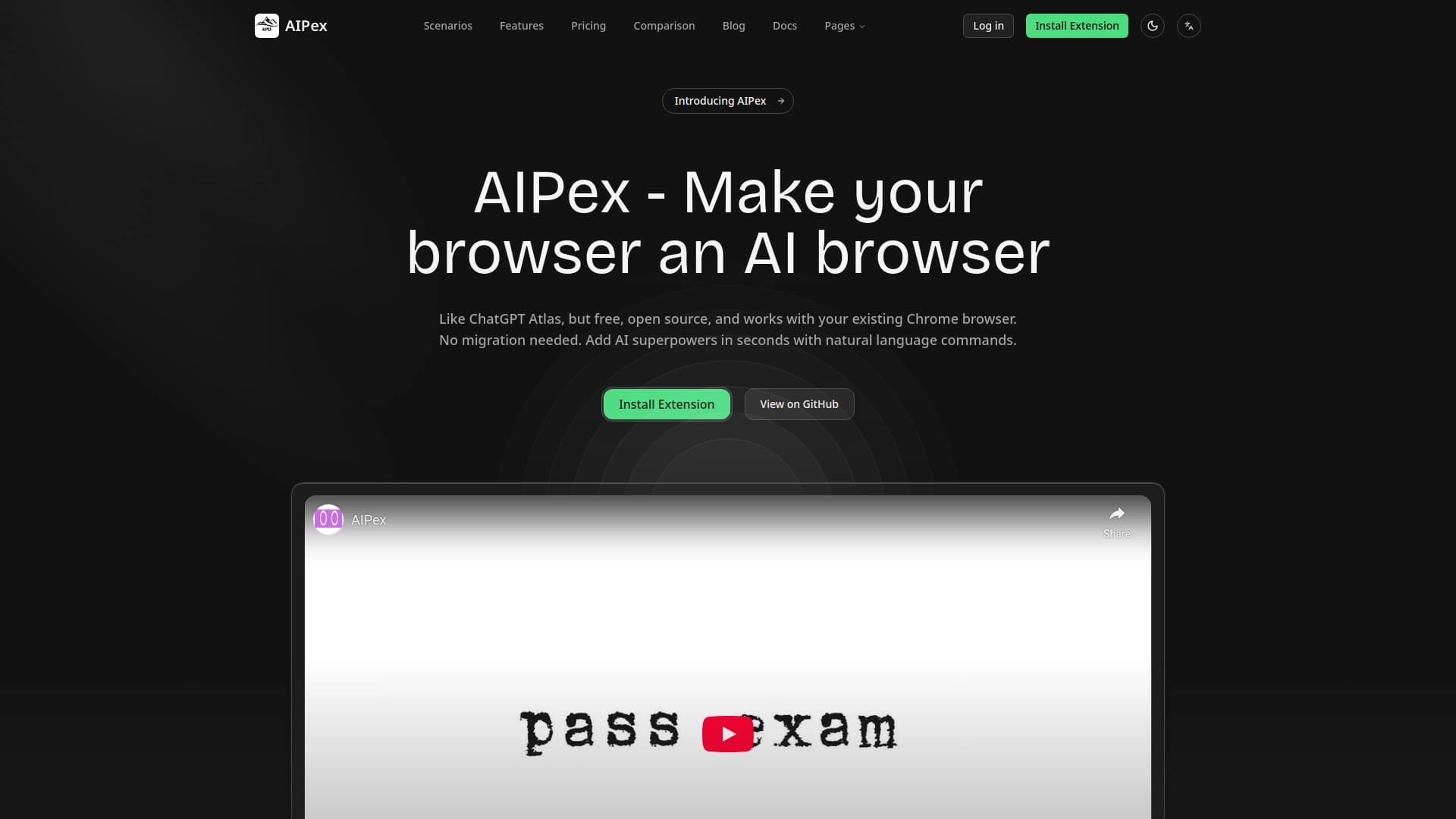

Chrome extension that helps manage tabs, history, and bookmarks with an AI assistant.
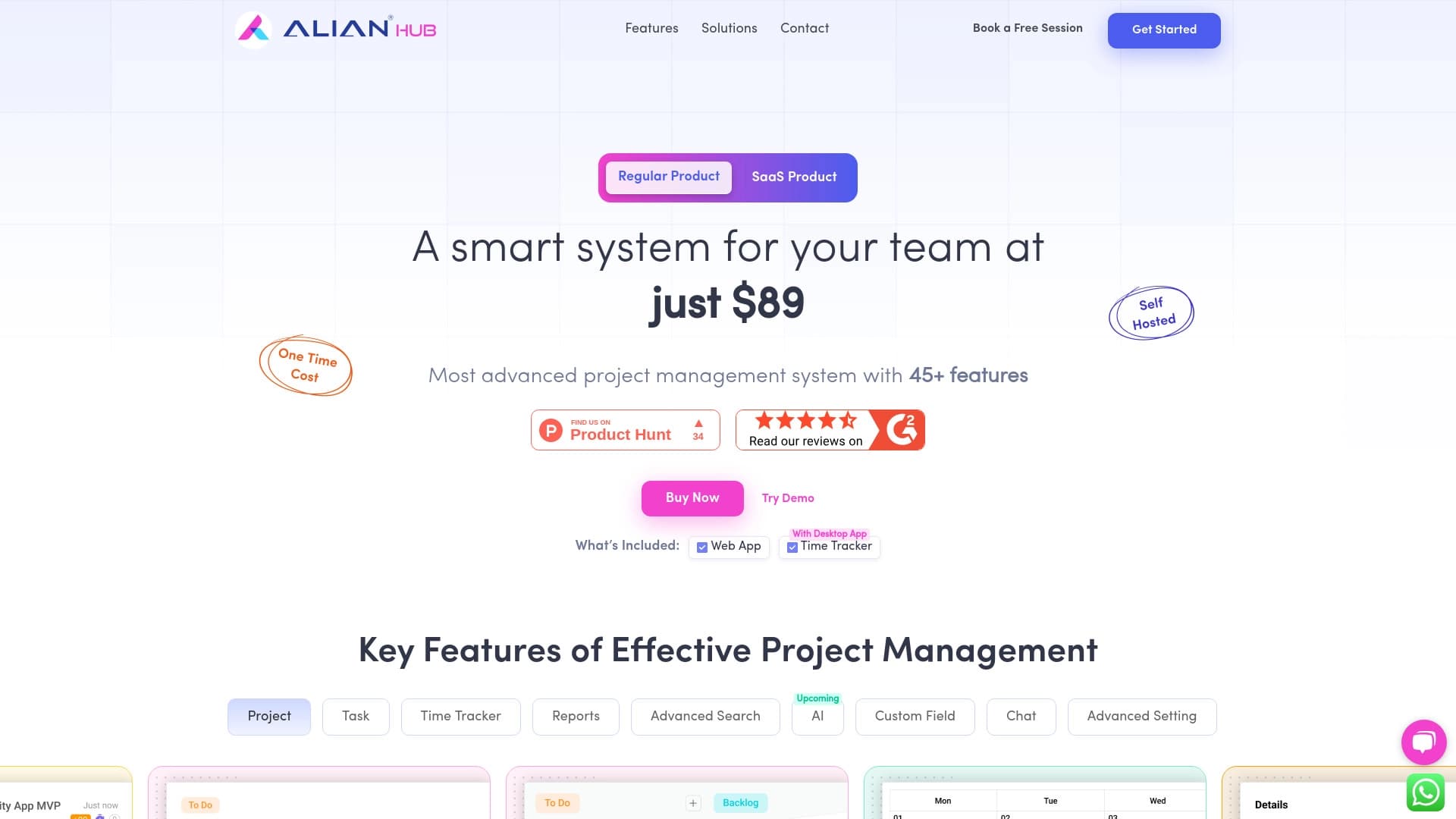

Project management platform with task assignment, time tracking, and employee workload monitoring features.
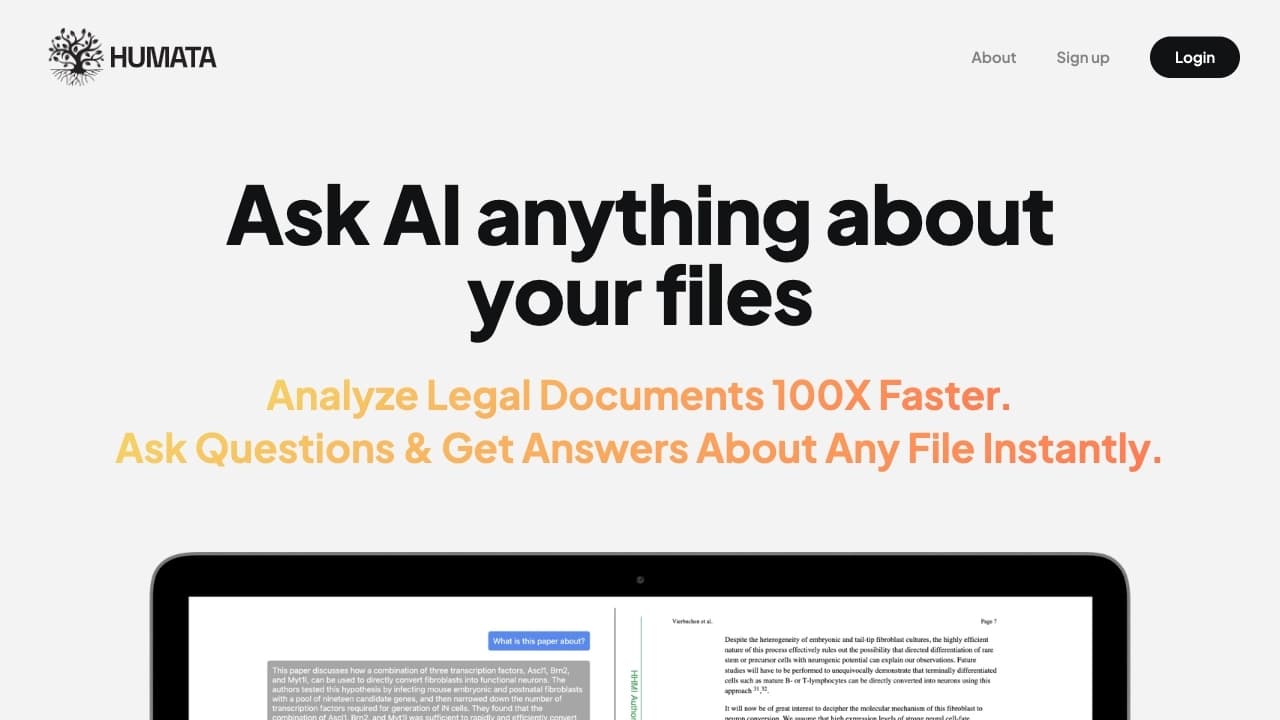
A neural network for document analysis that extracts key information, creates summaries, and answers questions about the contents of uploaded files.
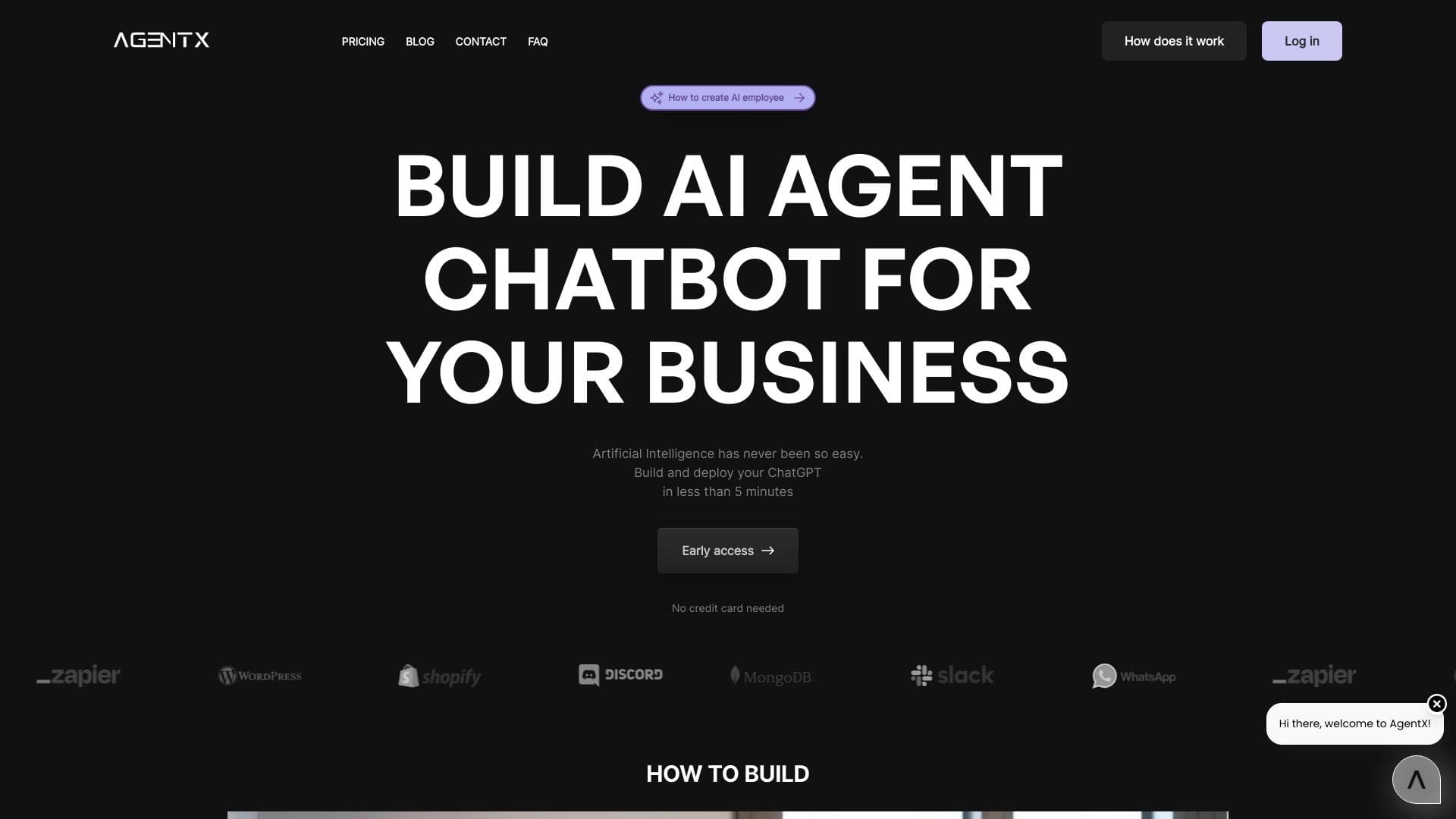

Platform for creating multi-agent AI systems and chatbots to automate customer support and lead generation.

Side AI panel that helps answer questions, work with documents, and generate images.