
Buzz
Local desktop application for transcribing and translating audio and video, powered by Whisper.

Overview
Buzz is an open-source desktop application that lets you transcribe and translate audio and video using OpenAI's Whisper models. Buzz's key feature is full autonomy: all data processing happens locally on your computer, with no files sent to the cloud.
The app works with files, YouTube links, and a microphone in real time. Buzz supports advanced features such as speaker identification and noise cleanup. It's available for all major operating systems — macOS, Windows, and Linux. Buzz's core principle: no subscription, no registration, maximum privacy and convenience.
Buzz Features
| Feature | Value |
|---|---|
| Type | Desktop application |
| Categories | Text-to-Speech, Speech-to-Text, Translation, Free |
| Business model | Free |
| Platforms | macOS, Windows, Linux (Flatpak, Snap, PyPI) |
| Free tier available | Yes, the app is completely free |
| Distribution model | Free |
| Interface languages | Not specified |
Who is Buzz for?
For journalists and editors
Buzz simplifies working with interviews and press conferences: just upload an audio file or paste a YouTube link to get a finished transcript. The search function within transcriptions helps quickly find the quotes you need, and presentation mode is handy for public showcases of materials.
For students and researchers
Buzz is useful for anyone processing lectures, webinars, and seminars. The ability to record from a microphone and transcribe in real time lets you create notes right during classes. Speaker identification helps distinguish voices in discussions, while audio translation makes it easier to work with foreign-language sources.
For streamers and content creators
Buzz lets you generate subtitles for videos without uploading materials to third-party services. The built-in player with playback speed controls and text search speeds up editing, and folder-watching mode automates processing of new files.
For privacy-conscious users
If it's critical for you not to hand over personal conversations or confidential materials to third-party services, Buzz is a fitting solution. All computations run on your device, so your data never leaves it.
How to use Buzz
Installing the app
First, download the installer for your operating system from the project's official page or from a package manager. macOS, Windows, and Linux are supported. For Linux, Flatpak and Snap packages are available, and for Python-based management, installation via PyPI is offered. Once installation is complete, the app is ready to use — no additional setup required.
Main usage scenarios
After launch, the Buzz interface offers several ways to work: uploading an audio or video file for transcription, pasting a YouTube link, recording from a microphone in real time, or using folder-watching mode. When folder-watching mode is selected, any new files added to the designated directory are processed automatically. For advanced users, a command-line interface is available, allowing Buzz to be integrated into scripts and automated pipelines.
Key Buzz features
Transcription and translation
Buzz is built on OpenAI's Whisper and supports transcription of audio and video files, YouTube links, and microphone speech. The app can also translate audio into other languages, with all computations performed locally.
Audio quality diagnostics
To improve transcription accuracy on noisy recordings, Buzz can separate speech from background. This feature is especially useful when processing interviews recorded in crowded places or old archival materials.
Speaker identification
The app identifies who is speaking at any given moment. This simplifies subsequent markup of dialogues, interviews, and meetings, making transcripts more structured.
Tools for presentations and export
Presentation mode displays the transcript on screen in real time, which is convenient for lectures and conferences with live captioning. Finished transcripts can be exported to TXT, SRT, and VTT formats, and the built-in player allows text search and playback speed adjustment.
Buzz advantages
Buzz guarantees complete confidentiality: all data is processed on your computer and never transmitted anywhere. The app is completely free — no subscription, no registration, no hidden fees. The program is cross-platform and works equally well on macOS, Windows, and Linux.
Thanks to its open-source nature, the project is constantly improved by the community, and support for various hardware acceleration options (CUDA for Nvidia, Apple Silicon, Vulkan for other GPUs, including integrated ones) ensures fast processing even on modest hardware.
Buzz drawbacks
Since Buzz uses local Whisper models, transcription quality may fall short of cloud services on complex audio recordings with multiple voices or heavy interference. Working with large files requires sufficiently powerful hardware: without a modern processor or GPU, processing can take a long time.
What problems does Buzz solve?
Buzz addresses several fundamentally different needs: from quick transcription of individual files to automation of routine processes.
Transcribing and translating content
Buzz converts audio and video files, including YouTube content, into text. Audio translation helps you work with materials in foreign languages without leaving your local environment.
Real-time speech processing
Microphone recording and transcription happen directly during a conversation. This is applicable to meeting minutes, lecture captioning, and creating text versions of live broadcasts.
Presentations and automation
Displaying transcripts on screen during events makes information easier for audiences to absorb. Automatic processing of new audio files in a watched folder removes the need to manually add materials to the queue, and the command line lets you embed Buzz into workflows.
Buzz pricing
Buzz can be downloaded and used completely free on any supported platform. No paid plans, subscriptions, or hidden fees are offered. Just install the app from an official source, and it will work without restrictions.
Buzz terms of use
The project exists as open-source software, so you don't need to create an account or purchase a license. You get access to all app features immediately after installation. Since the distribution model is free, usage involves no financial obligations.
Buzz availability
Buzz supports macOS, Windows, and Linux. A corresponding installation package is available for each of these systems. Linux users can install the app via Flatpak or Snap, and the PyPI command is suitable for installation through a Python package manager.
How Buzz differs from alternatives
Privacy by default
Most transcription services operate in the cloud, requiring files to be sent to external servers. Buzz bypasses this: audio and video never leave your computer. For companies and individuals working with sensitive data, this is a decisive factor.
Open source and free
Competitors often offer limited free functionality with a paid subscription as needs grow. Buzz has no such restrictions: all features are available immediately and free of charge, and the open-source code can be studied, modified, and adapted to your tasks.
Extensibility and technical flexibility
Support for multiple Whisper backends and hardware acceleration options — from Nvidia CUDA and Apple Silicon to Vulkan and integrated GPUs — makes Buzz a versatile tool. The command-line interface and additional features such as presentation mode and folder watching set it apart from simpler solutions.
Conclusion
Buzz is a free and open-source application for local transcription and translation of audio and video based on Whisper. It runs on macOS, Windows, and Linux, requires no subscription or registration, and ensures full privacy by processing data on the user's device. GPU acceleration support, speaker identification, subtitle export, and automated file processing make Buzz a versatile tool for journalists, students, researchers, and anyone who regularly works with speech and content.
Frequently asked questions
See also
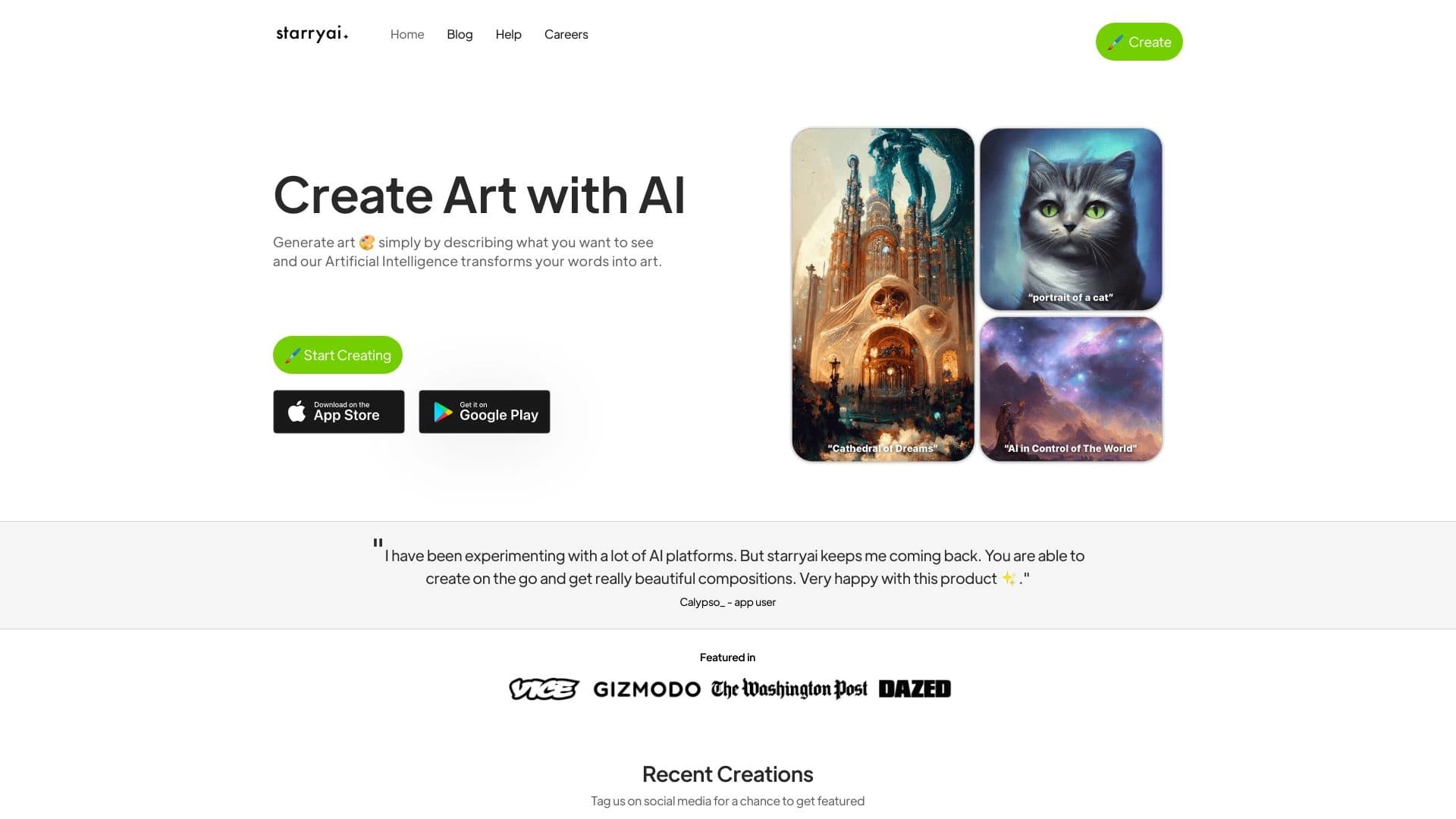

Neural network that generates images and illustrations based on a text description.
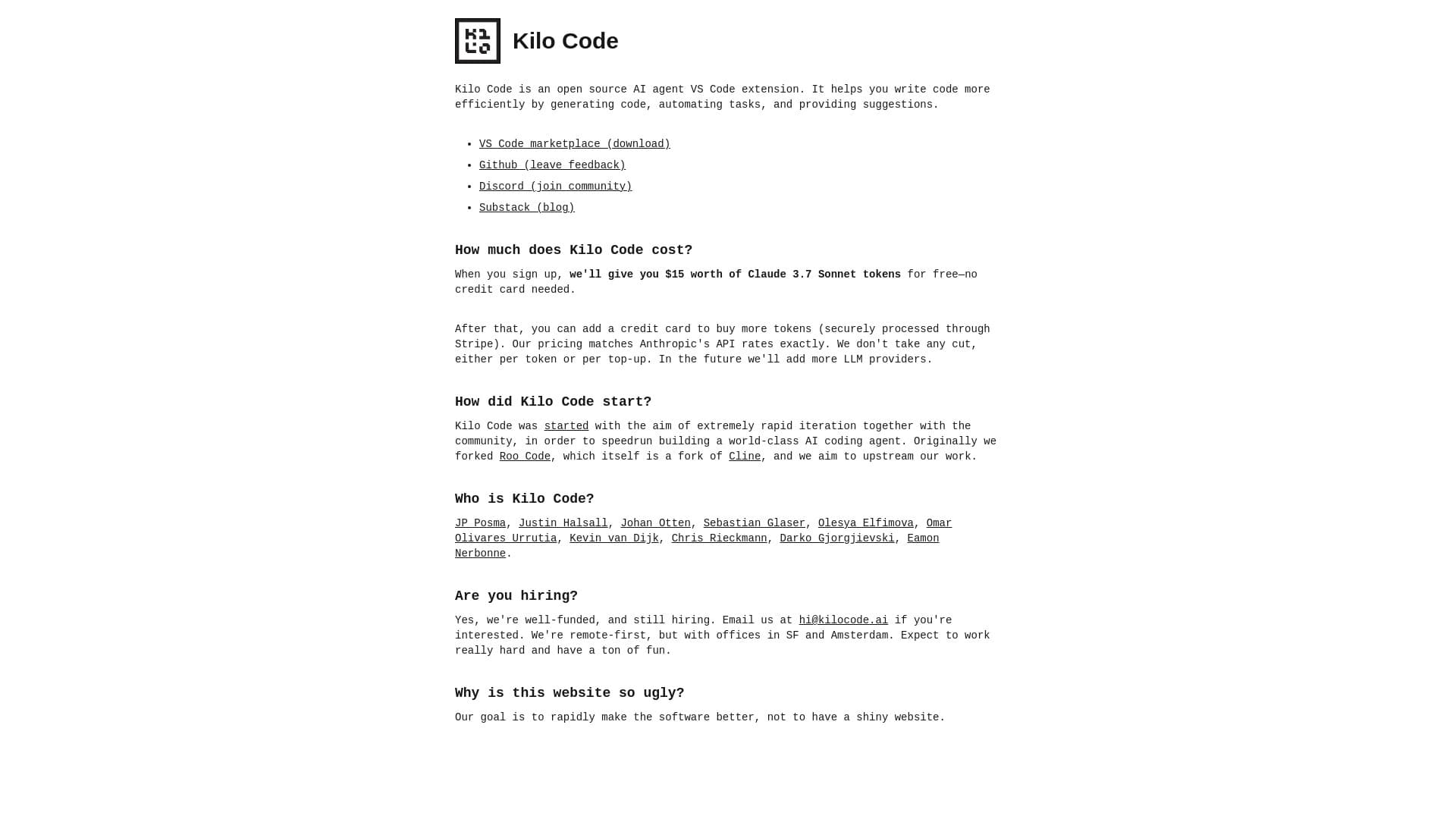

An open-source AI development agent that helps generate, refine, and debug code directly in the IDE.


AI tool for creating SEO-optimized multilingual content.
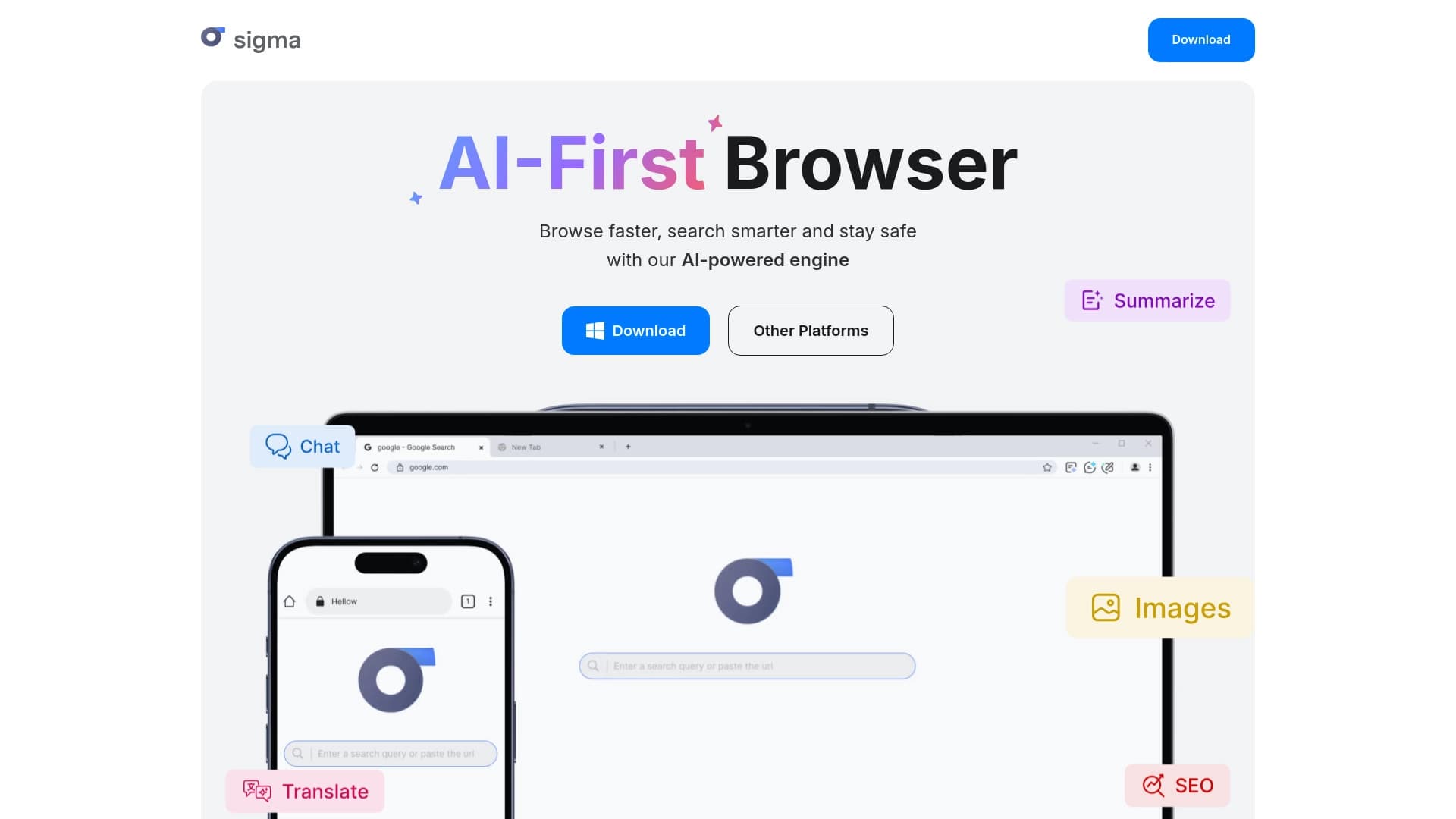

A browser with built-in AI tools for chatting with neural networks, generating texts and images, translating and summarizing pages.
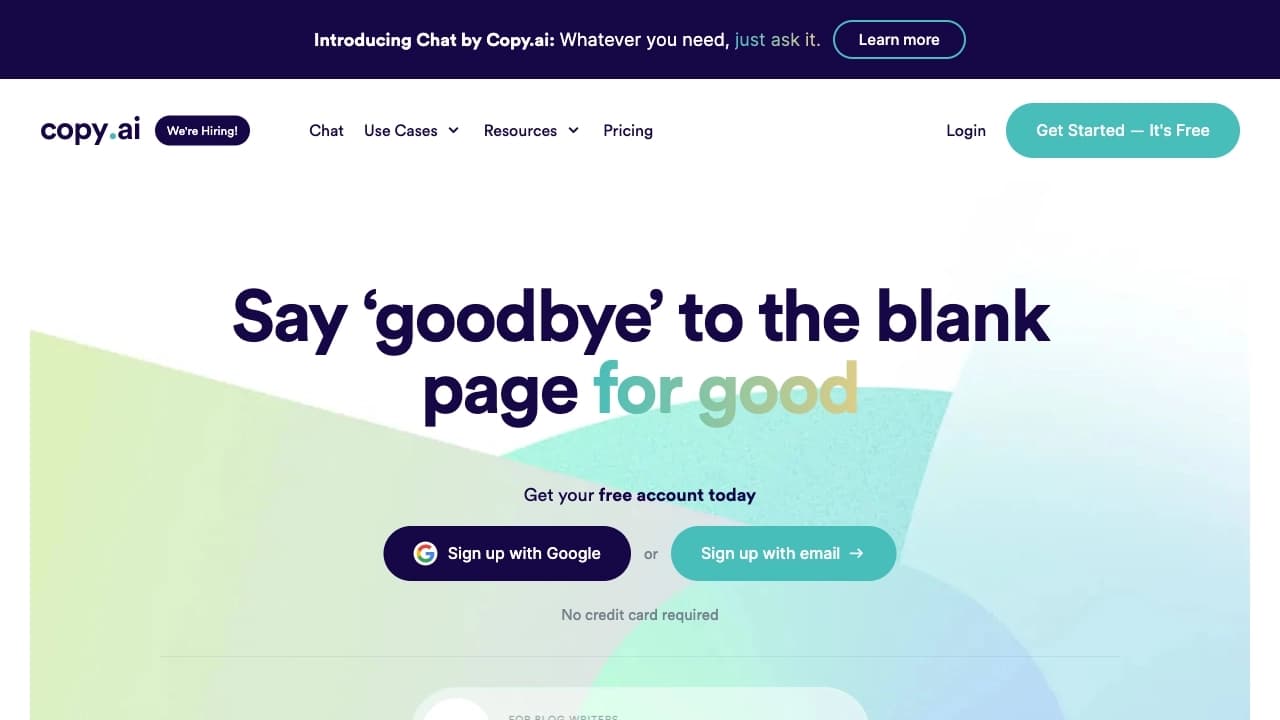

AI-based service for automatic generation of text content in various formats.

Cloud platform for creating videos using AI avatars, synthesized speech, and automatic translation of clips into dozens of languages.

A multifunctional AI assistant for chat, text and image generation, translation, and programming help.

A community platform for discovering, publishing, and sharing open AI image generation models.