
BlenderGPT
Python code generator for Blender based on text commands.
Overview
BlenderGPT is an AI-powered tool that converts natural language text commands into executable Python code for Blender. The main goal of the neural network is to eliminate the barrier between the user's intent and its implementation in the 3D editor. Instead of manually writing scripts and figuring out the Blender API, the user formulates a request in plain words, and BlenderGPT generates ready-to-run code that can be executed immediately.
How it works
The operating principle is based on analyzing a text query and transforming it into syntactically correct Python code. The neural network understands the context of the task: creating objects, setting up materials, animation, and working with the scene. The user enters a command, for example, "create a cube and rotate it 45 degrees," and gets a script that performs that action.
Purpose of the tool
The tool is designed to simplify routine operations and lower the entry barrier for beginners. For experienced developers, it acts as an auxiliary code generator that saves time on typical tasks. BlenderGPT does not replace Blender but merely automates the process of writing scripts within it.
BlenderGPT Characteristics
| Characteristic | Value |
|---|---|
| Tool type | Python code generator for Blender |
| Input data | Natural language text commands |
| Output data | Ready-to-run Python script for Blender |
| Distribution model | Not specified |
| Official website | Not specified |
| Interface languages | Not specified |
| Integration method | Not specified |
Who is BlenderGPT suitable for?
Beginners in 3D modeling
Users who are just starting to learn Blender and are not familiar with programming can create objects and scenes without learning Python. It is enough to describe what needs to be done — the neural network handles the rest.
Experienced 3D artists
Professionals who know Blender but do not want to spend time writing standard scripts can use BlenderGPT to speed up routine tasks: generating similar objects, adjusting parameters, or basic animation.
Technical specialists and developers
Specialists working with Blender through the API can use the tool as a draft for rapid code prototyping. The generated script can then be refined manually for more complex tasks.
How to use BlenderGPT?
Step 1: Formulating a request
The user enters a text command describing the desired action. It is important to be as specific as possible: specify object types, their parameters, transformations, and other details. The more precise the request, the more accurate the generated code will be.
Step 2: Getting the code
After processing the request, the neural network outputs a ready-to-run Python script. The code can be copied to the clipboard or saved to a file for later use.
Step 3: Running in Blender
The resulting script is run in Blender in the standard way — through the text editor or the Python console. After execution, the object, scene, or animation is created automatically.
Key features of BlenderGPT
Code generation from text descriptions
The main feature is turning a natural language phrase into an executable script. This covers creating objects, modifying their properties, transformations, and other typical operations.
Automation of routine processes
The tool allows automating the creation of repeating scene elements: for example, placing copies of an object, setting up materials, or batch operations. This reduces the time spent on repetitive tasks.
Learning support
BlenderGPT can act as a learning assistant: users can see what the code for a particular command looks like and gradually learn the basics of Python scripting for Blender.
Advantages of BlenderGPT
- Low entry barrier: no programming knowledge is required — just describe the task in words.
- Time savings: code generation is significantly faster than writing it manually.
- Convenience for beginners: allows jumping straight into creating 3D content instead of learning Python syntax.
- Auxiliary tool for pros: speeds up creating template scripts and draft versions of code.
Disadvantages of BlenderGPT
- Limited data: currently, there is no official information about the full functionality, supported operations, or depth of code generation.
- Possible errors in complex scenarios: with imprecise or complex queries, the generated code may require manual refinement.
- Lack of distribution details: it is unclear whether the tool is free, requires a subscription, or needs installation.
What tasks does BlenderGPT solve?
The tool addresses a range of tasks related to creating 3D content in Blender:
- Creating objects: generating simple and compound geometric shapes from text descriptions.
- Performing transformations: moving, rotating, and scaling objects.
- Basic animation: setting up keyframes and simple animation sequences.
- Scene automation: placing multiple objects, changing their properties and parameters.
- Learning scripting: a visual demonstration of how certain actions are implemented in Python code.
At the same time, due to limited information, it is impossible to claim that all the listed tasks are performed equally well.
BlenderGPT Pricing
There is no official information about the cost of using BlenderGPT. It is unknown whether the tool is completely free, operates on a subscription model, or offers one-time plans. It is recommended to follow the project's official sources for up-to-date pricing information.
BlenderGPT Terms of Use
Transparent terms of use for the tool have not been published so far. There is no information about licenses for the generated code, limits on the number of requests, or rules for commercial use. Users should refer to the project documentation or official statements from the developers to clarify these details.
BlenderGPT Availability
Information about BlenderGPT's availability is incomplete: it is not specified whether the tool works as a web service, a Blender add-on, or a standalone utility. It is also unknown whether it is available on different operating systems and whether different Blender versions are supported. Clarification requires reviewing the original source or official project updates.
How BlenderGPT differs from alternatives
The main difference between BlenderGPT and other solutions is its narrow focus on generating code specifically for Blender. Many general-purpose AI tools require additional setup and knowledge of context, while BlenderGPT is tailored to a specific piece of software and its unique Python API. This could potentially provide more accurate results for tasks within Blender. However, a detailed comparison with specific competitors is impossible due to the lack of information about internal algorithms, as data on other tools is not presented in the source materials.
Conclusion
BlenderGPT is a promising tool designed to automate writing Python code in Blender through text commands. It targets both beginners who want to avoid learning programming and experienced users looking to speed up routine operations. The tool's core capabilities are clear, but the full picture of its functionality, distribution, pricing, and limitations remains undisclosed. Any potential user should keep in mind that the data about the project is limited, so it is worth waiting for official clarifications from the developers before using it.
Frequently asked questions
See also
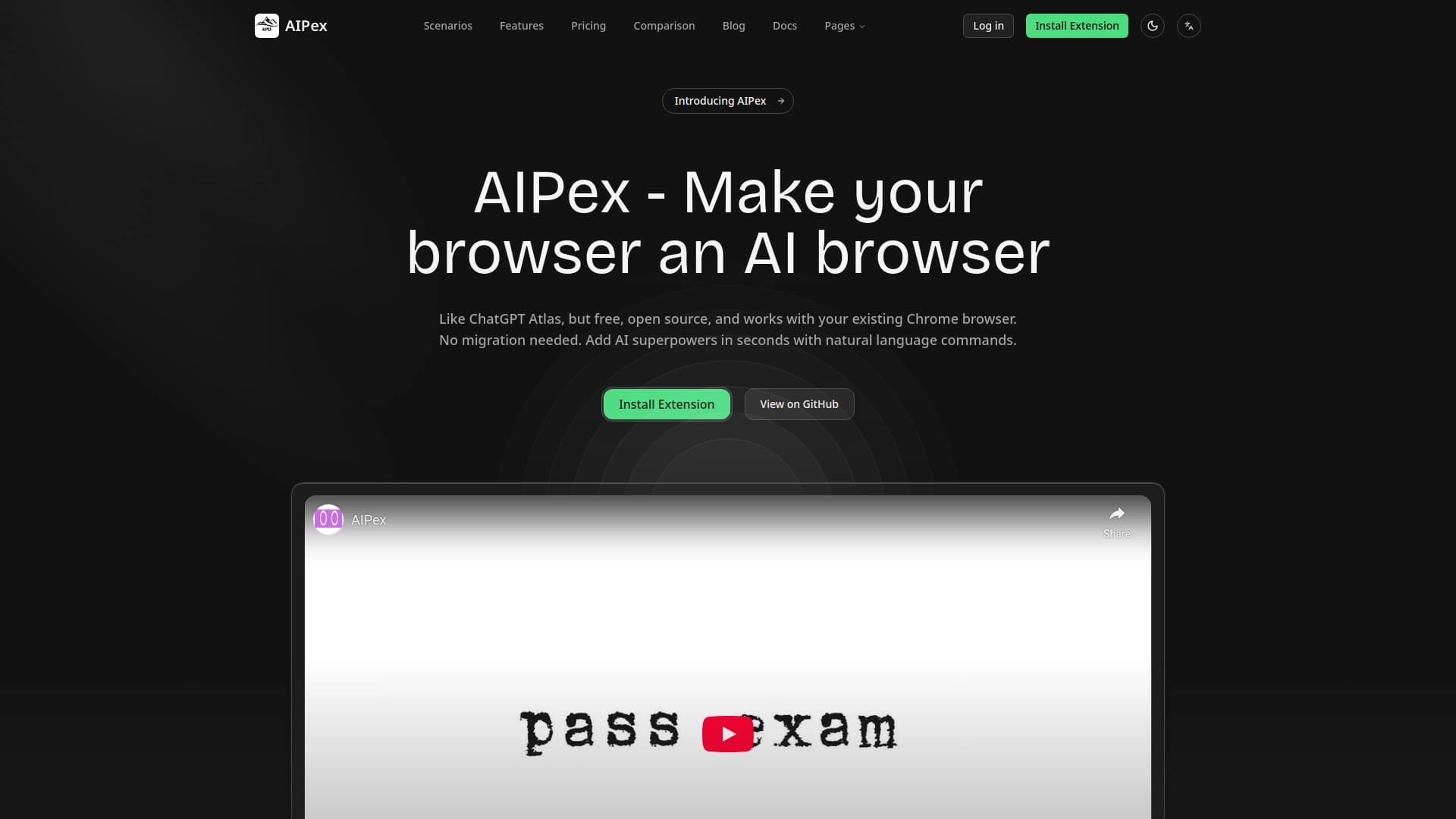

Chrome extension that helps manage tabs, history, and bookmarks with an AI assistant.

Anakin.ai is a low-code platform that combines various AI models for content creation and workflow automation without coding.
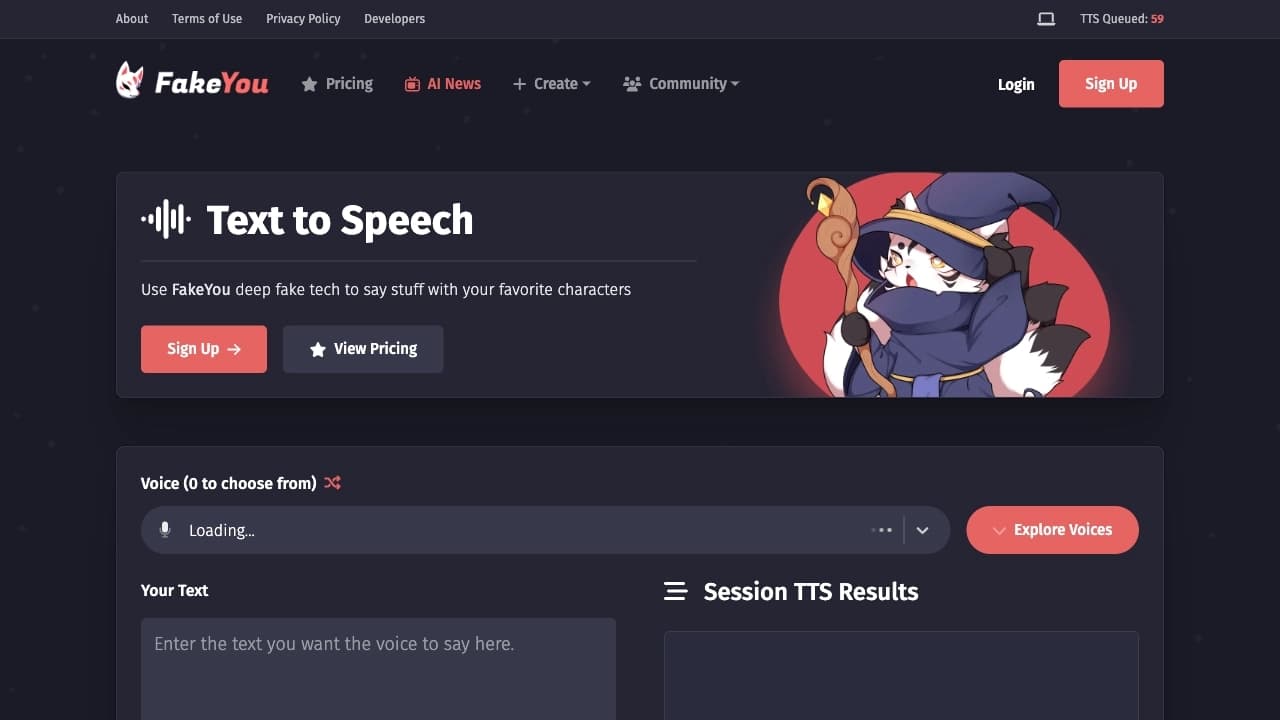

Online AI speech synthesis platform that allows generating audio with voices of famous characters and celebrities.
Unified API access to more than 500 AI models, including GPT-5 and Claude 4.5, with the ability to save on costs.

Online service for creating a realistic voice clone from a short audio recording and text-to-speech.
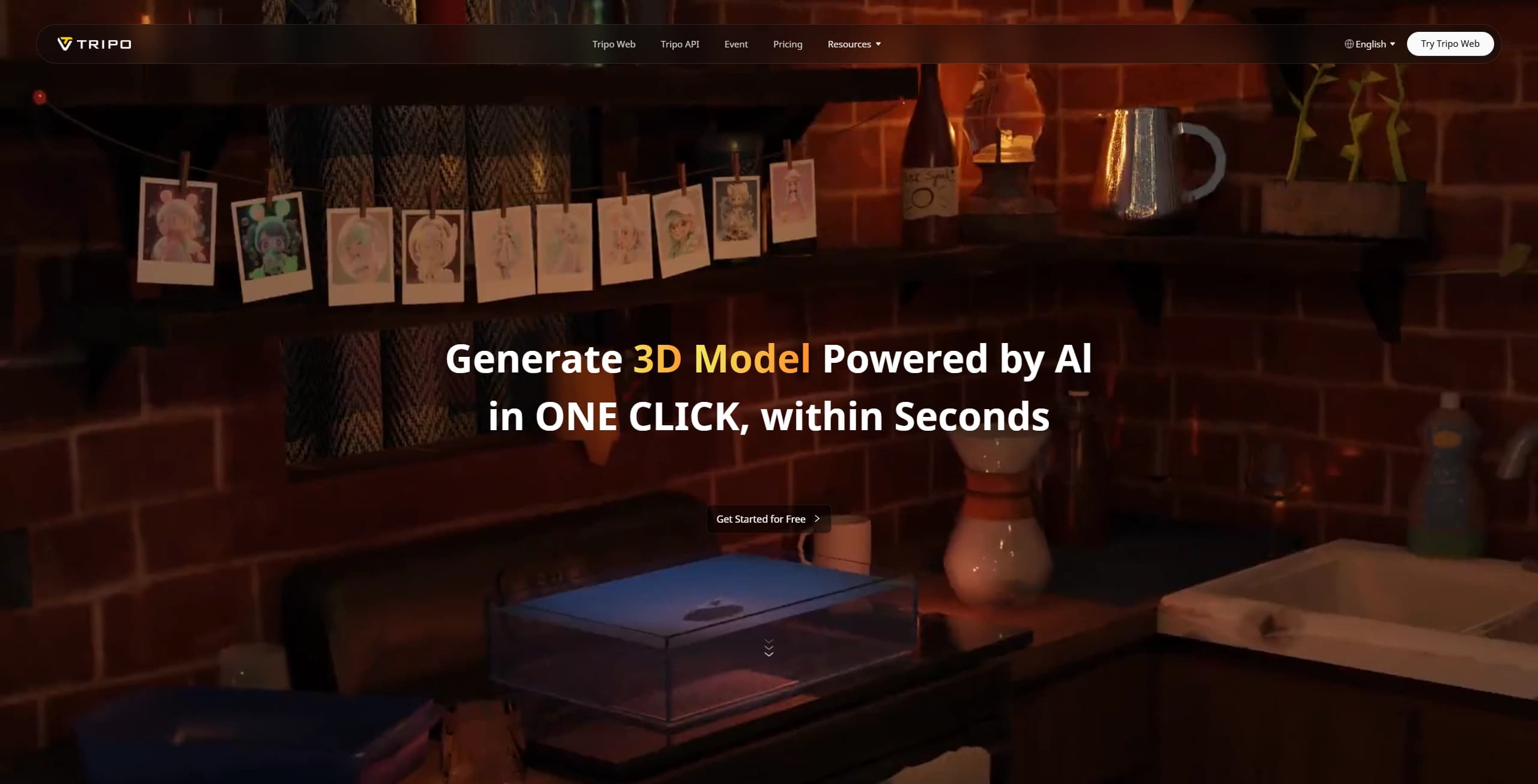

A tool for generating 3D models based on text descriptions, images, or sketches.

AI toolkit for video generation and editing, including avatars, lip-sync, and voice cloning.

A neural network for generating short videos from text descriptions or images.