
BioSeek Reader
Chrome extension that turns biological terms in scientific articles into interactive cards with detailed information.
Overview
BioSeek Reader Neural Network Description
BioSeek Reader is a specialized extension for the Google Chrome browser, designed for working with scientific literature in the fields of biology and medicine. Its main goal is to eliminate the primary barrier in reading complex research articles: the constant need to consult reference materials to understand terminology.
The tool works directly with the text of scientific publications, automatically identifying biological concepts and turning them into interactive cards. When hovering over or clicking a highlighted term, the reader is presented with a brief reference containing key details. The extension is not limited to simple definitions — it understands context, distinguishes synonyms and alternative names, and links related terms into a unified network, allowing the user to move from one concept to another without leaving the page. The tool's database covers more than 60 million biological terms, including genes, diseases, drugs, and biological pathways.
BioSeek Reader Features
| Feature | Value |
|---|---|
| Type | Browser extension |
| Categories | Knowledge base tools, knowledge creation tools, knowledge management tools, research tools, bio-linking tools |
| Platforms | Chrome |
| Developer | BioSeek |
| Monthly visits | 38.6K |
| Free tier | Yes |
| Publication date | November 7, 2025 |
| Number of recognized terms | Over 60 million |
Who is BioSeek Reader suitable for?
Students of biological and medical specialties
For students studying genetics, biochemistry, pharmacology, and related disciplines, BioSeek Reader becomes a kind of "translator" from complex scientific language into a more understandable one. Instead of spending time searching for definitions in dictionaries and reference books, students can focus on the essence of the material being studied, receiving the necessary explanations directly at the moment of reading.
Researchers and scientific staff
Researchers working with large volumes of specialized literature also gain significant benefits. The tool is especially useful when reading articles from related fields where unfamiliar terminology is encountered, or when working in areas new to the researcher. The ability to quickly determine the meaning of terms and trace connections between them without losing reading context noticeably increases the speed of material analysis.
Pharmaceutical industry professionals
Professionals involved in drug development and testing can use BioSeek Reader for quick retrieval of information about active substances, their interactions, and related pathologies directly within the text of clinical studies and peer-reviewed journals.
How to use BioSeek Reader?
Step 1: Installing the extension
The setup process requires no special technical skills. Simply install BioSeek Reader from the Chrome extensions catalog, just like any other browser add-on. The tool will be added to the list of installed extensions and automatically activated.
Step 2: Reading scientific articles
After installation, the extension will start working without any additional action from the user. When opening a supported site with scientific publications (e.g., PubMed or Nature Journal), BioSeek Reader automatically scans the text, highlights biological terms, and turns them into clickable interactive elements. No additional configuration, activation, or mode switching is required — the algorithms start working immediately after the page is opened.
Key features of BioSeek Reader
Automatic term recognition
The extension processes the text of scientific articles and finds biological concepts in it: names of genes, diseases, drugs, biological pathways, and other entities. The overall recognition database includes more than 60 million terms, including rare and little-known names.
Interactive cards
Each recognized term becomes a clickable element. Clicking on it opens a pop-up card with detailed information about the concept — its definition, key characteristics, and contextual data.
Synonym handling
In scientific literature, the same concept is often denoted in several ways: by an official term, an abbreviation, an outdated or alternative name. BioSeek Reader correctly recognizes such variants and groups them, giving the user a complete picture without the need to independently match different names.
Navigation through related concepts
The cards display not only descriptions of the terms themselves but also related objects — genes associated with a specific disease, drugs affecting a particular biological pathway, and so on. The connections are presented as clickable groups, allowing the user to move between concepts and explore their interrelationships within a unified context.
Advantages of BioSeek Reader
Significant time savings
The main advantage of the tool is eliminating the need for constant manual searching for definitions. The researcher no longer needs to open additional tabs, enter queries into search engines, and compare results. All necessary information appears directly in the text of the article.
Working with rare terms
Thanks to an extensive database containing more than 60 million terms, the extension handles even highly specialized and rarely encountered vocabulary. This is especially important when reading modern publications where new terms and designations regularly appear.
Understanding connections between concepts
The ability to see related objects and navigate between them helps build a holistic picture of the subject being studied. The user can trace the relationships between genetic mutations, diseases, and potential therapies without leaving the page of a scientific publication.
Disadvantages of BioSeek Reader
Limited compatibility with websites
The extension does not work correctly on all internet resources. Full functionality — automatic term highlighting and creation of interactive cards — is ensured only on certain scientific platforms, including PubMed and Nature Journal. On other sites, the tool may work incorrectly or not work at all.
Possible recognition errors
Like any automated system, BioSeek Reader can make mistakes. In some cases, the extension may fail to recognize a rare or new word, and sometimes it may incorrectly highlight a term that is not a biological concept. This should be taken into account when working with critically important texts.
Requirement for a stable internet connection
The tool works as an online service: data is loaded from servers during use. Without a stable internet connection, most of the extension's functions become unavailable, making full-fledged work with BioSeek Reader impossible in offline mode.
What problems does BioSeek Reader solve?
Accelerating scientific literature analysis
The main task of the tool is to minimize the time needed to understand complex scientific material. Instead of interrupting reading after every unfamiliar term and switching to search engines, the researcher receives information directly in the context of the article.
Studying genetic and pharmacological data
The extension allows quickly obtaining information about genes, diseases, drugs, and their interrelationships. When studying material about a specific disease, the user can learn which genes are associated with its occurrence, which drugs are used for therapy, and which biological mechanisms are involved.
Organizing navigation within scientific text
BioSeek Reader makes a scientific article more structured from a navigation standpoint. Thanks to clickable links between terms, the reader can explore the material not only linearly, from paragraph to paragraph, but also jump directly to concepts of interest, building their own learning trajectory.
BioSeek Reader Pricing
Free tier
The basic version of the extension is provided free of charge. It includes core features — automatic term recognition and creation of interactive cards — allowing the user to get acquainted with the tool's capabilities and assess its usefulness for their tasks.
"Standard" plan
This plan offers an expanded set of tools and technical support, which may be relevant for researchers who regularly work with large volumes of scientific literature.
"Premium" plan
The Premium plan provides the full set of features, including all available tools, as well as priority support and additional capabilities not included in cheaper plans.
Terms of use for BioSeek Reader
To work with BioSeek Reader, you need to install the extension in the Google Chrome browser. After installation, the tool does not require complex configuration or registration (if the user chooses the free tier).
An important condition is a stable internet connection. The extension operates in online mode, loading term data from remote servers. Without a network or with an unstable connection, correct operation of the tool is not guaranteed, and most functions become unavailable.
BioSeek Reader Availability
The extension is available to Google Chrome users on various operating systems that support this browser. BioSeek Reader is optimized for working with major scientific databases and is primarily compatible with platforms such as PubMed and Nature Journal.
On these resources, term recognition and creation of interactive cards happen automatically, ensuring stable and full-fledged operation. As for other sites, full compatibility is not guaranteed, and the extension's functionality may be limited.
How BioSeek Reader differs from alternatives
Other tools for working with knowledge and educational materials are available on the market, including Duolingo, DeepTutor, Quizlet AI, StudGPT, Photomath, and Kampus.ai. However, BioSeek Reader occupies a highly specialized niche focused exclusively on working with biological and medical terminology in the context of scientific publications.
The main difference of the tool is its deep integration into the workflow of reading scientific literature. Instead of creating a separate platform for studying materials, the extension operates directly within the article being read, eliminating the barrier between text and reference information. It does not just provide definitions but builds connections between biological objects, making it especially useful for research work rather than just basic learning.
Another distinguishing feature is the scale of the database. Recognition of more than 60 million terms, including rare and new names, is unavailable to most universal educational tools, which operate with significantly smaller amounts of information.
Conclusion
BioSeek Reader is a highly specialized tool for students and researchers who regularly work with scientific articles in the fields of biology, genetics, biochemistry, and pharmacology. The extension turns biological terms into interactive cards directly within the text of a publication, recognizes more than 60 million concepts, and allows studying connections between genes, diseases, and drugs without manual searching. The presence of a free tier provides an opportunity to evaluate the tool's usefulness before deciding on a paid subscription. Among the limitations, one should consider compatibility only with certain scientific platforms and the need for a stable internet connection for full-fledged operation.
Frequently asked questions
See also
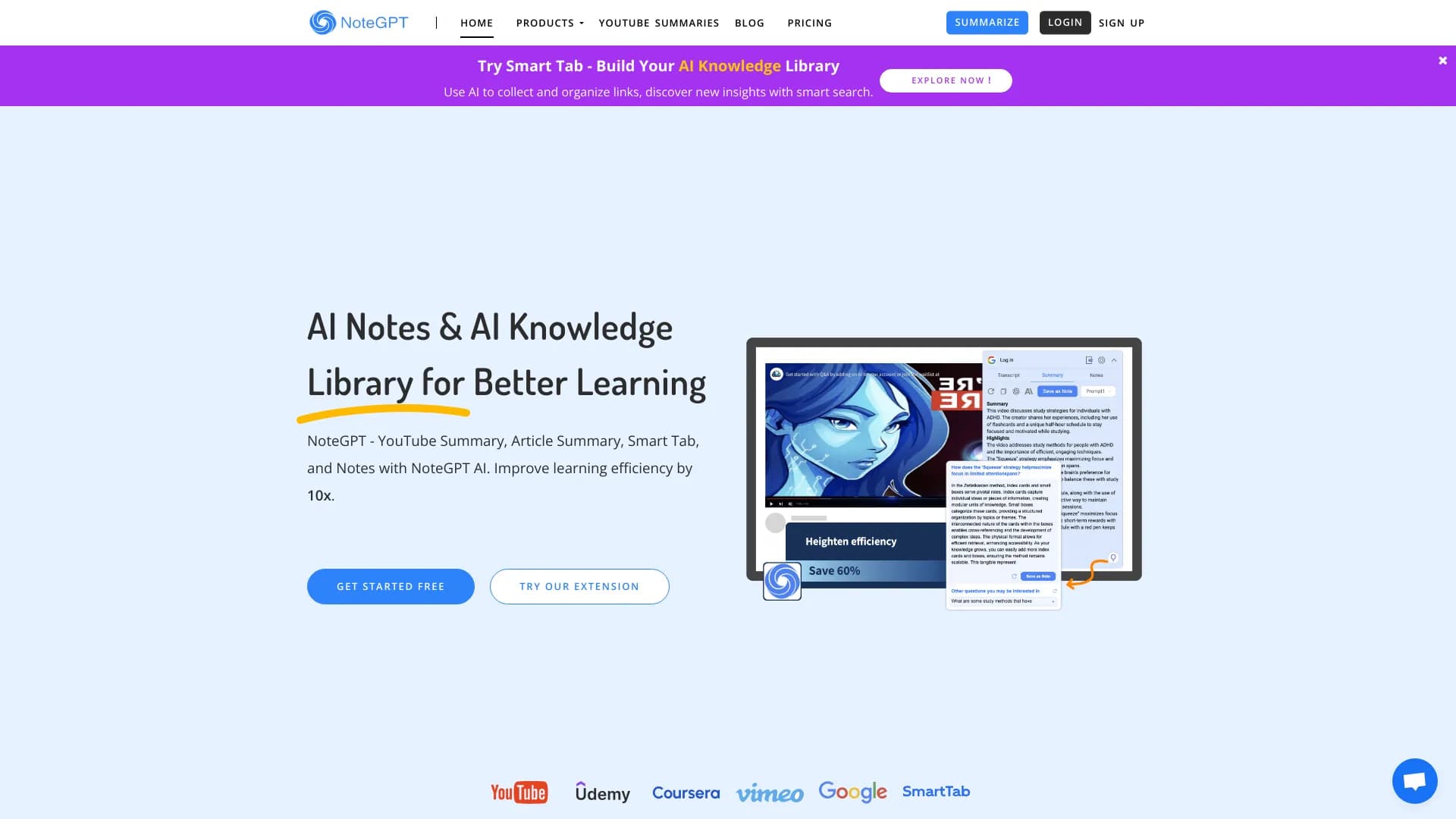

AI assistant for creating short summaries of videos, PDF documents, and web pages.
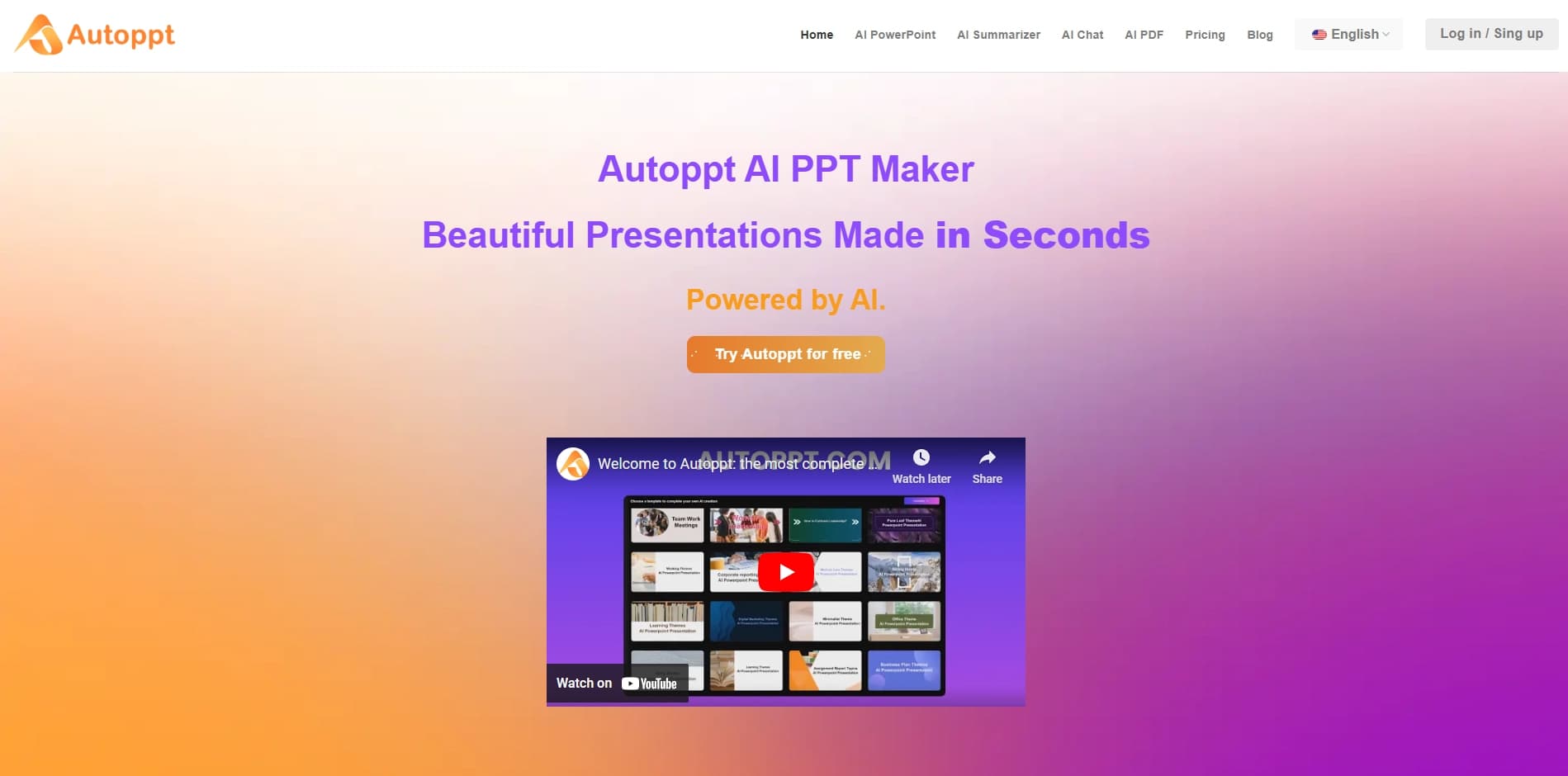

Online AI-powered service for quickly creating presentations based on a given topic or an uploaded document.

Multifunctional AI platform for content creation, combining speech synthesis, text generation, avatar creation, and video editing.


Side AI panel that helps answer questions, work with documents, and generate images.
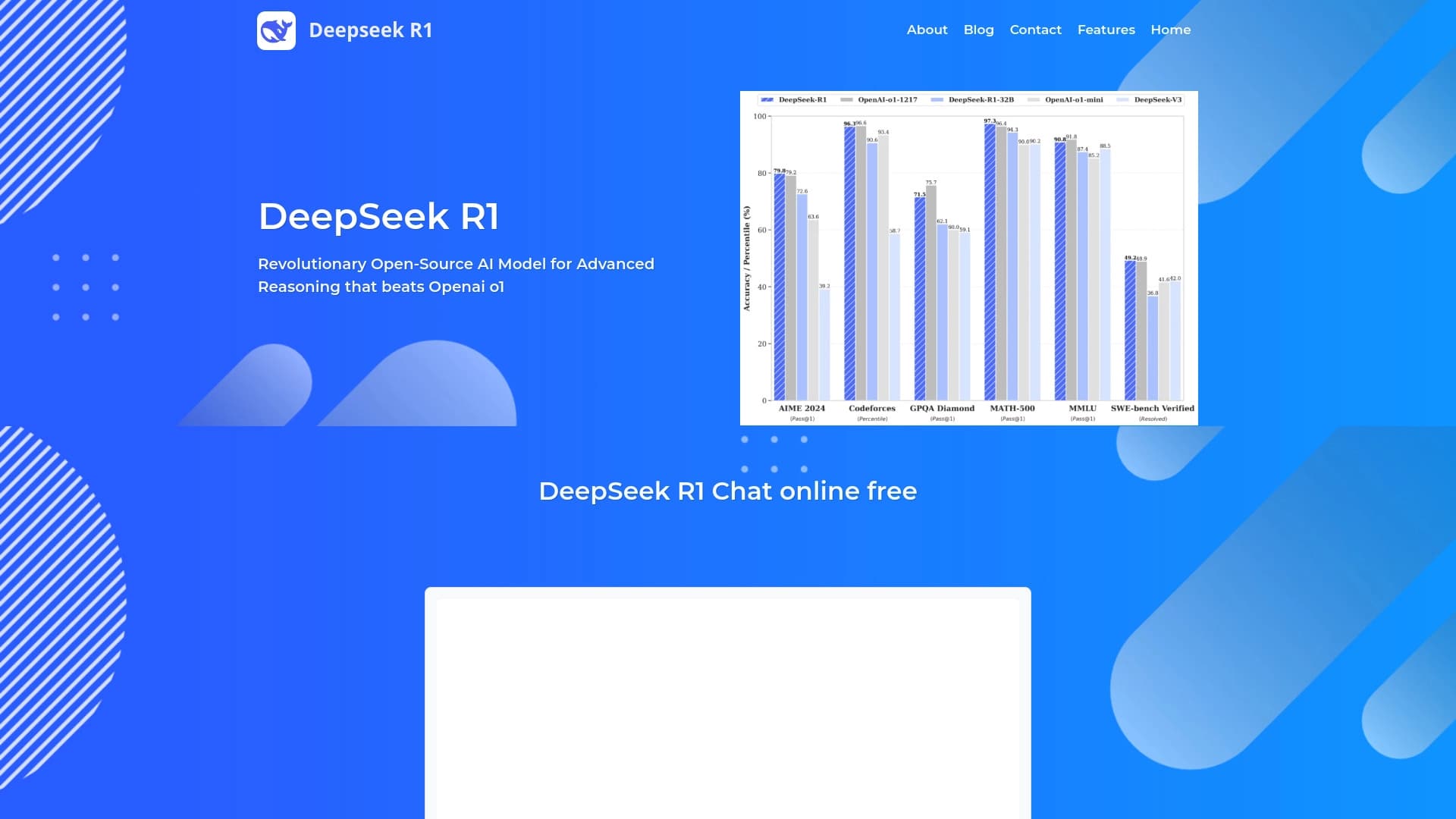

Open neural network for solving complex problems in mathematics, programming, and logic.

Cloud platform for creating videos using AI avatars, synthesized speech, and automatic translation of clips into dozens of languages.
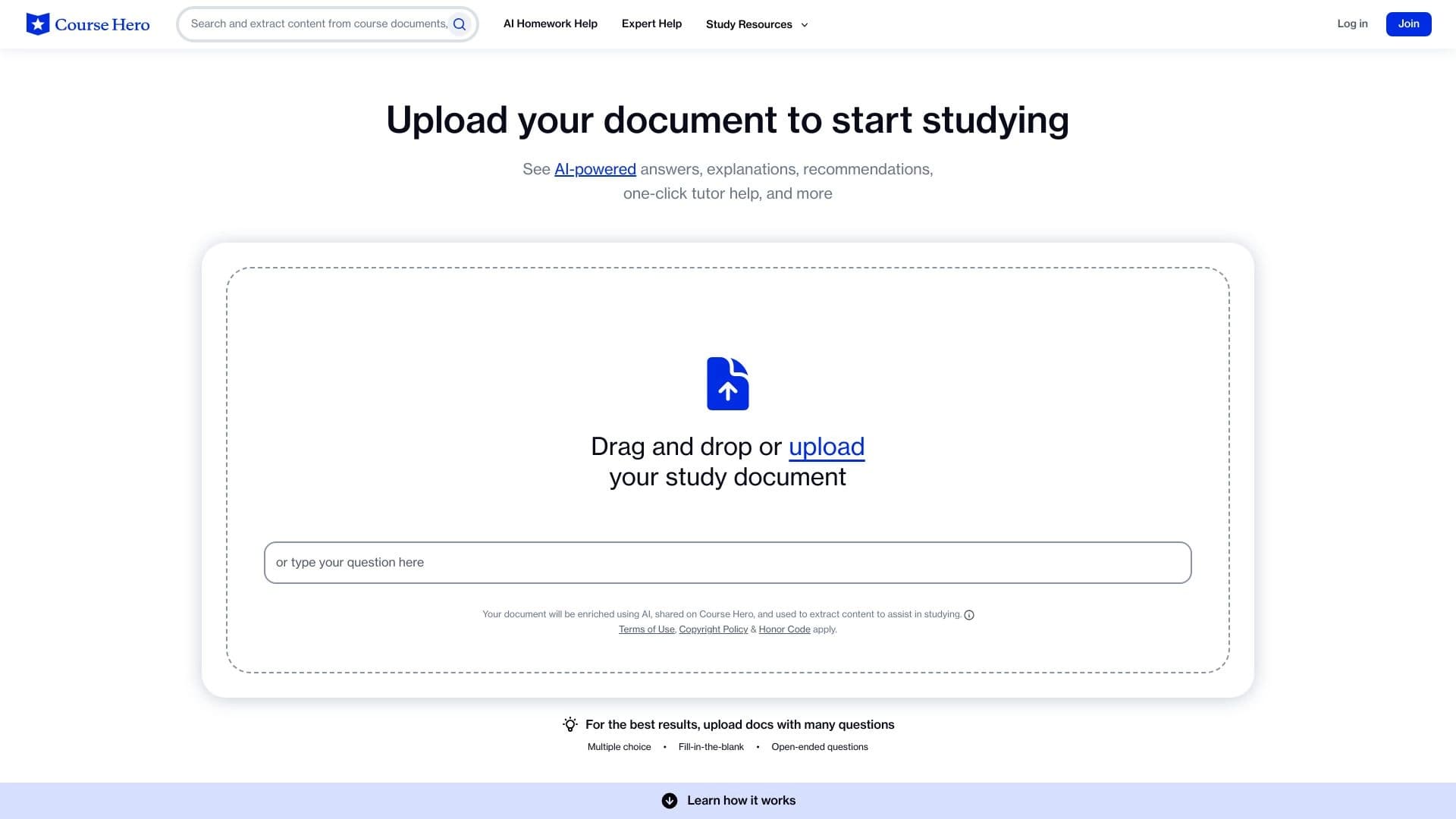
AI assistant that analyzes uploaded study documents, identifies questions, and provides detailed explanations.

A neural network for document analysis that extracts key information, creates summaries, and answers questions about the contents of uploaded files.