

Basemark
Tool for testing the performance of automotive systems, evaluating graphical and computational power.

Overview
Basemark is a specialized benchmarking platform designed to measure and analyze the performance of automotive systems. The core purpose of the tool is to evaluate the graphical and computational power of in-vehicle solutions in real time. The system collects telemetry directly while the hardware is in operation and generates detailed reports based on this data. This allows developers and manufacturers to objectively assess the quality, stability, and suitability of a system for the tasks at hand.
Purpose and Scope
The platform is exclusively focused on the automotive industry. It is not a universal testing solution for all electronics but is specifically tailored to vehicles and their components. This makes it an indispensable aid in developing new models, optimizing existing in-vehicle systems, and ensuring quality control during the production phase.
Key Value for Developers
For engineers, Basemark acts as a bridge between abstract "power" metrics and real user experience. Instead of dry numbers detached from context, the platform provides structured data on how the system behaves dynamically, how stable its performance is under peak loads, and whether there is any performance degradation over time.
Basemark Features
| Feature | Value |
|---|---|
| Type | Benchmarking platform for automotive systems |
| Categories | Reports, Logs & Monitoring |
| Website | www.basemark.com |
| Publication Date | August 14, 2025 |
| Scope | Exclusively automotive |
| Primary Purpose | Measuring graphical and computational power |
| Workflow | Real-time data collection, report generation |
| Audience | From small teams to large corporations |
Who Is Basemark For?
Automobile Manufacturers
Major automakers and OEM manufacturers use the platform to validate their new models. The tool allows them to verify that multimedia systems, digital instrument clusters, and driver assistance systems work correctly and remain stable over long operating cycles.
In-Vehicle Software Developers
Companies creating software for vehicles can use Basemark to optimize their code. The platform helps identify performance bottlenecks, verify the efficient use of graphics processing units (GPUs), and ensure the software runs quickly and without failures on the target hardware.
Quality and Testing Engineers
QA specialists gain an objective tool for verifying system stability. Basemark is suitable for both one-off tests and regular monitoring within a continuous integration cycle, making it useful for everything from small startups to large enterprises.
How to Use Basemark
To get started effectively with the platform, it is recommended to follow a specific sequence of steps.
Step 1: Prepare Your Hardware
The first and most critical requirement is having powerful, up-to-date hardware. Since the tool places a heavy load on the system being tested, weak or outdated configurations can skew results or cause the platform itself to crash. Before starting tests, make sure your hardware meets the minimum requirements of the systems being tested.
Step 2: Study the Materials
To quickly master the interface and testing methodologies, use the official training materials and documentation from Basemark. This will help you understand how the system works, interpret reports correctly, and avoid common mistakes when configuring test parameters.
Step 3: Run and Analyze
Once tests are launched, the platform automatically collects data in real time. The results are compiled into detailed reports that clearly highlight system bottlenecks and support optimization decisions.
Key Basemark Features
Real-Time Data Collection
The platform continuously monitors key performance indicators. It records changes in CPU, GPU, and memory load directly while the system is running, providing a true picture of what is happening.
Detailed Report Generation
Based on the collected data, the system creates structured documents. These reports contain not just numbers but analytical conclusions about the quality and stability of performance. This allows engineers to quickly identify defects and assess the effectiveness of changes made.
User-Friendly Interface and Scalability
Basemark's interface is designed to be intuitive even for users without deep programming knowledge. At the same time, the platform scales to tasks of any size — from testing a single device to comprehensive analysis of an entire vehicle lineup.
Basemark Advantages
High Accuracy and Objectivity
The use of specialized algorithms and direct data collection from hardware ensures high measurement accuracy. Developers can rely on the results without worrying about distortions or "averaged" values.
Regular Updates
The automotive industry evolves rapidly, and the platform strives to keep pace. The Basemark team regularly releases updates that add new test scenarios and keep existing features current.
Ease of Adoption
Despite the complexity of the tasks it solves, the platform has a relatively low entry barrier. Thanks to a well-designed interface and documentation, a team can start using the tool without lengthy training.
Basemark Disadvantages
High System Load
The platform requires powerful hardware and itself places a significant load on the components being tested. This can be an issue when working with budget or performance-limited systems.
Limited Scope
The tool is designed exclusively for the automotive industry. It cannot be used to test, for example, mobile devices or server hardware, making it useless for general-purpose labs.
High Cost
The key limiting factor is price. The tool belongs to the premium segment and is aimed at professional market players whose budgets allow investment in expensive specialized software.
What Problems Does Basemark Solve?
Assessing Graphical and Computational Power
The main task is detailed measurement of automotive system performance. The platform tests both the graphics subsystem (responsible for rendering interfaces and 3D graphics) and the overall computational power of the central processor.
Testing Stability and Quality
Beyond raw performance, Basemark helps uncover stability issues. The platform can detect whether clock speeds drop under heat, whether there are system crashes, and how correctly the system operates under stressful conditions.
Product Optimization
Data obtained from testing serves as the basis for subsequent optimization. Developers can identify inefficient code fragments or overloaded subsystems and improve them in a targeted manner.
Basemark Pricing
No information about the cost of using the Basemark platform is available in public sources. It is known that the tool belongs to the premium segment and is an expensive solution. Exact pricing can only be obtained by contacting the developer's sales department directly.
Basemark Terms of Use
The platform operates under a closed distribution model. To begin using the tool, a commercial agreement with the vendor must be signed. Current licensing terms, access procedures, and technical support are negotiated individually with each client depending on the scale of their tasks.
Basemark Availability
The tool is positioned as a professional solution for the corporate segment. As of now, there is no information about a free version or a limited plan for individuals or small research groups. The primary distribution channel is direct sales to corporate clients.
How Basemark Differs from Alternatives
The main difference of Basemark is its narrow specialization. While many benchmarking tools try to cover as many platforms as possible (from PCs to mobile devices), Basemark is entirely focused on the automotive industry.
This shapes its functionality. Tools like Microsoft IQ or Microsoft Fabric address more general data analysis and enterprise system monitoring tasks. UX Audit Tool and Deliverables AI focus on user experience and project management, respectively.
Basemark, in turn, covers exclusively the needs of automakers, providing tools for measuring the graphical and computational power of in-vehicle systems specifically. This makes it an "all-in-one" solution for a specific niche but completely unsuitable for use in adjacent fields. While alternatives offer versatility, Basemark offers unmatched depth in automotive specifics.
Conclusion
Basemark is a powerful and highly specialized benchmarking tool for automotive systems. It offers high measurement accuracy, detailed reports, and a user-friendly interface, making it a valuable asset for professional developers and manufacturers in the automotive industry. However, its significant limitations should be considered: high cost, substantial hardware load, and complete uselessness outside the automotive domain. Choosing this platform is justified only if your work is directly related to the development or optimization of in-vehicle electronics and software.
Frequently asked questions
See also


AI agent for assisting with programming and optimizing the development workflow.
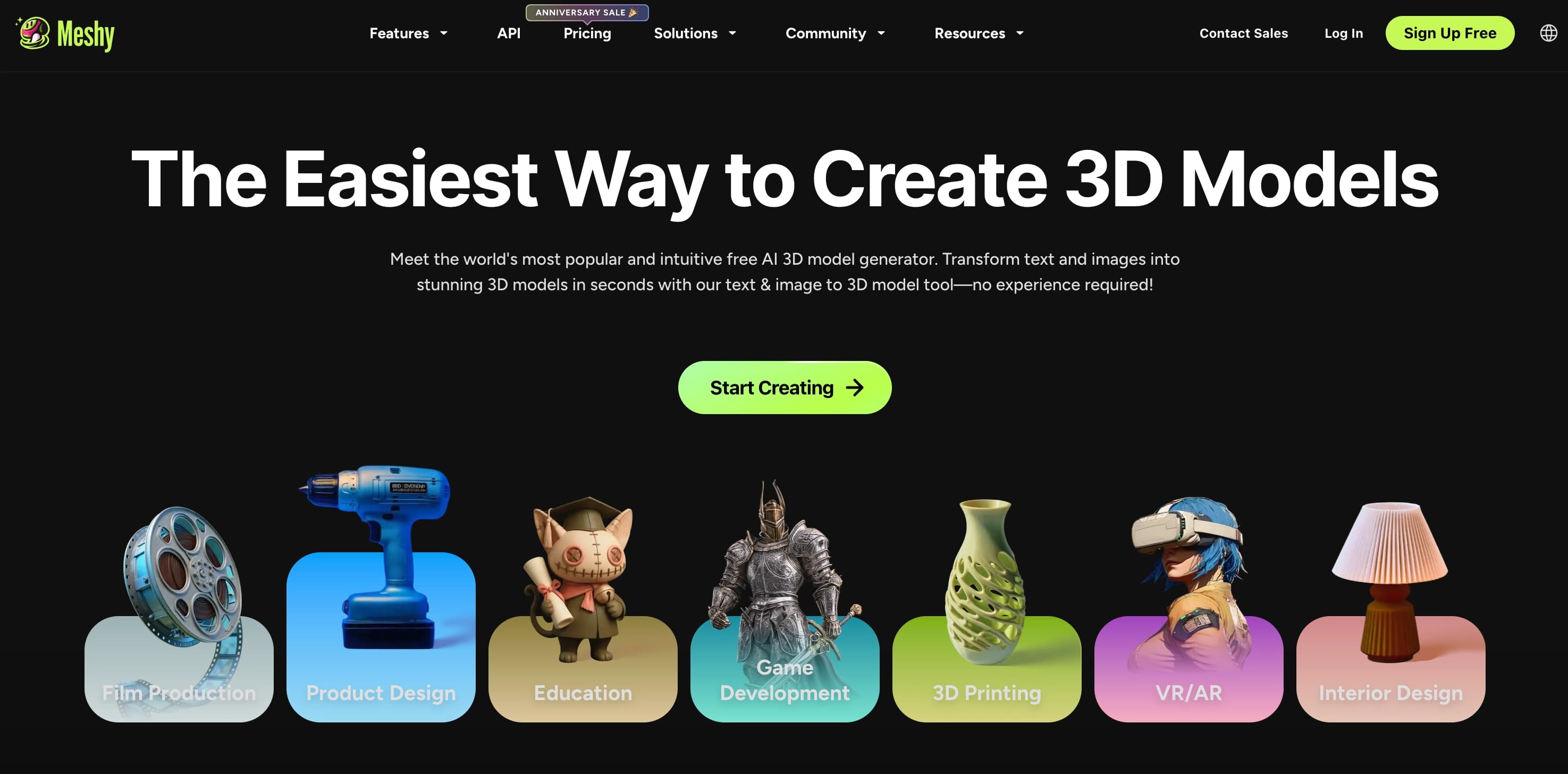
A neural network-powered cloud service for generating 3D models, textures, and animations from text descriptions or images.


Chrome extension that helps manage tabs, history, and bookmarks with an AI assistant.
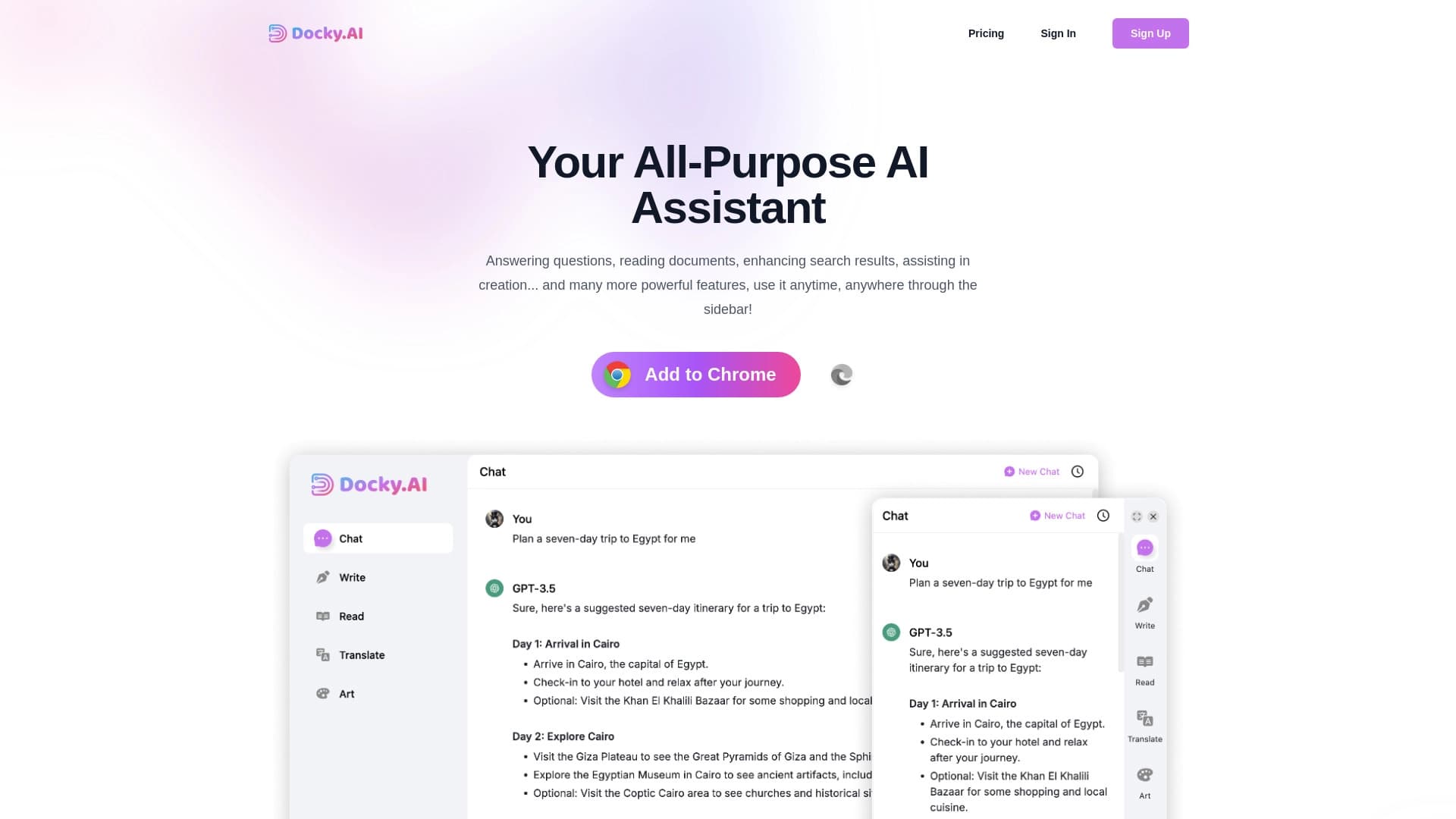

Side AI panel that helps answer questions, work with documents, and generate images.


Project management platform with task assignment, time tracking, and employee workload monitoring features.
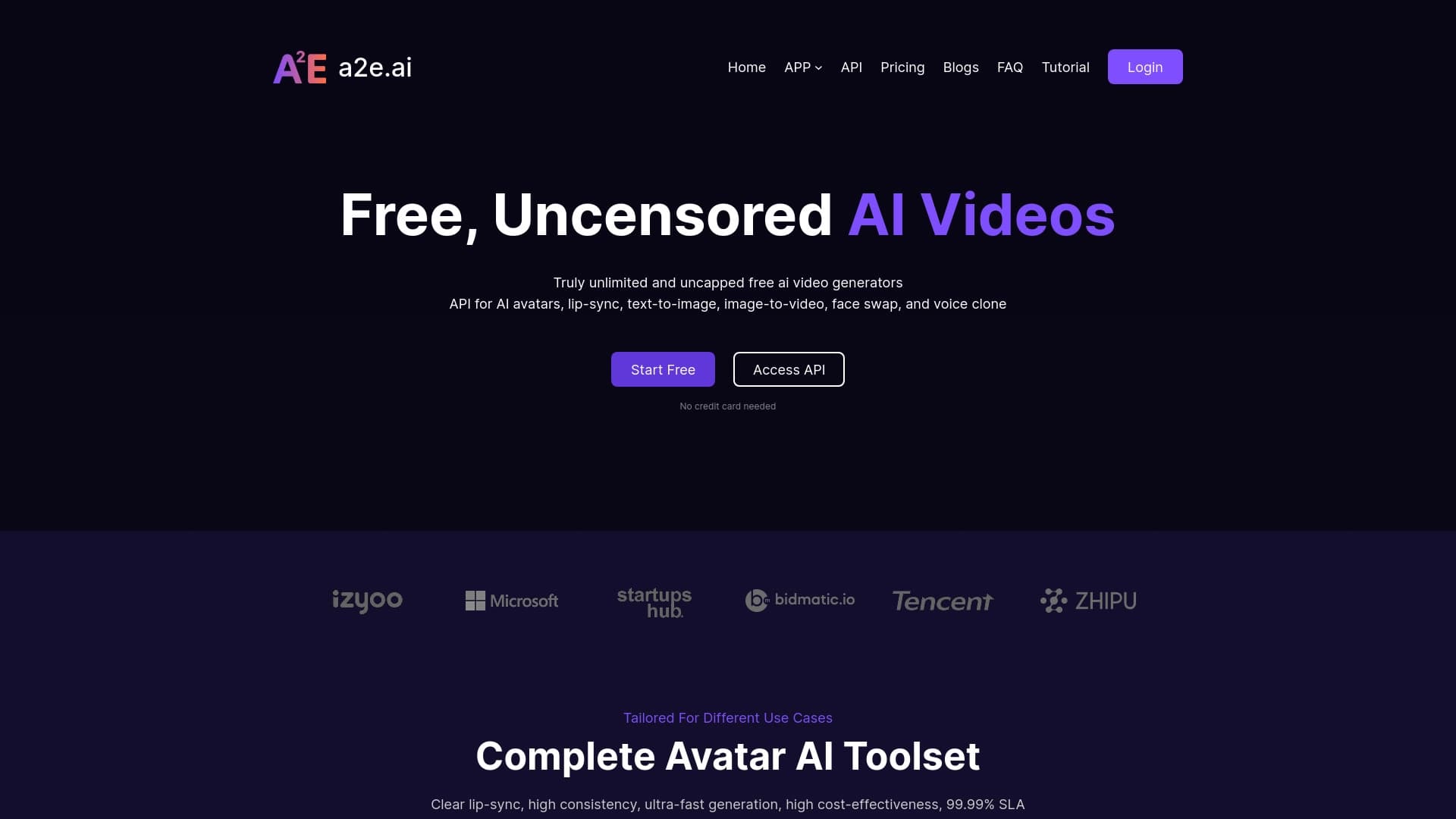

AI toolkit for video generation and editing, including avatars, lip-sync, and voice cloning.


Platform for creating multi-agent AI systems and chatbots to automate customer support and lead generation.
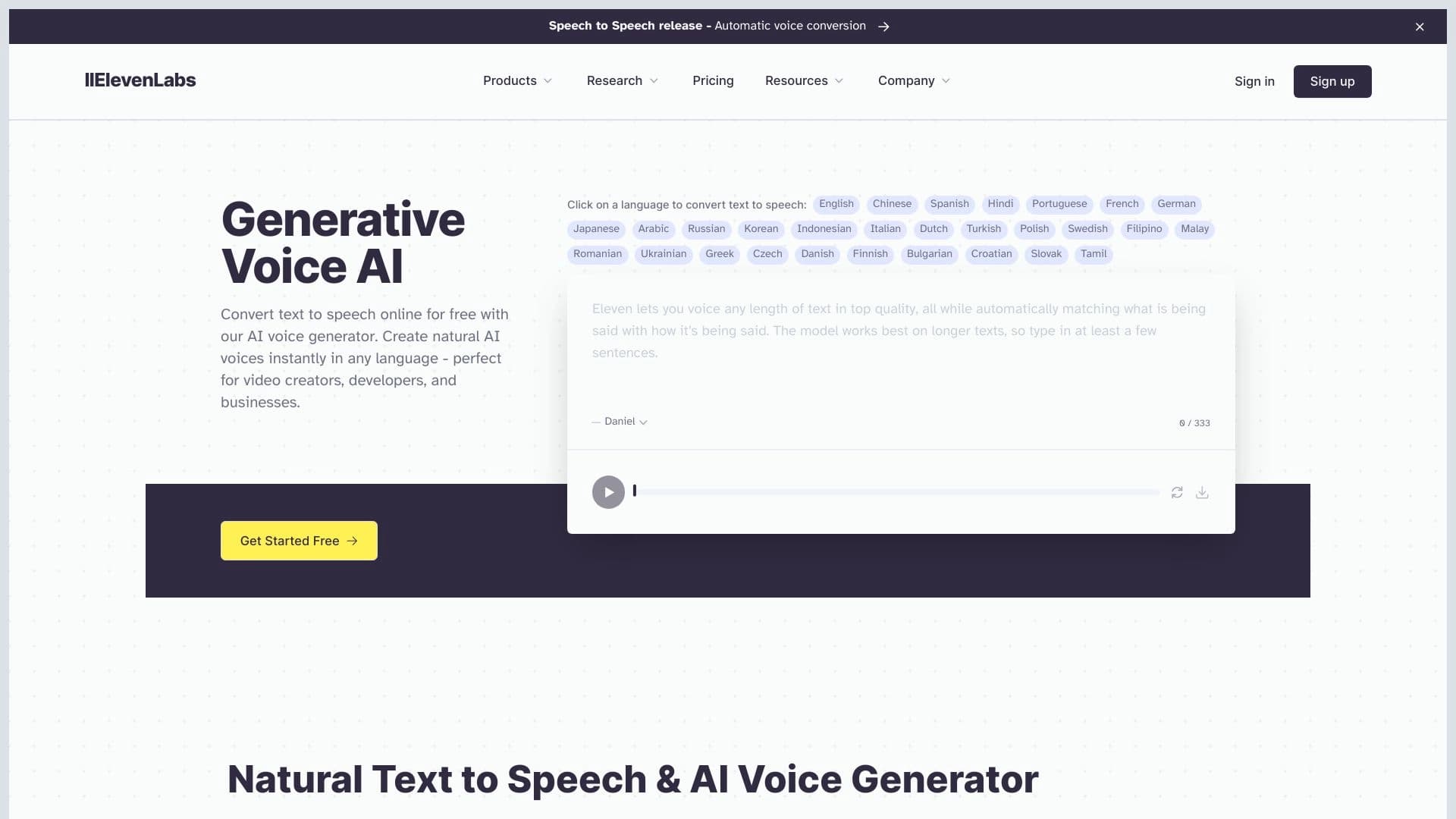
AI platform for voice synthesis and cloning that converts text into realistic speech.