
ApplicantAI
AI assistant for automatic pre-screening of job candidates.
Overview
ApplicantAI is an AI assistant designed to automate the initial screening of candidates for open positions. The system handles the routine part of a recruiter's work: it analyzes incoming resumes, evaluates candidates' answers to questions, and creates a shortlist of the most suitable candidates.
The solution is built on the ATS (Applicant Tracking System) principle with integrated artificial intelligence. Instead of manually reviewing dozens of applications, HR specialists receive a processed result: the system ranks candidates by how well they match the job requirements and passes on only those who have passed automated screening.
Core idea of the product
The key value of ApplicantAI is saving time during the pre-screening stage. The tool does not fully replace the recruiter but significantly speeds up the most labor-intensive stage of the hiring funnel — the initial filtering of a large flow of resumes.
How the system works
ApplicantAI uses natural language processing and machine learning algorithms to extract key data from resumes: work experience, skills, education, and relevance of previous positions. Based on this data, the system generates a scoring assessment for each candidate and matches it against the job profile.
ApplicantAI characteristics
| Characteristic | Value |
|---|---|
| Solution type | AI assistant for pre-screening candidates |
| Core functionality | Automated screening of resumes and candidate responses |
| Technologies | Artificial intelligence, natural language processing, machine learning |
| Integrations | Support for popular ATS systems |
| Primary task | Automating the initial stage of the hiring funnel |
| Distribution model | Not specified |
Who is ApplicantAI suitable for?
HR specialists and recruiters
The tool is designed for those who deal with a large number of job applications daily. ApplicantAI takes over the mechanical work of initial resume review, allowing recruiters to focus on engaging with genuinely suitable candidates.
HR departments of mid-sized and large companies
Companies that post many vacancies and receive hundreds of applications benefit most from screening automation. The system helps standardize the selection process and reduce the impact of human factors in the early stages.
Staffing agencies
For agencies working with multiple clients simultaneously, application processing speed is critical. ApplicantAI helps fill positions faster by automatically sorting candidates by relevance.
How to use ApplicantAI?
Connecting to the hiring process
To get started, ApplicantAI needs to be integrated with the ATS system used by the company. Once connected, the tool gains access to incoming applications and begins automated resume analysis.
Setting up screening criteria
The recruiter defines parameters important for a specific vacancy: required skills, work experience in a particular field, education level, and other requirements. The system uses these criteria to evaluate each candidate.
Working with results
After processing the candidate pool, ApplicantAI provides a sorted list of applicants with an indication of how well they match the requirements. The recruiter reviews the results and decides on next steps — inviting candidates for an interview or conducting additional checks.
Key features of ApplicantAI
Automated resume analysis
The system processes incoming resumes, extracting structured information: experience, skills, education, and relevance of previous positions. This allows for quick evaluation of each candidate without manually reading every document.
Evaluation of candidate responses
In addition to resumes, ApplicantAI analyzes candidates' answers to given questions. This can include questionnaires, cover letters, or specific questions from the employer — the system takes them into account when generating the scoring assessment.
Candidate ranking
Based on a combined analysis of resumes and responses, the system builds a candidate rating. Applicants who best match the specified job criteria receive the highest priority.
Advantages of ApplicantAI
Time savings for recruiters
The tool's main advantage is a significant reduction in time spent on initial screening. Instead of spending hours manually reviewing resumes, recruiters get a ready-made shortlist in minutes.
Reduced workload for HR teams
Automating the routine stage allows HR specialists to redirect their efforts toward more important tasks: conducting interviews, working with candidates, and improving employer branding.
Integration with existing systems
ApplicantAI integrates with popular ATS solutions, allowing the tool to be used without completely replacing the current HR tech stack or disrupting established workflows.
Scalability of the hiring process
The system handles both small application flows and hundreds of applications for a single vacancy with equal efficiency. This makes the tool useful for companies with varying hiring volumes.
Disadvantages of ApplicantAI
Limited available information
Public sources lack detailed information about the system's customization options, resume recognition quality across different formats, and the accuracy of scoring assessments. This makes it difficult to objectively evaluate the tool's effectiveness before direct testing.
Unclear distribution model
Information about whether ApplicantAI is a cloud service, an on-premise solution, or available by subscription is not disclosed in available sources. Potential users will need to clarify access terms directly with the developers.
Possible language limitations
Since the description does not specify the list of supported languages for resume analysis, companies working with candidates in different languages may encounter functional limitations.
What problems does ApplicantAI solve?
Initial filtering of applications
The tool's primary task is to separate suitable candidates from unsuitable ones at an early stage. The system automatically filters out applicants whose profiles clearly do not match the job requirements.
Reduced time-to-hire
Automating the preliminary hiring stage shortens the overall recruitment cycle. Recruiters move faster to working with the most promising candidates, which accelerates filling the position.
Standardized selection process
Using unified assessment algorithms allows the same criteria to be applied to all candidates, reducing the influence of subjective factors and increasing the objectivity of initial screening.
Handling large application volumes
The system handles situations where a vacancy receives a large number of applications. Manual processing of such a flow would take days, while ApplicantAI completes this work in a short time.
ApplicantAI pricing
Reliable information about the cost of using ApplicantAI is not available in public sources. Neither pricing plans nor the pricing model (subscription, pay-per-use, custom offer) are specified. To obtain current pricing terms, you need to contact the developers or official product representatives.
ApplicantAI terms of use
Officially published terms of use for ApplicantAI are currently not available in the public domain. Requirements for minimum configuration, connection procedures, ATS integration terms, and candidate data processing specifics are unknown. Users interested in the tool should request this information from the solution provider.
ApplicantAI availability
Data on service availability in different countries and regions has not been published in public sources. There is no information about a web version, desktop applications, or mobile device support. It is also not specified whether the system works in multiple languages or English only. To clarify the geography and availability formats, you need to contact the product team.
How ApplicantAI differs from alternatives
Focus on pre-screening
Unlike full-fledged ATS platforms that cover the entire hiring cycle, ApplicantAI focuses specifically on the initial stage — the primary filtering of candidates. This allows the tool to be more specialized and deeply developed within its niche.
Automated evaluation of responses
Many ATS systems are limited to storing and sorting resumes. ApplicantAI additionally analyzes candidates' substantive answers to questions, providing a more complete picture of the applicant before the interview.
Integration flexibility
The ability to integrate with existing ATS systems sets ApplicantAI apart from standalone solutions that require a complete replacement of HR infrastructure. Companies can use the tool as an addition to already established processes.
Conclusion
ApplicantAI is a niche solution that addresses a specific pain point for HR specialists — automating the tedious stage of initial resume review. The tool is aimed at accelerating the hiring funnel through automated analysis of candidate profiles and ranking them by job fit. However, given the limited public information about the product — the lack of data on pricing, access terms, and technical details — potential users will need to contact the developers directly to get a complete picture of the system's capabilities and limitations. For HR teams working with large application flows, ApplicantAI could be a useful addition to the existing tool stack, but the decision to implement it should be made after a detailed review of the product.
Frequently asked questions
See also
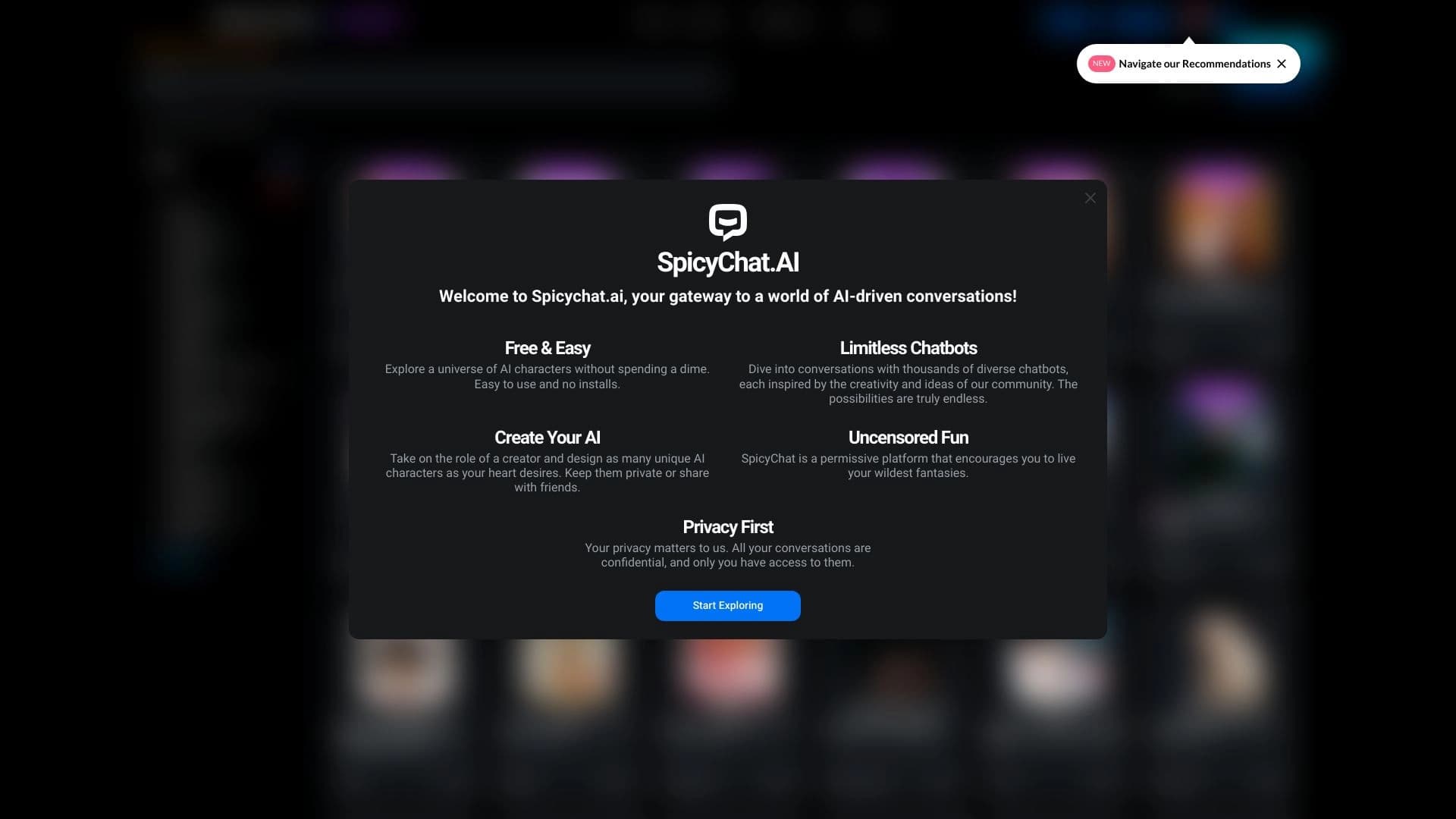

Web platform for communication and role-playing with AI characters.

Service for live AI conversations, including text generation, voice, and speech recognition.
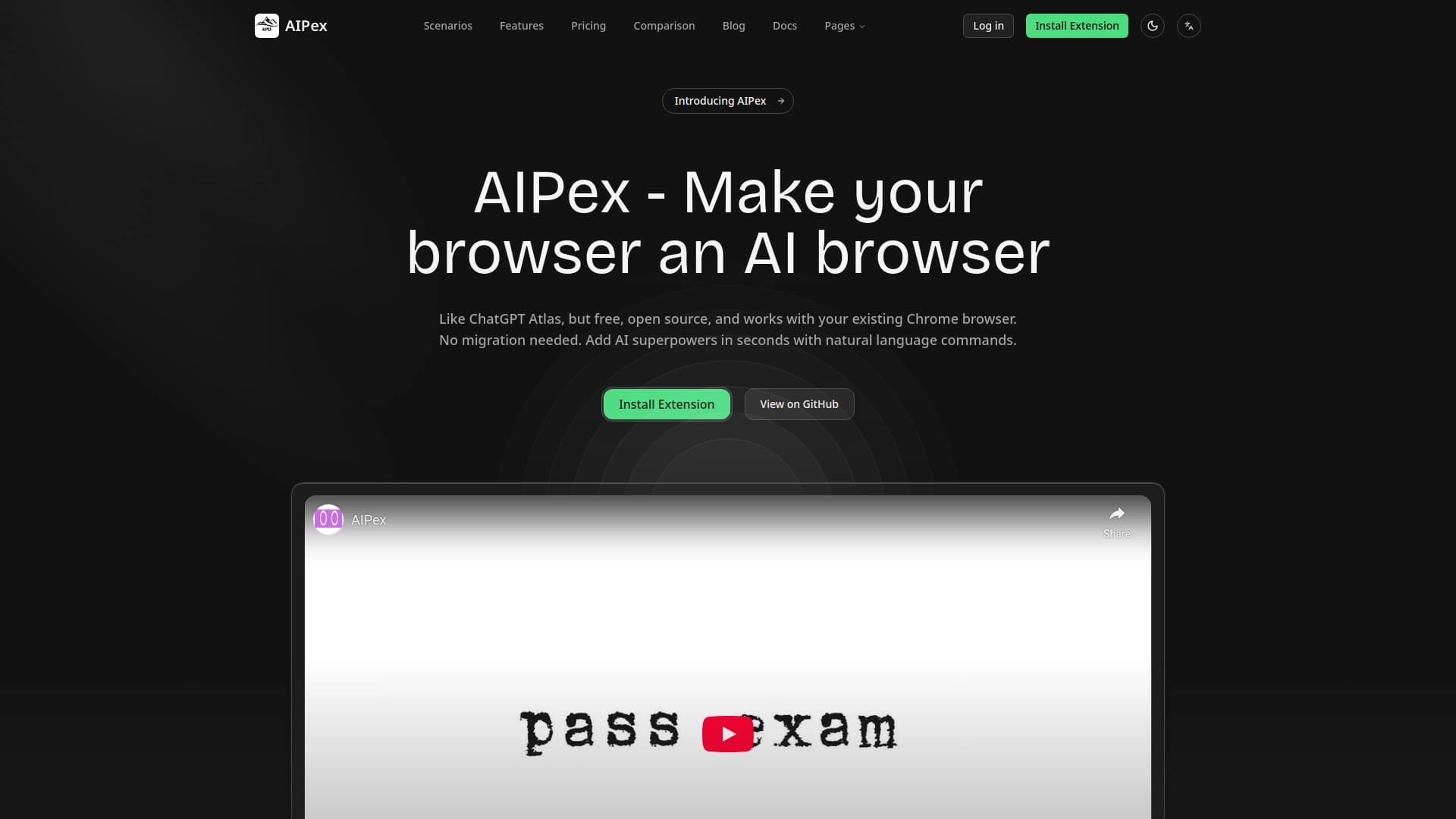

Chrome extension that helps manage tabs, history, and bookmarks with an AI assistant.
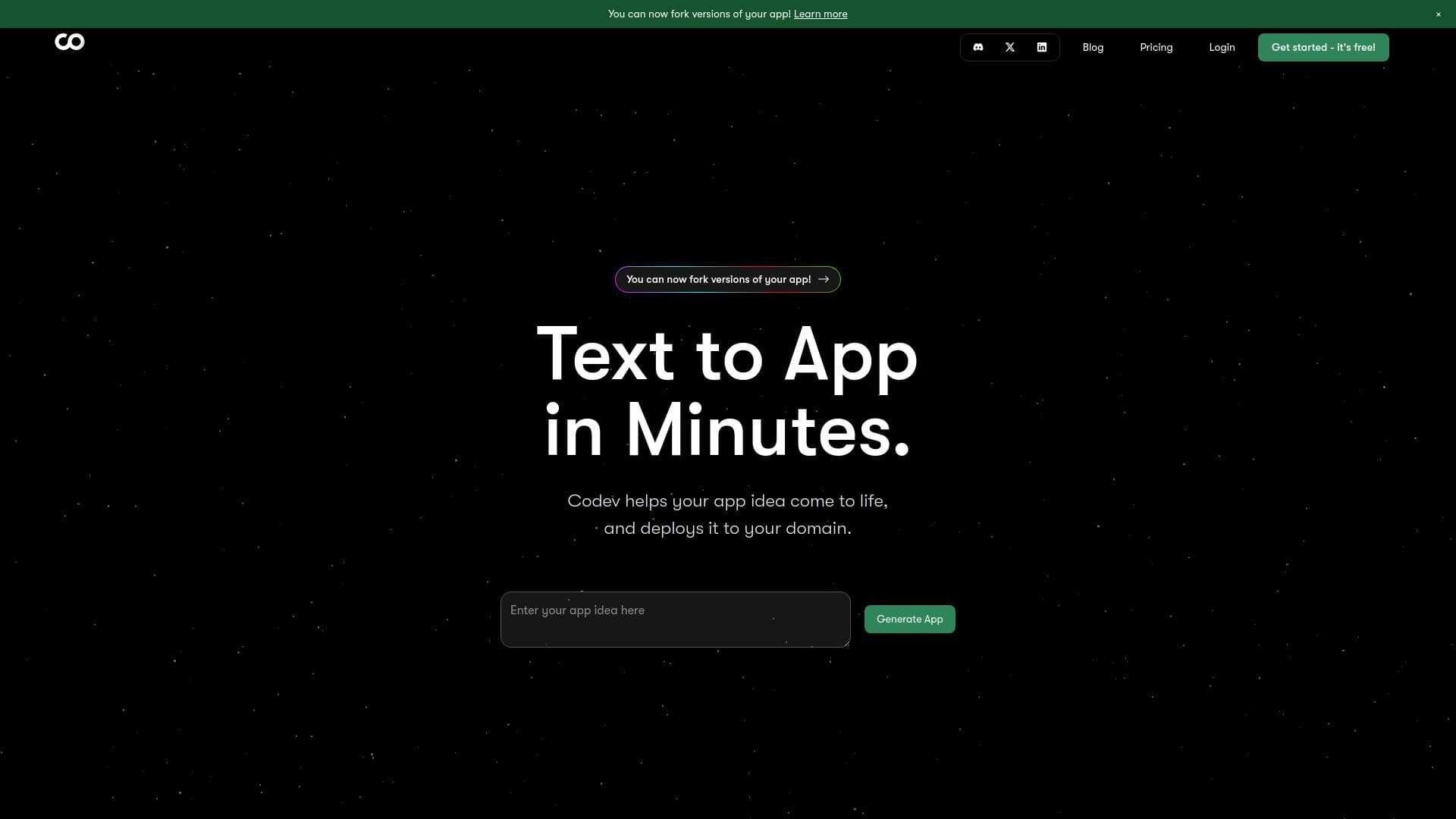

AI agent for assisting with programming and optimizing the development workflow.
AllChat is a universal platform that combines several popular language models in a single interface for communication, image generation, file analysis, and code execution.
AI platform for voice synthesis and cloning that converts text into realistic speech.

Desktop AI assistant for macOS, Windows, and Linux that launches via hotkey above all windows and combines multiple language models in one interface.
Online platform for creating interactive AI twins based on the user's biography, personality, and personal experience.