

Airtable AI
Облачная платформа, объединяющая базы данных и электронные таблицы с возможностями генеративного ИИ для автоматизации процессов и анализа данных.
Место в рейтингах
Обзор
Airtable AI
Описание нейросети Airtable AI
Airtable AI — это расширение облачной платформы Airtable, которое встраивает возможности генеративного искусственного интеллекта непосредственно в среду работы с таблицами и базами данных. Платформа позволяет пользователям автоматизировать обработку данных, извлекать структурированную информацию из текстов и PDF-документов, классифицировать записи и генерировать аналитические выводы на естественном языке — всё это без необходимости писать код.
Инструмент объединяет привычный интерфейс электронных таблиц с мощностью реляционных баз данных и добавляет встроенные ИИ-функции. Airtable AI поддерживает несколько моделей искусственного интеллекта, включая GPT от OpenAI и Claude от Anthropic, а также предлагает собственных AI-агентов для принятия решений и автоматизации рабочих процессов. Платформа интегрируется с Jira, Salesforce и другими популярными сервисами, что делает её универсальным решением для команд, стремящихся повысить эффективность работы с данными.
Характеристики Airtable AI
| Характеристика | Значение |
|---|---|
| Тип | Платформа автоматизации бизнес-процессов с ИИ / Облачная платформа для работы с базами данных и AI-автоматизации |
| Категории | No-code и Low-code платформы, Управление проектами, CRM-системы, Базы данных, AI-воркфлоу, Автоматизация |
| Платформы | Web, Android, iOS, Mac, Windows, API |
| Рейтинг | 4.5 |
| Разработчик | Компания Airtable |
| Русский язык | Поддерживается (интерфейс на английском) |
| Бесплатный тариф | Да (с базовыми функциями) |
| Платные тарифы | Да (Team от $20, Business от $45, Enterprise) |
| API | Да |
| Соответствие стандартам | ISO, HIPAA, SOC 2 |
Для кого подходит нейросеть Airtable AI?
Команды и бизнесы любого масштаба
Airtable AI подходит для компаний, которым необходимо повысить эффективность работы, ускорить принятие решений и снизить объём ручного труда. Платформа масштабируется под разные размеры бизнеса — от небольших стартапов до крупных организаций с сотнями миллионов записей и десятками тысяч пользователей.
Профессиональные роли и отделы
Инструмент ориентирован на широкий круг специалистов:
- Менеджеры проектов и продакт-менеджеры — для управления продуктами, отслеживания разработки и планирования.
- Маркетологи — для создания маркетинговых брифов, управления кампаниями и анализа отзывов.
- HR-специалисты — для подготовки HR-документов и обработки заявок.
- Аналитики — для анализа данных и проведения исследований.
- Разработчики — для создания приложений с интеграцией ИИ без написания кода.
- Некоммерческие организации и фрилансеры — для организации проектов и ресурсов.
Как использовать нейросеть Airtable AI?
Начало работы с платформой
Для использования Airtable AI необходимо зарегистрировать аккаунт на сайте платформы. Новым пользователям доступна обучающая база и центр поддержки, которые помогают освоить функционал. Для старта можно выбрать готовые шаблоны или создать новую базу данных с нуля, настроив поля и структуру через визуальный интерфейс.
Работа через визуальный интерфейс
Пользователь задаёт структуру данных, настраивает логику обработки и подключает ИИ-функции без программирования. Для построения сложных систем можно описывать задачу текстом через функцию Omni AI — платформа сама соберёт базу на основе диалога на естественном языке. Также доступны готовые ИИ-сценарии (AI Plays) для быстрого внедрения.
Требования к использованию
Для работы требуется стабильное интернет-соединение. Пользователям из России необходим VPN для доступа к платформе. Интерфейс представлен на английском языке, при этом платформа поддерживает русский язык в данных и вводе.
Основные функции Airtable AI
Встроенный искусственный интеллект
Airtable AI включает несколько ИИ-возможностей, встроенных непосредственно в платформу. AI-агенты (Airtable Agents) принимают решения и автоматизируют действия на основе заданных правил. Функция Omni AI позволяет собирать базу данных через диалог на естественном языке. Платформа поддерживает извлечение структурированных данных из текстов и PDF-документов.
Работа с данными и визуализация
Платформа сочетает возможности электронных таблиц и реляционных баз данных с десятками типов полей. Пользователи могут создавать визуальные интерфейсы (Interfaces) поверх данных и использовать различные представления: список, Kanban-доска, календарь, галерея и сводная таблица. Доступна синхронизация данных в реальном времени.
Автоматизация и интеграции
Airtable AI предлагает визуальные многошаговые автоматизации с вложенной логикой без необходимости написания кода. Платформа интегрируется с Jira, Salesforce и другими инструментами, поддерживает подключение через MCP-server для использования Airtable как источника данных внешними ИИ-системами. Интеграции возможны с OpenAI, Gemini, Llama, Anthropic и другими моделями.
Преимущества Airtable AI
Простота и доступность
Платформа с минимальным кодом подходит для пользователей с любым уровнем навыков. Интуитивный интерфейс и готовые шаблоны позволяют быстро начать работу. Airtable AI не требует знания SQL для построения мощных реляционных структур.
Производительность и масштабируемость
Встроенный ИИ повышает производительность и качество решений за счёт автоматизации рутинных задач. Платформа поддерживает сотни миллионов записей и десятки тысяч пользователей благодаря технологии HyperDB на AWS. Масштабирование доступно под разные размеры бизнеса.
Безопасность и соответствие стандартам
Airtable AI соответствует стандартам ISO, HIPAA и SOC 2. Данные пользователей не используются для обучения моделей ИИ. Доступны ролевая модель доступа, журнал действий и региональное хранение данных. Высокий уровень защиты и конфиденциальности обеспечивается тем, что данные не сохраняются провайдерами ИИ-моделей.
Недостатки Airtable AI
Требования к интернет-соединению
Для работы Airtable AI необходимо стабильное интернет-соединение. При отсутствии доступа к сети платформа становится недоступна, что может ограничивать использование в условиях нестабильного подключения.
Ограничения для новых пользователей и малых компаний
Новым пользователям требуется время на освоение функций платформы, особенно при переходе с традиционных электронных таблиц. Для стартапов и малых компаний возможны дополнительные расходы на платные тарифы и дополнения, включая Airtable AI, что может быть существенным при ограниченном бюджете.
Географические ограничения
Пользователям из России необходим VPN для доступа к платформе. Интерфейс представлен на английском языке, что может создавать дополнительные сложности для русскоязычных пользователей, не владеющих языком.
Какие задачи решает Airtable AI
Организация и управление данными
Платформа позволяет организовывать и управлять данными без программирования. Airtable AI подходит для ведения CRM, управления проектами, контент-планирования, отслеживания инвентаря и ресурсов. Инструмент помогает связывать разные источники информации в единой среде.
Автоматизация бизнес-процессов
Airtable AI автоматизирует рутинные операции: обработку заявок, категоризацию отзывов, эскалацию задач, интеллектуальную сортировку лидов. Платформа снижает объём ручного труда и ускоряет выполнение повторяющихся задач в маркетинге, продажах, HR и операционном управлении.
Анализ и извлечение информации
Инструмент решает задачи извлечения и структурирования информации из документов, писем и PDF-файлов. Airtable AI позволяет анализировать данные, генерировать сводки и выводы на естественном языке, проводить исследования в интернете и классифицировать записи без написания кода.
Цены Airtable AI
Бесплатный тариф
Airtable AI распространяется по модели freemium. Доступен бесплатный план с базовыми функциями, который позволяет начать работу с платформой без финансовых вложений. Пользователям предлагается 500 ежемесячных AI-кредитов для тестирования возможностей искусственного интеллекта.
Платные тарифы
Airtable предлагает несколько платных тарифов:
- Team — от $20 в месяц.
- Business — от $45 в месяц.
- Enterprise — с расширенными возможностями для крупных организаций.
Airtable AI доступен как отдельное дополнение к основным тарифам. Точная стоимость дополнения на страницах источников не указана, однако отмечается, что для стартапов и малых компаний возможны дополнительные расходы.
Условия использования Airtable AI
Регистрация и доступ
Для использования платформы требуется регистрация на сайте Airtable. Доступ возможен через пригласительную ссылку на странице. Пользователям необходимо иметь стабильное интернет-соединение для работы с веб-версией, мобильным приложением или API.
Безопасность и управление
Airtable AI предлагает ролевую модель доступа, которая позволяет настраивать права для разных пользователей. Доступны журналы действий (audit logs) для отслеживания изменений и региональное хранение данных. Платформа соответствует стандартам ISO, HIPAA и SOC 2, а данные пользователей не используются для обучения моделей ИИ.
Доступность Airtable AI
Платформы и устройства
Airtable AI доступен на нескольких платформах: веб-версия, мобильные приложения для Android и iOS, а также десктопные приложения для Mac и Windows. Платформа предоставляет API для интеграции с внешними системами.
Географическая доступность
Наибольшая популярность Airtable AI наблюдается в США (47.78% трафика), также инструмент активно используется в Великобритании, Франции, на Филиппинах и в Индии. Для пользователей из России доступ к платформе возможен только через VPN. Русский язык в данных поддерживается, однако интерфейс представлен на английском.
Чем отличается Airtable AI от аналогов
Глубокая интеграция ИИ без дополнительных инструментов
В отличие от конкурентов, таких как Microsoft Power Apps и Google AppSheet, Airtable AI выделяется глубокой интеграцией искусственного интеллекта непосредственно в платформу. Пользователям не требуются дополнительные инструменты или сложная настройка для использования ИИ-функций — всё доступно в знакомом интерфейсе таблиц и баз данных.
Поддержка разных AI-моделей
Airtable AI поддерживает несколько моделей искусственного интеллекта, включая GPT от OpenAI, Claude от Anthropic через Amazon Bedrock, а также Gemini, Llama и другие. Это даёт пользователям гибкость в выборе подходящей модели для конкретных задач, от анализа данных до генерации контента, что отличает платформу от решений с привязкой к одному провайдеру.
Акцент на безопасность данных
Платформа делает особый акцент на защите и конфиденциальности данных. Данные пользователей не сохраняются провайдерами ИИ-моделей и не используются для их обучения. Airtable AI соответствует стандартам ISO, HIPAA и SOC 2, предлагает ролевую модель доступа и региональное хранение данных — это важное отличие от многих аналогов, особенно для компаний с высокими требованиями к безопасности.
Заключение
Airtable AI — это облачная платформа, которая объединяет функциональность электронных таблиц и реляционных баз данных с возможностями генеративного искусственного интеллекта. Инструмент предназначен для команд и бизнесов любого масштаба, стремящихся автоматизировать рутинные операции, ускорить анализ данных и снизить объём ручного труда без глубоких технических знаний. Поддержка нескольких ИИ-моделей, гибкие интеграции с Jira, Salesforce и другими сервисами, а также акцент на безопасности данных делают Airtable AI подходящим выбором для компаний, ориентированных на данные — от маркетинга и HR до разработки продуктов и операционного управления. При этом потенциальным пользователям следует учитывать необходимость стабильного интернет-соединения, возможные дополнительные расходы на платные тарифы и ограничения доступа из некоторых регионов.
Тарифы
Часто задаваемые вопросы
Смотрите также

Платформа для автоматического учёта рабочего времени и анализа продуктивности команды.

Сервис на базе ИИ для автоматической генерации текстового контента различного формата.

Платформа для создания кастомных AI-чатов, обученных на собственных бизнес-данных.

Чат-бот на базе ИИ для автоматизации общения с клиентами и квалификации лидов.
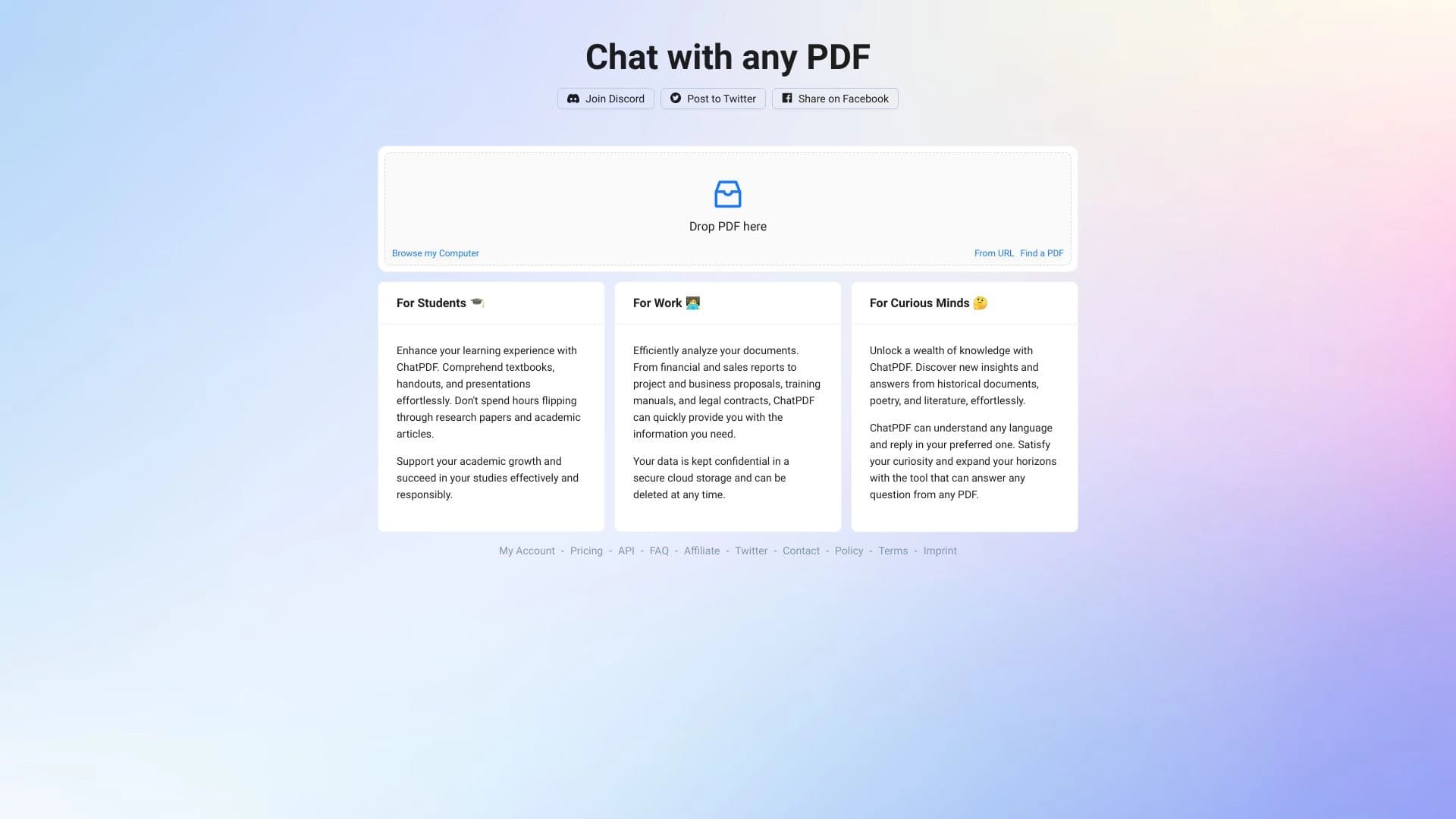
Онлайн-сервис, который позволяет общаться с PDF-документами в чате: задавать вопросы и получать краткие ответы с указанием источника.
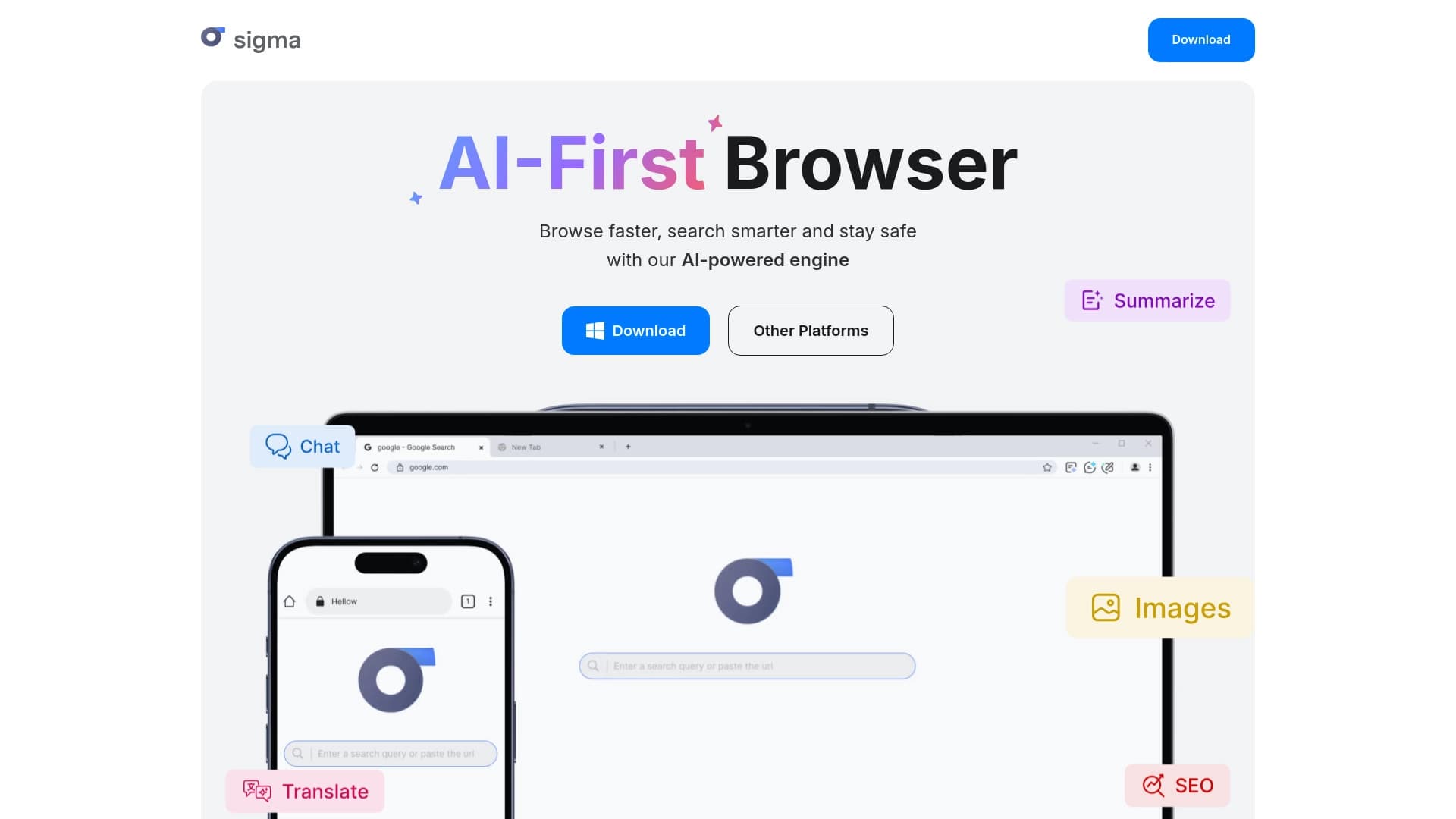

Браузер со встроенными ИИ-инструментами для общения с нейросетями, генерации текстов и изображений, перевода и суммаризации страниц.
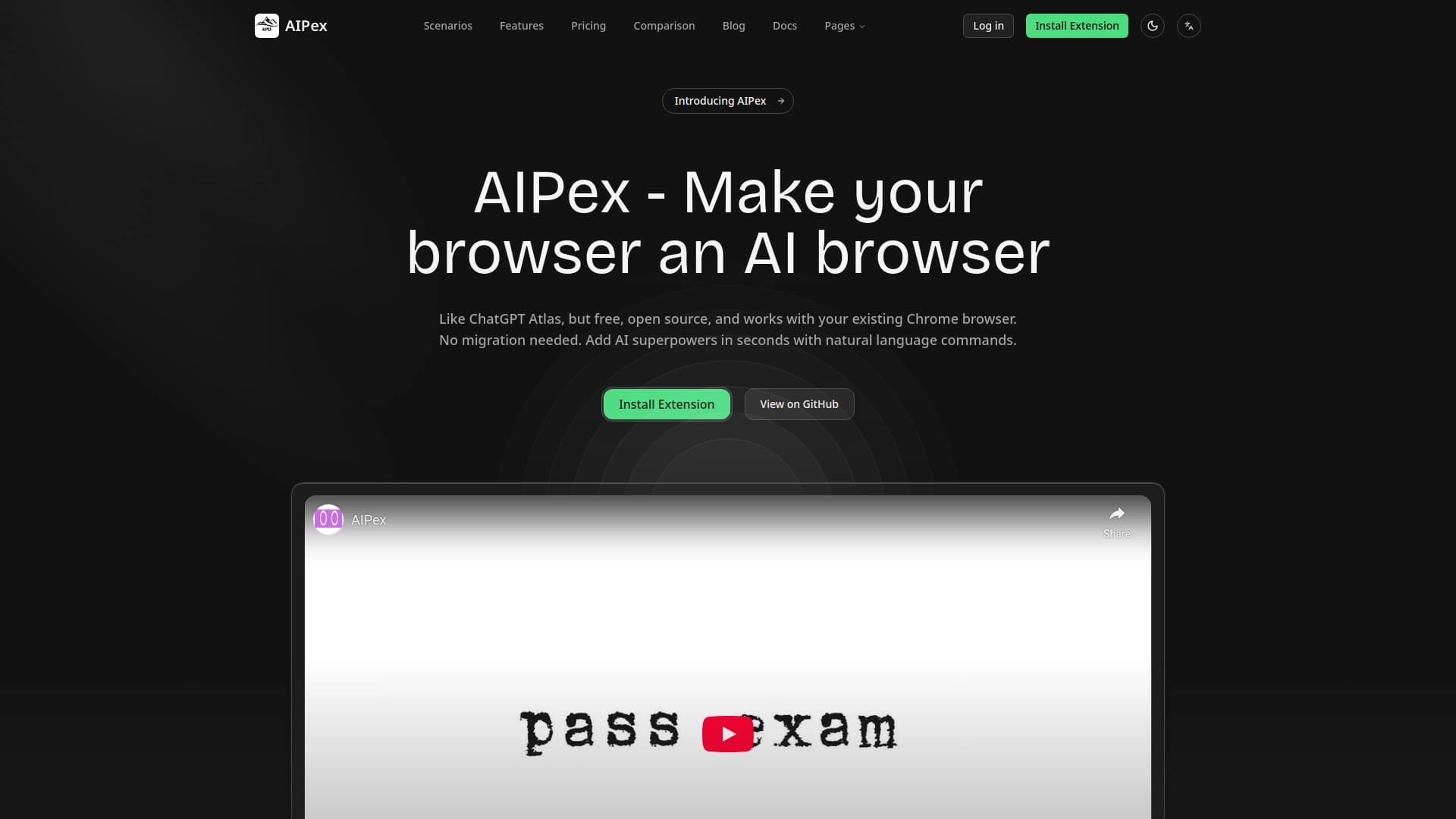

Расширение для Chrome, которое помогает управлять вкладками, историей и закладками с помощью ИИ-ассистента.

Платформа с искусственным интеллектом для анализа финансовых данных и поддержки инвестиционных решений.