
4DDiG
Tool for restoring damaged and old photos.
Overview
4DDiG Neural Network Overview
4DDiG is a specialized software tool that helps restore damaged, corrupted, or simply outdated photographs. The main purpose of the service is to "repair" digital images that, for various reasons, have stopped displaying correctly or have lost their original quality.
The program is designed to fix typical defects such as damaged file structure (when a photo won't open or displays with artifacts), severe blurriness, noise, or overall loss of sharpness. This allows users to bring valuable images back to life, making them suitable again for viewing, printing, or publishing.
Purpose of the Tool
The main use case for 4DDiG involves situations where a photograph is the only copy (family archives, historical documents). The service acts as a "digital restorer," automating complex correction processes that would otherwise require deep knowledge of photo editors to do manually.
How It Works
Tools in the 4DDiG class typically use data analysis algorithms and machine learning to "fill in" missing pixels. Instead of simply cropping out the damaged area, the program attempts to restore the integrity of the image based on the surviving fragments.
4DDiG Features
| Feature | Value |
|---|---|
| Tool Type | Desktop application / service |
| Primary Purpose | Restoring corrupted and old photographs |
| Problems Solved | Fixing file corruption, image defects |
| Key Capabilities | Repairing damage, improving blurriness, enhancing quality |
| Distribution Model | Freemium |
| Target Audience | Wide range of users: from beginners to professionals |
Who Is 4DDiG For?
The tool is aimed at anyone dealing with corrupted digital images.
For Home Users
Everyday users often discover that old photos from digital cameras or scanned film have defects. 4DDiG suits those who want to save family memories without learning complex editing software.
For Professionals and Archivists
Specialists working with media libraries and archives can use 4DDiG to quickly "revive" damaged source files before more detailed manual processing. It's also useful for designers and photographers who receive low-quality files from clients.
For Users Without Technical Skills
The tool is positioned as a solution for everyday users. It doesn't require a detailed understanding of codec structure or color correction — the restoration process is typically automated.
How to Use 4DDiG
The exact steps may vary, but the general workflow with programs of this class usually includes several standard stages.
Step 1: Import the File
You need to load the damaged photo into the program's interface. This is done in the standard way: via the "Open" button or by dragging the file into the workspace.
Step 2: Choose the Restoration Mode
After analysis, the program either automatically detects the type of damage or offers you a choice of modes (e.g., "Repair File" or "Enhance Quality"). The user needs to start the restoration process.
Step 3: Save the Result
Once processing is complete, the application will show a preview of the result. If the photo is usable, you can save it to disk. It's generally recommended to save the restored file to a new location to avoid overwriting the original.
Key Features of 4DDiG
The service's functionality focuses on fixing visual defects and read errors.
Repairing Corrupted Files
4DDiG attempts to fix the file structure that was damaged due to write errors, virus attacks, or improper copying. This allows you to open images that previously wouldn't display at all or appeared as "broken" blocks.
Correcting Image Defects
The program works with the actual content of the frame: it removes severe blurriness caused by camera shake or focus errors, and also tackles digital noise and quality loss from heavy compression.
Enhancing Sharpness and Detail
Using interpolation algorithms, the service improves fine details in old photos, making them sharper and suitable for viewing on modern screens.
Advantages of 4DDiG
The key benefits of using the tool stem from its purpose.
Ease of Restoration
The main advantage is the automation of a complex process. The user doesn't need to manually paint over scratches or adjust dozens of parameters — simply running the analysis and restoration function is enough.
Time Savings
Manually restoring a single photo in Photoshop can take hours. 4DDiG performs basic restoration of damaged files in minutes.
Accessible to Non-Specialists
The interface is generally intuitive and not overloaded with professional jargon, making the tool accessible to a broad audience.
Disadvantages of 4DDiG
Like any automated solution, the tool has certain limitations.
Limited "Artistic" Restoration
Automatic algorithms aren't always able to correctly restore complex textures (like fabric or tree foliage) as well as a professional retoucher could do manually.
Dependence on the Degree of Damage
If the file is critically damaged and no intact fragments remain for analysis, the effectiveness of restoration will be low or zero.
Free Version Limitations
Since the distribution model is freemium, basic functions are available for free, but a full license is required to remove restrictions (e.g., on file size or number of operations).
What Tasks Does 4DDiG Solve?
The service is designed to solve a narrow but critical set of user problems.
Rescuing Unreadable Photos
The main task is to obtain a visually discernible image from a file that the operating system refuses to open or displays with errors.
Restoring Outdated Photos
The tool helps improve the appearance of scanned film photos or early digital images that have low resolution and heavy grain.
Preparing Files for Use
Restored photos can then be used as intended: printed, sent to relatives, or inserted into documents.
4DDiG Pricing
Information about specific plans and subscription costs is not available in the provided source data. The distribution model is listed as freemium.
This means the basic version of the program is distributed for free. The free tier likely includes functionality with watermarks, limits on the number of processed files, or size restrictions. To gain full access to all features and remove limits, users are offered a paid version, though exact figures are not provided in the public data.
Terms of Use for 4DDiG
The full text of the license agreement was not provided, but standard terms for freemium software can be assumed.
Free Access
Users can download and install the application to test its capabilities. However, in the free mode, a limited set of features is likely available, or restrictions are placed on exporting results.
Paid Activation
A license purchase is required for commercial use or to remove restrictions. This typically implies a prohibition on redistributing the program itself and using its built-in algorithms to create competing services.
4DDiG Availability
The application falls into the category of desktop software that is installed on the user's computer.
Platforms
Given that it's a tool for working with files, it's available for Windows and macOS operating systems. Cross-platform mobile versions (Android/iOS) are not mentioned in the source data.
Installation Model
The program requires downloading an installation file from the official website and performing a standard installation to a local disk. Browser-based online operation is not supported.
How 4DDiG Differs from Alternatives
The main difference worth highlighting is the combination of simplicity and a focus on hardware-level file repair. Many neural networks focus exclusively on quality enhancement (upscaling, noise removal) but cannot "heal" corrupted headers, which is why the file won't read at all.
4DDiG, on the other hand, emphasizes restoring non-functional images — cases where other editors simply refuse to open the photo. For alternatives that lack file structure repair capabilities, data falling into the "critically corrupted" category would be lost forever. It's also worth noting the lower entry barrier compared to professional editors — you don't need to learn complex retouching tools to get started.
Conclusion
4DDiG is a reliable tool for situations where photos are damaged and unusable. It solves the main task — making images viewable again by automating the complex process of repairing digital data. While the program is unlikely to replace the manual work of a professional retoucher in matters of fine aesthetic correction, it's a practical solution for restoring lost memories and archival data. The tool will carve out its niche among users who value their time and aren't willing to accept the loss of unique images due to technical failures.
Frequently asked questions
See also
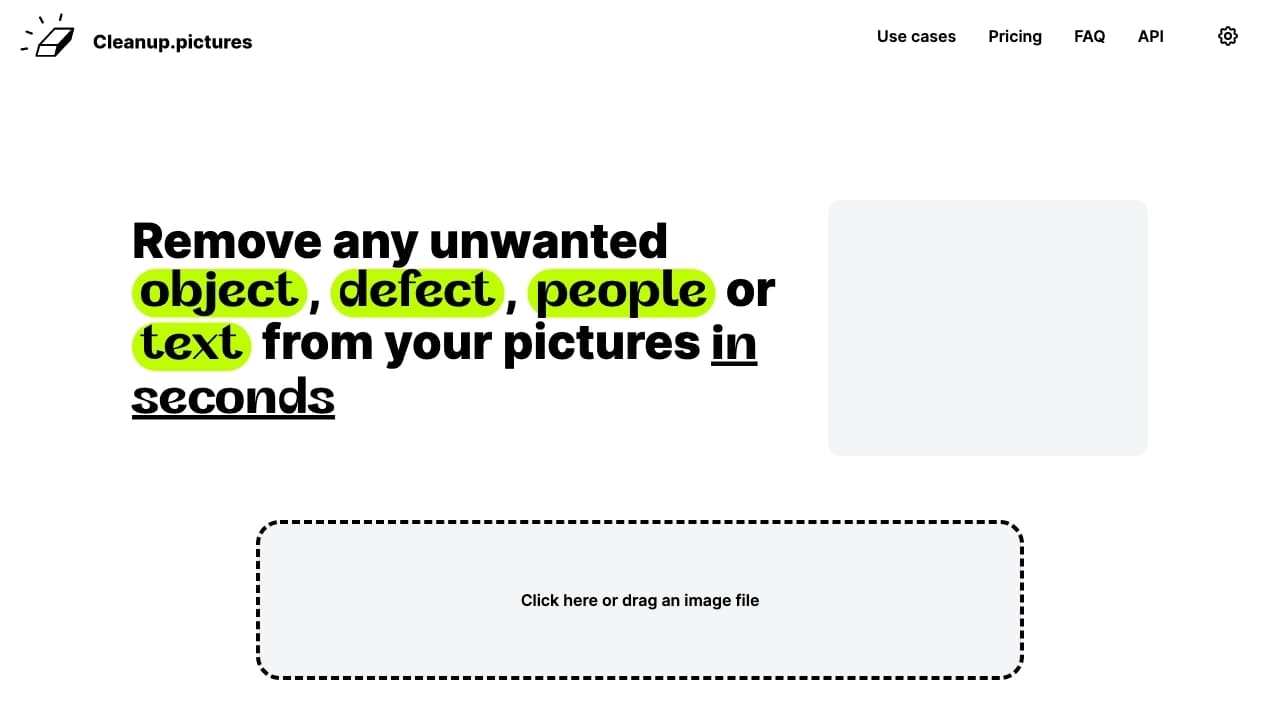

Online editor for removing unwanted objects, text, and defects from photos using a neural network.
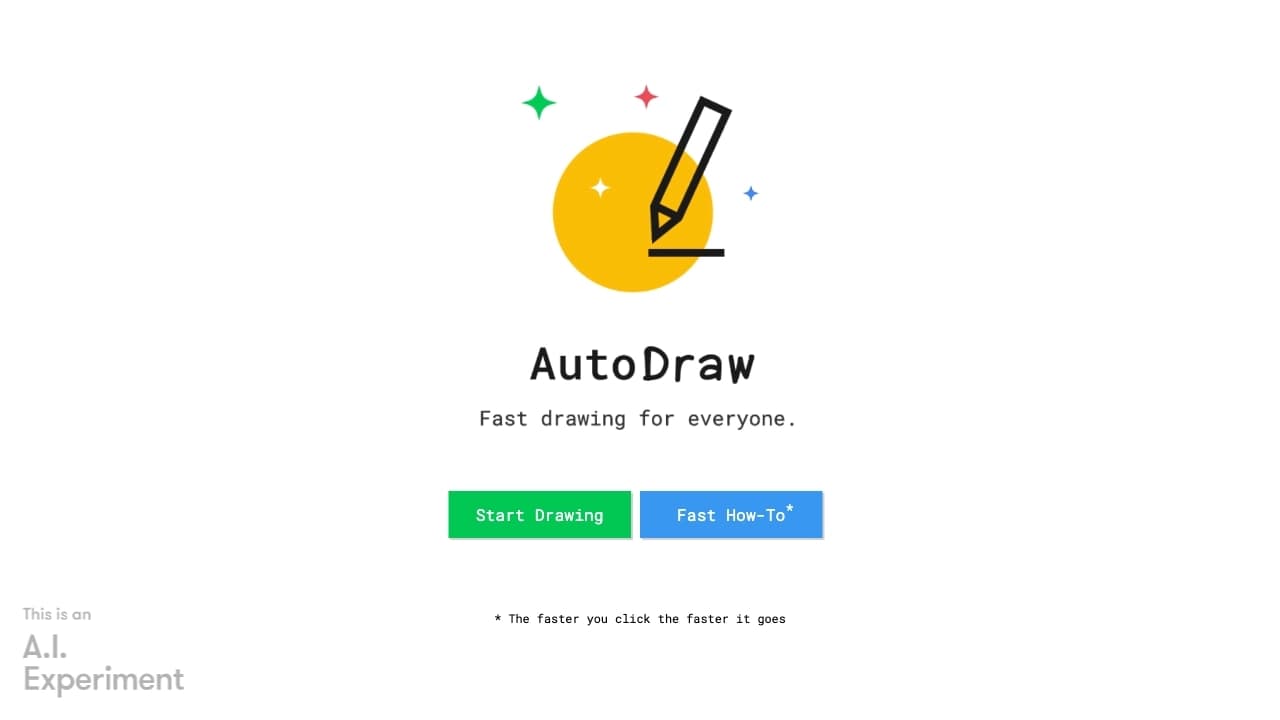

Free web tool from Google that uses machine learning to turn rough sketches into neat icons and illustrations.

AI-powered online photo editor for creating, editing, and enhancing images directly in your browser.
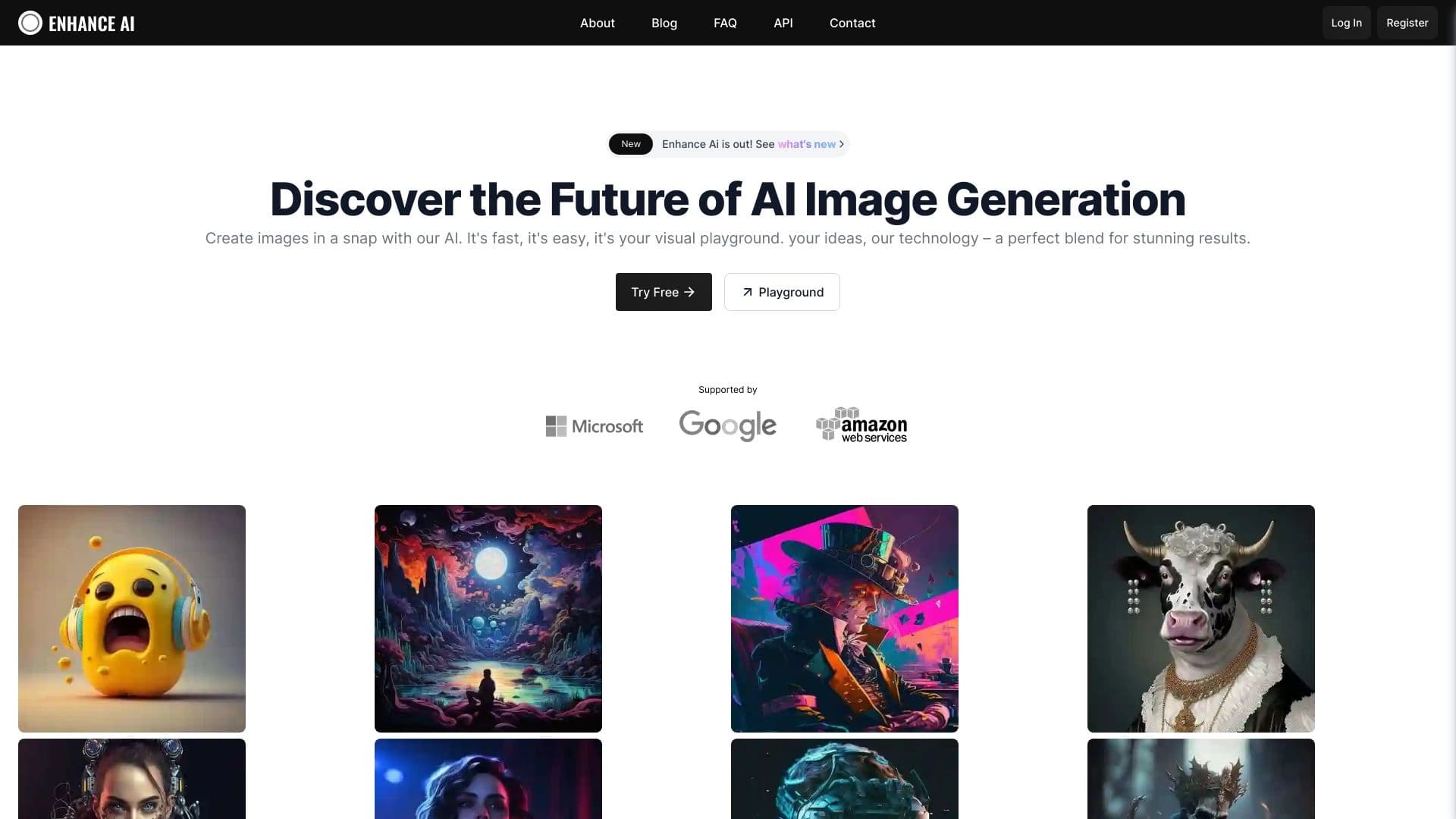
Online AI-powered platform for generating and processing images.

A multimedia AI toolkit for editing and enhancing photos, videos, and PDF documents.
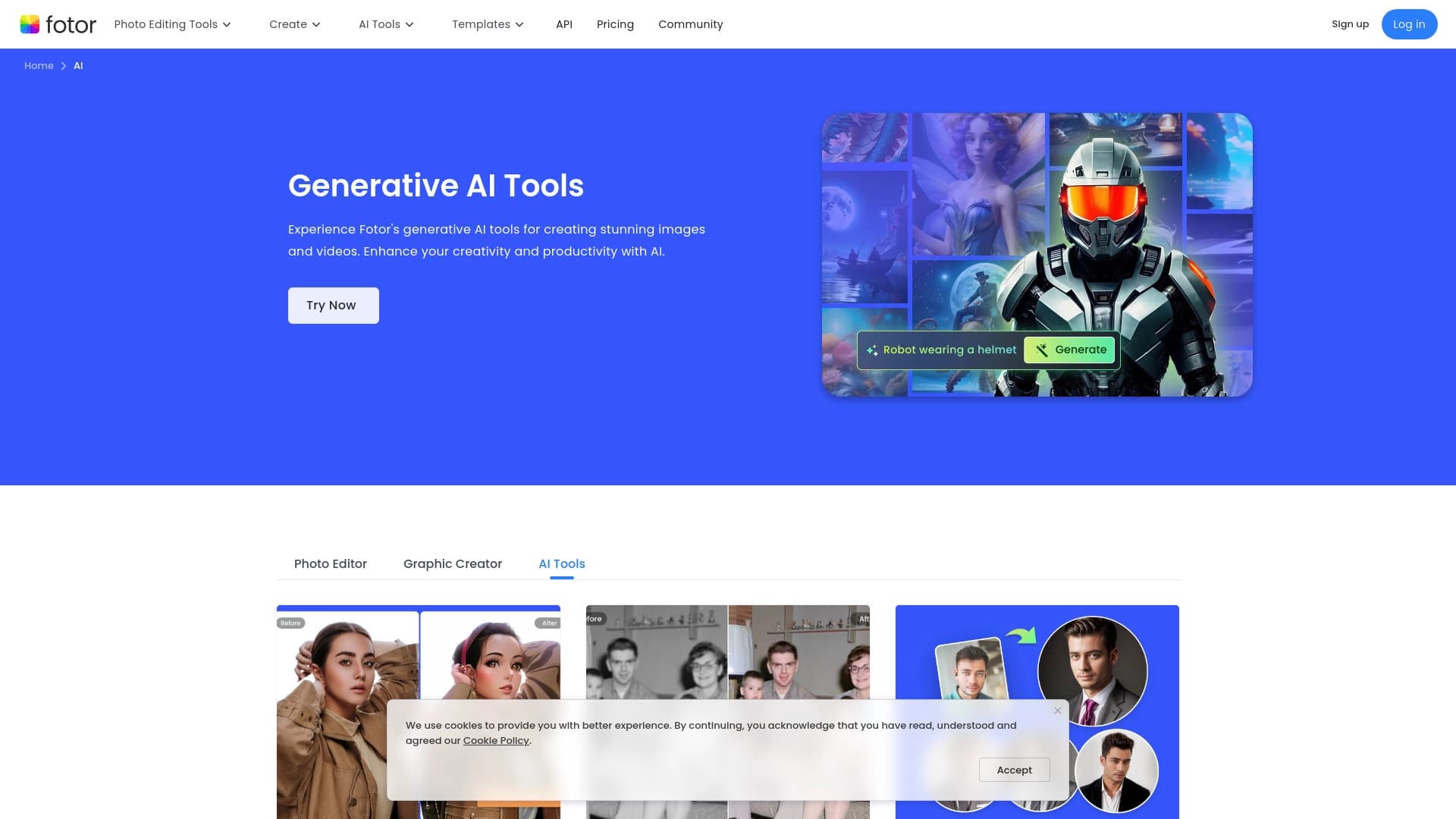

Online image editor with AI-powered features for photo processing, design, and content generation.
Service for creating personalized avatars and photo shoots using AI based on uploaded selfies.


Online neural network service that transforms ordinary photos into stylized artistic portraits and avatars.