Two approaches to search
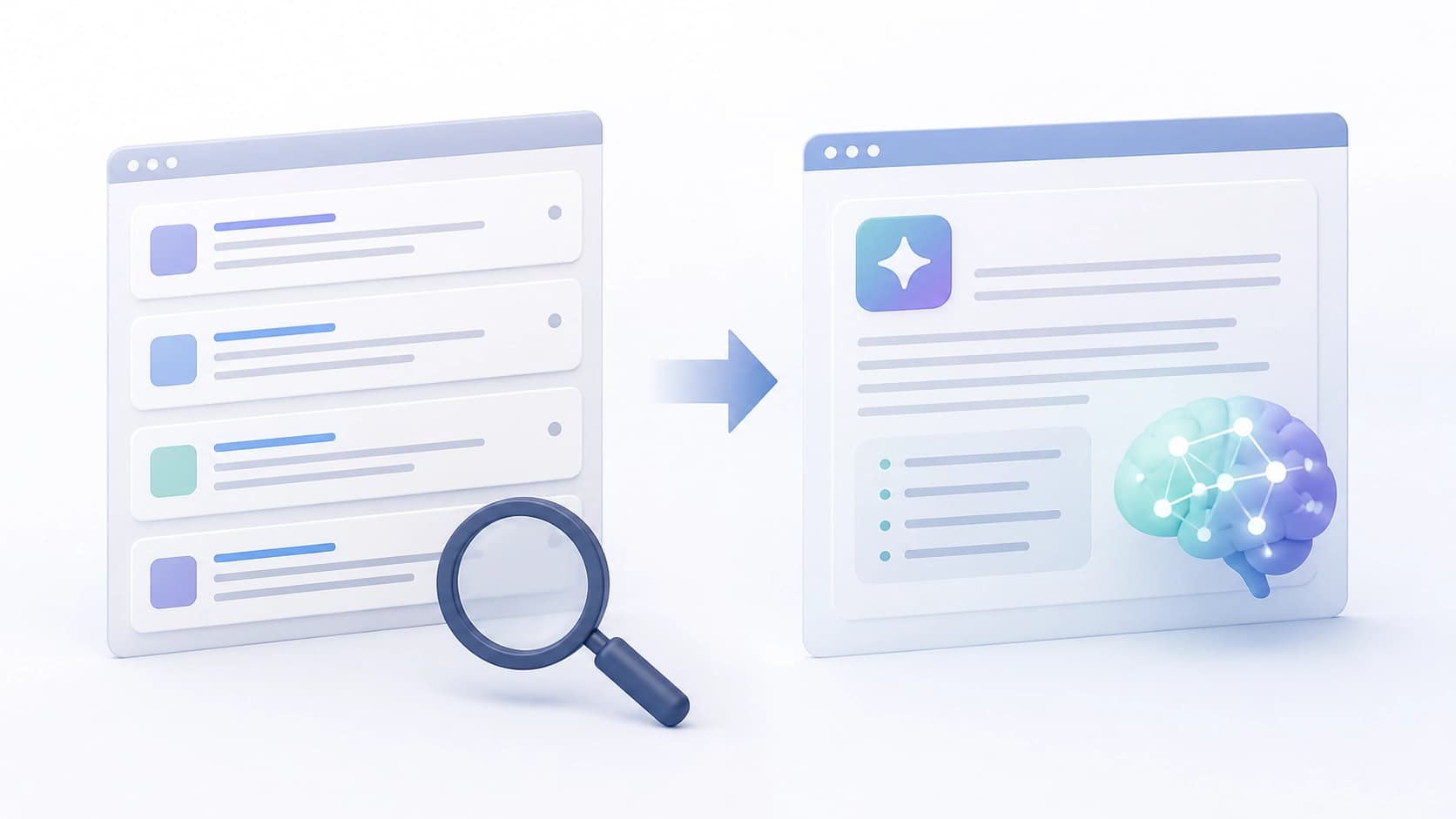
Conventional search engines return a list of links that users have to sift through manually. AI search engines work differently: they analyze the query, gather information from the web, and immediately formulate a coherent answer. Among the leaders in this field are SearchGPT from OpenAI and Perplexity AI. Both services allow you to have a dialogue and refine your queries, but they set different priorities.
SearchGPT appeared relatively recently: its official announcement was made on July 26, 2024. It was conceived as a tool that would save users from outdated answers and knowledge with "truncated" context. Perplexity has been around longer and focuses on deep exploration of questions. Which one is more convenient for everyday tasks — let's break it down point by point.
SearchGPT: freshness and simplicity
SearchGPT's main selling point is real-time data processing. Instead of relying on pre-indexed pages, the service directly accesses up-to-date sources. This solves the problem of outdated information that was common in previous OpenAI models, including ChatGPT.
SearchGPT's interface is minimalist. A clean page, a query field, and nothing extra — distractions are kept to zero. After you enter a question, the service immediately provides a brief summary, accompanied by links and visual materials. You can also ask follow-up questions, and the dialogue unfolds naturally, like a conversation with an expert.
Users highlight several strengths of SearchGPT:
- Relevance. You can ask about events that just happened and get fresh data.
- Speed. Answers come very quickly, which is especially noticeable amid clunky search pages.
- Transparency. Every point is backed by a link, so you can easily verify the source.
Overall, SearchGPT looks like a fast and tidy assistant for those who value their time and don't want to wade through ads and a list of blue links.
Perplexity AI: depth and context
Perplexity AI is an intelligent search engine with chatbot capabilities. It uses advanced natural language processing to deliver accurate, well-structured answers. Like its competitors, Perplexity supports follow-up questions and remembers the conversation context, which is important for complex research tasks.
Key features of Perplexity:
- Rich context. Answers often contain more details and links to various online sources than SearchGPT. This is convenient for in-depth analysis.
- Availability. There is a mobile app and a Chrome extension, so the service is always at hand.
- Accuracy (with caveats). Users praise the quality of the answers, but there are occasional issues with the most up-to-date data. This is especially noticeable in fast-changing fields — finance, technology.
- Speed is inconsistent. The service is generally responsive, but response time depends heavily on query complexity. Sometimes you have to wait longer than usual.
Not everyone likes Perplexity's interface. Some users find it overloaded: too many blocks, buttons, and links. However, for those doing research, this can be a plus — all information remains on display.
Detailed comparison
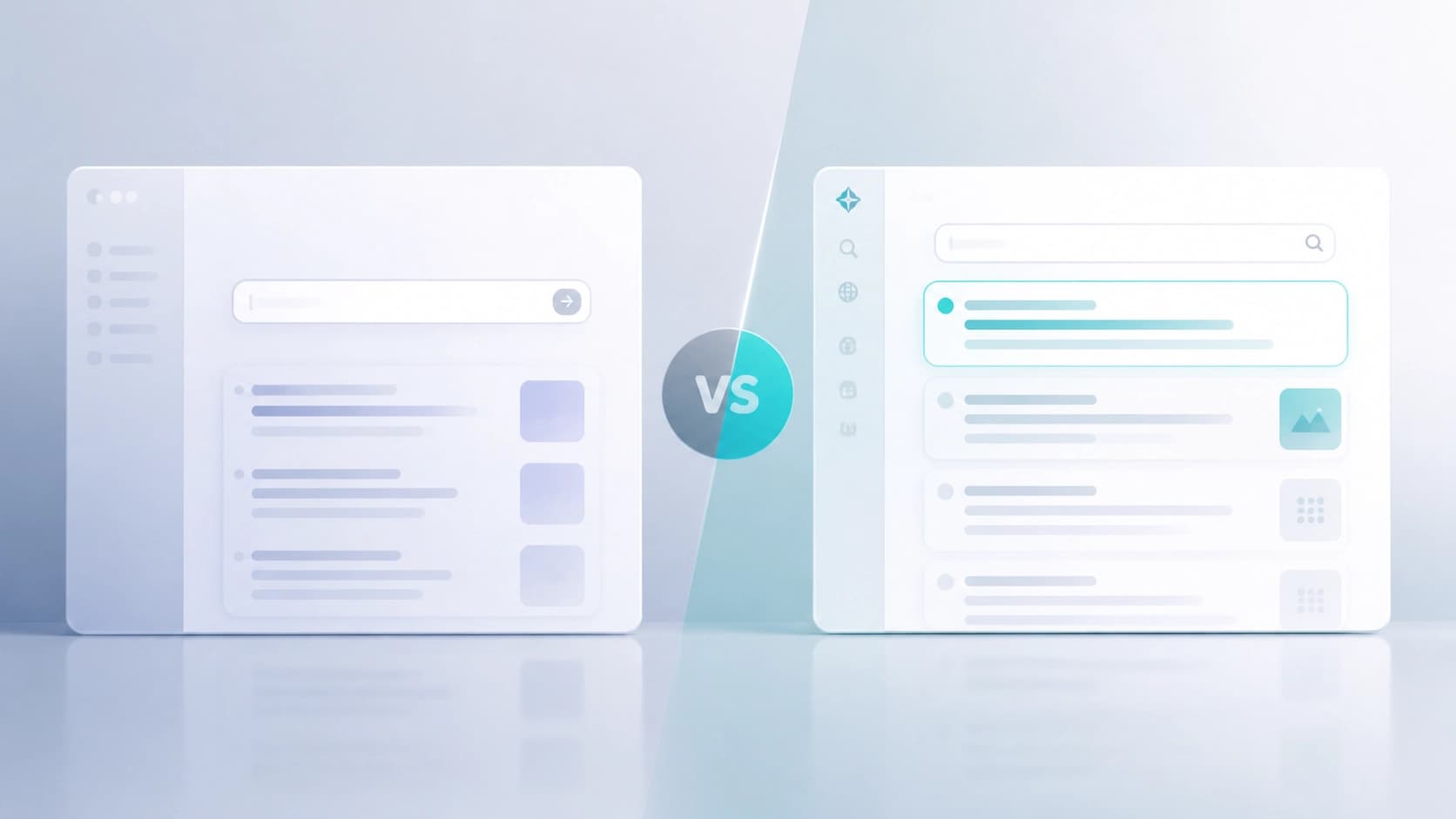
To understand which tool to choose, let's break down the capabilities by key criteria.
Speed and relevance
SearchGPT is the clear winner here. It delivers answers almost instantly and is always oriented toward real-time events. Perplexity AI is also fast, but it sometimes stumbles on fresh data and can lag slightly behind events. If news and up-to-the-minute information matter to you, SearchGPT will be more reliable.
Interface usability
SearchGPT looks neat and minimalist, which reduces cognitive load. Perplexity AI is more informative, but as a result noisier. For quick fact-checking, such an interface can get in the way, while for in-depth research it helps instead.
Reliability and sources
Both services provide links to sources. SearchGPT gives clear attribution and emphasizes verifiability. Perplexity AI also cites sources, but some users have doubts about the accuracy of complex answers. So for important decisions, it's better to double-check information manually.
Final verdict
The choice between SearchGPT and Perplexity AI depends on your personal preferences. If you need fresh information "here and now," a simple interface, and lively dialogue — check out SearchGPT. It's better suited for quick references, news, and light questions.
Perplexity is indispensable for in-depth research. Its context-rich answers and abundance of sources help you dig deeper into a topic, even if the interface seems less elegant. Perhaps you won't have to choose at all: you can use both services together. There are other options on the market — for example, Google Gemini, Claude, or Microsoft Bing AI. But it's SearchGPT and Perplexity that currently set the standards in different approaches to AI search.