Petlibro accused of gaslighting: smart feeder owners report hungry pets after outage
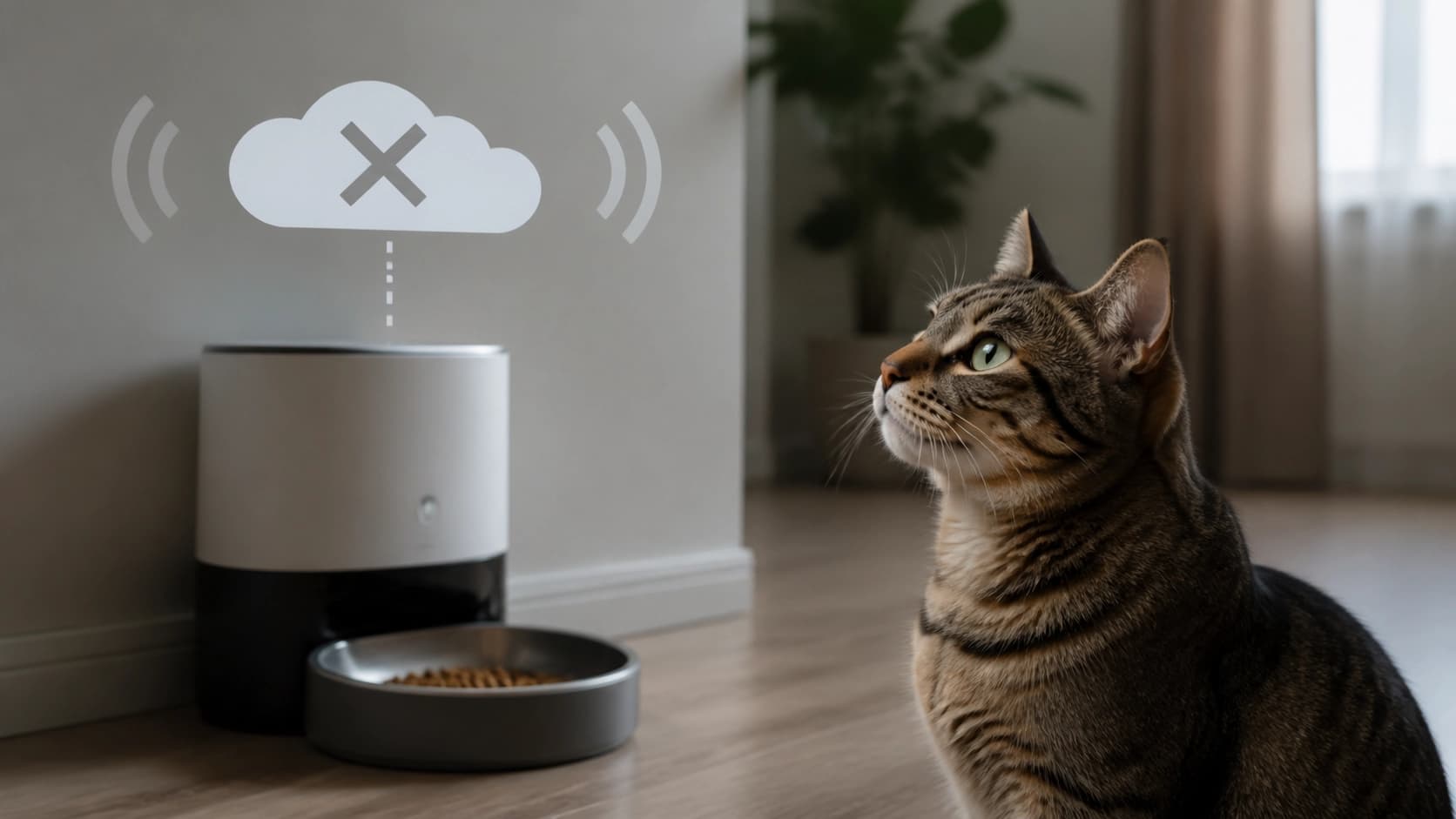
Petlibro smart feeder owners had an unpleasant experience: a large-scale cloud service outage left them unable to control their devices through the app, and in some cases, scheduled feedings didn't trigger. The situation was made worse by the company's response: contradictory statements about the timeline for fixing the issue and how offline mode works led to accusations of gaslighting users.
What happened and how the company explains the outage
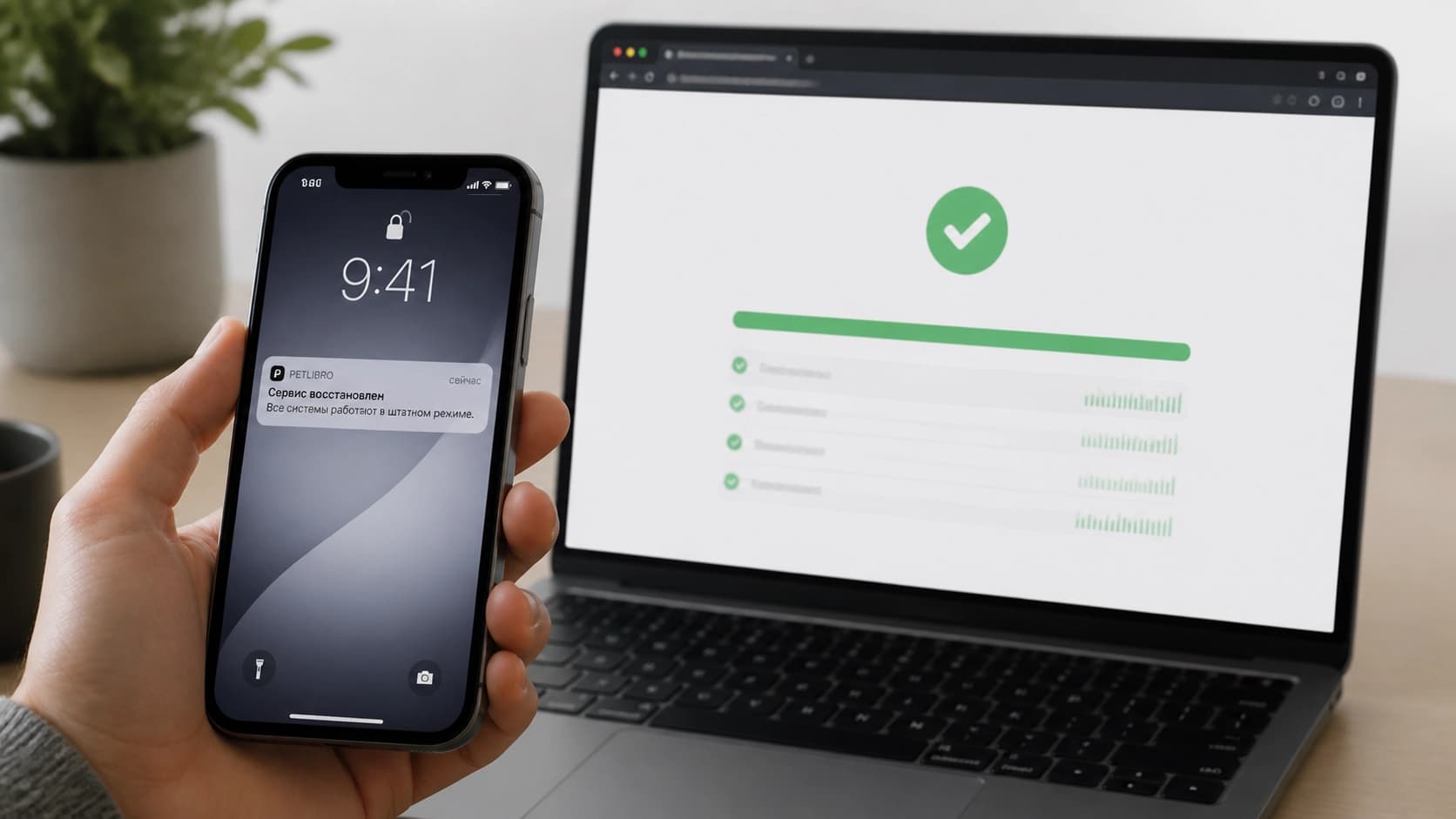
The feeder manufacturer is owned by Shenzhen Libro Technology Co., based in Shenzhen. The first acknowledgment of issues appeared on Tuesday at 5 a.m. Pacific Time, and by Wednesday evening the company reported full recovery. However, some users disagreed and reported ongoing problems even on August 13.
Petlibro CEO York Wu published a blog post with apologies, detailing the technical causes. It turned out the root of the problem was the cloud servers: memory overload caused by accumulated deferred requests brought the device service to a halt. After a restart, the system faced the same wave of requests and went down again. Engineers had to conduct systematic troubleshooting to identify the root cause, apply a fix, and wait for a slow recovery of load.
During the outage, the app couldn't connect to the feeders: on-demand actions, operation history, records, notifications, and video were all unavailable.
Outage timeline: how events unfolded
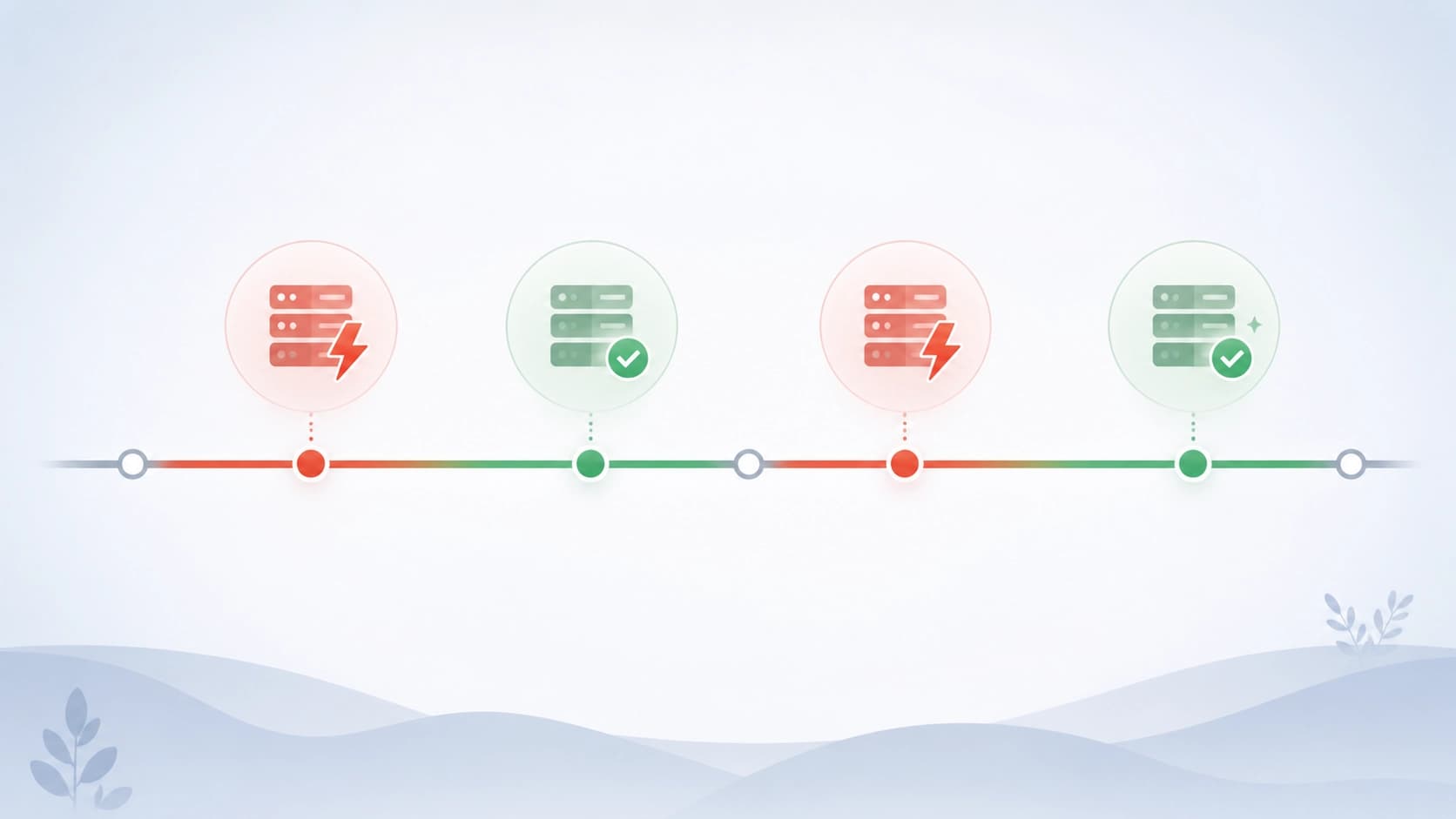
York Wu reconstructed a detailed picture of what happened:
- 5:20 a.m., Tuesday — a critical error occurred, affecting app login and device control.
- 6:20 a.m. — app functionality was restored, but the system began processing a huge backlog of deferred requests.
- 6:43 a.m. — the incoming request flow overwhelmed connection bandwidth, and the system went down again.
- 8:04 a.m. — basic functionality was restored.
- Around 9 a.m. — app loading speed dropped sharply, so the company decided to trim functionality.
- Wednesday night — developers identified a cache issue and disabled the service to fix it.
- 11:43 p.m., Wednesday — the fix was deployed and the service was reactivated.
- Thursday night — the team monitored device reconnections; by morning, metrics returned to previous levels.
- After that — the company remained in crisis mode until a full load cycle passed and stable performance was confirmed.
Wu also said Petlibro increased bandwidth and is preparing an audit protocol to review the backend to prevent similar discrepancies in the future.
Controversial claim about offline feeding
The key point of contention was the company's claim that smart feeders perform scheduled feedings in offline mode and don't depend on the app. According to Wu, this worked for the "vast majority of devices." However, several users reported that their pets went hungry during the outage and scheduled routines didn't execute.
The company said it is actively investigating individual reports of missed routines to determine whether secondary factors were involved. But for many customers, such wording sounded like an attempt to shift responsibility onto owners or downplay the scale of the problem.
Gaslighting accusations and communication dissatisfaction
Another sticking point was how affected users were informed. Several people claimed they learned about the outage not from company emails but from the internet. Although Wu's blog stated that Petlibro sent five emails to active customers with connected devices and posted four updates on Reddit and Instagram. The company also set up a status page it promises to keep up.
Due to contradictory information about the emails and offline feeding, users began accusing the company of gaslighting. One commenter in the Petlibro Reddit community addressed the director directly: "Don't gaslight your users by downplaying the severity of the incident... During a crisis, you should overstate the scale of the problem, not understate it. If someone's device isn't working and they get that announcement, they'll be furious."
This comment reflects the general sentiment well: users expect companies to honestly acknowledge the scale of a problem, not offer reassuring wording that contradicts their real experience. As a result, some owners have already started looking for alternatives to Petlibro feeders, and the company itself has taken a serious reputational hit.
The incident served as a reminder that "smart" devices depend on cloud infrastructure more than it might seem at first glance. And when a pet's regular feeding is at stake, even a few hours of downtime can turn into not just an inconvenience, but a loss of customer trust.